 English
 Español
 عربى
عربى

The Artistic Facade Decorative GRC Curtain Wall Panels are designed for modern architecture seeking ...
READ MOREMay 19, 2026
Content
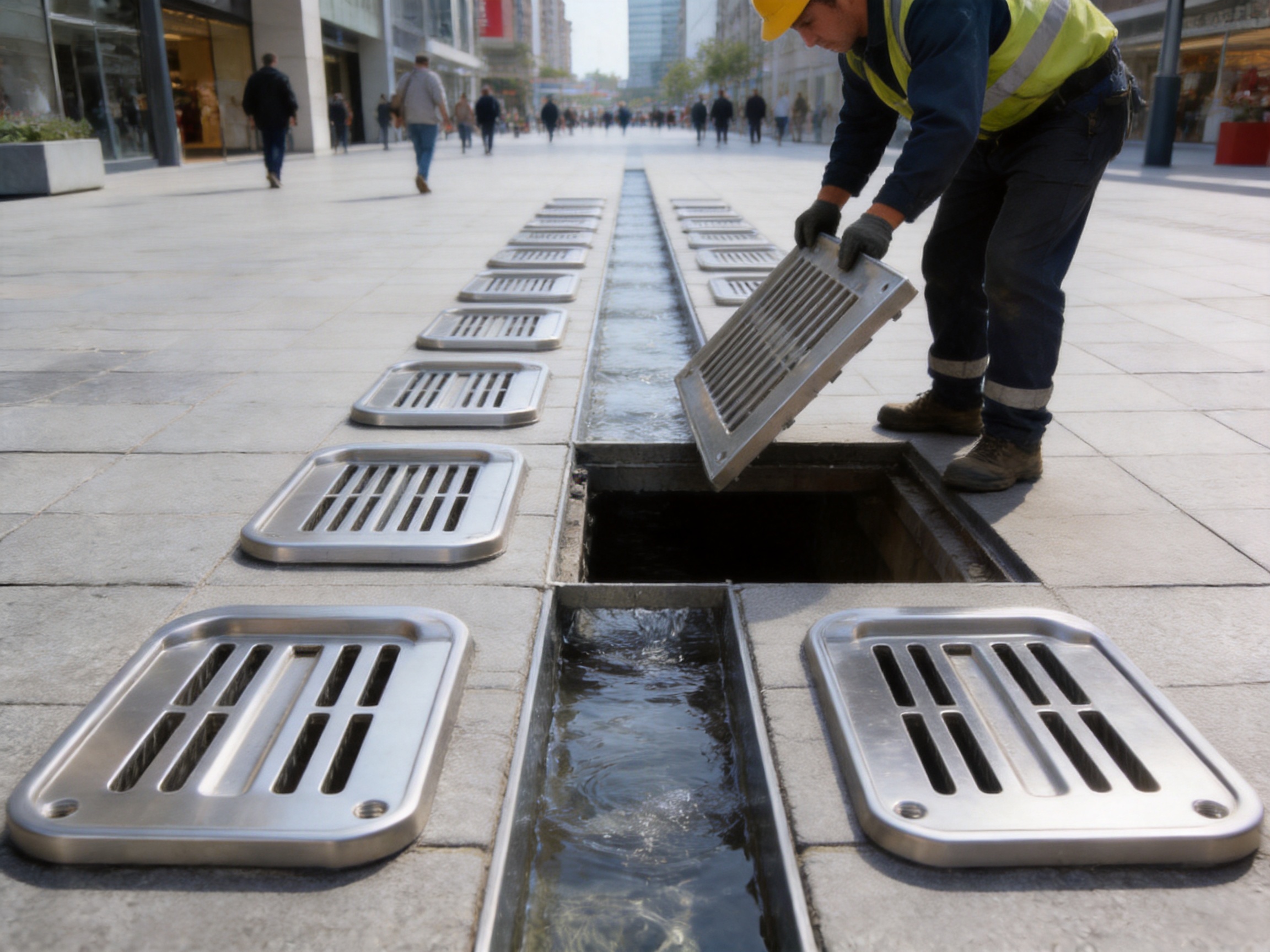
In modern drainage engineering, the cover plate is far more than a removable surface panel. It is a structural, hydraulic, hygienic, and safety-critical component that protects drainage channels, supports traffic loads, guides water into the channel, resists environmental attack, and contributes to the long-term reliability of the entire system. The corrosion-resistant stainless steel cover plate described here is specifically developed for highly corrosive and high-humidity environments, including coastal infrastructure, food-processing facilities, chemical plants, public plazas, commercial kitchens, industrial workshops, urban drainage projects, and high-end architectural drainage applications.
This product belongs to the drainage channel series and is closely associated with applications where durable, clean, and corrosion-resistant surface protection is required. It is designed for use with linear drainage ditches, finished drainage ditches, polymer-based drainage ditches, slot drainage ditches, U-shaped drainage ditches, and other related drainage systems. With premium stainless steel materials, full passivation technology, reinforced structural design, precision manufacturing, and a hygienic self-cleaning surface, it offers a practical solution for buyers who need both performance and long service life.
Compared with ordinary galvanized steel covers, low-grade stainless steel panels, traditional cast covers, or poorly finished drainage plates, this corrosion-resistant stainless steel cover plate delivers stronger resistance to rust, higher aesthetic consistency, better hygiene, improved load-bearing stability, and easier maintenance. It is not merely a decorative cover; it is an engineered drainage component built to serve reliably in demanding conditions where moisture, chloride ions, cleaning chemicals, acids, alkalis, and mechanical wear are present.
Jiangsu Yameng Traffic Road Facilities Co., Ltd. manufactures drainage ditch products, cover plates, GRC customized products, manhole covers, drainage pipes, PE pipes, and related road and municipal facilities. Located in Nantong, Jiangsu Province, China, the company benefits from convenient transportation and waterway access, allowing it to support domestic and international projects with stable production and delivery capabilities. Its long-term emphasis on integrity, responsibility, focus, innovation, product research, and customer service gives this stainless steel cover plate a strong manufacturing foundation behind its visible performance.
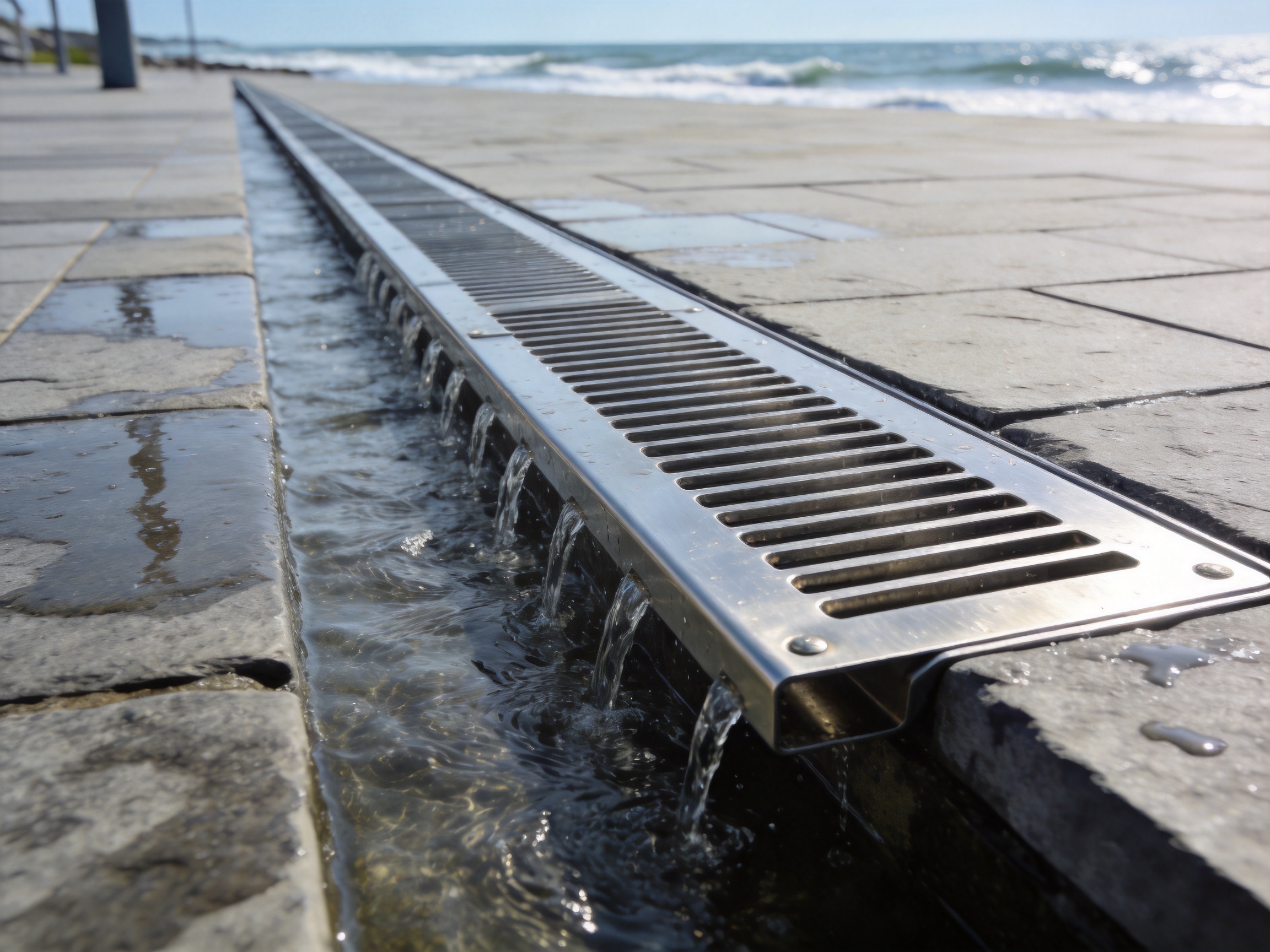
Drainage systems are often judged by visible surface components. A channel hidden beneath the ground may be strong and hydraulically efficient, but if its cover plate fails, bends, rusts, clogs, rattles, or becomes unsafe, the whole system becomes unreliable. Cover plates must therefore combine structural strength, corrosion resistance, water intake capacity, slip resistance, ease of removal, and compatibility with surrounding paving or flooring materials.
In high-humidity environments, corrosion is one of the most common reasons for premature drainage cover failure. Ordinary carbon steel can rust quickly when exposed to water, cleaning agents, deicing salts, coastal salt spray, or industrial chemicals. Once corrosion begins, the surface roughens, the appearance deteriorates, drainage slots can become blocked by rust products, and the structural thickness may gradually reduce. In public areas, rust can stain nearby stone, concrete, or tiles, creating both maintenance problems and visual defects.
Stainless steel cover plates address these issues by using corrosion-resistant alloys that form a protective chromium oxide layer on the surface. This passive film protects the metal from further oxidation. However, not all stainless steel cover plates are equal. Material grade, nickel content, molybdenum content, forming technology, welding quality, surface treatment, passivation, finishing consistency, rib design, and quality control all influence real-world service performance. A cover plate designed for an ordinary dry indoor location cannot always survive in a coastal plaza, a seafood processing plant, or a chemical drainage area.
The corrosion-resistant stainless steel cover plate discussed in this article is designed specifically for environments where ordinary covers may fail. By combining AISI 316L or 304 stainless steel, full passivation, hydrophobic finishing, laser cutting, integrated ribbing, and precision inspection, it offers an upgraded solution for drainage projects requiring durability and cleanliness.
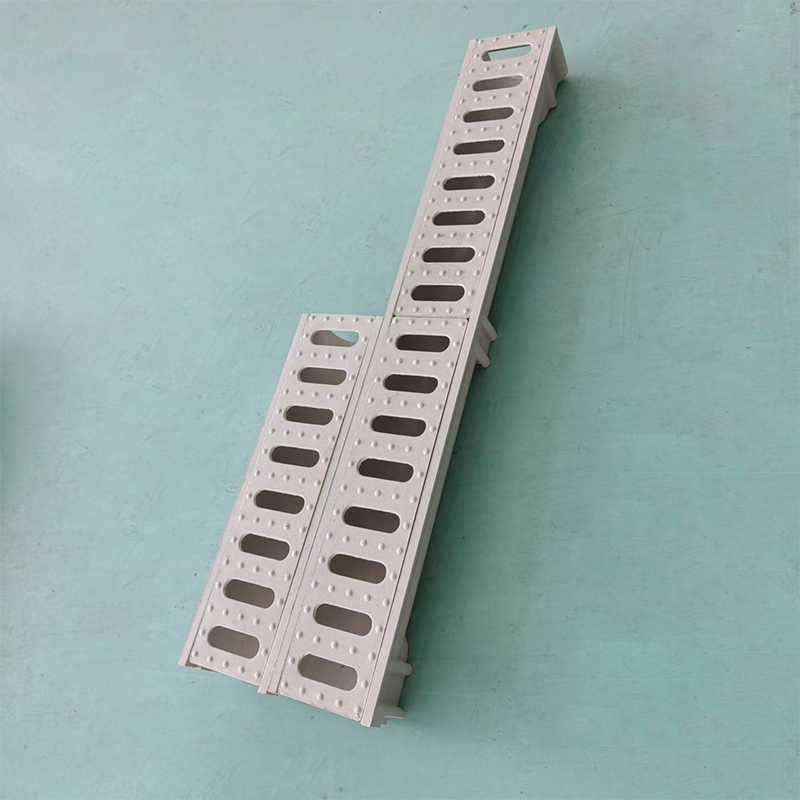
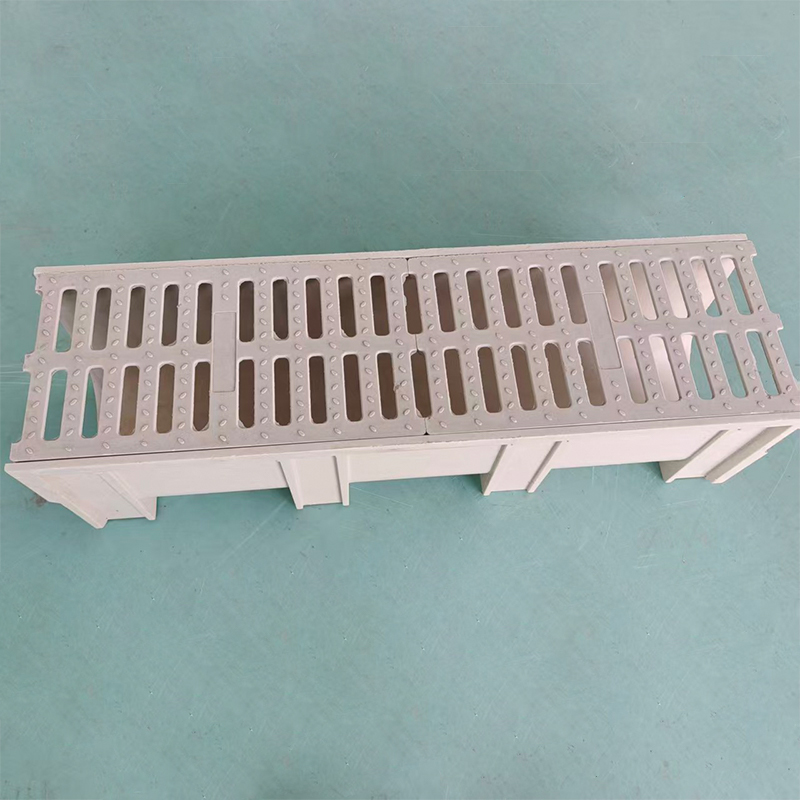
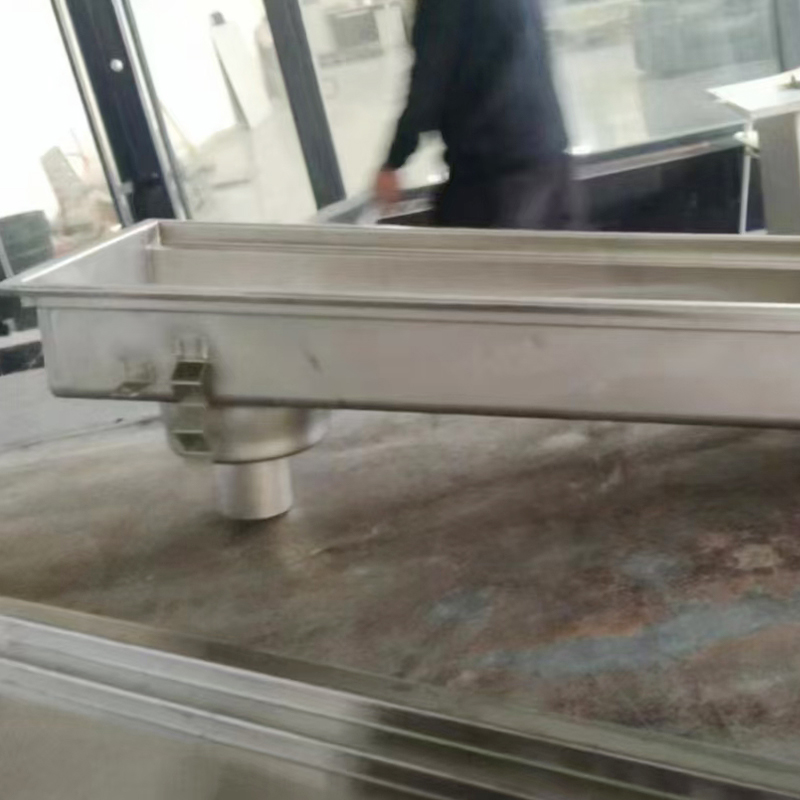
The corrosion-resistant stainless steel cover plate is a surface cover component used with drainage channels and drainage ditches. Its primary function is to allow water to enter the channel while preventing large debris, protecting pedestrians and vehicles, and maintaining a clean surface. It can be used in industrial, commercial, municipal, and architectural projects where both functional drainage and long-term appearance are important.
The product is made from high-quality stainless steel, with material options including AISI 316L and AISI 304. AISI 304 stainless steel is widely used for general corrosion resistance, hygiene, and attractive appearance. AISI 316L stainless steel provides improved resistance against chloride ions and more aggressive chemical environments due to its molybdenum content and low carbon composition. In coastal regions, marine-adjacent infrastructure, chemical zones, and areas exposed to strong cleaning agents, 316L is often the preferred choice.
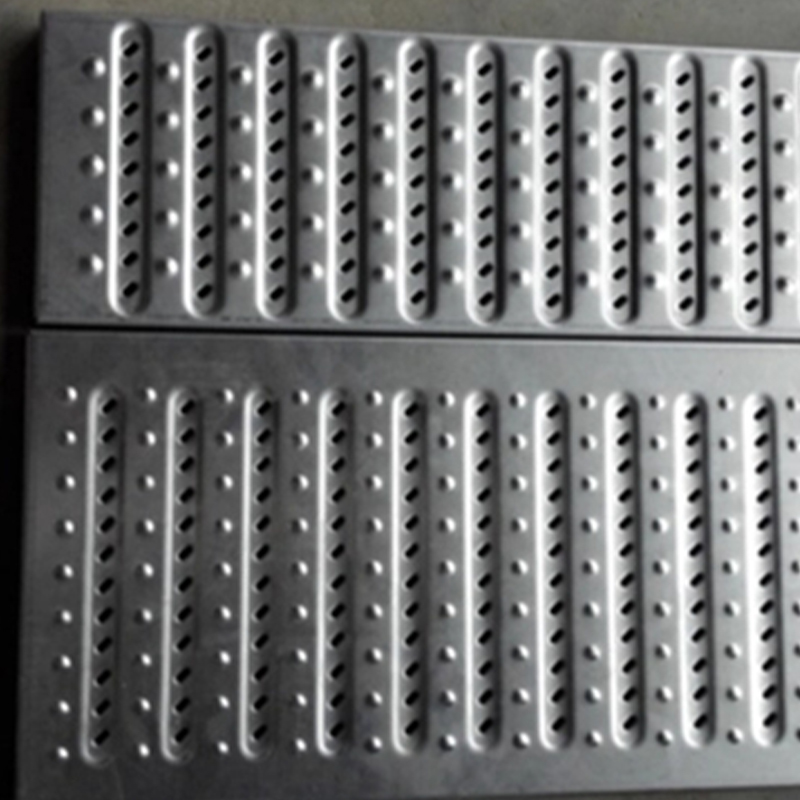
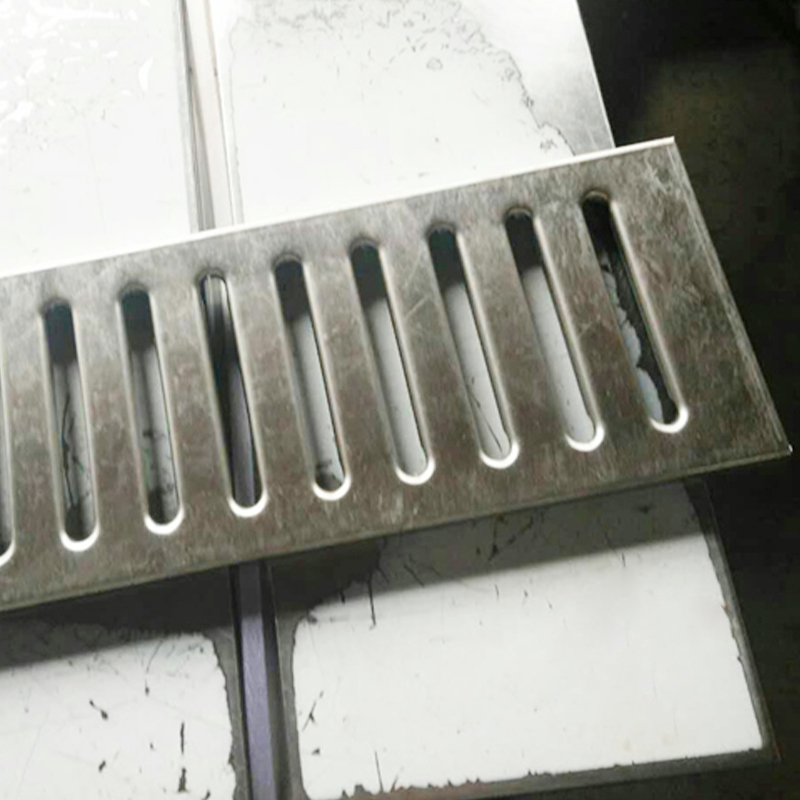
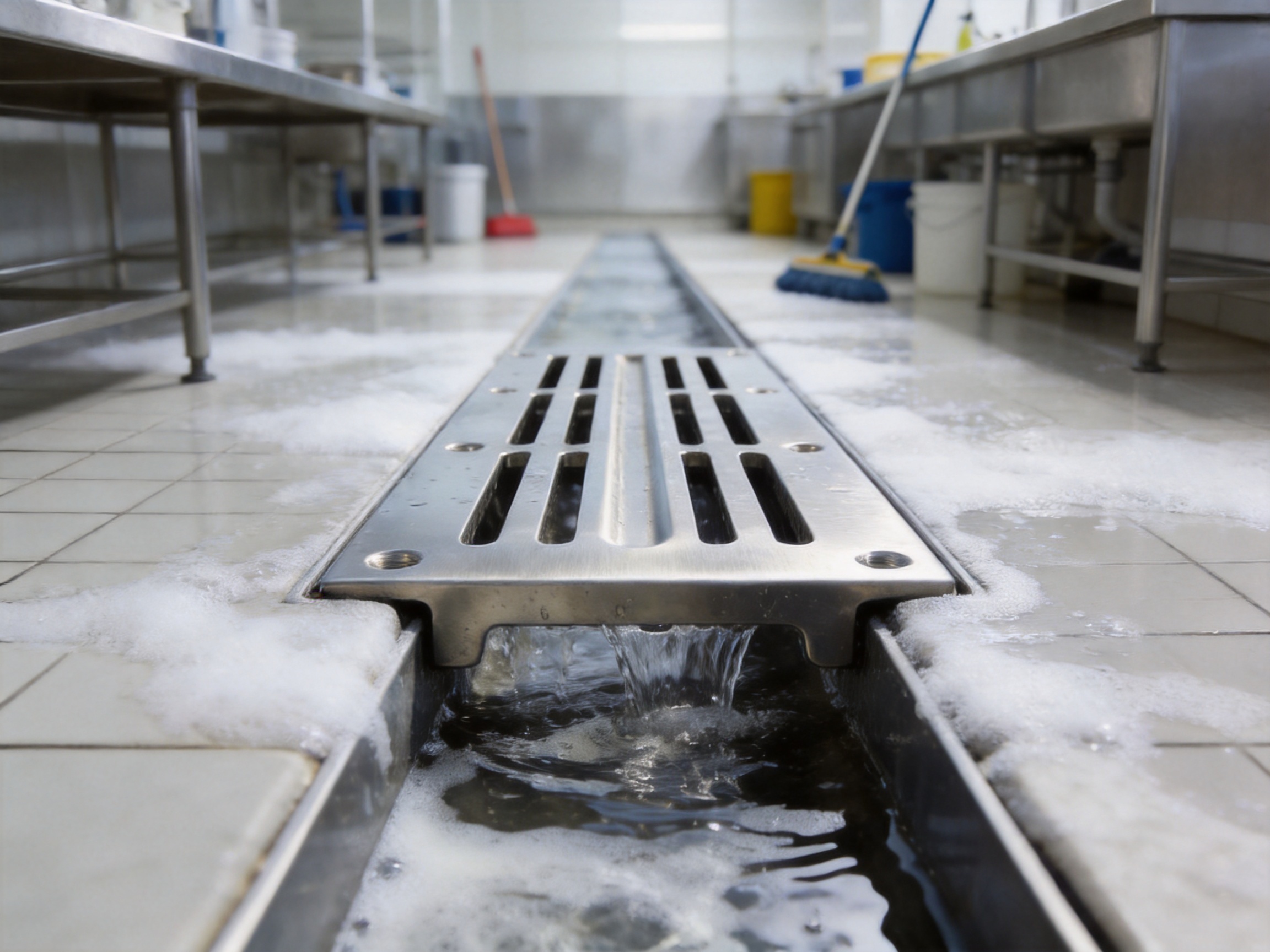
The plate can be designed with slot patterns, perforations, stamped openings, or custom water-intake geometries depending on hydraulic requirements and project aesthetics. Reinforced ribs or structural folds improve load-bearing capacity and reduce deformation. Precision laser cutting ensures accurate dimensions and clean edges, while surface passivation enhances the natural corrosion resistance of stainless steel. A hydrophobic surface finish helps reduce dirt adhesion, supports easier cleaning, and helps maintain sanitary conditions.
This type of cover plate is especially suitable for projects that demand a balance between corrosion resistance, hydraulic efficiency, safety, hygiene, and visual quality. It can be installed in public walkways, commercial buildings, industrial floors, kitchens, factories, parking areas, landscaping drainage systems, and customized drainage channel assemblies.
The foundation of a corrosion-resistant cover plate is material selection. Stainless steel is not a single material; it is a family of alloys with different compositions and performance levels. The cover plate uses high-nickel AISI 316L or 304 stainless steel, selected according to the environmental requirements of each project.
AISI 304 stainless steel is recognized for its excellent balance of strength, corrosion resistance, formability, and cost efficiency. It performs well in many indoor and outdoor drainage applications where exposure to corrosive agents is moderate. It is suitable for commercial building drainage, general public areas, landscape drainage, and many industrial environments that do not contain high concentrations of chlorides or aggressive chemicals.
AISI 316L stainless steel offers a higher level of corrosion protection. The addition of molybdenum improves resistance to pitting and crevice corrosion, especially in chloride-rich environments. The low carbon content reduces the risk of sensitization during welding or thermal processing, helping maintain corrosion resistance near welded or heat-affected zones. For coastal cities, seawater-adjacent projects, food plants using saltwater cleaning, chemical facilities, and wet industrial environments, 316L provides a clear advantage over standard materials.
High-nickel stainless steel also contributes to stable austenitic structure, improved toughness, and better resistance to certain acids and alkalis. In practical use, this means the cover plate can withstand repeated exposure to water, detergents, mild acids, alkaline cleaning agents, and humid air without rapid rusting or surface breakdown. This is particularly important for customers who want to reduce replacement cycles and maintenance costs.
Compared with lower-cost carbon steel or simple galvanized covers, stainless steel offers far better long-term value. Galvanized coatings can be scratched or worn away, exposing the base steel to corrosion. Painted surfaces may peel under traffic and cleaning. Low-grade stainless steel may show tea staining, pitting, or rust spots in coastal or chemically active environments. By using 304 or 316L stainless steel and applying professional surface treatment, the cover plate reduces these risks and supports a longer service life.
Stainless steel resists corrosion because chromium in the alloy reacts with oxygen to form a thin, stable, invisible chromium oxide film. However, manufacturing processes such as cutting, forming, grinding, welding, stamping, and handling can leave iron contamination, heat tint, or microscopic surface irregularities. If these residues are not removed, corrosion resistance may be compromised. Full passivation technology is therefore essential for a premium stainless steel cover plate.
The passivation process cleans the stainless steel surface and promotes formation of a dense protective film. This helps remove free iron and surface contaminants, allowing the stainless steel to perform according to its material potential. In salt-spray-heavy coastal regions or high-humidity industrial facilities, passivation can make the difference between a plate that remains clean and one that develops stains or pitting.
Full passivation is particularly valuable for cover plates because they contain edges, slots, openings, contact surfaces, and sometimes welded or formed sections. These areas are more vulnerable to contamination during manufacturing. A complete surface treatment approach ensures that not only the visible top face but also edges and complex geometries receive corrosion protection.
For customers, the benefit is practical: improved appearance retention, reduced rust staining, easier cleaning, and longer usable life. Passivated stainless steel cover plates also better meet the expectations of hygiene-sensitive facilities, where surface cleanliness is essential. In food processing, healthcare-related service zones, kitchens, laboratories, and clean industrial environments, a passivated stainless steel cover plate supports compliance with strict maintenance and sanitation requirements.
A drainage cover plate must resist bending, vibration, repeated traffic, impact, and fatigue. A visually attractive stainless steel panel is not sufficient if it deforms under use. The corrosion-resistant stainless steel cover plate uses reinforced structural design to combine hydraulic efficiency with load-bearing strength.
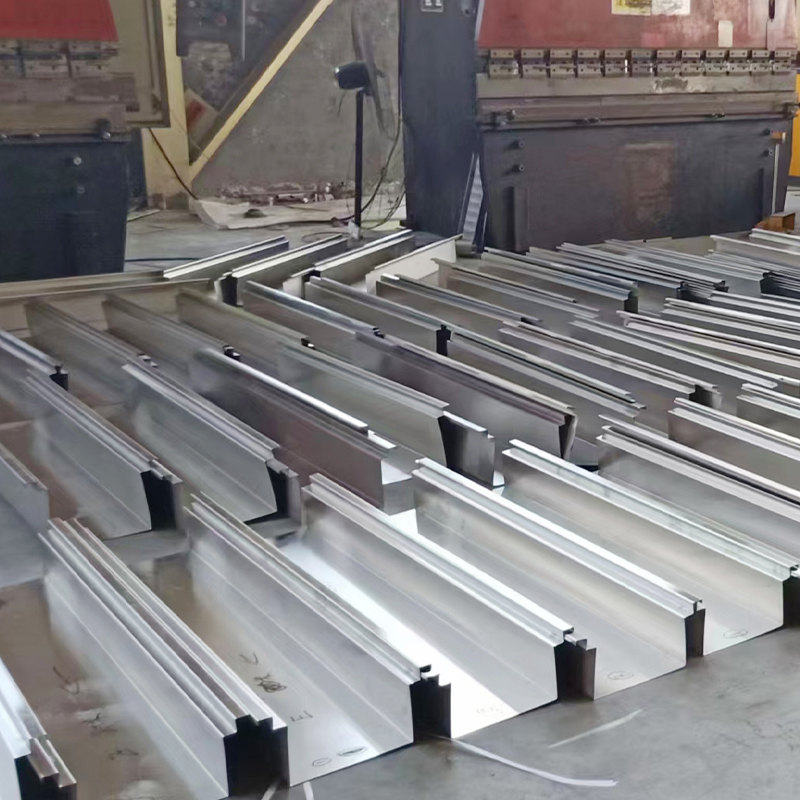
Integrated ribbing, folded edges, reinforced channels, or structural profiles can be incorporated into the plate design. These reinforcement methods increase stiffness without unnecessarily increasing material thickness. A stiffer plate helps distribute loads more effectively across the channel body, reduces deflection, minimizes noise during traffic, and improves long-term safety.
Precision laser cutting enables accurate slot geometry and consistent dimensions, while forming and ribbing processes add mechanical strength. The result is a cover plate that can support pedestrian traffic, carts, light-duty vehicles, or heavier project-specific loads depending on design specifications. By resisting creep and fatigue, the plate maintains its shape even under repeated loading cycles.
Competitor products sometimes rely only on flat sheet thickness to achieve strength. This can increase cost and weight while still leaving the plate vulnerable to deformation if the design lacks structural logic. In contrast, ribbed and engineered stainless steel cover plates use geometry to enhance stiffness. This design approach improves the strength-to-weight ratio and makes installation, removal, and maintenance easier.
Structural design also affects hydraulic performance. Slots and openings must be large enough and properly distributed to allow efficient water intake, but not so large that they weaken the plate or create safety hazards. A refined design balances open area, load capacity, slip performance, and debris control. This is one of the key differences between an engineered cover plate and a simple perforated sheet.
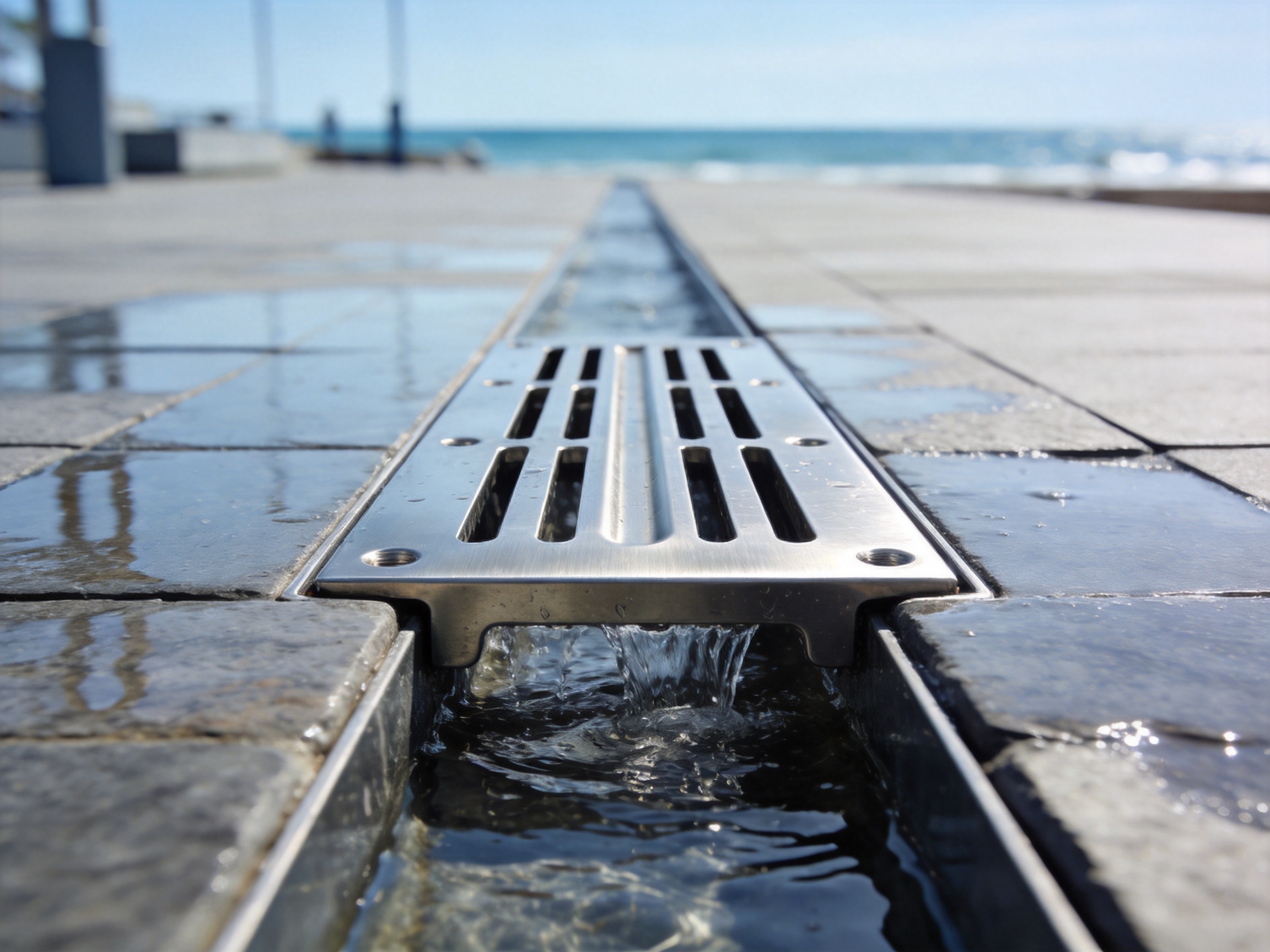
The primary purpose of a drainage channel cover is to allow water to enter the drainage system quickly and safely. In heavy rain, wash-down operations, industrial cleaning, or wet production zones, water must be captured efficiently to prevent ponding, slipping hazards, contamination spread, or damage to surrounding surfaces.
The stainless steel cover plate can be manufactured with slot patterns and opening layouts designed for high hydraulic efficiency. Precision cutting ensures that openings are consistent, smooth, and correctly positioned. This consistency helps water flow evenly into the channel and reduces the risk of localized blockage.
Hydraulic efficiency depends on several factors: opening area, slot direction, surface profile, channel width, flow rate, slope, debris load, and the way the cover interacts with the channel body. The reinforced design allows the plate to maintain adequate open area while preserving structural strength. This makes it suitable for areas where fast water removal is needed without compromising safety.
In food processing areas, kitchens, and industrial wash-down zones, water mixed with residues must move quickly into the drainage channel. A poorly designed cover can trap debris, slow discharge, and increase cleaning time. A smooth stainless steel surface with optimized openings reduces these problems. In public plazas and landscaped areas, rapid drainage helps protect paving materials and improve pedestrian comfort after rainfall.
Compared with cast covers that may have rough surfaces or inconsistent openings, precision stainless steel plates offer cleaner geometry and better predictability. Compared with plastic or resin covers, stainless steel provides stronger dimensional stability under temperature changes and mechanical stress. Compared with ordinary steel covers, it resists corrosion that could reduce opening size over time. These advantages contribute to dependable drainage performance throughout the product life cycle.
Hygiene is increasingly important in drainage design. Drainage systems are often located where water, organic matter, oils, dust, chemicals, and cleaning agents accumulate. If the cover plate surface traps dirt or supports bacterial growth, it can become a sanitation concern. The corrosion-resistant stainless steel cover plate addresses this through material selection, smooth finishing, and hydrophobic surface treatment.
Stainless steel is widely used in sanitary environments because it is non-porous, durable, and easy to clean. When properly finished, it does not absorb moisture or residues. The hydrophobic finish helps minimize dirt adhesion and makes wash-down easier. Water tends to move across the surface more readily, carrying away loose contaminants and reducing the time required for cleaning.
In commercial kitchens, food factories, beverage plants, pharmaceutical service areas, and public hygiene zones, easier cleaning can significantly reduce maintenance labor. It can also help prevent odor development and reduce the accumulation of biofilm. While no surface is entirely maintenance-free, a hydrophobic stainless steel surface supports a cleaner environment compared with rough cast iron, corroded steel, porous concrete, or low-quality resin materials.
The surface finish also contributes to appearance. Stainless steel has a bright, modern look that suits commercial architecture and premium public spaces. Because corrosion stains are reduced, surrounding floors and paving remain cleaner. The combination of aesthetics and hygiene makes the product suitable for projects where visible drainage components must match the quality of the overall design.
The quality of a stainless steel cover plate depends on disciplined manufacturing. Advanced processes are essential to ensure that every plate meets requirements for size, strength, corrosion resistance, appearance, and installation compatibility. Jiangsu Yameng Traffic Road Facilities Co., Ltd. applies practical production experience from drainage ditch manufacturing, cover plate fabrication, GRC customization, mold design, CNC engraving, and construction support to deliver reliable products.
The process begins with material selection. Stainless steel sheets or plates are chosen according to grade, thickness, surface condition, and project requirements. Material certificates may be checked to confirm composition and grade. For corrosive environments, 316L can be selected; for general applications, 304 may be sufficient. Selecting the correct grade at the beginning prevents costly performance issues later.
Next, engineering design is prepared. Product dimensions, slot patterns, rib structures, load requirements, channel compatibility, installation method, edge style, and drainage efficiency are reviewed. CAD drawings guide production and help ensure that the cover plate fits the drainage ditch accurately. For custom projects, design coordination can include channel body dimensions, surrounding paving height, maintenance access, and special aesthetic requirements.
Precision laser cutting is then used to create accurate profiles and openings. Laser cutting provides clean edges, repeatable dimensions, and flexible pattern design. Compared with rough mechanical cutting, laser processing reduces burrs and improves appearance. It also allows the manufacturer to produce complex slot designs or customized shapes for specific architectural and hydraulic needs.
After cutting, forming and reinforcement processes are applied. Depending on the design, the plate may be bent, stamped, ribbed, or reinforced to improve stiffness. Integrated ribbing increases resistance to deflection while keeping the plate manageable in weight. Forming accuracy is critical because uneven shapes can cause rocking, noise, or poor fit during installation.
Edges and openings are refined to remove sharp burrs and improve safety. Surface finishing may include brushing, polishing, cleaning, or other treatments according to customer requirements. The objective is to achieve a surface that is attractive, easy to clean, and suitable for passivation. In drainage applications, edge quality is especially important because workers may remove and reinstall covers during maintenance.
Passivation follows surface preparation. The stainless steel surface is treated to remove contaminants and enhance the protective oxide film. Proper rinsing and drying help ensure that no harmful residues remain. This stage is essential for corrosion resistance, especially in chloride-rich and humid environments.
Finally, inspection and packaging are performed. Dimensions, flatness, surface quality, slot consistency, reinforcement quality, and overall appearance are checked. For project requirements, load tests, corrosion resistance references, or sample confirmations may be arranged. Packaging protects the cover plates during transport and helps prevent surface scratches before installation.
One of the strengths behind this stainless steel cover plate is the manufacturer’s broad experience in drainage systems rather than isolated sheet-metal fabrication. A cover plate must work with the drainage channel, construction conditions, and long-term maintenance requirements. Because the company produces a wide range of drainage ditch products and cover plates, it understands how the cover interacts with channel bodies, slopes, bedding, paving, and site use.
The company’s product range includes linear drainage ditches, finished drainage ditches, polymer-based drainage ditches, slot drainage ditches, U-shaped drainage ditches, ductile iron cover plates, stainless steel stamped cover plates, steel gratings, resin concrete cover plates, resin composite manhole covers, stainless steel manhole covers, ductile iron manhole covers, drainage pipes, PE pipes, and related products. This wide product platform supports integrated drainage solutions rather than one-size-fits-all supply.
The GRC series is supported by professional designers, mold designers, CNC engravers, and an experienced production and construction technical team. Although GRC products differ from stainless steel cover plates, the same project-oriented capabilities are valuable: detailed design, drawing preparation, mold making, production control, on-site construction support, and after-sales service. This technical culture supports customization and problem solving for complex projects.
Convenient transportation and waterway access in Nantong, Jiangsu Province, further strengthen delivery capability. For customers purchasing wholesale drainage ditch products and cover plates, stable logistics can influence project schedules. The ability to support both domestic and international markets reflects production organization, product range, and export-oriented service awareness.
The company emphasizes integrity and quality as its foundation. In practical terms, this means focusing on suitable material selection, consistent processing, careful inspection, customer communication, and responsive service. For infrastructure and construction buyers, reliability is not only a matter of product design; it is also a matter of supplier discipline.
The following table summarizes how corrosion-resistant stainless steel cover plates compare with several common alternatives. Actual performance depends on grade, design, thickness, production quality, installation, and environment, but the comparison highlights typical advantages.
| Cover Plate Type | Main Strengths | Common Limitations | Relative Advantage of Corrosion-Resistant Stainless Steel |
|---|---|---|---|
| Galvanized Steel Cover | Low initial cost, acceptable strength for general use | Coating can wear or scratch; rust may develop in humid or chemical environments | Better long-term corrosion resistance, cleaner appearance, reduced replacement frequency |
| Cast Iron Cover | High compressive strength, traditional municipal use | Heavy, may rust, rough appearance, harder to handle during maintenance | Lighter handling, modern appearance, improved hygiene, excellent corrosion resistance |
| Plastic or Resin Cover | Lightweight, corrosion-free in some environments | May have lower heat resistance, lower rigidity, aging under UV or heavy load | Higher temperature stability, stronger structural performance, premium appearance |
| Low-Grade Stainless Steel Cover | Moderate corrosion resistance, attractive at first installation | Can pit, stain, or rust in chloride-heavy conditions if material and passivation are inadequate | 304 or 316L selection with full passivation provides stronger environmental durability |
| Corrosion-Resistant Stainless Steel Cover Plate | High corrosion resistance, hygienic surface, precise openings, reinforced design | Higher initial investment than basic steel covers | Lower life-cycle maintenance, longer service life, better performance in demanding environments |
The key advantage is life-cycle value. A cheaper cover may appear attractive during procurement, but if it rusts, deforms, stains surrounding surfaces, requires frequent cleaning, or must be replaced early, the total cost becomes higher. A premium stainless steel cover plate is designed to reduce these hidden costs.
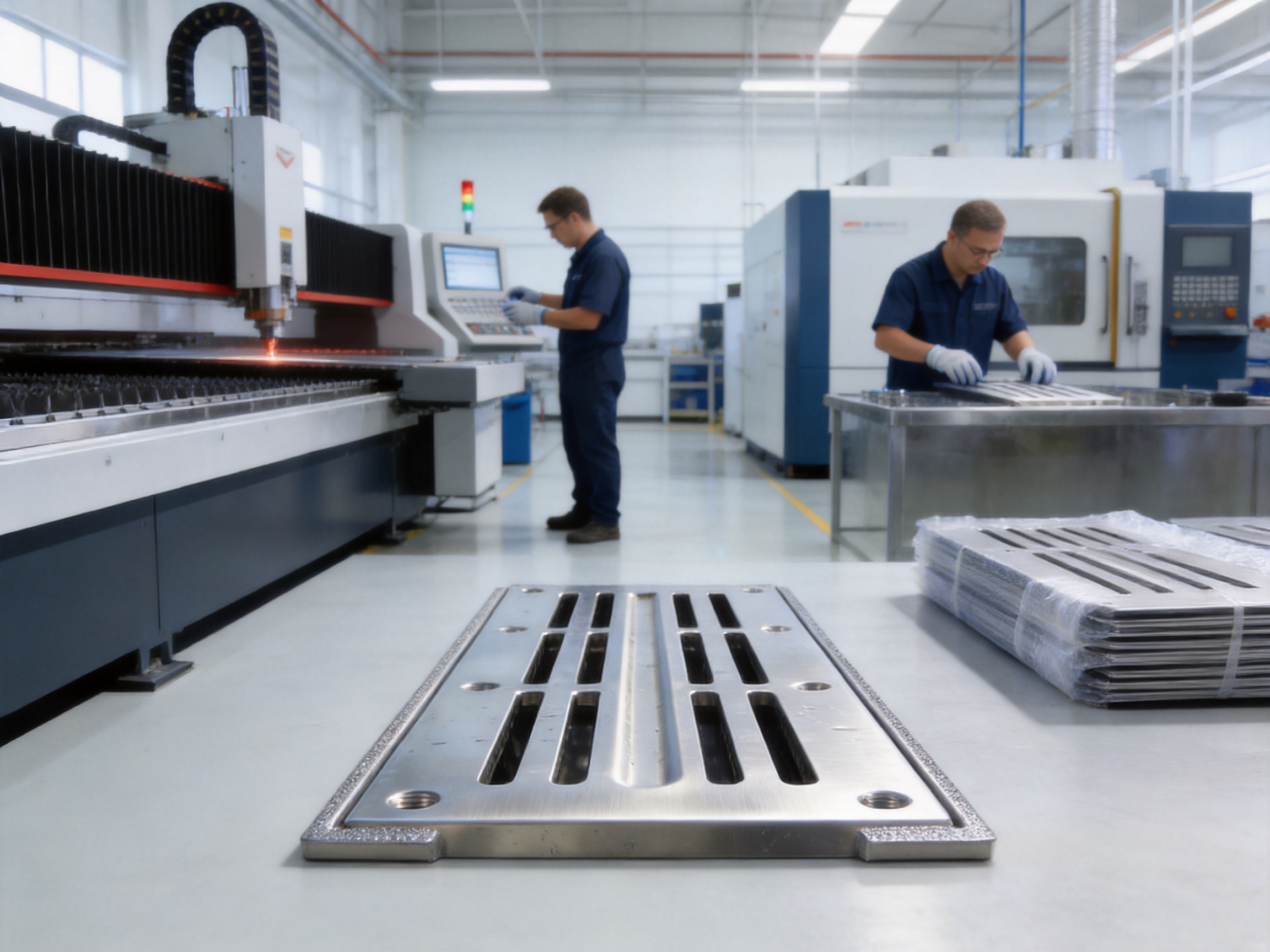
Coastal infrastructure is one of the most important applications for corrosion-resistant stainless steel cover plates. Salt spray, humid air, rainwater, and chloride exposure can accelerate corrosion of ordinary metals. In seaside promenades, ports, waterfront plazas, coastal hotels, marine parks, and near-shore commercial districts, 316L stainless steel with full passivation offers strong protection against pitting and staining.
Chemical and industrial facilities also benefit from upgraded stainless steel cover plates. Drainage areas in workshops may encounter acids, alkalis, solvents, cleaning solutions, oils, and process residues. While material compatibility should always be checked for specific chemicals, stainless steel often provides a much more durable option than ordinary carbon steel. Its smooth surface also helps prevent residue accumulation.
Food and beverage facilities require drainage components that are durable, washable, and hygienic. Cover plates are exposed to frequent cleaning, hot water, detergents, organic residues, salts, and mechanical traffic from carts or equipment. A hydrophobic stainless steel surface supports easy wash-down and reduces dirt adhesion. Reinforced structural design helps the plate withstand repeated movement of trolleys or production equipment.
Commercial kitchens, hotels, supermarkets, and public dining areas need drainage covers that are safe, clean, and visually acceptable. Stainless steel is widely recognized in these settings for its sanitary appearance and cleaning convenience. The corrosion-resistant cover plate can be used around floor drains, trench drains, service corridors, dishwashing areas, and preparation zones.
Urban public spaces and architectural drainage projects often require a balance between performance and design. Stainless steel cover plates can complement stone paving, concrete surfaces, tiles, and modern building materials. Precision openings create a neat visual rhythm, while corrosion resistance protects long-term appearance. For plazas, pedestrian streets, shopping centers, airports, railway stations, parks, and building entrances, this combination is valuable.
Industrial logistics zones, parking facilities, and maintenance areas require strength and durability. Reinforced stainless steel plates can be designed for project-specific load requirements and environmental exposure. In places where cleaning chemicals, rainwater, or vehicle runoff are present, corrosion-resistant design improves reliability.
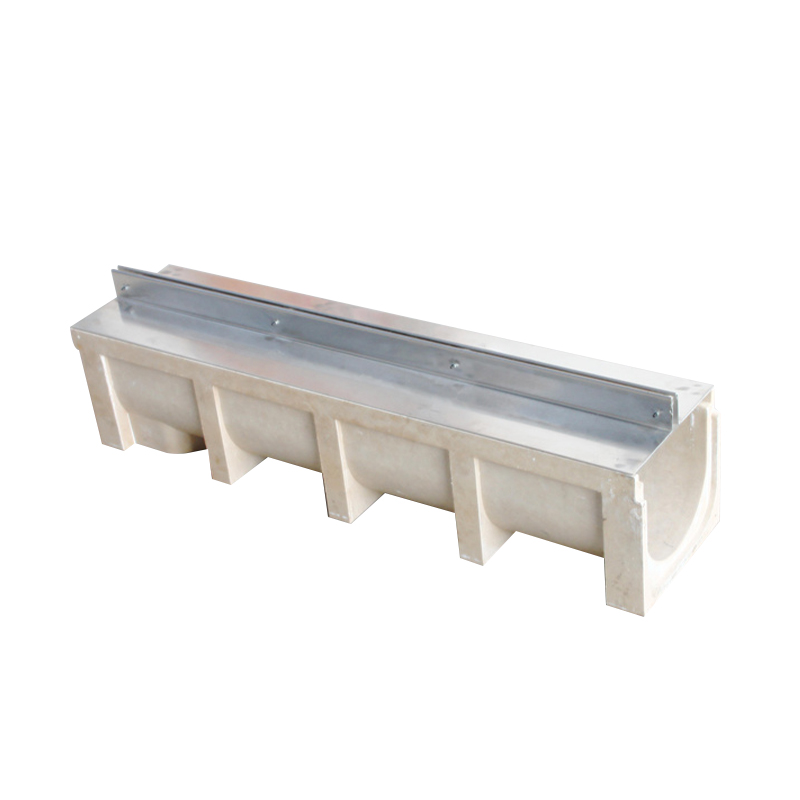
A cover plate performs best when matched with the correct drainage channel. The product can be integrated with linear drainage ditches, finished drainage ditches, polymer-based drainage ditches, slot drainage ditches, and U-shaped drainage ditches. Each system has different requirements for width, depth, flow capacity, installation height, locking method, and surface finish.
Linear drainage systems are widely used where water must be collected along a continuous line. Stainless steel cover plates provide a clean surface and efficient intake openings. In pedestrian areas, slot size and anti-slip considerations are important. In industrial areas, load and chemical resistance may be more important.
Finished drainage ditches often require covers that fit accurately without additional modification. Precision manufacturing supports consistent installation and reduces construction time. Good dimensional control helps prevent rocking, gaps, or uneven transitions between the cover and surrounding floor.
Polymer-based drainage channels and resin concrete channels are commonly used because of their smooth interior surfaces and strong hydraulic performance. Stainless steel cover plates can complement these channels by providing a durable, corrosion-resistant top surface. The combination can be especially useful in commercial and industrial settings.
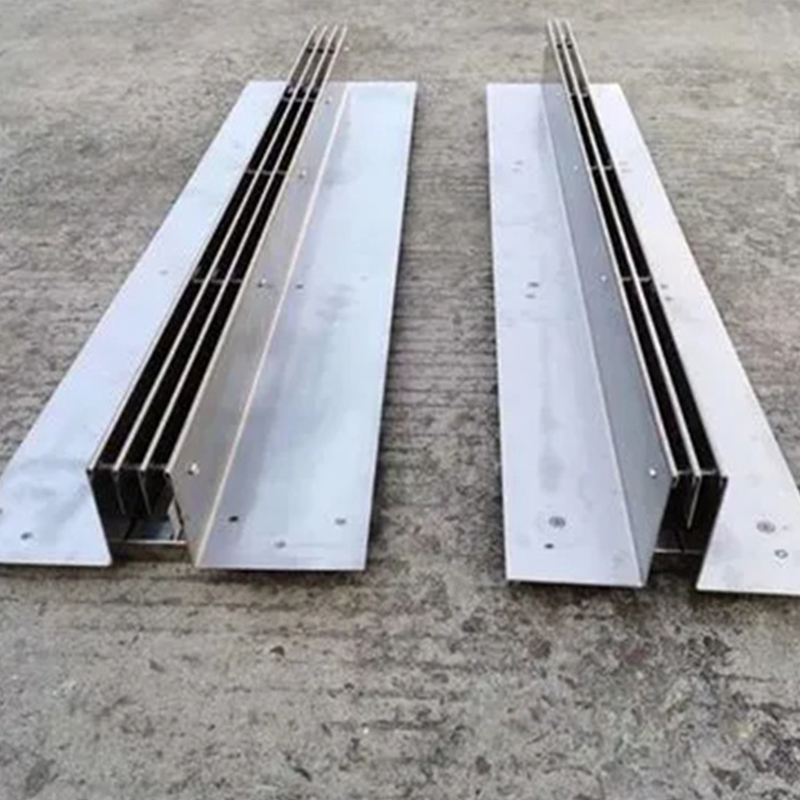
Slot drainage systems are selected when minimal visible openings are desired. Stainless steel cover plates or slot covers can be customized to support architectural requirements while maintaining water intake. For high-end projects, visual integration may be just as important as drainage capacity.
U-shaped drainage ditches can serve industrial, municipal, and landscape functions. Stainless steel covers can be designed to match the channel width and loading requirement. A properly fitted cover improves safety, prevents debris entry, and allows maintenance access.
Drainage projects often require customization because site conditions vary widely. The stainless steel cover plate can be customized in dimensions, opening patterns, material grade, thickness, reinforcement style, surface finish, edge profile, and installation method. This flexibility allows the product to meet functional and aesthetic requirements across different markets.
Opening patterns can be designed for hydraulic capacity, debris control, heel safety, cart movement, or architectural appearance. Long slots may be suitable for rapid drainage, while smaller perforations may be used where pedestrian safety or fine debris control is important. Patterns can also be coordinated with surrounding design elements.
Thickness and reinforcement can be adjusted according to expected load. A pedestrian plaza does not require the same design as an industrial workshop or vehicle access area. By using integrated ribs or formed reinforcement, the product can achieve necessary stiffness while controlling weight.
Surface finish can be selected according to environment and appearance requirements. Brushed stainless steel provides a modern look and can help hide minor scratches. Smooth polished surfaces may be desirable for certain sanitary or decorative applications. Hydrophobic treatment improves cleanability and helps maintain appearance.
Material grade selection is a major customization point. 304 stainless steel may be appropriate for many general applications. 316L stainless steel is recommended for higher corrosion risk, especially where chlorides, salts, and aggressive cleaning agents are present. The correct choice depends on environmental assessment and project budget.
Installation features such as lifting holes, anti-theft fasteners, locking systems, rubber seating strips, edge supports, or frame compatibility can also be considered. These details improve usability and safety during long-term maintenance.
Quality control is essential because small defects in a cover plate can lead to real problems after installation. A plate that is slightly warped may rock under foot traffic. Poorly cut openings may trap debris or create sharp edges. Inadequate surface treatment may lead to rust spots. Weak reinforcement may cause bending. A disciplined inspection process prevents these issues.
Dimensional inspection verifies length, width, thickness, slot size, hole position, and edge geometry. Consistent dimensions help the cover fit the drainage channel properly and maintain an even surface with surrounding flooring. Flatness inspection helps reduce noise and instability.
Surface inspection checks scratches, burrs, stains, heat marks, contamination, and finishing consistency. Stainless steel surfaces must be handled carefully because iron contamination from tools or worktables can cause later rust staining. Clean processing and passivation are important parts of surface quality.
Load performance can be assessed according to project requirements. Different applications may require different load classes or custom load verification. Reinforced structural design must be matched to real use conditions. For heavy-duty areas, engineering review is necessary to ensure safe performance.
Corrosion resistance can be supported through material certification, passivation process control, and, when needed, salt spray or environmental reference testing. While laboratory tests cannot perfectly reproduce all real environments, they provide useful information about surface treatment and material behavior.
Packaging inspection is also important. Stainless steel can be scratched during transport if improperly stacked or protected. Suitable packaging helps preserve the finished surface before installation. For export projects, packaging must consider longer transportation routes and handling conditions.
Correct installation is necessary to realize the full benefits of the stainless steel cover plate. The channel body should be installed level and properly supported. The cover seat should be clean, stable, and accurately aligned. Uneven support can cause localized stress, noise, or deformation.
During installation, workers should avoid dragging stainless steel plates across rough surfaces. Protective films, if used, should be removed according to project timing to prevent adhesive residue. Tools used near stainless steel should be clean and should not introduce carbon steel particles onto the surface.
The cover plate should sit securely without excessive movement. If the project requires anti-theft or anti-vibration fastening, suitable locking mechanisms or seating materials should be used. In public areas, stable seating improves safety and user comfort.
Maintenance is straightforward but still necessary. Regular wash-down with clean water and mild detergent can preserve appearance. In coastal or chemical environments, more frequent cleaning may be useful to remove salt deposits or chemical residues. Avoid using harsh abrasive tools that may scratch the surface. If strong chemicals are used nearby, compatibility should be checked.
Drainage slots should be inspected periodically to remove leaves, sediment, food waste, or industrial debris. Even a high-quality cover plate requires clear openings to maintain hydraulic efficiency. Removable cover design allows channel cleaning when needed.
If minor staining occurs, it should be treated early using suitable stainless steel cleaning methods. Avoid carbon steel brushes or contaminated tools. Proper maintenance will extend the service life and preserve the hygienic appearance of the cover plate.
Premium stainless steel cover plates usually require a higher initial investment than basic galvanized steel or low-grade alternatives. However, procurement decisions should consider the full life-cycle cost, not only the purchase price. A cover that lasts longer, requires less maintenance, preserves appearance, and reduces replacement interruptions can be more economical over time.
Replacement costs include more than the cover plate itself. They may involve labor, project downtime, traffic control, floor repair, cleaning, disposal, and business disruption. In food factories, hotels, commercial centers, or industrial plants, maintenance interruptions can be expensive. A corrosion-resistant stainless steel cover plate reduces the likelihood of premature replacement.
Appearance-related costs are also important. Rust stains on surrounding stone, tile, concrete, or resin flooring can be difficult to remove. In public or commercial spaces, poor appearance can reduce perceived quality. Stainless steel with passivation helps maintain a clean look and protects the value of the built environment.
Hygiene-related benefits also translate into economic value. Easier cleaning reduces labor time. Reduced dirt adhesion and improved wash-down performance support sanitation routines. For facilities with strict hygiene requirements, reliable drainage surfaces can help reduce operational risk.
Structural durability contributes further savings. A plate that resists bending, fatigue, and creep will require fewer repairs and adjustments. It will also reduce safety concerns related to uneven surfaces or unstable covers. In public infrastructure, safety and reliability are major economic factors.
Stainless steel is a durable and recyclable material. Its long service life supports sustainable construction by reducing replacement frequency and material waste. Although stainless steel requires energy to produce, its longevity and recyclability can make it a responsible choice for demanding environments where lower-grade products would need repeated replacement.
Corrosion resistance also reduces environmental impact associated with rust removal, repainting, coating repair, and disposal of failed components. Because the cover plate does not rely on a temporary paint layer or sacrificial coating for its main corrosion resistance, it can perform for a long period with proper maintenance.
Precision manufacturing contributes to sustainability by reducing material waste. Laser cutting, CAD-based design, and optimized reinforcement allow efficient use of stainless steel. Custom production helps avoid unnecessary oversizing while still meeting performance requirements.
In drainage projects, sustainable performance also means protecting surrounding infrastructure from water damage. Efficient drainage reduces standing water, surface deterioration, and maintenance needs. A durable cover plate is therefore part of a broader sustainable drainage strategy.
Jiangsu Yameng Traffic Road Facilities Co., Ltd. is positioned as a manufacturer and supplier of drainage ditch and cover plate products, with services covering both standard production and customized project support. Its location in Group 12, Quanxin Village, Donghai Town, Qidong City, Nantong City, Jiangsu Province, China, provides practical transportation advantages for production distribution.
The company’s broad product catalog allows buyers to coordinate multiple drainage and road facility products from one source. This can simplify procurement for contractors, distributors, municipal projects, commercial developers, industrial facilities, and overseas buyers. Instead of sourcing channels, covers, manhole covers, and related drainage products from multiple suppliers, customers can work with a manufacturer familiar with integrated system requirements.
Its GRC series capabilities show additional technical depth. Professional designers, mold designers, CNC engravers, and experienced production and construction teams support detailed design, drawings, mold creation, production, on-site construction, and after-sales service. This project service model is valuable for customized drainage and architectural components where standard products may not fully satisfy site conditions.
The company’s commitment to research and development helps it respond to changing market requirements. Modern drainage projects increasingly demand corrosion resistance, better aesthetics, easier installation, higher load capacity, and improved sustainability. Product development focused on these needs supports long-term competitiveness.
Integrity, responsibility, focus, and innovation are stated values that align with the needs of infrastructure customers. Drainage products are installed into buildings and civil works for long-term use; therefore, trust in material quality, dimensional accuracy, and service support is essential. The corrosion-resistant stainless steel cover plate reflects these strengths through its material selection, manufacturing process, surface treatment, and application versatility.
The first competitive advantage is corrosion resistance. By using 304 or 316L stainless steel and full passivation, the cover plate is designed to perform in environments where ordinary steel, galvanized covers, or low-grade stainless alternatives may fail. This is particularly important in coastal, chemical, and high-humidity applications.
The second advantage is structural engineering. Integrated ribbing and precision forming provide strength without relying solely on excessive thickness. This gives the cover plate a strong balance between load capacity, weight, installation convenience, and fatigue resistance.
The third advantage is manufacturing accuracy. Laser cutting provides consistent openings and clean edges. Accurate dimensions improve fit, reduce site adjustment, and support smooth installation. In drainage systems, millimeters matter; a poorly fitted cover can cause noise, instability, and safety problems.
The fourth advantage is hygienic performance. Hydrophobic finishing and smooth stainless steel surfaces help reduce dirt adhesion and make wash-down easier. Competitor covers with rough cast surfaces, corroded coatings, or porous materials may require more cleaning and may retain residues.
The fifth advantage is customization. The ability to adapt dimensions, material grade, slot pattern, reinforcement style, and finish allows the product to serve diverse project requirements. Customers can choose a cover plate suited to their operating environment rather than accepting a generic option.
The sixth advantage is integrated manufacturer capability. Because the company produces drainage ditches, cover plates, manhole covers, pipes, GRC products, and related facilities, it understands the full drainage system. This helps ensure better compatibility and more practical project support.
It is suitable for high-humidity, corrosive, sanitary, and visually demanding environments, including coastal areas, chemical plants, food-processing facilities, commercial kitchens, public plazas, industrial workshops, hotels, shopping centers, parks, and urban drainage projects.
304 stainless steel is suitable for many general drainage applications and offers good corrosion resistance. 316L stainless steel provides stronger resistance to chloride ions, pitting, and aggressive environments, making it preferable for coastal, marine-adjacent, chemical, or salt-exposed locations.
Passivation removes surface contaminants and helps form a dense protective oxide film on stainless steel. It improves corrosion resistance, reduces rust staining risk, and helps the cover plate maintain a clean appearance in humid or chloride-rich environments.
The cover plate can be designed with reinforced ribs, suitable thickness, and structural profiles to meet different load requirements. Load capacity depends on plate size, material thickness, reinforcement design, channel support, and project conditions.
Yes. Stainless steel is non-porous and easy to wash. The hydrophobic surface finish helps reduce dirt adhesion and supports faster cleaning, especially in kitchens, food factories, and industrial wash-down areas.
Yes. Slot patterns, perforations, water-intake openings, dimensions, edge styles, and surface finishes can be customized according to hydraulic, safety, aesthetic, and installation requirements.
Galvanized steel covers usually have a lower initial cost, but the zinc coating can wear or become damaged, allowing rust to form. Stainless steel cover plates provide better long-term corrosion resistance, cleaner appearance, and lower maintenance needs in demanding environments.
It depends on the application. Cast iron is strong and common in municipal use, but it is heavy and may rust. Stainless steel offers a cleaner appearance, easier handling, stronger corrosion resistance, and better hygiene, making it ideal for commercial, sanitary, coastal, and architectural drainage applications.
Regular cleaning with water and mild detergent is recommended. In coastal or chemical environments, salt and chemical residues should be removed periodically. Abrasive tools and carbon steel brushes should be avoided to prevent surface damage or contamination.
The manufacturer combines drainage system experience, stainless steel cover plate production, GRC customization capability, professional design support, CNC and mold expertise, broad product lines, and project service awareness. These strengths support reliable quality and flexible customization.
The corrosion-resistant stainless steel cover plate is an engineered drainage component designed for demanding environments where corrosion resistance, structural stability, hygiene, appearance, and long service life are essential. By using premium AISI 316L or 304 stainless steel, full passivation technology, reinforced structural design, precision laser cutting, and hydrophobic surface finishing, it provides clear advantages over ordinary galvanized steel, cast iron, plastic, resin, or low-grade stainless alternatives.
Its value is especially clear in coastal regions, chemical environments, high-humidity facilities, sanitary production areas, commercial kitchens, public plazas, and architectural drainage systems. It helps reduce maintenance, preserve surface appearance, improve cleaning efficiency, support hydraulic performance, and extend service life.
Behind the product is a manufacturer with broad experience in drainage ditch systems, cover plates, manhole covers, drainage pipes, PE pipes, GRC customization, design, mold making, CNC engraving, production, construction support, and after-sales service. This integrated capability allows the stainless steel cover plate to be supplied not as an isolated metal sheet, but as part of a complete drainage solution.
For contractors, distributors, municipal buyers, industrial users, and architectural project teams seeking a durable and high-quality drainage cover, this corrosion-resistant stainless steel cover plate offers a strong combination of material science, precision manufacturing, and practical engineering performance.
1. ASTM International. Standard Specification References for Austenitic Stainless Steel Plate, Sheet, and Strip.
2. ASM International. Stainless Steels: Properties and Performance in Corrosive Environments.
3. Nickel Institute. Practical Guidelines for the Selection of Stainless Steels in Water and Wastewater Applications.
4. International Stainless Steel Forum. Stainless Steel in Architecture, Building, and Construction.
5. American Iron and Steel Institute. Design Guidelines for Stainless Steel Drainage and Fabricated Components.
6. Food and beverage facility hygiene engineering references for cleanable stainless steel surfaces and drainage systems.
Related Products
The Artistic Facade Decorative GRC Curtain Wall Panels are designed for modern architecture seeking ...
READ MOREThe Artistic Facade Decorative GRC Curtain Wall Panels are designed for modern architecture seeking ...
READ MOREThe Artistic Facade Decorative GRC Curtain Wall Panels are designed for modern architecture seeking ...
READ MOREThe Artistic Facade Decorative GRC Curtain Wall Panels are designed for modern architecture seeking ...
READ MOREThe Artistic Facade Decorative GRC Curtain Wall Panels are designed for modern architecture seeking ...
READ MOREThe Artistic Facade Decorative GRC Curtain Wall Panels are designed for modern architecture seeking ...
READ MORE
Contact us
Factory Address
Group 12, Quanxin Village, Donghai Town, Qidong City, Nantong City, Jiangsu Province, China
phone
+86-13914963840
+86-13451754670
products
QR CODE
 Wholesale Drainage Ditch Manufacturers