 English
 Español
 عربى
عربى

The Artistic Facade Decorative GRC Curtain Wall Panels are designed for modern architecture seeking ...
READ MOREMay 21, 2026
Content
Modern roads, parking areas, industrial yards, sidewalks, and urban public spaces all depend on drainage systems that work continuously under changing weather, traffic, and maintenance conditions. A drainage channel that blocks easily can turn a well-designed site into a flooded, unsafe, and costly problem. The precast drainage channel that is not easily clogged is designed to solve this challenge by combining hydraulic efficiency, durable materials, modular installation, and practical maintenance access. It is a high-performance drainage solution for projects that require dependable water removal, long service life, and reduced maintenance pressure.
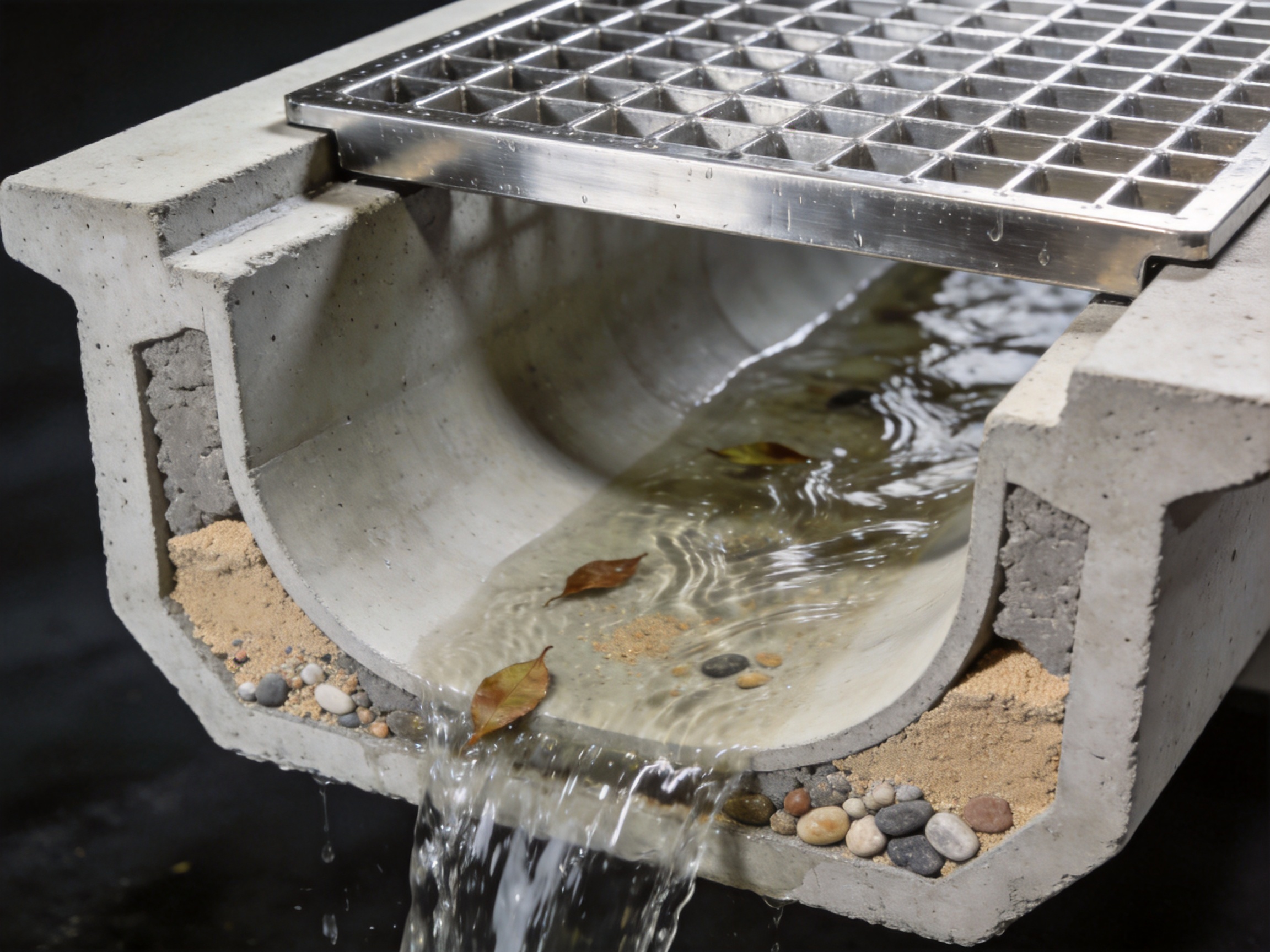
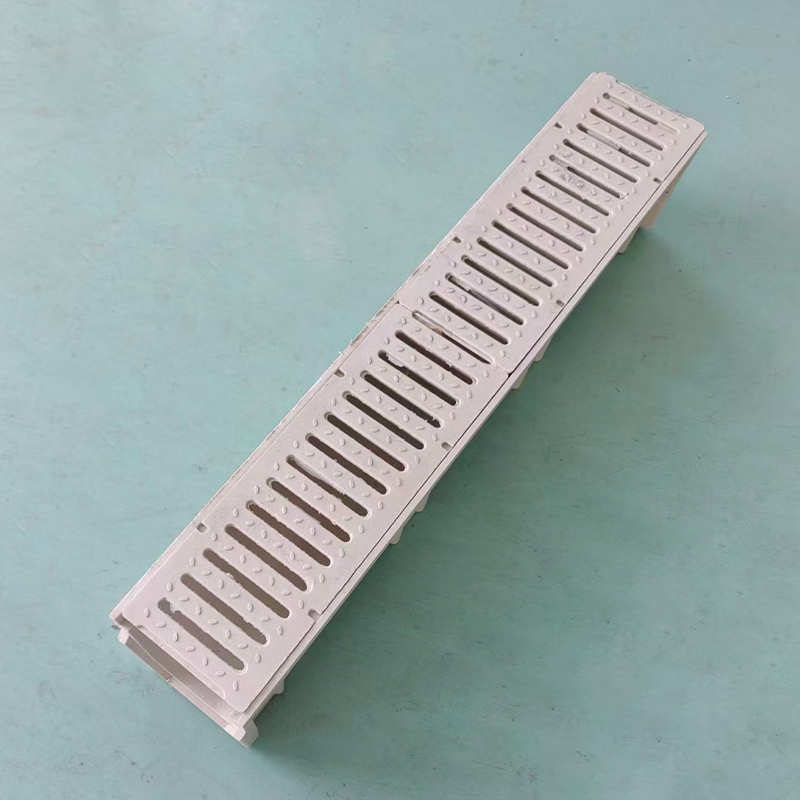
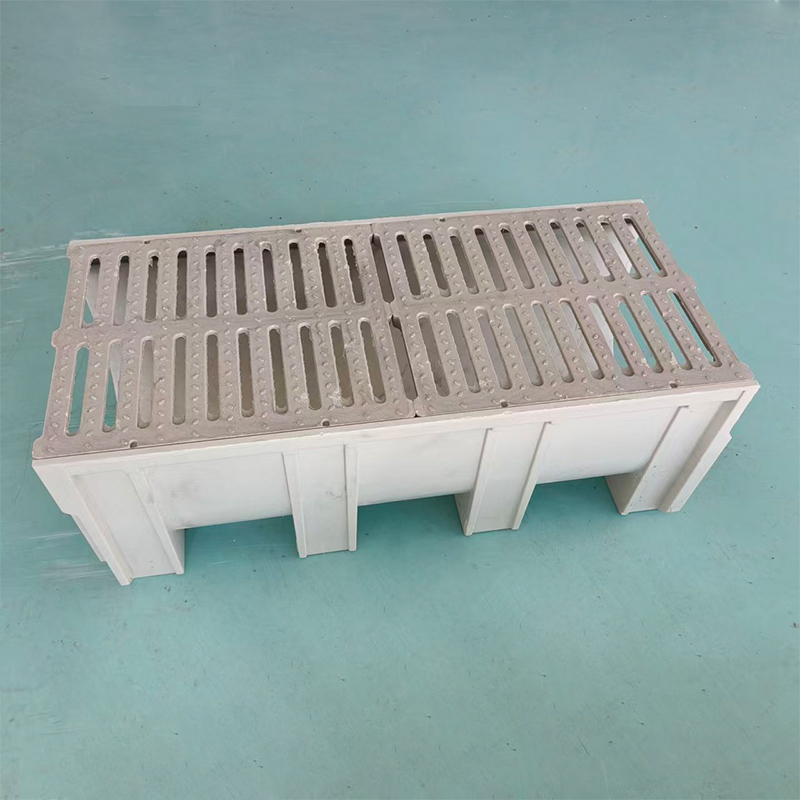
The precast drainage channel that is not easily clogged is a factory-manufactured drainage system developed for efficient collection and discharge of surface water. It is suitable for high-flow environments where rainwater, sand, leaves, small stones, construction dust, and other debris may enter the drainage line. Instead of relying only on a simple open trench or a conventional channel profile, this product uses an optimized channel shape and compatible grating structure to support smoother water movement and reduce debris accumulation.
As a precast system, each channel section is produced under controlled manufacturing conditions. This gives the product consistent dimensions, dependable structural performance, and a more stable installation experience compared with irregular on-site casting. The modular sections can be transported to the construction site, aligned quickly, connected efficiently, and placed into service with reduced labor time. For contractors, designers, municipal departments, and property owners, this means improved construction efficiency and more predictable project quality.
The product can be manufactured using reinforced concrete, polymer concrete, resin concrete, or other suitable high-strength material systems according to project demands. Cover options may include ductile iron cover plates, stainless steel stamped covers, steel gratings, resin concrete covers, and resin composite components. These options allow the drainage channel to be used in different load environments, from pedestrian walkways and landscaped areas to municipal roads, parking lots, industrial logistics zones, and service yards.
Drainage failure is rarely caused by water alone. In many projects, the real problem is the combination of water and debris. Leaves gather near curbs. Sand and soil wash into low points. Small pieces of packaging, gravel, and sediment collect inside channel corners. If the channel profile is poorly designed, these materials settle, build up, and gradually reduce flow capacity. During heavy rain, a partially blocked system can overflow quickly, causing ponding, erosion, traffic hazards, pavement damage, or building water intrusion.
The anti-clog concept of this precast drainage channel focuses on reducing the points where debris can settle and interrupt flow. A smoother inner surface, properly sloped channel bottom, compatible cover openings, and practical cleaning access all contribute to a more reliable drainage pathway. The channel does not simply collect water; it helps water keep moving. This distinction is especially important in locations with seasonal leaf fall, frequent dust, construction activity, roadside sediment, or large paved surfaces that generate high runoff.
Compared with ordinary drainage ditches, this product is designed for more stable performance over time. Many traditional channels work well when newly installed but become less effective after months of sediment buildup. A channel that resists clogging helps maintain hydraulic capacity, reduces emergency cleaning, and supports safer site operation. For public infrastructure and commercial property, lower maintenance frequency can translate into lower operating cost and fewer disruptions.
The channel profile is shaped to support continuous flow and reduce dead zones where debris often accumulates. In standard drainage trenches, flat bottoms and sharp corners can trap sediment. The improved channel configuration helps guide water toward the outlet direction, encouraging suspended particles to move with the flow rather than settle prematurely. This is particularly valuable in high-rainfall events when fast runoff must be managed quickly and safely.
A drainage channel is only as effective as the relationship between the channel body and the cover system. The cover must allow water to enter efficiently while limiting large debris and maintaining safety for pedestrians, bicycles, vehicles, and service equipment. This product can be matched with several cover plate types, including ductile iron, stainless steel stamped plates, steel gratings, resin concrete covers, and resin composite cover solutions. The cover selection can be adapted to load grade, appearance, corrosion environment, and maintenance requirements.
Factory production gives the channel sections better dimensional consistency and material control than many on-site casting methods. Mold accuracy, reinforcement placement, material mixing, curing control, and inspection procedures can be managed before shipment. This reduces the uncertainty often found in site-made drainage channels, where weather, labor skill, curing conditions, and site restrictions may affect the final result.
The channel can be produced from reinforced concrete or polymer concrete depending on the application. Reinforced concrete provides excellent compressive strength, durability, and suitability for heavy-duty municipal and industrial environments. Polymer concrete and resin concrete options can provide smoother inner surfaces, lower water absorption, and improved chemical resistance. The choice of material allows engineers and buyers to match the product to traffic load, drainage volume, environmental exposure, and project budget.
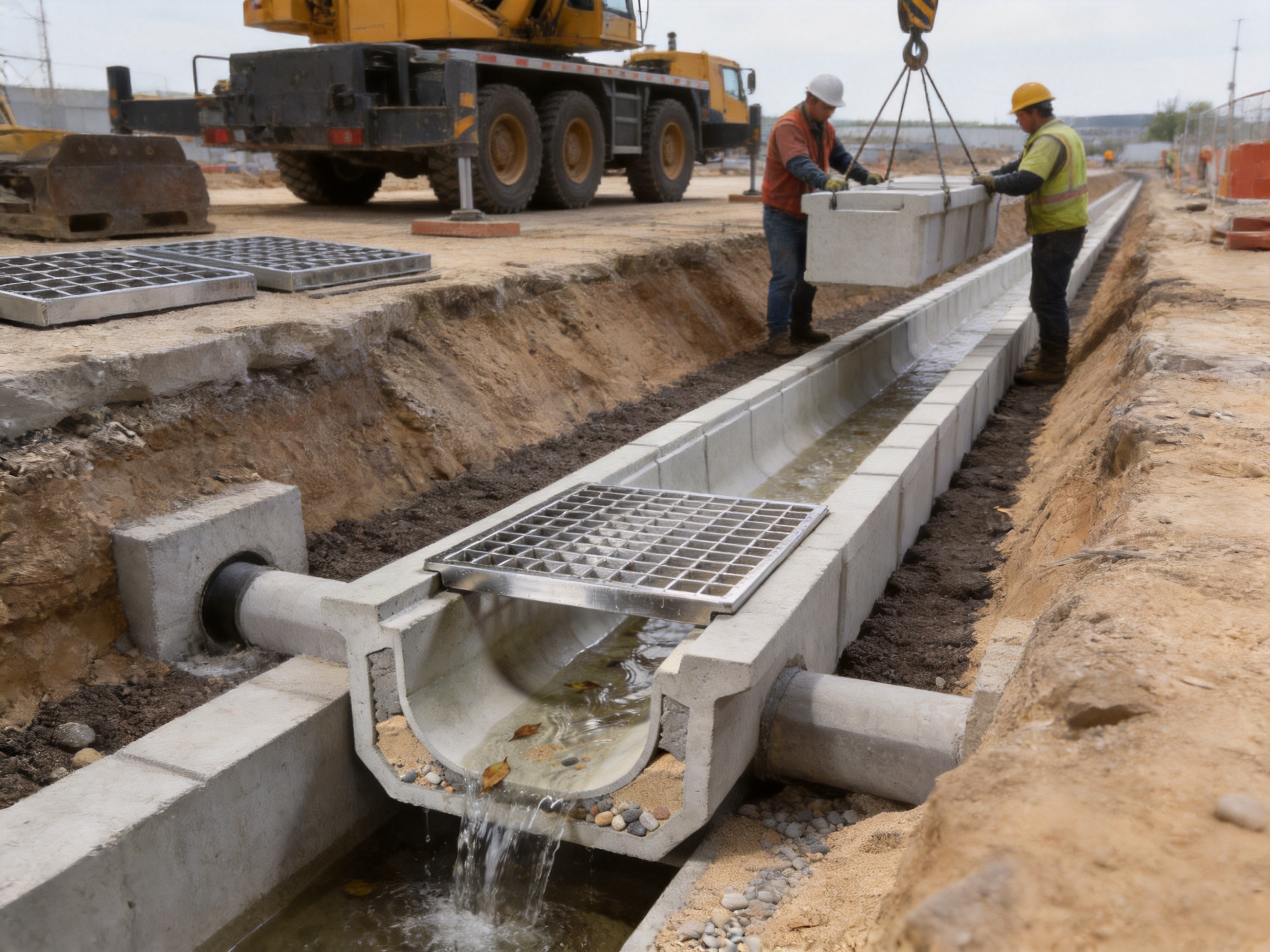
Precast channel sections are designed for efficient site assembly. Modular units reduce the time needed for forming, pouring, and curing on site. Contractors can prepare the foundation, place the precast sections, align the drainage slope, install covers, and connect outlets with greater speed. This can be a significant advantage in road renovation, parking lot construction, industrial facility upgrades, and urban public works where construction time must be limited.
Because the design minimizes clogging and supports easier cleaning, maintenance teams can manage the system more efficiently. Removable grates allow inspection and cleaning when needed. The smooth flow path helps reduce the frequency of heavy sediment removal. In many projects, the most expensive part of drainage ownership is not the initial product cost but the long-term cost of cleaning, emergency repairs, flooding complaints, and operational interruptions. A low-clog precast channel directly addresses these hidden costs.
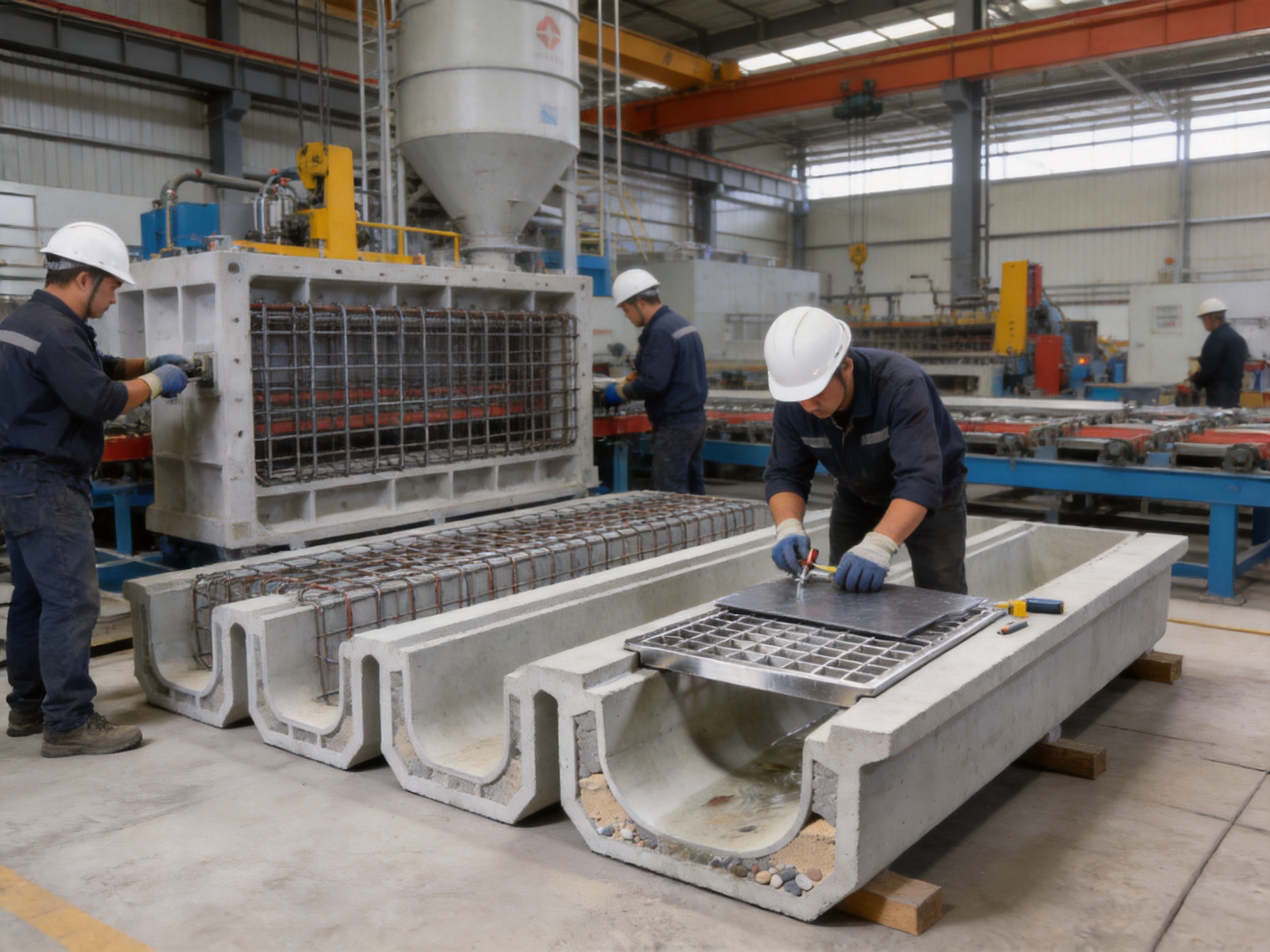
Many conventional drainage systems are built around simple trench shapes or cast-in-place channels. While these methods may be familiar, they often depend heavily on on-site workmanship. If the channel slope is inconsistent, the surface is rough, the corners are poorly formed, or the cover fit is inaccurate, drainage performance can suffer. The precast drainage channel that is not easily clogged offers a more controlled and repeatable alternative.
One major advantage is hydraulic reliability. The channel profile is designed with the movement of both water and debris in mind. Conventional channels may capture runoff but fail to keep sediment moving. This product aims to reduce the risk of deposits that gradually restrict flow. For sites with frequent storms or large paved areas, maintaining flow capacity is essential for flood prevention.
Another advantage is installation speed. Cast-in-place drainage requires formwork, reinforcement placement, concrete pouring, curing time, and finishing. Weather can delay the process, and quality may vary between crews. Precast sections arrive ready for placement, reducing the construction period and improving schedule control. This is especially beneficial for commercial sites that must open quickly or municipal roads that cannot remain closed for long periods.
Structural consistency is also important. Factory-made channels are produced according to controlled dimensions and inspection procedures. A consistent channel width, depth, joint configuration, and cover seat help ensure proper alignment and stable performance. In contrast, on-site channels can vary from section to section, causing poor cover fit, uneven flow, and maintenance difficulties.
Maintenance access is another competitive advantage. The system can be supplied with removable covers and practical cleaning points, allowing teams to inspect and remove sediment more efficiently. Some conventional systems are difficult to access, causing maintenance teams to delay cleaning until flooding occurs. A well-designed precast system encourages preventive maintenance rather than emergency response.
The product also offers stronger adaptability. With different cover plates and material options, it can be configured for pedestrian areas, roadways, industrial zones, urban drainage systems, and architectural landscapes. This flexibility gives designers more control over both technical performance and visual integration.
Jiangsu Yameng Traffic Road Facilities Co., Ltd. is located in Nantong, Jiangsu Province, China, an area with convenient transportation and waterway access. The company focuses on drainage ditch projects and GRC customization, supporting customers with product development, production, project coordination, and after-sales service. Its manufacturing experience covers linear drainage ditches, finished drainage ditches, polymer-based drainage ditches, slot drainage ditches, U-shaped drainage ditches, ductile iron cover plates, stainless steel stamped cover plates, steel gratings, resin concrete cover plates, resin composite manhole covers, stainless steel manhole covers, ductile iron manhole covers, drainage pipes, PE pipes, and related road facility products.
The company’s strength lies not only in product range but also in process integration. Drainage channels require accurate mold production, stable materials, structural understanding, and reliable finishing. For GRC series and customized components, the company is supported by professional designers, mold designers, CNC engraving capability, experienced production workers, and construction technical teams. This allows it to provide services from detailed design and drawing review to mold making, production, on-site construction support, and after-sales response.
Advanced mold control is especially important for drainage channel manufacturing. A channel with inaccurate dimensions may create joint gaps, cover instability, slope problems, or installation delays. CNC-assisted mold making and skilled mold design help maintain dimensional precision across repeated production batches. This is valuable for large projects where hundreds or thousands of channel sections must align consistently.
Material preparation is another key process. Reinforced concrete products require appropriate aggregate selection, cement quality, water control, reinforcement placement, compaction, and curing. Polymer concrete and resin concrete products require careful control of resin systems, fillers, mixing ratios, and curing conditions. By producing in a factory environment, the company can improve repeatability and reduce the variability associated with on-site casting.
The company’s commitment to integrity, responsibility, focus, and innovation supports long-term development. In drainage products, innovation is not limited to dramatic changes. It often appears in small but important improvements: smoother internal surfaces, stronger cover seating, better joint design, more efficient installation details, improved load distribution, and more practical maintenance access. These improvements help the final drainage system perform better in real-world conditions.
The production process begins with understanding the application environment. A drainage channel for a pedestrian plaza has different requirements from a channel used in an industrial loading area. Engineers and designers consider flow volume, site slope, expected traffic load, cover type, outlet locations, material exposure, visual requirements, and maintenance access. This early analysis helps determine the correct channel size, material, and cover plate configuration.
After the product parameters are confirmed, technical drawings and mold plans are prepared. Accurate drawings define dimensions, wall thickness, joint design, cover seat structure, reinforcement requirements, and installation tolerances. Mold development then converts these drawings into repeatable production tools. For GRC customization and specialized drainage elements, mold design may involve CNC engraving and precision processing to achieve detailed shapes and stable product geometry.
For reinforced concrete channels, materials are measured and mixed to achieve strength and durability targets. Reinforcement is placed according to the structural requirements of the product. For polymer concrete or resin concrete channels, resin, aggregate, fillers, and additives are prepared according to production formulas. The goal is to produce a dense, strong, and smooth channel body capable of resisting load, weather, abrasion, and water exposure.
The prepared material is placed into molds, compacted or vibrated as required, and finished to ensure proper shape and surface quality. Curing is controlled to help the product gain strength before demolding and shipment. Controlled curing contributes to dimensional stability and reduces the risk of defects. This stage is one of the main differences between factory precast manufacturing and uncertain site casting.
Finished sections are checked for dimensional accuracy, surface condition, edge integrity, cover fit, and general structural quality. Quality control helps ensure that the product delivered to the site can be installed efficiently and perform as designed. For large orders, consistency between batches is especially important because mismatched sections can slow installation and create long-term maintenance issues.
After inspection, products are packed and prepared for transport. The modular nature of the system supports efficient logistics. When needed, technical teams can assist with installation guidance, construction coordination, and after-sales support. This integrated service approach helps customers reduce project risk and improve overall drainage system performance.
Drainage systems must be selected according to the actual operating environment. A channel in a garden walkway may prioritize appearance and pedestrian safety, while a channel in a logistics yard must resist wheel loads, impact, and abrasion. The availability of different channel materials and cover plate types allows the product to serve a wide range of projects.
| Component Option | Main Strength | Typical Application | Project Benefit |
|---|---|---|---|
| Reinforced Concrete Channel | High compressive strength and structural durability | Roads, parking lots, municipal drainage, industrial areas | Reliable performance under demanding load conditions |
| Polymer Concrete Channel | Smooth surface, low water absorption, strong chemical resistance | Commercial sites, industrial facilities, high-flow drainage lines | Improved hydraulic efficiency and long service life |
| Resin Concrete Cover Plate | Integrated appearance and corrosion resistance | Urban landscapes, pedestrian zones, light-duty drainage | Good visual effect with practical drainage function |
| Ductile Iron Cover Plate | Excellent load-bearing capacity and impact resistance | Roadways, vehicle lanes, loading areas | Strong protection for heavy traffic environments |
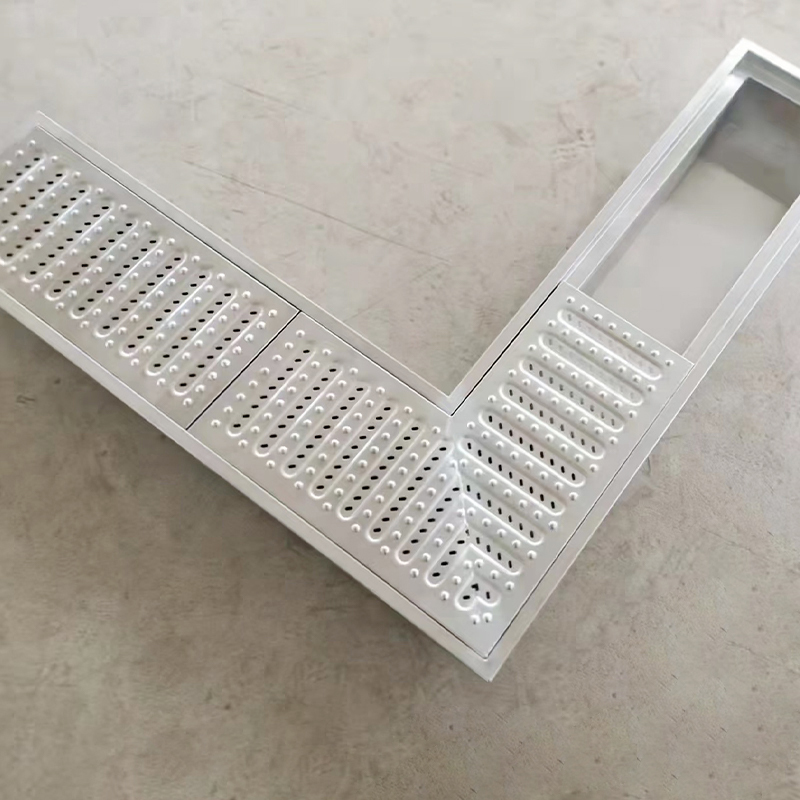
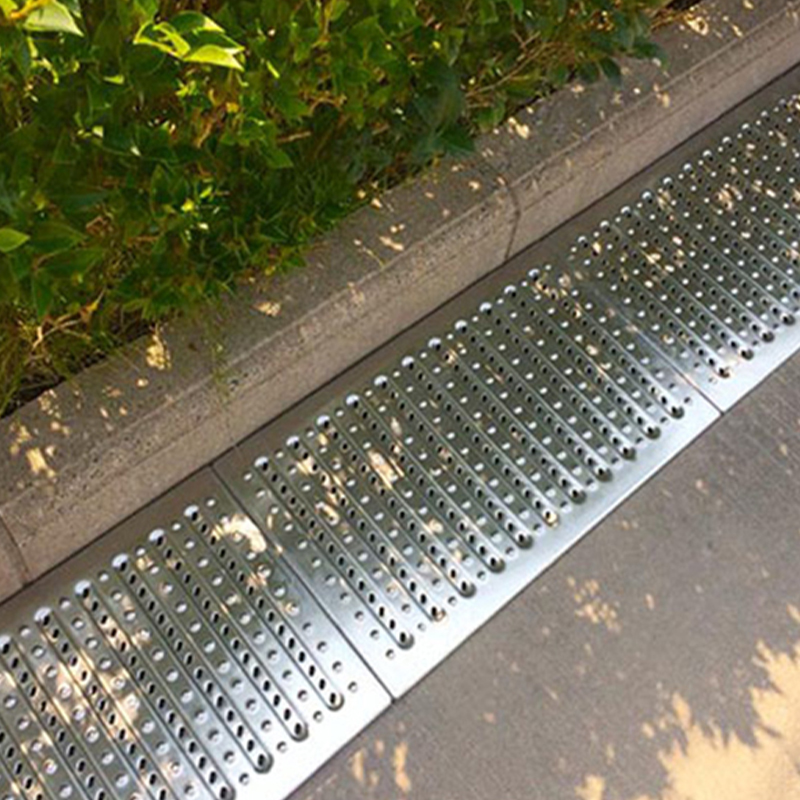
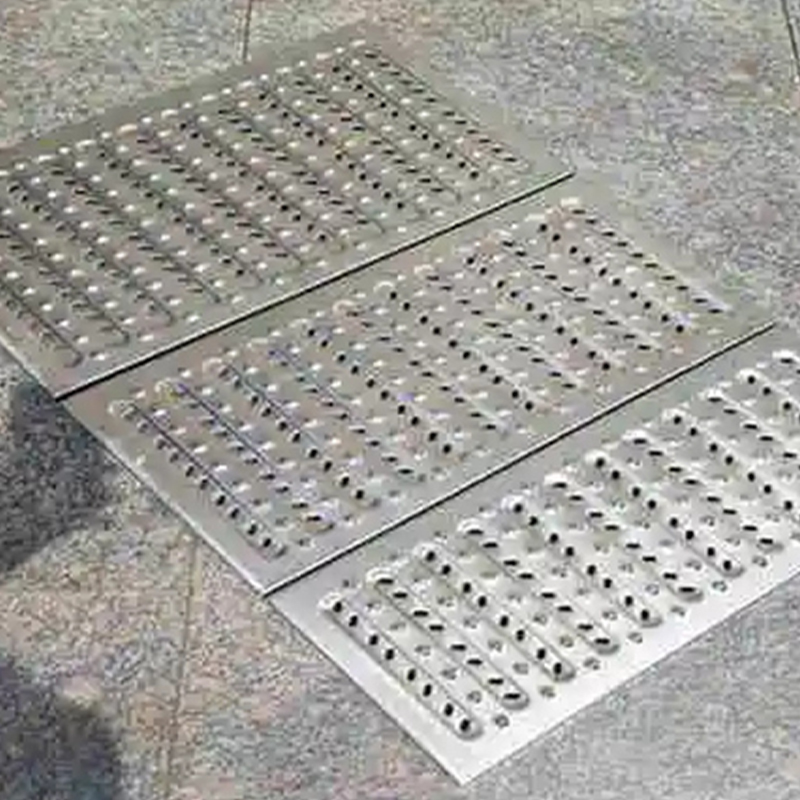
| Stainless Steel Stamped Cover | Clean appearance and corrosion resistance | Commercial plazas, sidewalks, architectural spaces | Modern finish with easy cleaning and maintenance |
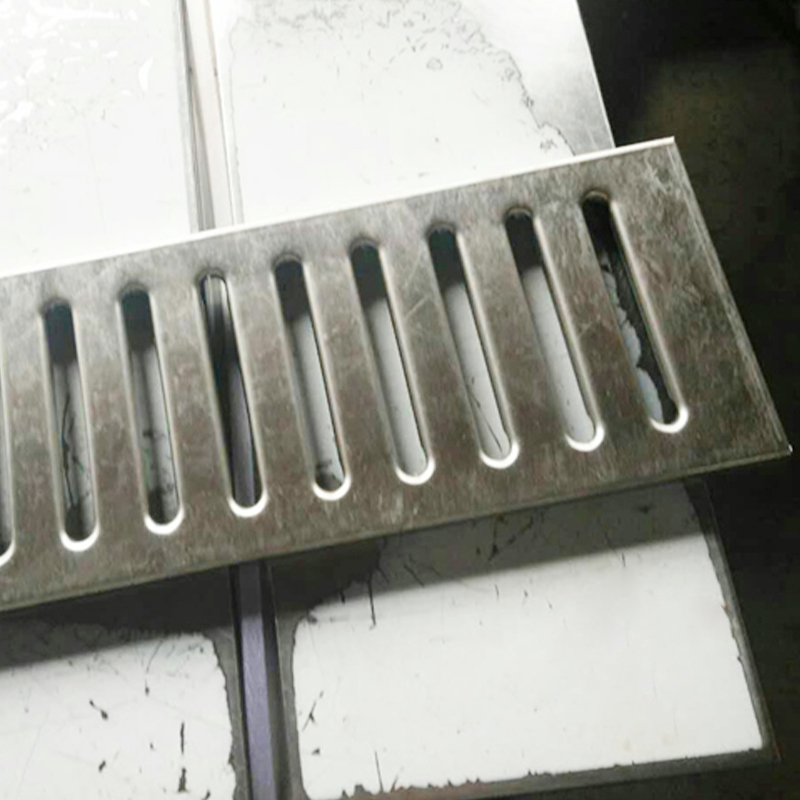
| Steel Grating | High open area and efficient water intake | Industrial yards, drainage corridors, parking areas | Rapid surface water collection during heavy rainfall |
The correct combination of channel body and cover plate can improve both function and service life. For example, a high-flow parking area may use a reinforced or polymer concrete channel with a ductile iron cover plate or steel grating. A pedestrian commercial space may use a stainless steel stamped cover for a cleaner visual effect. An industrial site with chemical exposure may select polymer concrete for improved resistance. This flexibility makes the product competitive across multiple market segments.
Road drainage must remove water quickly to protect driving safety and pavement life. Standing water can reduce tire traction, hide surface defects, accelerate pavement deterioration, and create hazards for cyclists and pedestrians. In municipal infrastructure, drainage channels are often placed along curbs, road edges, intersections, bus stops, and low points where runoff gathers.
The anti-clog precast drainage channel is suitable for these conditions because it combines high intake capacity with reduced blockage risk. The channel profile supports continuous flow, while cover options can be chosen according to traffic load. Ductile iron cover plates are often suitable for heavy traffic areas because of their strength and impact resistance. Steel gratings can be used where rapid water intake is necessary, provided the grate spacing meets safety and design requirements.
For city maintenance departments, the removable cover design is an important benefit. When sediment or leaves collect after storms, crews can access the system more easily. Reducing clogging can also reduce public complaints and emergency response costs. In urban drainage networks, dependable surface collection is the first step toward effective stormwater management.
Parking lots create large impermeable surfaces that generate rapid runoff during rainfall. If drainage is insufficient, water may pool around parking spaces, building entrances, ramps, and pedestrian paths. This can inconvenience customers, damage pavement, and increase slip risks. Commercial property owners also need drainage systems that are functional, durable, and visually acceptable.
The precast drainage channel is a strong choice for parking lots because its modular sections can be installed in long continuous lines, around entrances, across drive lanes, or near low points. The system can be designed to collect sheet flow and direct it toward stormwater outlets. Because the anti-clog design reduces debris accumulation, the system is better able to handle sand, leaves, and dirt commonly found in outdoor parking environments.
Cover plate selection allows the drainage line to match the site’s traffic pattern. Vehicle areas may require ductile iron or strong steel grating covers, while pedestrian zones may use stainless steel or resin concrete covers for improved appearance. The modular design also supports phased construction, making it useful for renovation projects where business interruption must be minimized.
Industrial sites often place heavy demands on drainage systems. Forklifts, trucks, machinery, loading operations, dust, packaging debris, oil, sediment, and process water may all affect drainage performance. A weak or easily clogged drainage channel can disrupt production, create safety hazards, and increase maintenance costs.
The anti-clog precast drainage channel provides a practical solution for industrial environments because it can be built with high-strength materials and heavy-duty covers. Reinforced concrete provides durability for load-bearing areas, while polymer concrete may be selected where chemical resistance or smoother flow is required. Steel grating or ductile iron covers can be used where vehicles and heavy equipment pass over the channel.
The product’s easier maintenance access is particularly useful in industrial settings. Maintenance teams can remove covers, inspect the line, and clean accumulated materials without destroying the channel structure. A drainage system that is easier to maintain is more likely to remain functional, helping factories and warehouses reduce operational risk.
Sidewalks and plazas require drainage systems that balance performance, safety, and appearance. Water ponding in pedestrian areas can cause slipping, inconvenience, and damage to paving materials. At the same time, drainage components must integrate with architectural surfaces and meet pedestrian comfort requirements.
The precast channel can be matched with stainless steel stamped covers, resin concrete covers, or slot-style drainage solutions to create a cleaner visual effect. Slot drainage and linear drainage arrangements are especially useful in plazas because they collect water along long, narrow lines without visually dominating the pavement. The anti-clog design helps maintain performance even when leaves, dust, and urban debris enter the system.
For landscape designers, modular precast drainage supports better coordination with paving patterns, curbs, planting areas, and building entrances. Factory-made channel sections help maintain straight lines and consistent cover elevation, contributing to a more professional finish.
Flooding in built environments often begins with small failures. A blocked inlet, a sediment-filled channel, or an undersized drainage line can cause water to spread across the surface before it reaches the main stormwater system. By improving the reliability of surface collection, the precast drainage channel helps reduce the chance that local blockage will become a larger flood problem.
Its anti-clog features are particularly valuable during intense rainfall. During storms, maintenance crews may not be able to clean drains immediately. A drainage system that resists blockage gives the site more resilience. It allows water to continue moving even when debris is present, reducing the risk of sudden overflow.
In climate conditions where heavy rainfall events are becoming more frequent, drainage reliability is increasingly important. Designers and property owners need systems that are not only strong on paper but dependable after months and years of real use. A low-clog precast channel contributes to this long-term resilience.
Although precast channels simplify construction, proper installation remains essential. The foundation must be prepared according to load requirements and soil conditions. A stable bedding layer helps prevent uneven settlement. The channel sections should be aligned carefully to maintain continuous slope and prevent low spots where sediment may collect. Joints should be placed and sealed according to project requirements to prevent leakage or movement.
Cover plates must be installed securely and at the correct elevation. A cover that sits too high can create a trip hazard or vehicle impact point, while a cover that sits too low can collect debris or disturb surface flow. For vehicle areas, edge support and concrete encasement should be designed to distribute wheel loads properly. Outlet connections should be sized to match the expected flow and connected to the broader stormwater network.
Because the product is modular, installation teams can work efficiently, but coordination is still important. Designers, contractors, and suppliers should confirm drawings, quantities, cover types, outlet positions, and load grades before construction begins. This reduces on-site changes and helps the project proceed smoothly.
A low-clog drainage channel reduces maintenance frequency, but no drainage system is completely maintenance-free. Regular inspection is still recommended, especially before rainy seasons, after heavy storms, and in areas with high debris loads. Maintenance teams should remove cover plates where needed, clear sediment, check outlet conditions, and ensure that cover plates remain seated securely.
The advantage of this product is that maintenance is easier and less frequent than with many conventional channels. Removable grates and smoother internal surfaces simplify cleaning. Anti-clog geometry reduces the amount of debris that settles in the first place. Over time, this can lower labor cost, reduce emergency cleaning, and extend the service life of the drainage system.
For commercial and municipal users, a planned maintenance schedule is more cost-effective than reactive emergency work. The product supports this approach by making inspection and cleaning practical. When drainage assets are easy to maintain, owners are more likely to keep them in good condition.
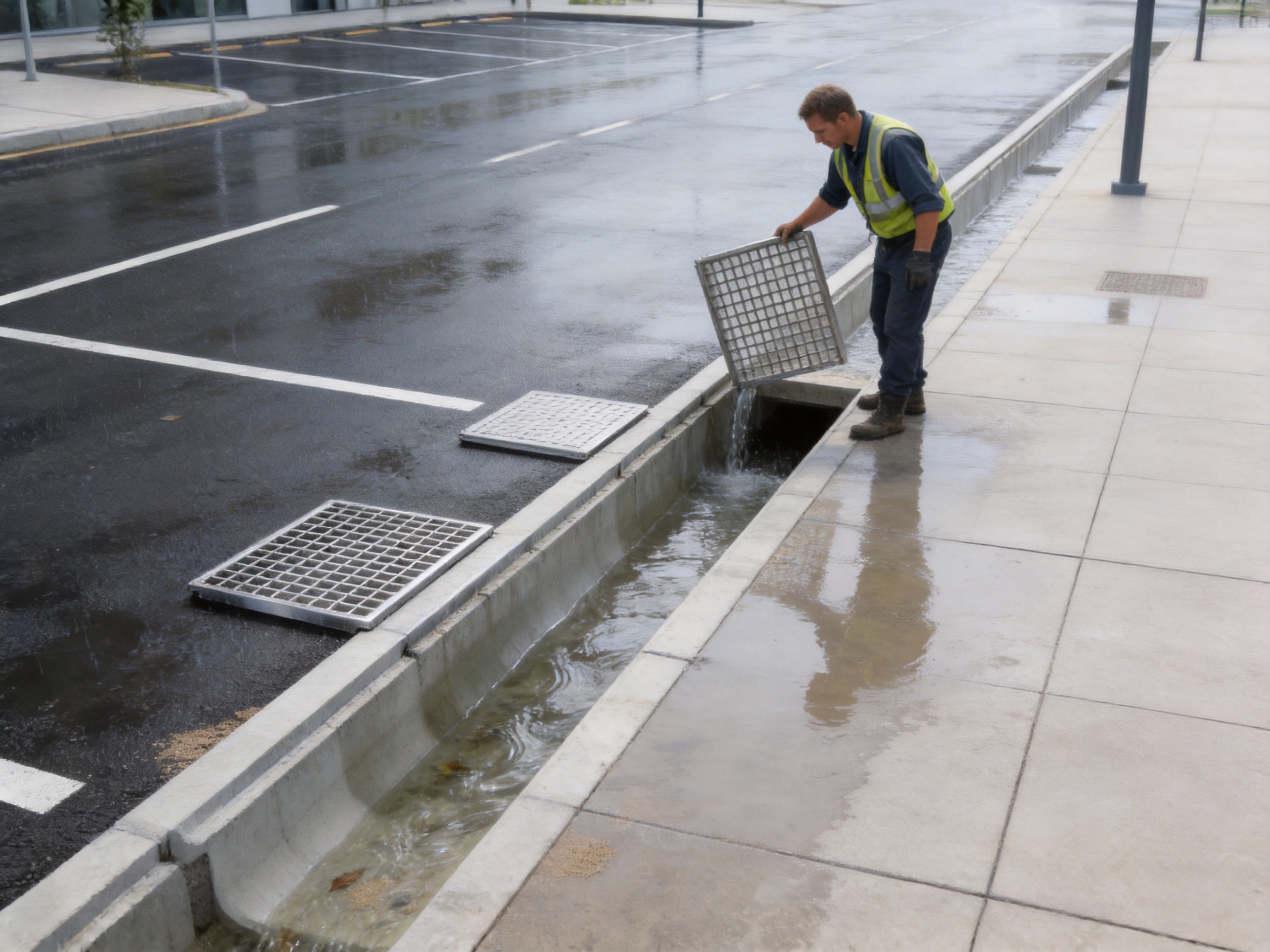
Contractors benefit from the product’s modular installation and consistent dimensions. Faster placement, fewer site casting steps, and reduced curing delays help improve construction efficiency. Consistent factory-made units reduce the risk of rework and make scheduling more predictable.
Designers benefit from flexible configuration. Different materials, channel sizes, cover types, and related drainage products allow the system to be adapted to different site requirements. The availability of linear drainage ditches, finished drainage ditches, polymer-based drainage ditches, slot drainage ditches, U-shaped drainage ditches, drainage pipes, PE pipes, and multiple cover plate options makes it easier to develop complete drainage solutions.
Owners benefit from long-term reliability. A drainage system that resists clogging, supports easy maintenance, and withstands heavy use can reduce operating costs and protect surrounding infrastructure. In many projects, the drainage channel is a small part of the total construction budget but has a large effect on site safety and durability. Choosing a dependable system is therefore a practical investment.
The precast drainage channel that is not easily clogged stands out because it addresses the full life cycle of drainage performance. Some products focus only on initial cost. Others focus only on load strength or appearance. This product combines anti-clog hydraulic design, durable material options, modular installation, cover compatibility, and maintenance convenience.
Compared with basic concrete trenches, it offers better dimensional control and more reliable installation. Compared with drainage systems that lack practical cleaning access, it supports easier maintenance. Compared with products using limited cover options, it can be adapted to pedestrian, vehicle, industrial, and architectural environments. Compared with systems that ignore debris behavior, it is specifically designed to reduce the risk of blockage.
The company’s manufacturing background further strengthens the product. With experience in drainage ditch projects, GRC customization, mold design, CNC processing, production, construction support, and after-sales service, Jiangsu Yameng Traffic Road Facilities Co., Ltd. can support both standard product supply and customized project requirements. This is especially important for buyers who need more than a single component; they need a drainage solution that fits the site, construction schedule, and long-term maintenance plan.
The company’s GRC series capability adds another layer of manufacturing strength. GRC, or glass fiber reinforced concrete, is widely used for architectural and customized construction components because it can achieve detailed shapes, reduced weight compared with some traditional concrete elements, and good design flexibility. Although the drainage channel product is primarily focused on water management, the company’s GRC customization experience demonstrates its broader ability in mold design, detailed production, and project-specific manufacturing.
Professional designers and mold designers can help convert project concepts into manufacturable components. CNC engraving supports accurate mold details. Experienced production and construction technical teams help connect factory manufacturing with on-site implementation. These capabilities are useful when drainage systems must integrate with architectural paving, landscape edges, facade elements, customized curbs, or special site details.
For projects requiring both drainage products and customized concrete or GRC elements, working with a manufacturer that understands both fields can improve coordination. It can reduce mismatches between drainage lines and surrounding construction components. This integrated capability supports higher-quality project results.
A durable drainage channel contributes to sustainability by reducing replacement frequency, repair work, and material waste. Products that clog easily may require repeated cleaning, emergency intervention, or even reconstruction if flooding damages surrounding pavement. A longer-lasting, lower-maintenance system uses resources more efficiently over its service life.
Precast production can also reduce some forms of site waste. Factory-controlled manufacturing allows better material planning, reusable molds, and more consistent curing conditions. Modular units reduce on-site formwork and can shorten construction time, lowering disruption in public or commercial areas. In addition, effective drainage protects pavements, landscaped areas, and building foundations from water damage, indirectly extending the life of other construction assets.
For urban stormwater management, reliable surface drainage is part of a broader environmental strategy. Water must be collected and directed properly before it can be treated, stored, reused, or discharged. A channel that maintains flow capacity supports the performance of the entire drainage network.
When selecting a precast drainage channel, buyers should consider several factors. First, determine the expected water volume and site slope. A channel must have enough hydraulic capacity for the runoff it will receive. Second, evaluate traffic load. Pedestrian areas, passenger car parking lots, truck routes, and industrial loading zones require different structural designs and cover plates.
Third, review debris conditions. Sites with trees, sand, soil, or industrial particles should prioritize anti-clog geometry and easy maintenance access. Fourth, consider environmental exposure. Chemical contact, freeze-thaw conditions, salt, humidity, and abrasion may affect material choice. Fifth, confirm installation conditions. Foundation design, outlet locations, trench width, and construction schedule should be coordinated early.
Finally, work with a manufacturer capable of providing technical support and consistent production quality. A drainage channel is not simply a commodity item. Its performance depends on design, material, manufacturing accuracy, cover compatibility, installation, and maintenance. A reliable supplier can help reduce risk across all these stages.
The channel uses an optimized internal profile and compatible cover system to reduce debris settlement and maintain smoother water flow. Its design minimizes areas where sand, leaves, and small particles can collect, helping water continue moving toward the outlet.
Yes, the product can be configured for heavy-duty applications by selecting appropriate channel materials and cover plates, such as reinforced concrete channels with ductile iron covers or strong steel gratings. Final selection should match the project’s load requirements.
Precast production allows controlled mold accuracy, material mixing, reinforcement placement, curing, and inspection. This improves dimensional consistency and reduces the variability often associated with on-site casting.
Yes. The system can be matched with stainless steel stamped covers, resin concrete covers, or slot drainage designs to support both drainage performance and visual integration in pedestrian spaces.
Yes. All drainage systems require periodic inspection and cleaning. However, the anti-clog design and removable covers help reduce maintenance frequency and make cleaning easier when it is needed.
Available cover solutions may include ductile iron cover plates, stainless steel stamped cover plates, steel gratings, resin concrete covers, and resin composite cover products. The best option depends on load, appearance, corrosion resistance, and water intake requirements.
The product is suitable for roads, parking lots, sidewalks, industrial sites, commercial plazas, urban stormwater systems, and other areas that require reliable surface water collection and discharge.
Jiangsu Yameng Traffic Road Facilities Co., Ltd. has professional designers, mold designers, CNC engraving capability, production teams, and construction technical support. This enables services from design and drawings to mold making, production, site support, and after-sales assistance.
The precast drainage channel that is not easily clogged is a practical and advanced solution for modern surface water management. It responds to one of the most common drainage problems: the gradual loss of capacity caused by debris accumulation. Through anti-clog geometry, durable materials, modular precast construction, compatible cover options, and easy maintenance access, the product delivers reliable performance for roads, parking lots, sidewalks, industrial sites, and urban stormwater systems.
Its advantages over conventional drainage solutions include more stable hydraulic performance, faster installation, better dimensional consistency, stronger adaptability, and lower maintenance pressure. These benefits are supported by the manufacturing strengths of Jiangsu Yameng Traffic Road Facilities Co., Ltd., including drainage product experience, GRC customization capability, professional design, mold development, CNC processing, production control, and construction support.
For contractors, the product helps save time and reduce site uncertainty. For designers, it provides flexible configuration and reliable technical performance. For owners, it offers long-term value through reduced clogging risk, improved safety, and better protection of surrounding infrastructure. In a market where drainage reliability is increasingly important, this precast anti-clog drainage channel represents a strong choice for durable and efficient water management.
American Concrete Institute. Guide to Concrete Floor and Slab Construction.
American Society of Civil Engineers. Urban Stormwater Management Planning and Design Principles.
British Standards Institution. Drain and Sewer Systems Outside Buildings: Design and Performance Considerations.
Construction Industry Research and Information Association. Sustainable Drainage Systems Manual.
Portland Cement Association. Design and Control of Concrete Mixtures.
Transportation Research Board. Highway Drainage Guidelines and Surface Water Management Practices.
Related Products
The Artistic Facade Decorative GRC Curtain Wall Panels are designed for modern architecture seeking ...
READ MOREThe Artistic Facade Decorative GRC Curtain Wall Panels are designed for modern architecture seeking ...
READ MOREThe Artistic Facade Decorative GRC Curtain Wall Panels are designed for modern architecture seeking ...
READ MOREThe Artistic Facade Decorative GRC Curtain Wall Panels are designed for modern architecture seeking ...
READ MOREThe Artistic Facade Decorative GRC Curtain Wall Panels are designed for modern architecture seeking ...
READ MOREThe Artistic Facade Decorative GRC Curtain Wall Panels are designed for modern architecture seeking ...
READ MORE
Contact us
Factory Address
Group 12, Quanxin Village, Donghai Town, Qidong City, Nantong City, Jiangsu Province, China
phone
+86-13914963840
+86-13451754670
products
QR CODE
 Wholesale Drainage Ditch Manufacturers