 English
 Español
 عربى
عربى

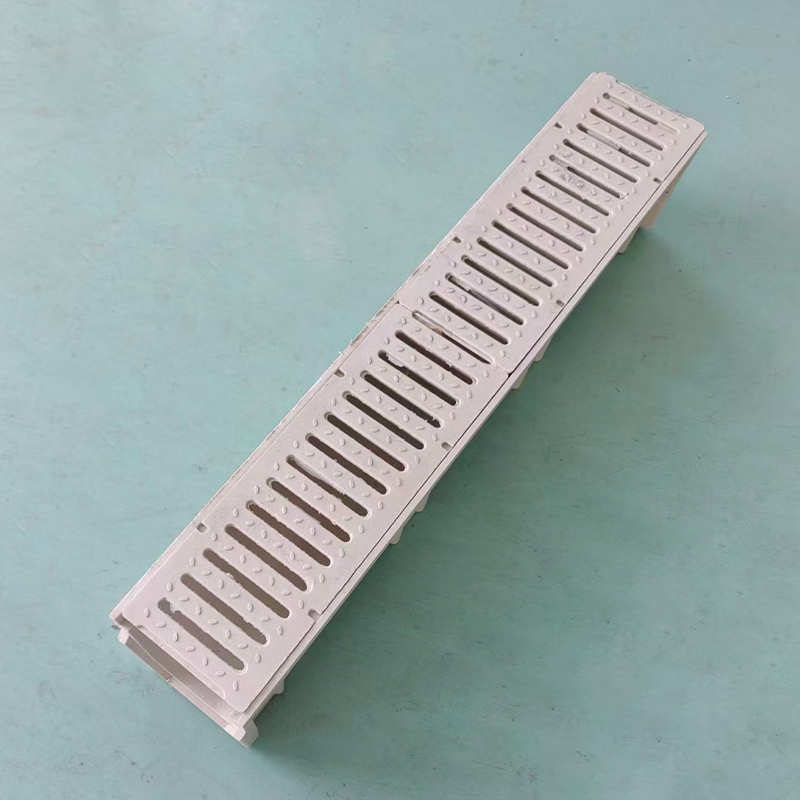
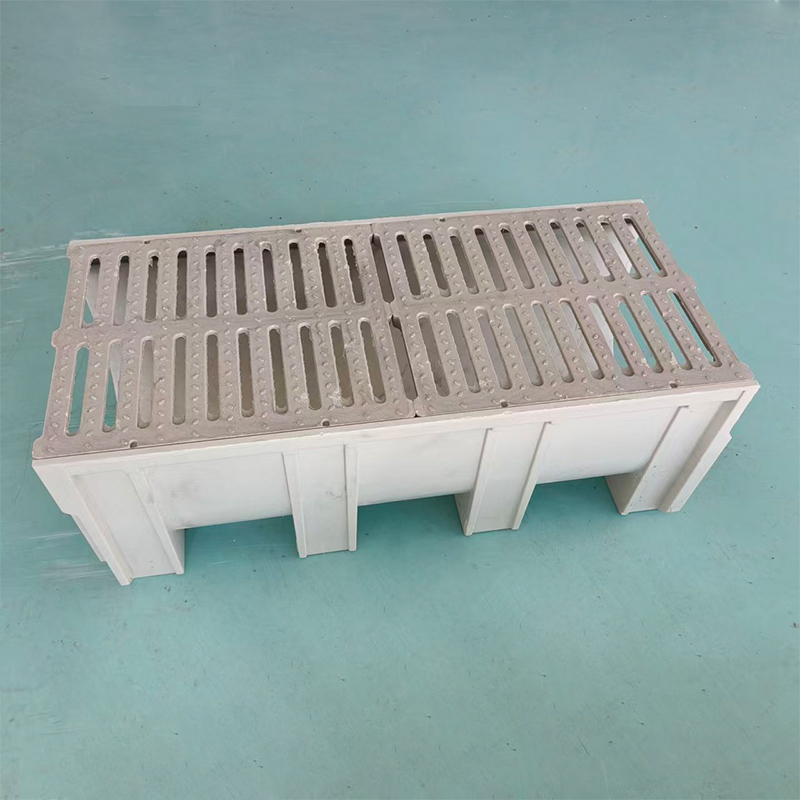
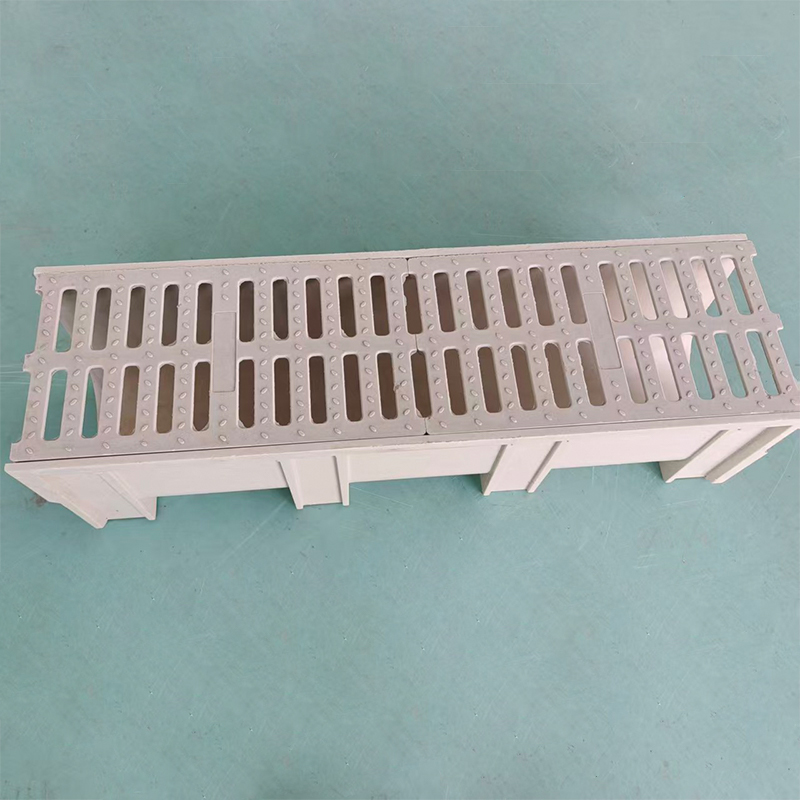
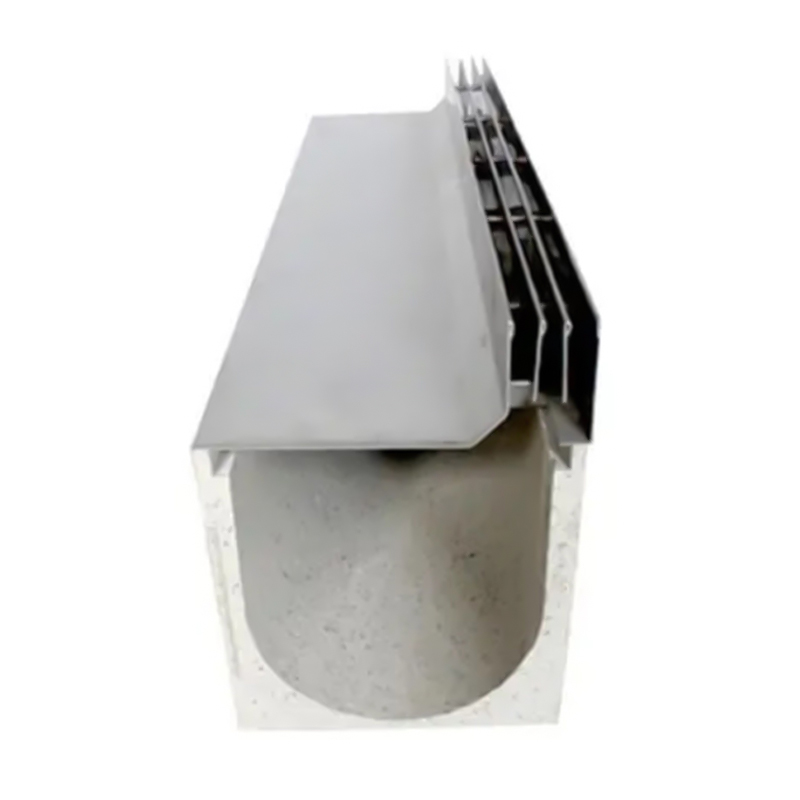
Our Modular GRC System merges installation speed with long-term durability, providing a high-perform...
READ MOREMay 23, 2026
Content
Modern cities, commercial landscapes, transportation networks, and industrial sites all face the same essential challenge: water must be collected, controlled, and discharged quickly before it damages pavements, interrupts traffic, creates safety hazards, or reduces the lifespan of surrounding infrastructure. Precast drainage channels provide a practical and highly engineered answer to this challenge. Unlike traditional cast-in-place drainage ditches, which depend heavily on on-site workmanship and weather conditions, precast systems are manufactured under controlled factory conditions and delivered to the project site as ready-to-install modular components.
Precast drainage channels are designed for efficiency, durability, and adaptability. They can be used in architectural plazas where visual continuity is important, on municipal roads where stormwater must be removed rapidly, in parking lots where vehicle loads are frequent, and in airports, container terminals, logistics centers, and chemical warehouses where extreme load resistance and chemical stability are critical. Their modular structure allows designers and contractors to build long continuous drainage lines with predictable hydraulic performance and simplified maintenance access.
Jiangsu Yameng Traffic Road Facilities Co., Ltd., located in Nantong, Jiangsu Province, China, focuses on drainage ditch projects and GRC customization. With convenient transportation and waterway access, the company supports domestic and international projects with a wide product range, including linear drainage ditches, finished drainage ditches, polymer-based drainage ditches, slot drainage ditches, U-shaped drainage ditches, ductile iron cover plates, stainless steel stamped cover plates, steel gratings, resin concrete cover plates, resin composite manhole covers, stainless steel manhole covers, ductile iron manhole covers, drainage pipes, PE pipes, and related products. Its strength lies not only in product variety, but also in an integrated service system covering detailed design, drawings, mold development, CNC engraving, production, on-site construction support, and after-sales service.
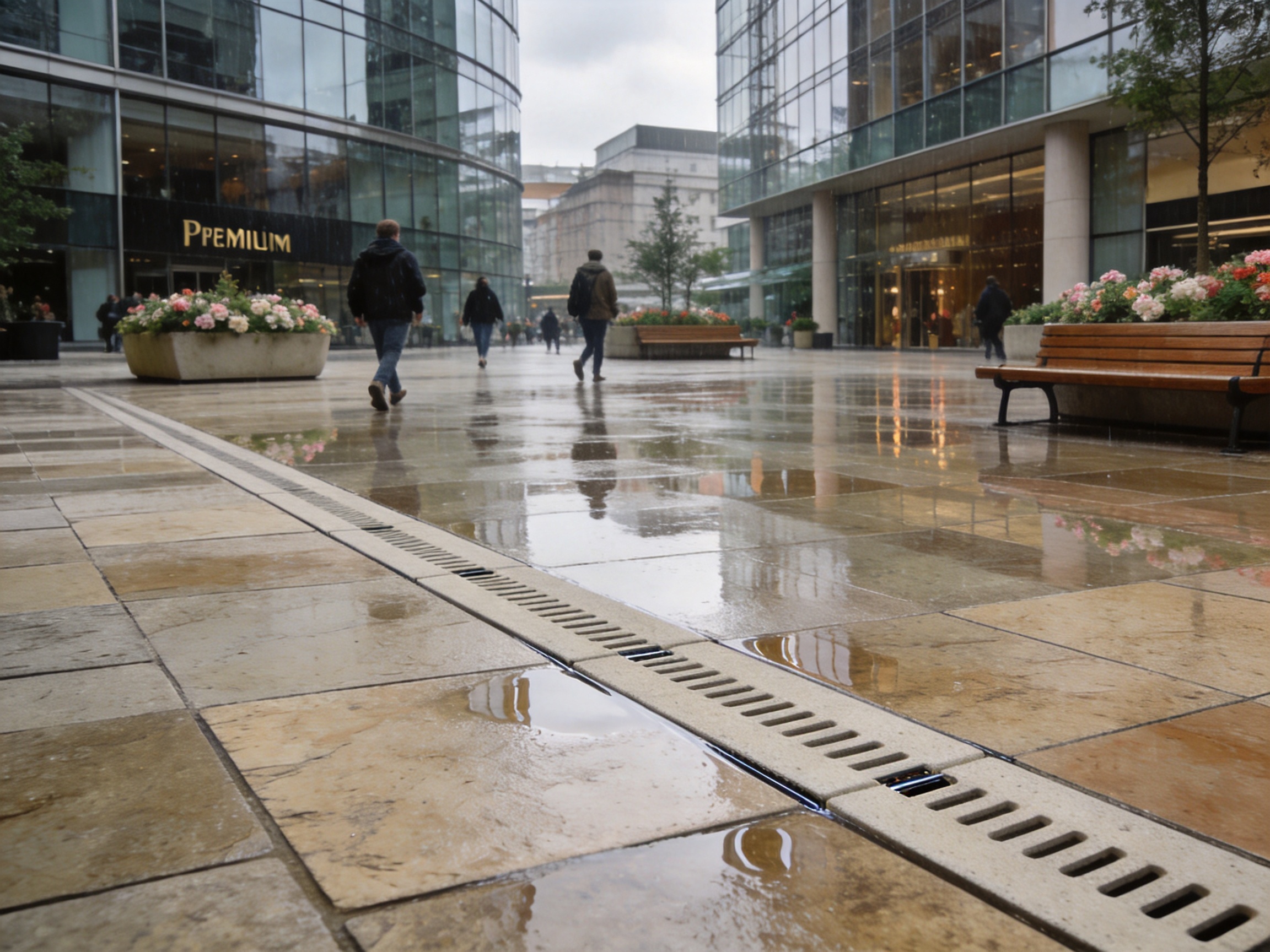
A drainage channel may appear to be a simple civil engineering component, but its function is fundamental to pavement protection and public safety. When rainfall, cleaning water, fountain overflow, or industrial wastewater accumulates on a surface, it can lead to slipping risks, vehicle aquaplaning, freeze-thaw damage, foundation softening, corrosion of adjacent structures, and expensive maintenance problems. A well-designed drainage channel captures surface water along a continuous line and transfers it away from the paved area before these risks develop.
Precast drainage channels improve upon traditional drainage construction by transferring much of the engineering precision from the construction site to the factory. Channel bodies, grates, cover plates, edge rails, inspection chambers, and related components can be produced according to standardized dimensions and quality procedures. This approach reduces uncertainty, shortens installation schedules, and helps the completed system meet hydraulic, structural, and aesthetic requirements more consistently.
The key advantage of a precast drainage channel is its combination of modularity and performance. Each channel unit is manufactured as part of a complete system, meaning the channel body, cover plate or grate, locking device, edge protection, and accessory modules are designed to work together. This reduces the mismatch often seen in improvised site-built drainage solutions. Contractors can position, align, connect, and secure each channel more efficiently, while owners benefit from a drainage line that is easier to inspect and maintain over the long term.
Precast drainage systems are not limited to one type of project. Their performance can be adapted to different environments by changing the channel shape, material, grate type, load class, slot opening, cover plate design, and installation method. This flexibility is one of the reasons they are widely used in urban, commercial, municipal, and industrial projects.
In plazas, pedestrian streets, shopping centers, hotels, landscaped parks, residential communities, and public squares, drainage must do more than remove water. It must also preserve the visual quality of the space. Architects and landscape designers often prefer drainage solutions that are discreet, clean, and compatible with stone paving, concrete paving, tiles, or decorative ground finishes.
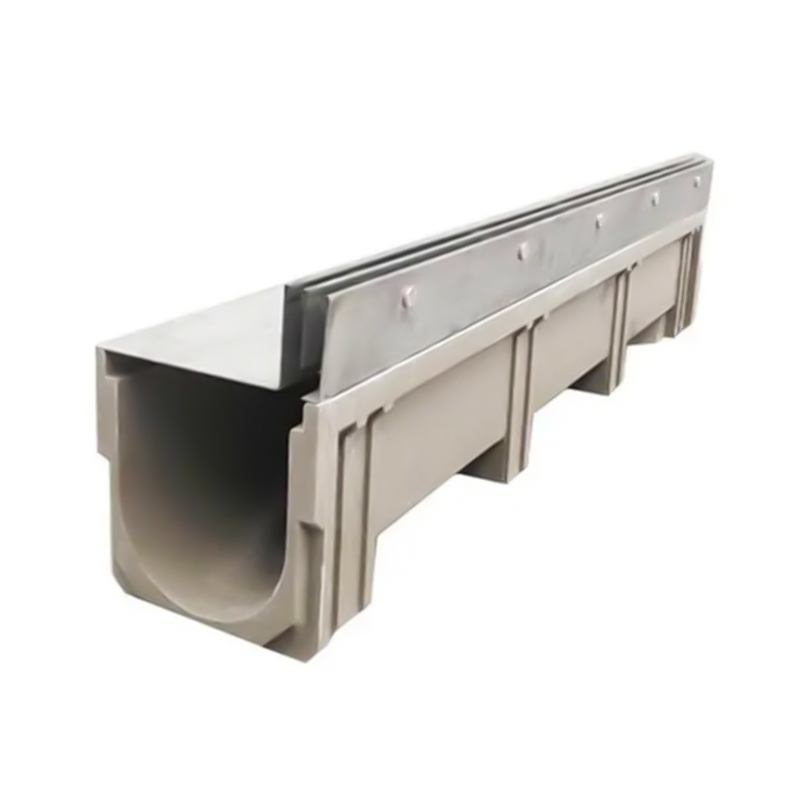
Slot drainage channels are especially suitable for these environments. Their ultra-narrow drainage opening can be integrated into the paving layout, making the drainage line visually subtle while still allowing efficient water capture. Compared with wide exposed trench drains, slot drains reduce visual interruption and help maintain a refined architectural appearance. This is particularly valuable in high-end commercial complexes and civic landscapes where the drainage system should not dominate the design.
Pedestrian safety is another important factor. Grating apertures and slot widths should be designed to reduce trip risks and meet heel-safe expectations. Anti-slip surfaces, stable cover plates, and secure seating of the grates help prevent movement under foot traffic. In areas exposed to fountain water, cleaning chemicals, or domestic runoff, corrosion-resistant materials are also essential to maintain both appearance and structural integrity.
Roads, overpasses, bus stations, parking lots, urban arterial roads, and highway service zones require drainage channels with greater structural strength and flow capacity. Water left on road surfaces can reduce tire contact, increase braking distance, and raise the risk of aquaplaning. In addition, standing water can damage asphalt and concrete pavements over time, especially in areas with frequent traffic loading.
Linear drainage channels perform well in transportation settings because they collect water continuously rather than relying on isolated point drains. A continuous line intercepts runoff more effectively along curbs, road edges, parking aisles, entrances, and ramps. This helps reduce local ponding and improves the overall drainage response during storms.
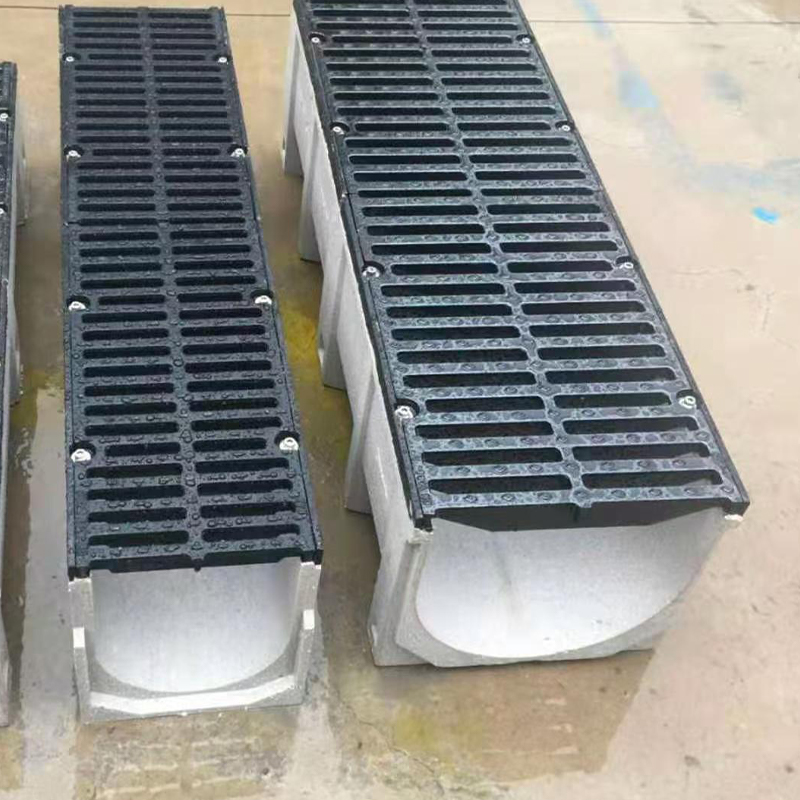
For vehicular applications, high load classes are critical. Depending on project requirements, drainage systems may need to withstand loads from passenger vehicles, buses, delivery trucks, heavy-duty trucks, emergency vehicles, or specialized industrial vehicles. Load ratings such as D400 to F900 reflect the demand for strong channel bodies, reinforced edge rails, and durable cover plates or grates. Anti-dislodgement locking systems are also important because loose grates can generate noise, create safety risks, and suffer impact damage under repeated wheel loads.
Industrial sites place some of the most demanding requirements on drainage infrastructure. Airports, container terminals, chemical warehouses, logistics centers, manufacturing plants, and heavy loading yards may expose drainage channels to concentrated wheel loads, impact forces, abrasive sediment, oils, fuels, acids, alkalis, and frequent cleaning operations. Ordinary concrete channels may absorb liquids, suffer chemical deterioration, or crack under severe conditions if not properly designed.
Resin concrete and high-performance precast materials offer major advantages in these environments. Resin concrete is dense, non-porous, and non-absorbent, helping it resist freeze-thaw damage and chemical attack. Its smooth internal surface also improves water flow and reduces sediment accumulation compared with rougher site-cast surfaces. When paired with ductile iron or stainless steel edge protection, the channel body can resist lateral shearing and impact from turning vehicles, forklifts, container handling equipment, and other heavy machinery.
Maintenance efficiency is especially important in industrial environments. Sediment, debris, chemical residues, and operational waste can collect in drainage systems. Precast modular channels can include inspection chamber modules, removable cover plates, and smooth internal bores that make cleaning faster and more predictable. This reduces downtime and supports safer site operations.
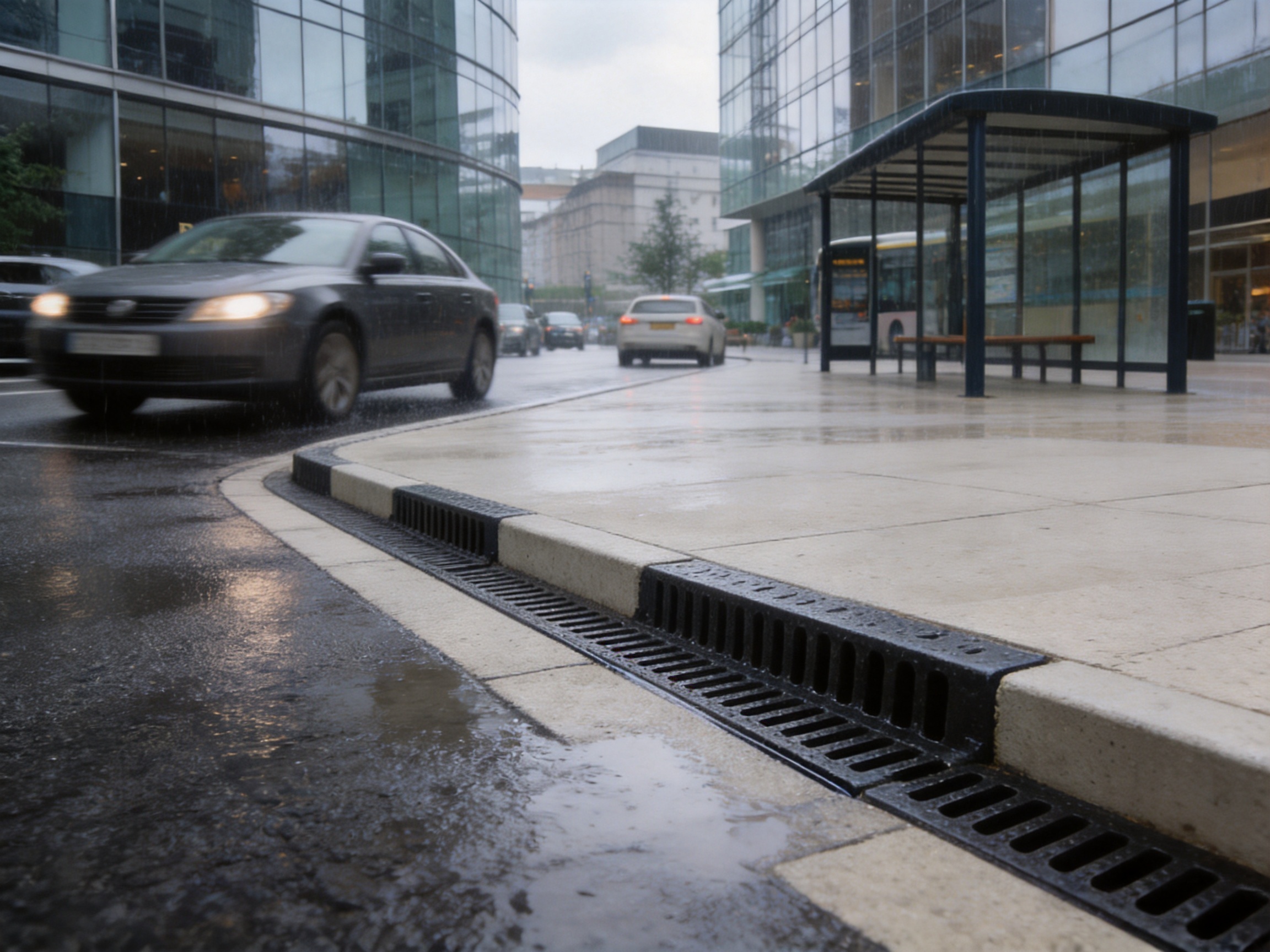
Precast drainage channels offer several advantages over traditional cast-in-place ditches and many low-grade drainage alternatives. These advantages involve installation speed, quality control, structural reliability, hydraulic performance, maintenance convenience, and lifecycle cost.
Traditional cast-in-place drainage construction requires excavation, formwork, reinforcement placement, concrete pouring, curing, finishing, and often correction work after installation. Weather conditions, labor skill, site access, and curing time can all influence the final result. In busy commercial areas, municipal roads, or industrial sites, extended construction time can be costly and disruptive.
Precast drainage channels are manufactured before arriving on site. Contractors can excavate the trench, prepare the foundation, place the channels, align the units, connect outlets, backfill, and finish the surrounding pavement in a much shorter period. Installation can be three to five times faster than conventional cast-in-place methods depending on project conditions. Faster installation means fewer road closures, reduced labor costs, shorter project schedules, and earlier use of the completed area.
One of the greatest limitations of site-cast drainage is variability. Concrete mixing, compaction, curing, slope accuracy, surface finishing, and joint treatment may differ from one section to another. This can lead to cracking, leakage, uneven flow, weak edges, and inconsistent appearance.
Precast production shifts these critical processes into a controlled manufacturing environment. Molds, material proportions, curing conditions, dimensional tolerances, and inspection procedures can be standardized. This results in channel units with more consistent strength, geometry, surface finish, and connection quality. Factory-controlled production also makes it easier to verify product performance before delivery to the project site.
Drainage performance depends not only on channel size, but also on internal surface smoothness, slope, inlet efficiency, and continuity. Precast channels can be designed with optimized internal profiles that promote rapid flow and reduce water retention. The smooth bore of resin concrete channels helps water move efficiently and makes sediment less likely to adhere to the channel wall.
Linear drainage also provides a functional advantage over point drainage in many applications. Instead of waiting for water to flow across the pavement to isolated catch basins, a linear channel intercepts runoff along a longer edge. This is valuable in flat areas, large paved surfaces, road edges, and locations where rapid stormwater capture is required.
Precast drainage systems can be configured for different load environments. Pedestrian areas may require lighter covers with excellent aesthetics and safety. Parking lots and roads require stronger grates and edge supports. Airports and industrial yards may require heavy-duty systems capable of withstanding extreme loads.
By selecting the appropriate channel body material, edge rail design, grate material, and locking mechanism, the system can meet demanding load classes. Ductile iron cover plates, stainless steel stamped cover plates, steel gratings, resin concrete cover plates, and reinforced edge systems allow designers to match performance to the project. This engineered approach reduces the risk of premature failure caused by under-specified drainage components.
Drainage channels often encounter more than rainwater. They may carry cleaning water, deicing salts, fountain treatment chemicals, domestic runoff, industrial wastewater, fuels, oils, acids, and alkalis. In such environments, material selection is critical. Resin concrete and suitable metal cover materials provide enhanced resistance compared with ordinary porous concrete or low-quality metal components.
Non-absorbent channel bodies help prevent chemical penetration. Stainless steel options provide corrosion resistance in architectural and wet environments. Ductile iron offers high strength for heavy traffic applications, and appropriate coatings can enhance durability. This flexibility allows the drainage solution to be matched to the chemical exposure of the site.
A drainage channel that is difficult to clean will eventually lose capacity. Poorly seated grates, rough internal surfaces, sediment traps, and inaccessible sections can increase maintenance time and cost. Precast drainage systems are designed with maintenance in mind. Removable covers, inspection modules, smooth interiors, and consistent channel geometry make it easier for maintenance teams to inspect, flush, and remove debris.
Long-term maintenance savings can be significant, especially for municipalities, commercial property managers, and industrial operators. A drainage system that remains accessible and functional reduces emergency repairs, prevents pavement damage, and supports safer operation of the surrounding area.
A complete drainage solution requires more than one standard channel. Different projects may require different channel depths, widths, materials, grate styles, outlet connections, and load ratings. Jiangsu Yameng Traffic Road Facilities Co., Ltd. provides a broad range of drainage-related products that can be combined to suit project needs.
| Product Type | Main Function | Typical Application | Key Advantage |
|---|---|---|---|
| Linear drainage ditch | Continuous surface water collection | Roads, plazas, parking lots, landscapes | Reduces ponding and improves runoff interception |
| Finished drainage ditch | Ready-to-install modular drainage | Commercial and municipal projects | Shortens construction time and improves consistency |
| Polymer-based drainage ditch | High-performance water conveyance | Industrial sites, cold regions, chemical exposure areas | Dense structure with strong corrosion and freeze-thaw resistance |
| Slot drainage ditch | Discreet drainage with narrow surface opening | Pedestrian streets, plazas, high-end landscapes | Combines aesthetics with drainage efficiency |
| U-shaped drainage ditch | General runoff collection and conveyance | Residential, municipal, and commercial areas | Practical profile with broad application range |
| Ductile iron cover plate | Heavy-duty load-bearing cover | Roads, logistics parks, industrial yards | High strength and impact resistance |
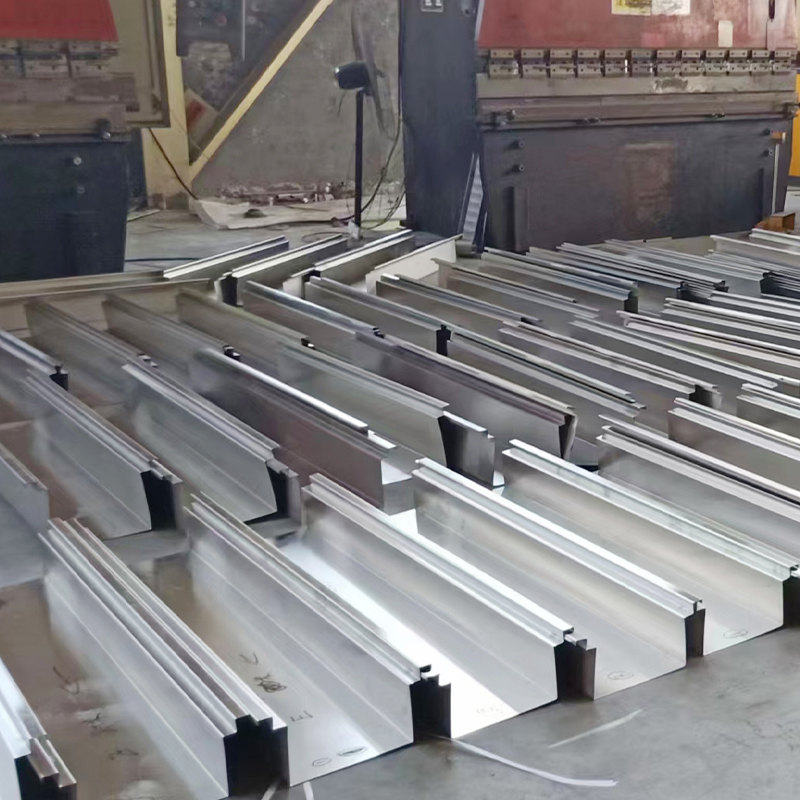
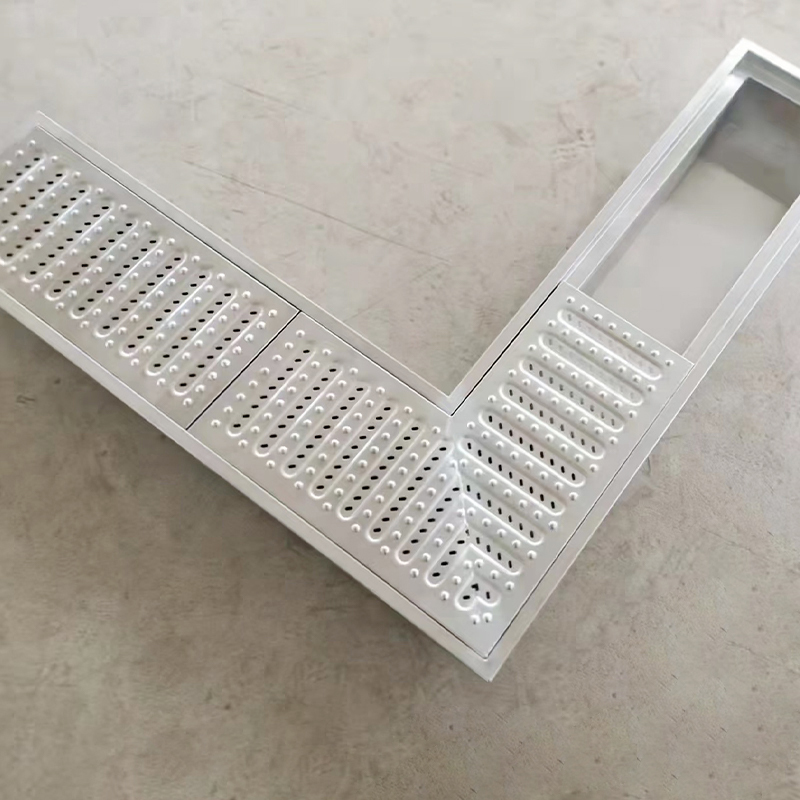
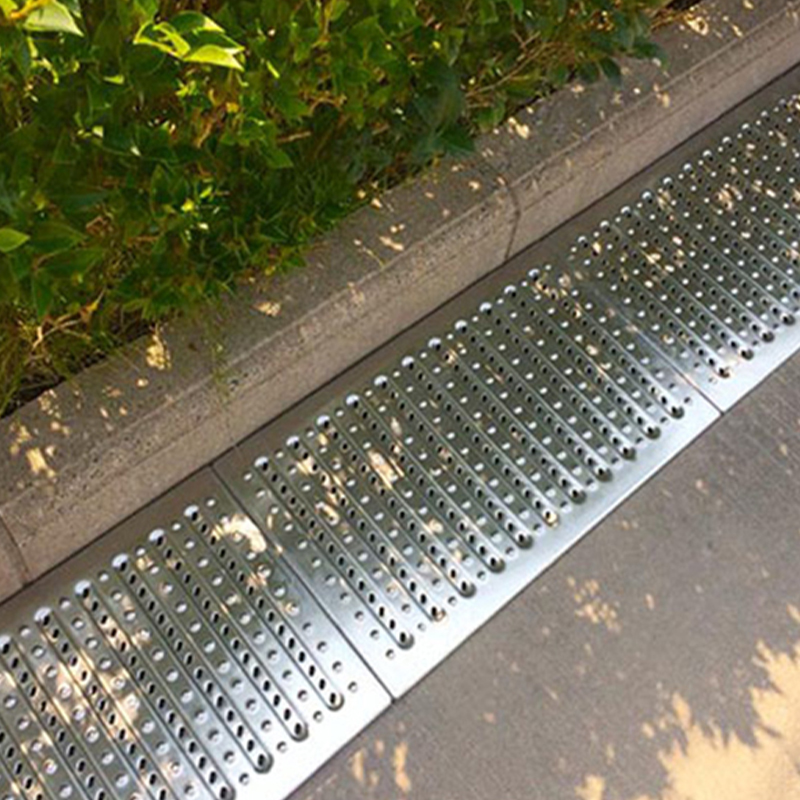
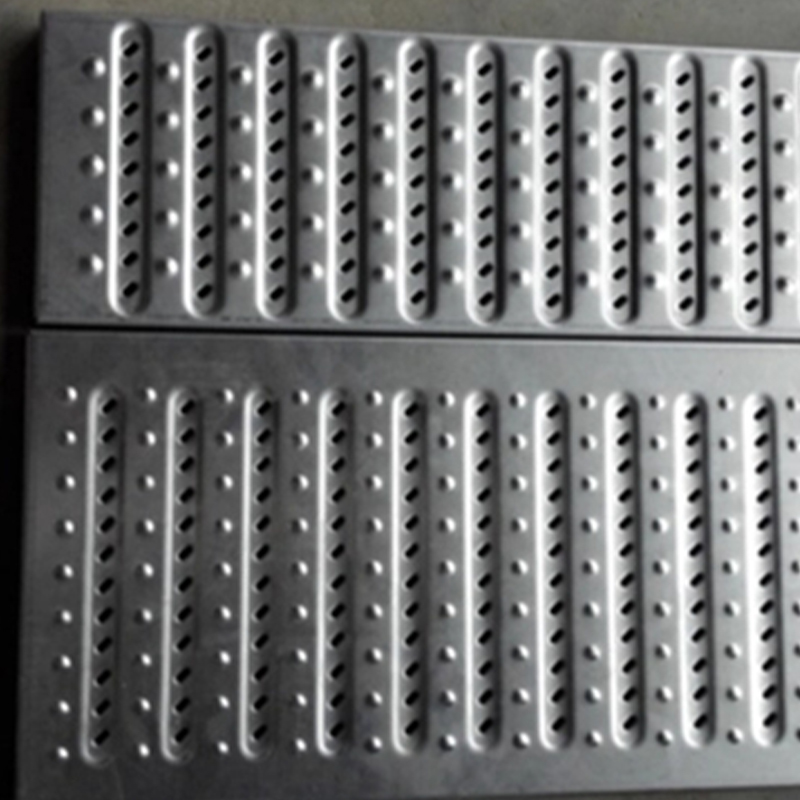
| Stainless steel stamped cover plate | Corrosion-resistant decorative cover | Commercial spaces, wet areas, architectural projects | Clean appearance and good corrosion resistance |
| Steel grating | High-inlet-area cover for rapid drainage | Industrial sites, parking lots, drainage corridors | Large open area and strong structural performance |
| Resin concrete cover plate | Cover compatible with resin concrete systems | Specialized drainage projects | Material compatibility and stable performance |
| Manhole covers and drainage pipes | Inspection and water transfer support | Drainage networks and utility systems | Completes the drainage infrastructure system |
This broad product portfolio allows project owners to select components according to performance rather than forcing one product into every situation. A city plaza may prioritize slot aesthetics and pedestrian safety, while an airport apron may prioritize load class, locking stability, and chemical resistance. A complete manufacturer can support both types of projects with tailored configurations.
The performance of a drainage channel depends strongly on manufacturing precision. A well-designed product can fail if production quality is inconsistent, while a carefully manufactured system provides reliable performance throughout its service life. Jiangsu Yameng Traffic Road Facilities Co., Ltd. emphasizes integrated production capability, combining design, mold making, CNC engraving, standardized manufacturing, and technical construction support.
Drainage design begins with understanding the project environment. The required flow capacity, load class, pavement type, installation depth, outlet position, maintenance access, chemical exposure, and visual requirements must all be considered. Professional design support helps translate these requirements into practical product selection and installation details.
For example, a commercial plaza with granite paving may need a narrow slot drain aligned with paving joints, while a municipal road may require a wider grate with anti-dislodgement locking. An industrial site may need reinforced rails and a chemically resistant channel body. By providing detailed design and drawings, the manufacturer helps reduce errors before construction begins.
Precast products rely on accurate molds. A poorly made mold can cause dimensional deviation, uneven joints, poor cover seating, or flow interruptions. Professional mold design ensures that each channel body and accessory module meets the required geometry. Good mold accuracy supports consistent joint alignment, stable grate placement, and predictable installation.
For GRC customization and architectural components, mold quality is equally important. Decorative panels, shaped drainage elements, and custom components require precise forming to achieve the intended appearance. The company’s use of mold designers and CNC engraving capability supports complex shapes and repeatable production quality.
CNC engraving improves precision in mold production and custom component development. It allows complex patterns, accurate profiles, and consistent details to be formed with a high level of repeatability. This is especially useful for GRC series products and projects requiring customized shapes, architectural finishes, or special drainage openings.
Customization is increasingly important in modern construction. Designers may require drainage channels that integrate with paving modules, match architectural themes, or fit unusual site geometry. CNC-supported production enables the manufacturer to respond to these requirements more efficiently than suppliers limited to basic standard molds.
Standardization is a major advantage of precast manufacturing. Raw material selection, batching, forming, curing, demolding, finishing, and inspection can be controlled through repeatable procedures. This helps eliminate common on-site problems such as uneven concrete strength, inaccurate slopes, weak edges, surface honeycombing, and inconsistent cover fit.
Quality assurance also includes checking dimensions, surface finish, structural integrity, and compatibility between channel bodies and covers. For drainage systems exposed to vehicle loads, the fit between the cover plate and edge support is particularly important. A stable seating surface reduces noise, movement, and impact damage. For slot drains and architectural applications, surface alignment and visual consistency are also critical.
Different materials offer different performance advantages. Resin concrete provides high density, low water absorption, chemical resistance, and smooth hydraulic surfaces. Ductile iron provides high load-bearing capacity and impact resistance. Stainless steel offers corrosion resistance and a refined appearance. Steel gratings provide large drainage openings and strong performance in industrial contexts. GRC products support architectural customization with strong decorative potential.
A manufacturer with a broad material portfolio can recommend the best combination for each project. This is a competitive advantage over suppliers that offer only one product type or cannot match material performance to site conditions.
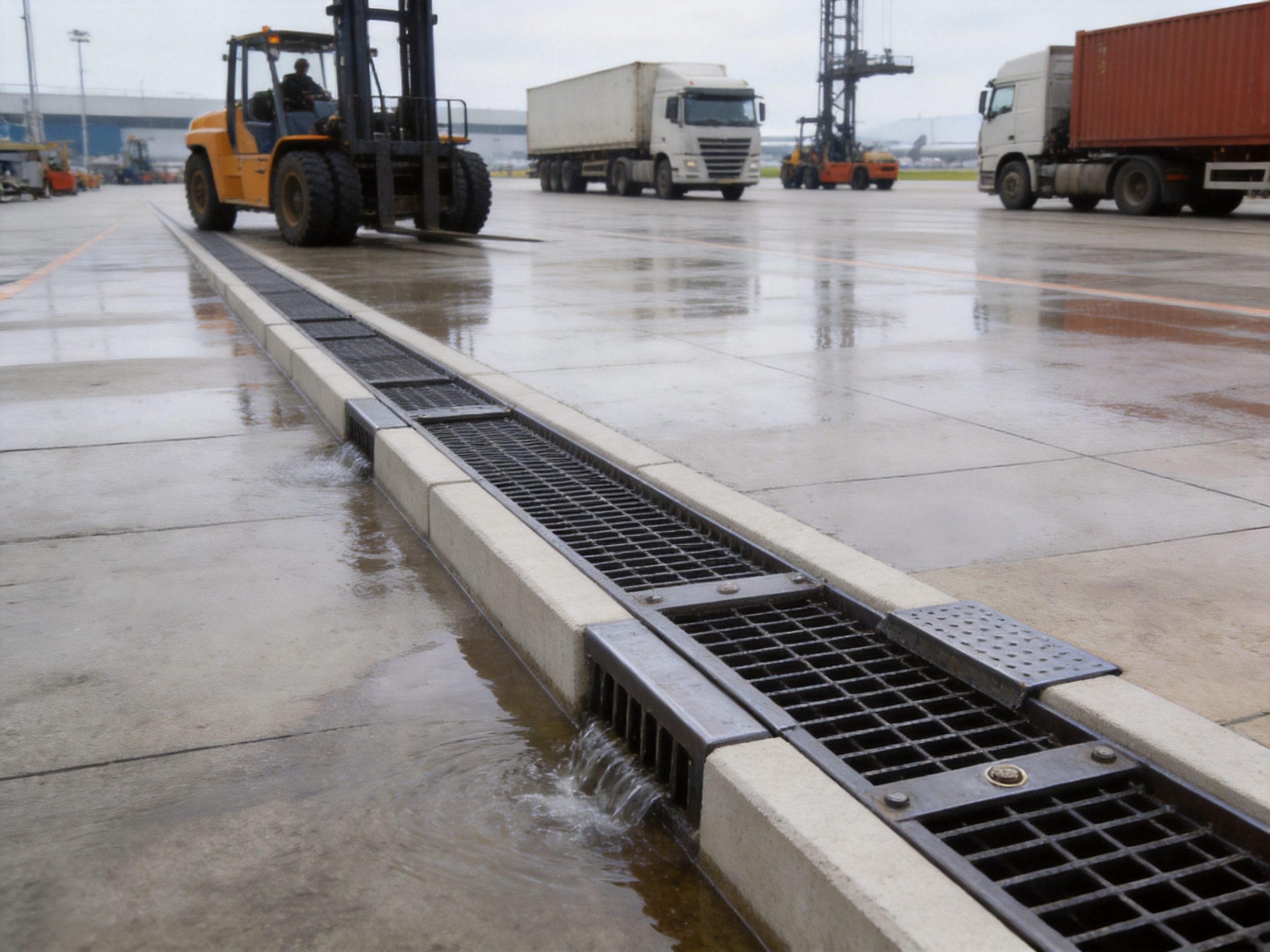
In the drainage market, customers often compare several options: cast-in-place concrete ditches, low-cost plastic channels, ordinary concrete channels, metal trench systems, and high-performance precast systems. While each has a place, engineered precast drainage channels provide a balanced solution for projects that require durability, efficiency, appearance, and long-term value.
Cast-in-place ditches are familiar to many contractors, but they depend heavily on site conditions. Rain, temperature, curing time, labor skill, formwork accuracy, and concrete quality can affect the final result. Edge breakage, rough surfaces, leakage, and uneven slopes are common problems when workmanship is inconsistent.
Precast channels reduce these risks because the product is made under factory control. Installation is faster, the channel geometry is more consistent, and the finished surface is smoother. This gives precast systems a significant advantage in commercial and municipal projects where schedule and appearance matter.
Plastic drainage channels may be lightweight and easy to handle, but they are not always suitable for heavy traffic, high temperatures, chemical exposure, or long-term structural demands. They may deform under load if not properly supported, and some materials can become brittle or unstable in harsh environments.
Precast resin concrete or reinforced drainage systems provide greater rigidity and long-term stability. They are better suited for roads, parking lots, industrial yards, and areas requiring higher load classes. While the initial product cost may be higher than low-grade plastic alternatives, the lifecycle value is often superior because the system is less likely to require early replacement.
Ordinary concrete channels may absorb water and chemicals, making them vulnerable to freeze-thaw cycles and chemical corrosion. Their internal surfaces can also be rougher, increasing sediment buildup and reducing flow efficiency over time.
Resin concrete and other high-performance precast materials offer a denser, smoother, and more corrosion-resistant alternative. This is especially important in cold climates, chemical plants, food processing areas, transportation hubs, and locations exposed to deicing salts.
Some drainage systems are assembled from unrelated channel bodies, cover plates, frames, and accessories. This can create problems with fit, load transfer, noise, and maintenance. A cover plate that does not match the channel body may rock under traffic, damage the seating edge, or become a safety hazard.
A system-based precast drainage solution is designed as a coordinated set of components. The channel, cover, edge protection, locking mechanism, inspection chamber, and outlet accessories work together. This integrated approach improves reliability and simplifies procurement because customers can source compatible components from one supplier.
Selecting a drainage channel is not only a matter of choosing a size. A successful drainage system must be designed according to hydraulic needs, load conditions, site use, installation details, and maintenance planning.
The drainage channel must be able to handle expected runoff. Designers should consider rainfall intensity, catchment area, surface slope, outlet spacing, and downstream pipe capacity. A channel with insufficient capacity may overflow even if it is structurally strong. Conversely, an oversized channel may be unnecessary for a small pedestrian area. Proper sizing helps balance performance and cost.
Load class should match the heaviest realistic use of the area. A pedestrian plaza does not require the same system as a container terminal, but a commercial driveway may occasionally receive fire trucks or delivery vehicles. Underestimating load requirements can lead to grate deformation, edge damage, and safety hazards. Heavy-duty applications may require reinforced edge rails, ductile iron covers, and secure locking systems.
In architectural environments, the visible part of the drainage system should coordinate with the pavement. Slot drains, stainless steel covers, and neat linear alignments can help preserve the design intent. The drainage line should be positioned to collect water efficiently while remaining visually organized within the paving pattern.
Sites exposed to acids, alkalis, oils, fuels, salt, or cleaning agents require careful material selection. Resin concrete, stainless steel, coated ductile iron, or other resistant materials may be needed. Freeze-thaw resistance should also be considered in cold regions, especially where water may enter pores and expand during freezing.
Even the best drainage channel requires periodic cleaning. Designers should include inspection chambers, removable cover sections, flushing access, and sediment collection points where appropriate. Good maintenance planning prevents blockage and preserves hydraulic performance.
Installation efficiency is one of the most valuable benefits of precast drainage channels. On busy projects, time saved during drainage construction can improve the entire project schedule. Because channel units arrive ready for placement, contractors can avoid many of the delays associated with on-site forming and curing.
A typical installation process includes setting out the drainage line, excavating the trench, preparing the bedding or concrete foundation, placing channel units to line and level, connecting outlets, installing grates or covers, backfilling the sides, and finishing the pavement. The modular nature of the system allows crews to progress quickly and maintain alignment. For long drainage runs, this can produce major time savings.
Reduced wet work also supports cleaner construction sites. Less on-site concrete pouring means lower risk of slurry pollution, fewer curing constraints, and reduced dependence on weather. This contributes to environmental goals and helps projects align with green building principles. In urban areas, faster and cleaner construction also reduces inconvenience for pedestrians, businesses, and traffic.
Sustainable construction is not only about using environmentally friendly materials. It also includes reducing waste, minimizing rework, shortening construction time, improving service life, and designing infrastructure that protects surrounding pavements and water systems. Precast drainage channels contribute to sustainability in several ways.
First, factory production improves material efficiency. Controlled batching and repeatable molds reduce waste compared with improvised on-site construction. Second, faster installation reduces the energy and emissions associated with extended construction activity. Third, durable products with high resistance to corrosion, freeze-thaw damage, and load stress can remain in service longer, reducing replacement frequency.
Effective drainage also protects the surrounding built environment. By removing water quickly, the system helps prevent pavement deterioration, soil erosion, structural moisture damage, and hazardous standing water. These indirect benefits can be substantial over the life of a project.
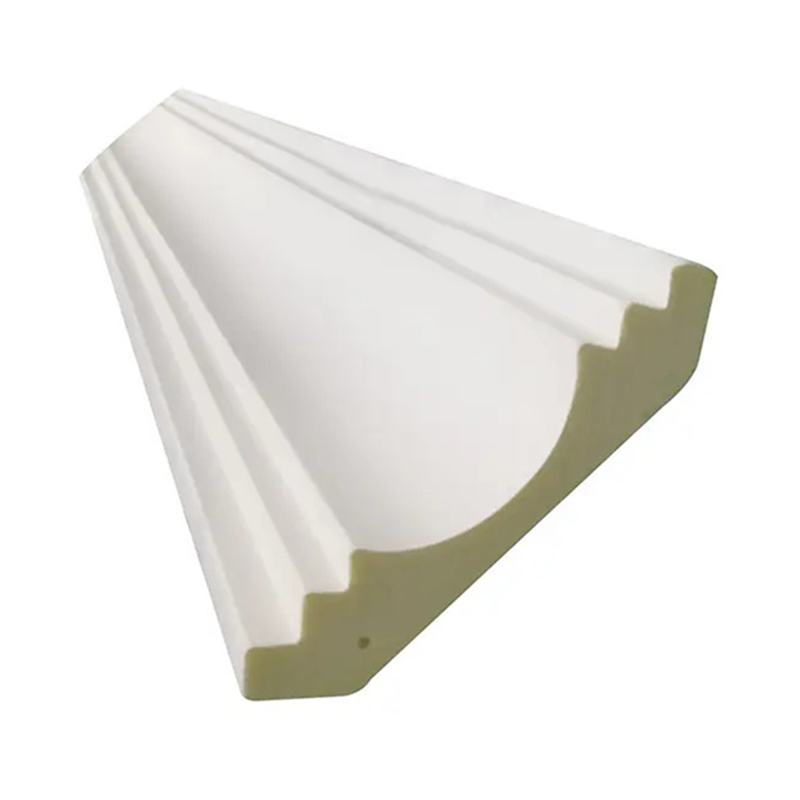
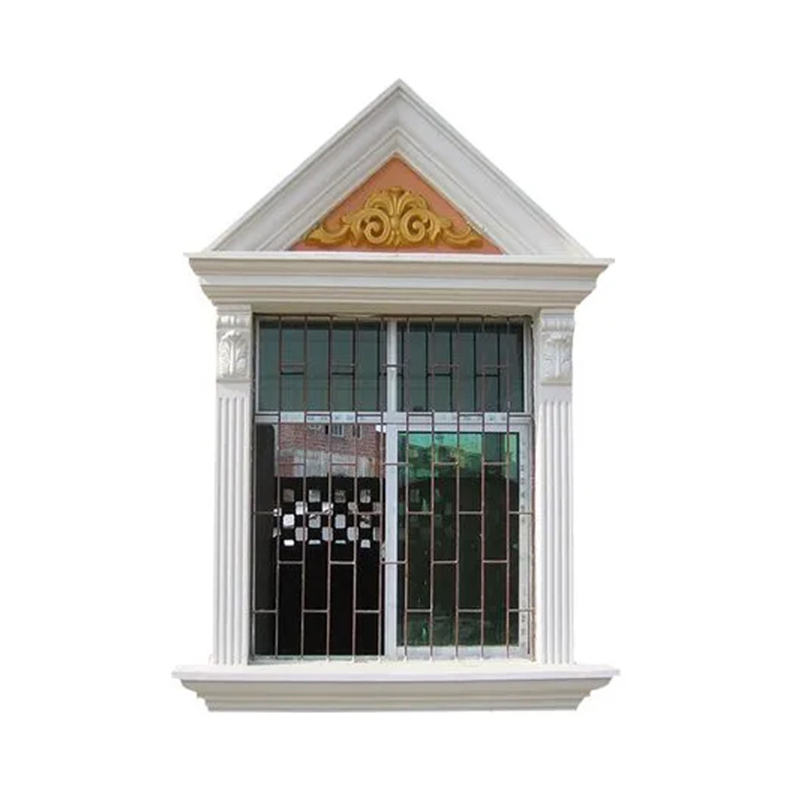
In addition to drainage channel products, the company’s GRC series provides another area of technical capability. GRC, or glass fiber reinforced concrete, is widely used for architectural components because it can be formed into complex shapes while maintaining strength and relatively low weight. The availability of professional designers, mold designers, CNC engravers, and experienced production and construction technicians allows the company to provide complete GRC services from design development to after-sales support.
This customization capability complements drainage projects. Modern landscapes and commercial developments often require both functional drainage and architectural coordination. Custom GRC components can be used in facades, landscape features, decorative structures, and integrated site elements. When drainage and architectural customization are supported by one experienced technical team, project coordination becomes more efficient.
The complete service process includes detailed design, drawing preparation, mold making, production, on-site construction support, and after-sales assistance. This full-chain capability is an important strength because it reduces communication gaps between design intent and final installation.
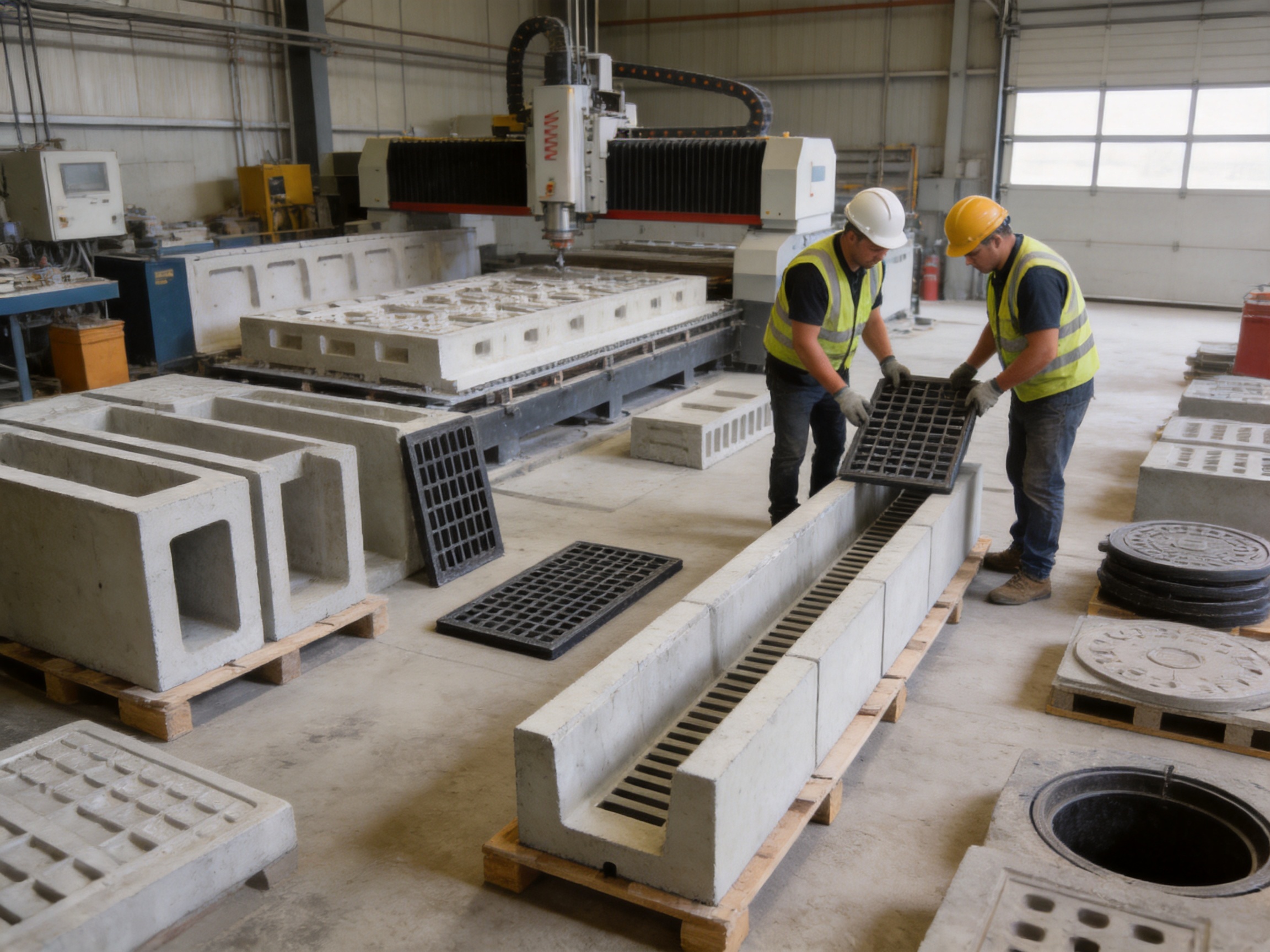
Jiangsu Yameng Traffic Road Facilities Co., Ltd. is positioned as a specialized supplier for drainage channel products and GRC customization. Its location in Nantong, Jiangsu Province provides convenient logistics advantages, including transportation and waterway access. This supports efficient supply to different regions and project types.
The company’s product scope is broad enough to serve municipalities, commercial developers, industrial operators, contractors, and infrastructure projects. By offering drainage ditches, cover plates, manhole covers, drainage pipes, and related accessories, it can support complete drainage network requirements rather than only isolated components.
Another strength is the company’s commitment to integrity, responsibility, focus, and innovation. In infrastructure supply, these values matter because customers need reliable communication, consistent product quality, technical support, and responsible after-sales service. Drainage systems are long-term assets, and selecting a supplier with a serious quality culture can reduce risk for project owners.
When choosing a precast drainage channel, project teams should begin by defining the environment. Is the area pedestrian-only, light-vehicle, heavy-vehicle, or extreme industrial? Is the design visually sensitive? Will the channel encounter chemicals, salt, oil, or freeze-thaw cycles? How much water must be collected, and where will it discharge? These questions help narrow product selection.
For pedestrian plazas and commercial landscapes, slot drainage channels or stainless steel cover systems may be preferred because they combine clean appearance with safety. For parking lots and municipal roads, strong linear drainage ditches with ductile iron covers and stable locking systems may be more appropriate. For logistics centers, airports, and container terminals, heavy-duty resin concrete channels with reinforced rails and high load-rated grates should be considered. For architectural projects requiring special shapes or decorative integration, custom GRC support may add value.
It is also important to consider future maintenance. A drainage system should not only perform on the first day after installation; it should remain easy to clean and inspect over years of service. Removable grates, inspection chambers, accessible outlets, and smooth internal surfaces all contribute to long-term reliability.
Drainage failures can be expensive. A blocked, broken, or undersized channel can cause pavement flooding, traffic disruption, building water ingress, slip accidents, and structural deterioration. Therefore, drainage should be treated as a critical infrastructure element rather than a minor accessory.
High-quality precast drainage channels provide long-term value by reducing these risks. Their controlled manufacturing improves reliability, their modular installation saves time, and their material options allow adaptation to difficult environments. When matched with appropriate covers and accessories, they can support both safety and durability.
For contractors, the value lies in faster installation and fewer construction uncertainties. For designers, the value lies in performance options and aesthetic flexibility. For owners, the value lies in reduced maintenance, longer service life, and improved site safety. For municipalities and industrial operators, the value lies in dependable water management under demanding conditions.
Precast drainage channels are used to collect and convey surface water from paved areas, roads, plazas, parking lots, industrial yards, transportation hubs, and landscaped spaces. They help prevent water accumulation, protect pavements, improve safety, and support efficient stormwater management.
Precast channels are manufactured in advance under factory conditions and delivered as modular units. This eliminates much of the on-site formwork, pouring, curing, and finishing required for cast-in-place concrete. As a result, installation can be significantly faster and less affected by weather or variable workmanship.
Yes. When properly specified, precast drainage channels can be used in heavy-traffic areas such as municipal roads, parking lots, logistics centers, airports, and industrial yards. Heavy-duty systems may include high load-rated channel bodies, ductile iron cover plates, reinforced edge rails, and secure locking mechanisms.
Slot drainage provides a narrow and discreet surface opening that blends with paving materials. It offers effective water collection while preserving the clean visual appearance of plazas, pedestrian streets, parks, residential communities, and premium commercial areas.
Resin concrete is dense, non-porous, and non-absorbent. These properties help resist freeze-thaw damage and chemical attack from acids, alkalis, salts, and industrial runoff. Its smooth inner surface also improves flow and makes cleaning easier.
Common options include ductile iron cover plates, stainless steel stamped cover plates, steel gratings, and resin concrete cover plates. The best choice depends on load requirements, corrosion exposure, appearance expectations, and maintenance needs.
The load class should be selected according to the heaviest expected traffic, including occasional vehicles such as delivery trucks, fire trucks, forklifts, or specialized industrial equipment. It is safer to evaluate realistic operating conditions rather than only daily traffic.
Yes. Customization may include channel dimensions, cover plate type, slot design, outlet position, edge protection, and GRC-related architectural components. With professional design, mold development, and CNC engraving capability, customized solutions can be developed for specific project needs.
Maintenance usually includes periodic inspection, removal of debris from grates or slots, flushing of channel interiors, and cleaning of inspection chambers. Systems with removable covers and smooth internal surfaces are easier to maintain.
Sourcing from one manufacturer improves component compatibility. Channel bodies, grates, cover plates, locking devices, manhole covers, and accessories are more likely to fit correctly and perform as a complete system. This reduces installation problems and long-term maintenance risks.
Precast drainage channels are versatile, efficient, and durable solutions for modern surface water management. They serve a wide range of environments, from visually refined pedestrian plazas to high-load industrial terminals. Their advantages over conventional drainage methods include faster installation, factory-controlled quality, better hydraulic performance, stronger load resistance, improved corrosion resistance, and easier maintenance.
Jiangsu Yameng Traffic Road Facilities Co., Ltd. supports these advantages with a broad product portfolio, professional design capability, mold development, CNC engraving, standardized production, GRC customization, and experienced technical service. By combining product diversity with manufacturing strength, the company provides drainage solutions that meet the practical needs of contractors, designers, municipalities, commercial developers, and industrial operators.
As infrastructure projects demand greater reliability, shorter construction periods, improved aesthetics, and stronger lifecycle performance, precast drainage channels will continue to play an important role. Choosing a well-engineered system and a capable manufacturing partner helps ensure that drainage infrastructure remains safe, efficient, and durable for years of service.
American Concrete Institute. Guide for Concrete Floor and Slab Construction.
European Committee for Standardization. Drainage Channels for Vehicular and Pedestrian Areas: Classification, Design and Testing Principles.
Construction Industry Research and Information Association. Sustainable Drainage Systems: Design and Maintenance Guidance.
Portland Cement Association. Design and Control of Concrete Mixtures.
Transportation Research Board. Stormwater Drainage Design for Transportation Facilities.
International Organization for Standardization. Quality Management Systems and Industrial Production Control Guidelines.
Related Products
Our Modular GRC System merges installation speed with long-term durability, providing a high-perform...
READ MOREOur Modular GRC System merges installation speed with long-term durability, providing a high-perform...
READ MOREOur Modular GRC System merges installation speed with long-term durability, providing a high-perform...
READ MOREOur Modular GRC System merges installation speed with long-term durability, providing a high-perform...
READ MOREOur Modular GRC System merges installation speed with long-term durability, providing a high-perform...
READ MOREOur Modular GRC System merges installation speed with long-term durability, providing a high-perform...
READ MORE
Contact us
Factory Address
Group 12, Quanxin Village, Donghai Town, Qidong City, Nantong City, Jiangsu Province, China
phone
+86-13914963840
+86-13451754670
products
QR CODE
 Wholesale Drainage Ditch Manufacturers