 English
 Español
 عربى
عربى

Fluid Design Architectural GRC Curtain Wall Panels are modern façade solutions that blend aesthetics...
READ MOREJun 02, 2026
Content
Architectural door and window frames are more than decorative borders. They are exposed transition components that must connect openings, protect edges, enhance facade character, and resist decades of weathering. In modern residential communities, public buildings, commercial complexes, municipal facilities, and renovation projects, exterior frame materials are expected to provide strength, dimensional stability, refined appearance, low maintenance, and long service life. Alkali-Resistant Durable GRC door and window frames are engineered for this demanding role, combining glass fiber reinforced cement technology with high-zirconia alkali-resistant fibers, optimized aggregate grading, accurate mold production, and controlled manufacturing procedures.
The key value of these frames is their ability to address two long-term problems that commonly affect exterior architectural components: chemical erosion and structural aging. Ordinary plaster, low-grade cement components, and poorly reinforced concrete profiles may initially appear acceptable, but their performance often declines under alkaline cement chemistry, moisture penetration, ultraviolet exposure, freeze-thaw stress, temperature movement, and installation impact. By contrast, Alkali-Resistant Durable GRC door and window frames are designed to maintain structural integrity, surface quality, and decorative consistency over a longer life cycle.
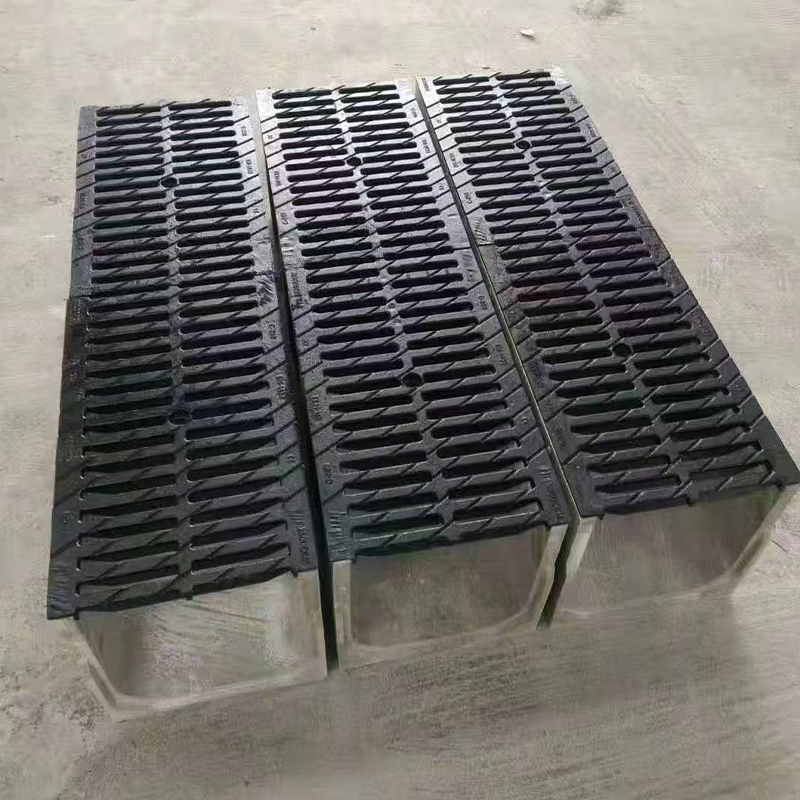
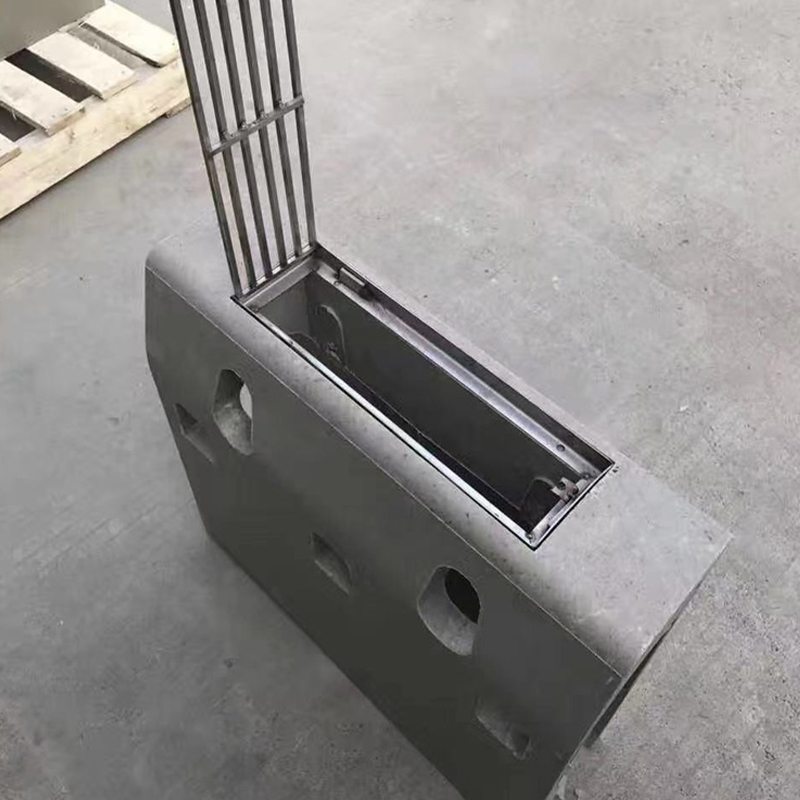
Jiangsu Yameng Traffic Road Facilities Co., Ltd. manufactures drainage channel products and customized GRC components with a service system that covers detailed design, drawing preparation, mold making, production, on-site construction support, and after-sales assistance. The company’s experience in drainage ditches, cover plates, manhole covers, drainage pipes, and GRC customization gives it a practical understanding of infrastructure durability, water exposure, load resistance, and long-term outdoor use. This industrial background strengthens its ability to produce architectural GRC frames that are not only visually refined but also reliable in real project conditions.
Alkali-Resistant Durable GRC door and window frames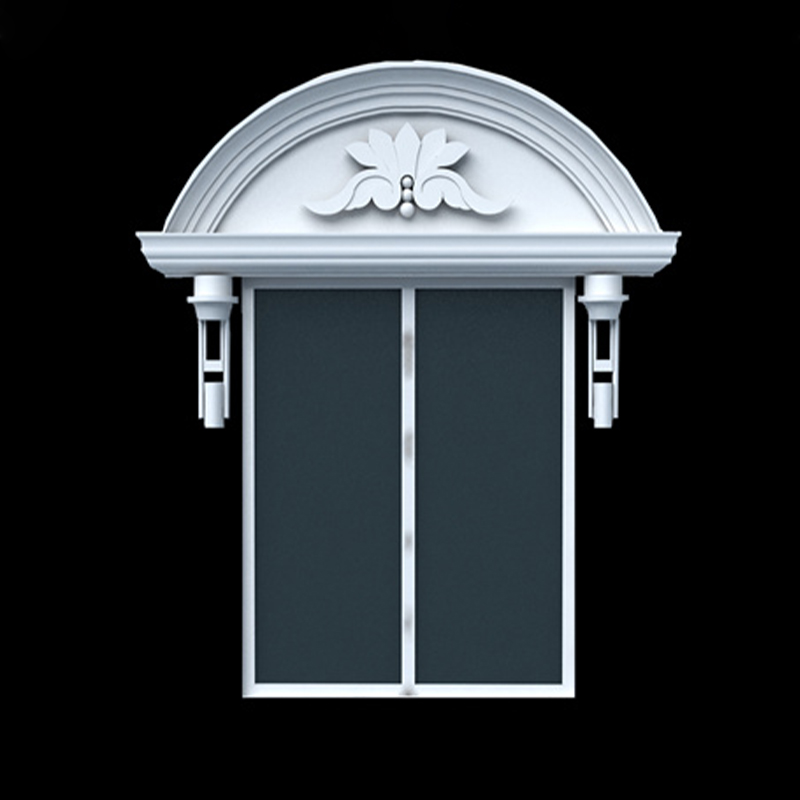
Alkali-Resistant Durable GRC door and window frames belong to the GRC door and window frames category. GRC, also known as glass fiber reinforced cement, is a composite material made from cementitious matrix materials reinforced with glass fibers. When properly designed and manufactured, GRC can deliver a favorable combination of strength, light weight, moldability, crack resistance, weatherability, and architectural freedom. These qualities make it suitable for decorative facades, cornices, window surrounds, door surrounds, columns, panels, and other exterior components.
The product is specifically engineered with high-zirconia alkali-resistant glass fibers. This is important because cement-based materials are naturally alkaline. Standard glass fibers can lose strength over time when embedded in a highly alkaline cement matrix, causing gradual performance loss. High-zirconia alkali-resistant fibers are formulated to resist this chemical environment, helping the composite preserve reinforcement performance and avoid premature aging.
The frames also adopt an optimized aggregate grading system. Aggregate grading affects density, porosity, shrinkage behavior, surface hardness, and crack resistance. When the particle size distribution is carefully controlled, the cement matrix becomes denser and more compact. A dense structure reduces water absorption pathways, limits the development of internal voids, improves resistance to surface peeling, and supports long-term dimensional stability. This makes the frames suitable for high-humidity climates, rainy environments, sun-exposed facades, and areas where traditional exterior decoration materials require frequent repair.
In practical architectural use, the frames can be customized according to project drawings and facade design requirements. They can be manufactured in different profiles, widths, depths, patterns, textures, and edge details. This flexibility allows designers to achieve classical, modern, minimal, or project-specific visual effects without sacrificing durability. Unlike natural stone, which is heavy and limited by quarry shape, or ordinary precast concrete, which can be thick and difficult to refine, GRC can create crisp details and repeatable profiles with better handling efficiency.
Alkali resistance is not a minor technical detail. It is one of the most important performance factors for any glass-fiber-reinforced cement product expected to last outdoors. Cement hydration produces an alkaline environment. If the reinforcing fiber is not chemically compatible with that environment, the fiber can gradually deteriorate. Once reinforcement weakens, the component becomes more vulnerable to cracking, impact damage, and structural fatigue.
In exterior door and window frames, this risk is amplified by exposure conditions. Frames are installed around openings where rainwater, condensation, sealant interfaces, thermal bridges, and facade movement can create repeated stress. If water enters microcracks and remains within the material, chemical reactions and mechanical deterioration may accelerate. Poorly reinforced frames may crack around corners, chip along edges, or detach from substrates. In high-rise or public buildings, such failures create safety, appearance, and maintenance concerns.
The use of high-zirconia alkali-resistant fibers helps solve this issue at the material level. Zirconia content improves fiber durability in alkaline cement matrices. Instead of relying only on thickness or external coatings, the product’s reinforcement system is selected to perform inside the composite. This gives the frames a more reliable long-term foundation than products using unsuitable fibers or low-grade reinforcement.
Competitor products may sometimes emphasize low cost, rapid production, or simple appearance, but may not fully disclose fiber type, zirconia content, matrix design, curing discipline, or quality inspection. In contrast, Alkali-Resistant Durable GRC door and window frames are positioned for projects that require superior longevity and reduced maintenance frequency. The advantage is not merely initial strength; it is sustained strength over years of exposure.
When compared with common exterior frame materials, Alkali-Resistant Durable GRC door and window frames offer a balanced performance profile. They are lighter than many solid concrete or stone components, more durable than ordinary plaster, more moldable than metal profiles for decorative forms, and more weather-resistant than many low-cost exterior trims. Their value becomes clear when evaluating the full service life rather than only the purchase price.
Ordinary plaster frames are often inexpensive, but they may absorb moisture, crack easily, and require repainting or patching. Standard concrete frames can be strong but heavy, difficult to install, and less suitable for fine decorative details. Natural stone has prestige but can be expensive, heavy, and difficult to customize in large quantities. Polymer-based decorative components may be lightweight but can face concerns related to ultraviolet aging, thermal deformation, fire performance, or surface impact resistance, depending on material type.
GRC frames, when manufactured with alkali-resistant reinforcement and dense matrix technology, can achieve a strong combination of architectural detail and engineering performance. They can reproduce complex shapes, maintain clean edges, reduce structural load, and withstand outdoor weathering. This makes them well suited for large-scale residential communities, hotels, schools, hospitals, office buildings, public infrastructure, cultural buildings, and renovation projects where consistency, cost control, and long-term appearance are important.
| Evaluation Factor | Alkali-Resistant Durable GRC Frames | Ordinary Plaster Frames | Standard Concrete Frames | Natural Stone Frames |
|---|---|---|---|---|
| Alkali durability | High, supported by alkali-resistant glass fibers | Limited, depends on coating and substrate quality | Moderate to high, but often without fiber reinforcement | Not fiber based, but may be affected by staining or weathering |
| Crack resistance | Strong due to fiber reinforcement and dense matrix | Weak to moderate | Moderate, but heavy sections may still crack | Good in compression, vulnerable to edge chipping |
| Weight | Relatively lightweight for architectural components | Light to moderate | Heavy | Heavy |
| Detail customization | Excellent, suitable for complex profiles and repeatable molds | Good, but durability may be lower | Moderate | Limited by cutting and cost |
| Maintenance demand | Low over the life cycle | Often high | Moderate | Moderate to high, depending on stone type and installation |
| Project cost efficiency | High when long-term repair reduction is considered | Low initial cost but higher maintenance risk | Higher logistics and installation cost | High material and processing cost |
The comparison shows why GRC frames are increasingly preferred for projects that need both decorative quality and reliable engineering performance. The product is not simply an alternative trim material; it is a durable architectural component designed for the life-cycle realities of exterior construction.
The phrase “superior alkali integrity” describes the product’s ability to maintain reinforcement performance inside a cementitious environment. In GRC, the fiber and matrix must act together. The cement matrix provides shape, compressive strength, surface finish, and environmental resistance. The glass fibers provide tensile reinforcement, crack control, impact resistance, and toughness. If either part fails, the composite loses its intended balance.
High-zirconia alkali-resistant fibers are selected because they resist the chemical attack that ordinary glass fibers may suffer in cement. This reduces the risk of long-term strength degradation. Over time, this means the frames remain more resistant to microcracking, corner weakness, and weather-induced fatigue. For architects and project owners, this translates into greater confidence that facade lines, frame edges, and decorative profiles will remain stable after years of exposure.
Many facade failures begin with very small defects. A hairline crack around a window surround may allow moisture penetration. That moisture may expand during freezing weather, dissolve soluble compounds, stain the surface, or weaken the bond between component and substrate. With improved alkali-resistant reinforcement, the material is better able to distribute stress and prevent small cracks from developing into serious damage.
This advantage is especially important for large projects. In a residential community with hundreds or thousands of windows, even a small failure rate can create substantial repair costs. Durable GRC frames reduce the probability of widespread maintenance events. Their low maintenance frequency is one reason they are highly suitable for large-scale developments and public infrastructure projects where long-term budgets matter.
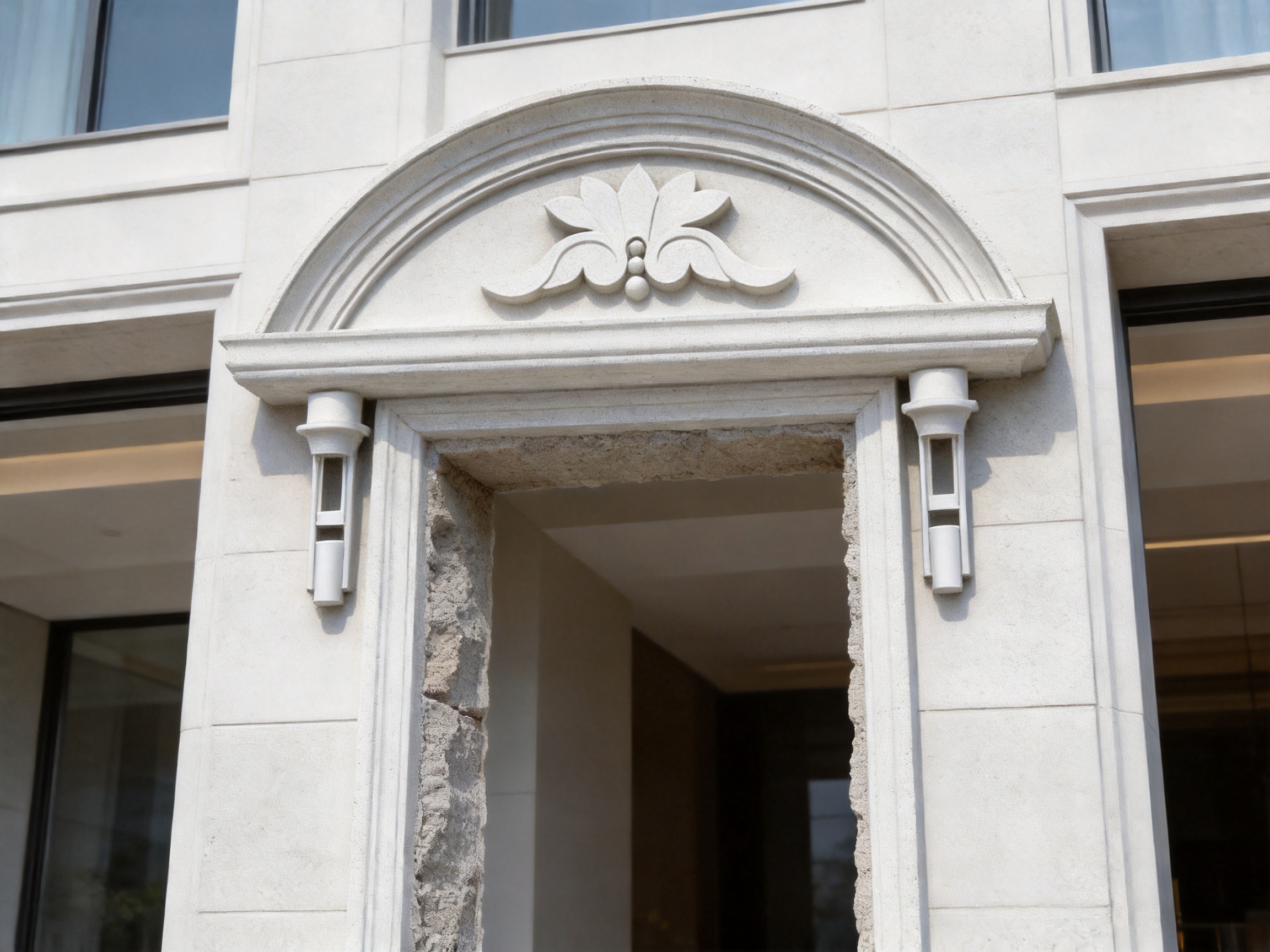
The product’s high-density anti-cracking structure is achieved through optimized aggregate grading and controlled production. Aggregate grading determines how fine and coarse particles pack together inside the cement matrix. If the grading is poor, voids remain between particles, increasing porosity and reducing strength. If grading is optimized, smaller particles fill spaces between larger particles, resulting in a denser and more stable structure.
A dense GRC matrix improves performance in several ways. First, it reduces pathways for water penetration. Lower water absorption helps protect the component from moisture-related damage, efflorescence, freeze-thaw stress, and internal deterioration. Second, it increases surface hardness. The product description highlights improved Mohs hardness, which helps the surface resist abrasion and minor impact. Third, it improves crack resistance because a compact structure distributes stress more evenly.
High humidity and intense ultraviolet exposure are two conditions that test exterior materials. Humidity can encourage moisture absorption, biological staining, and bond deterioration. Ultraviolet radiation can degrade coatings, discolor surfaces, and heat exterior components, creating thermal movement. Alkali-Resistant Durable GRC door and window frames are designed to resist cracking and peeling under these conditions. Their performance does not depend solely on surface paint or external protection; it is built into the composite structure.
For buildings in coastal regions, rainy climates, hot-summer areas, or high-exposure urban environments, this dense anti-cracking design is a significant advantage. Door and window frames are often located where rainwater flows down the facade, where sealant joints meet substrate edges, and where shadows and sunlight create uneven thermal cycles. A stronger, denser material helps the frame maintain its shape and appearance despite these repeated environmental changes.
In construction procurement, initial unit price often receives the most attention. However, exterior architectural components should be evaluated by life-cycle cost. A cheaper frame that cracks, stains, peels, or detaches within a few years may become more expensive than a higher-quality product with low maintenance needs. Repair work on facades can involve scaffolding, labor, safety management, tenant disturbance, repainting, waterproofing, and replacement components. These hidden costs can exceed the original savings.
Alkali-Resistant Durable GRC door and window frames are designed for low maintenance frequency. Their physical properties exceed those of standard plaster or ordinary concrete components in key areas such as crack resistance, alkali durability, density, weather resistance, and decorative stability. As a result, they are a cost-effective choice for projects where appearance must be maintained over a long period.
Large-scale residential communities benefit from uniformity and repeatability. When every building elevation uses the same profile, consistency matters. If some frames discolor or crack earlier than others, the entire community appears aged. Durable GRC frames help maintain consistent facade quality across many units. Public infrastructure projects also benefit because maintenance budgets are often limited and repairs may disrupt public use. A component that lasts longer and requires fewer interventions creates operational value.
For developers, the advantage includes both construction efficiency and post-handover reputation. Durable exterior details reduce complaint risk and improve perceived project quality. For contractors, stable components reduce installation breakage and rework. For architects, GRC frames provide design flexibility without forcing a compromise between detail and durability. For owners, the material supports lower long-term maintenance costs.
A high-quality GRC product requires more than good raw materials. It requires a complete manufacturing system. Jiangsu Yameng Traffic Road Facilities Co., Ltd. supports its GRC series with professional designers, mold designers, CNC engravers, and an experienced production and construction technical team. This integrated capability is important because architectural frames must match drawings accurately, fit installation conditions, and maintain consistent dimensions across production batches.
The manufacturing process begins with design communication. Project requirements may include opening size, profile depth, facade style, installation method, surface texture, color expectations, joint planning, and transportation constraints. The design team translates these requirements into technical drawings. Accurate drawings reduce misunderstanding and help ensure that the finished frames align with the building structure and facade system.
Mold design is the next critical stage. GRC is highly moldable, but the quality of the mold determines the sharpness, smoothness, dimensional accuracy, and repeatability of the finished component. Mold designers consider demolding angles, corner details, reinforcement placement, surface finish, and production efficiency. CNC engraving can be used to create precise mold patterns and decorative profiles. This allows the company to produce frames with clean lines, repeatable geometry, and refined architectural details.
During production, raw material selection, mixing ratios, fiber distribution, aggregate grading, casting or spraying technique, compaction, curing, and inspection must be controlled. If fibers are unevenly distributed, the frame may have weak zones. If curing is rushed, the matrix may not develop proper strength. If aggregate grading varies, density and surface quality may become inconsistent. Advanced manufacturing strength lies in controlling these variables repeatedly, not only producing one successful sample.
After production, components are inspected for dimensions, surface defects, edge integrity, cracks, color consistency, and overall quality. Packaging and transport protection are also essential because architectural frames often include detailed edges that must remain intact before installation. A complete service system from design through after-sales support helps reduce project risk and ensures that the product performs as intended on site.
The performance of Alkali-Resistant Durable GRC door and window frames is closely linked to process control. In GRC manufacturing, several technical factors determine final quality. These include cement quality, sand and aggregate cleanliness, water-cement ratio, admixture compatibility, fiber length, fiber dosage, fiber dispersion, mold release control, curing temperature, curing humidity, and handling timing. Each factor affects strength, shrinkage, surface finish, and durability.
High-zirconia alkali-resistant glass fibers must be incorporated in a way that allows effective reinforcement. The fibers need proper distribution within the cement matrix so that they can bridge microcracks and improve toughness. Poor mixing can lead to fiber clumping or uneven reinforcement. Controlled production helps avoid these defects and ensures that the frames deliver consistent performance.
Optimized aggregate grading is another example of material engineering. Instead of relying on a simple cement-sand mixture, the material composition is adjusted to achieve density and stability. A well-graded matrix can reduce shrinkage, increase hardness, and improve resistance to peeling. This is particularly valuable for door and window frames because the components may include narrow sections, corners, decorative grooves, and exposed edges.
Curing is equally important. Cementitious materials continue to develop strength through hydration. Proper curing helps control moisture loss and supports complete hydration. If a component dries too quickly, surface cracking or reduced strength may occur. If curing is inconsistent, batch performance may vary. A disciplined curing process improves long-term durability and reduces the risk of early defects.
These manufacturing details distinguish high-quality GRC products from low-cost imitations. Competitors may produce visually similar frames, but without strict control of fiber quality, matrix density, mold precision, and curing, the long-term performance may be very different. For projects where facade reliability matters, manufacturing discipline is a decisive advantage.
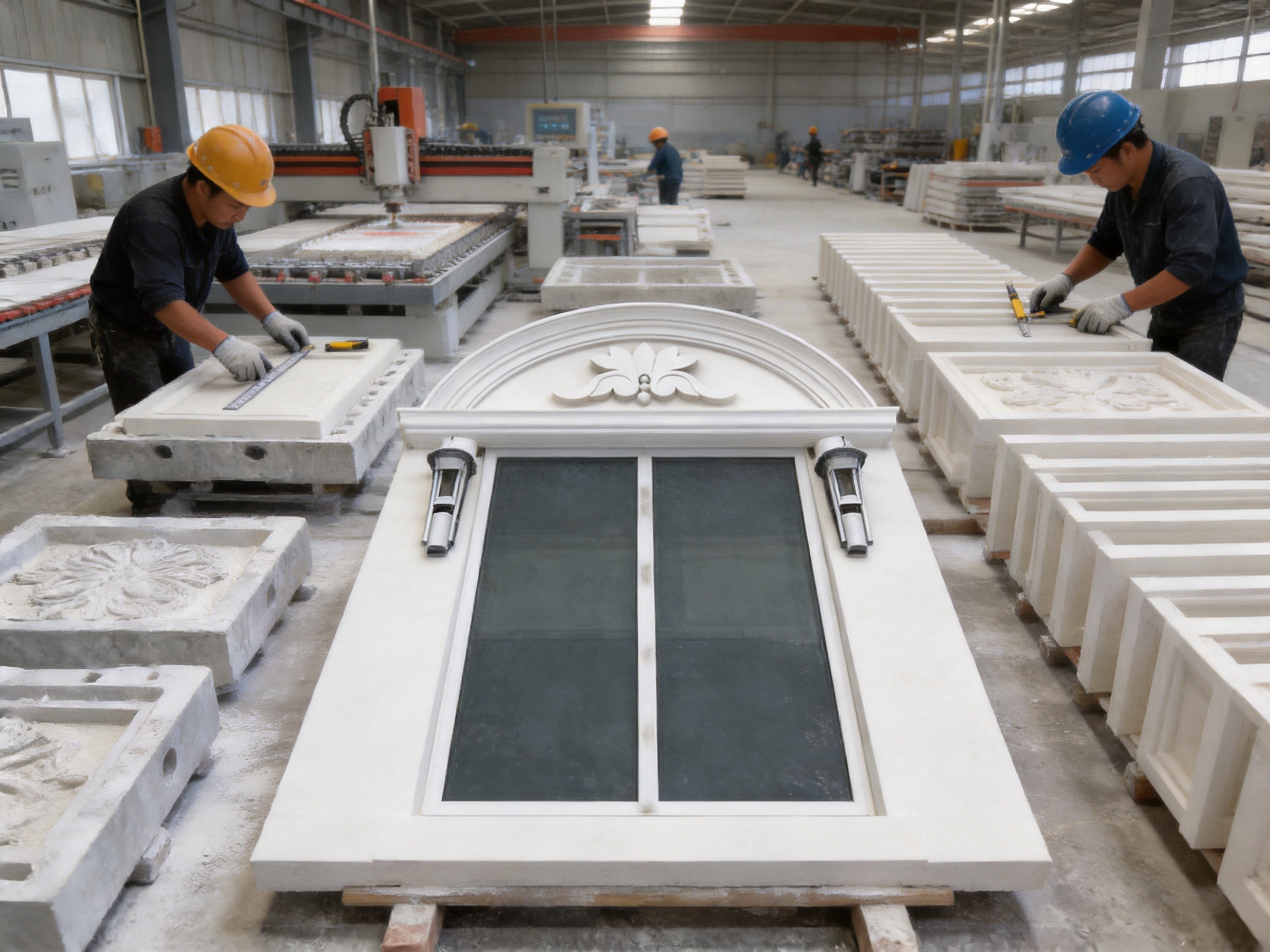
Jiangsu Yameng Traffic Road Facilities Co., Ltd. is located in Nantong, Jiangsu Province, China, an area with convenient transportation and waterway access. The company mainly engages in drainage ditch projects and GRC customization, following the principles of integrity, quality, responsibility, focus, and innovation. This combination of infrastructure product experience and architectural customization capability supports a practical approach to manufacturing.
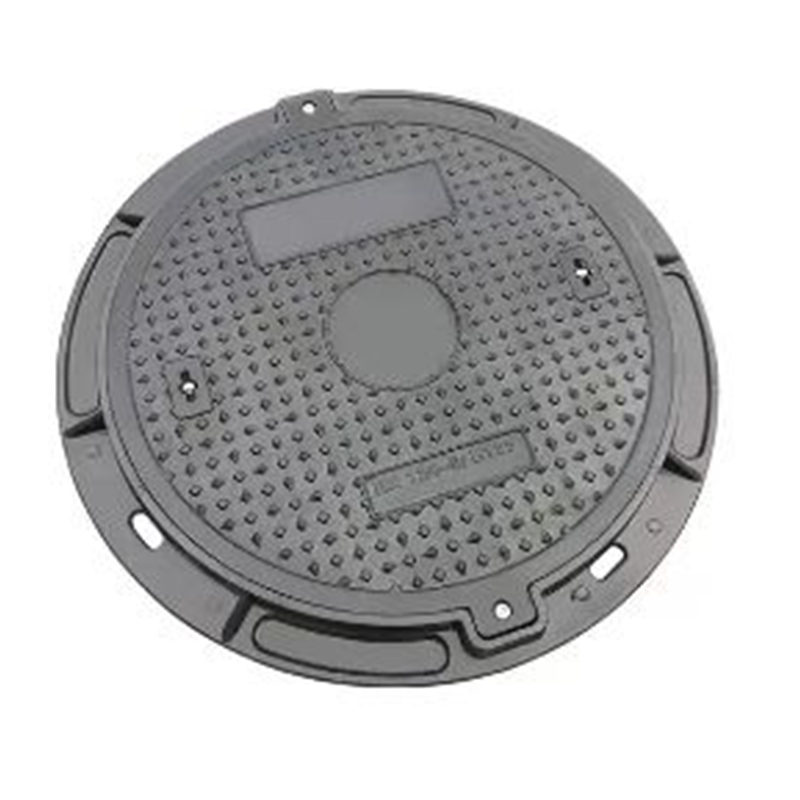
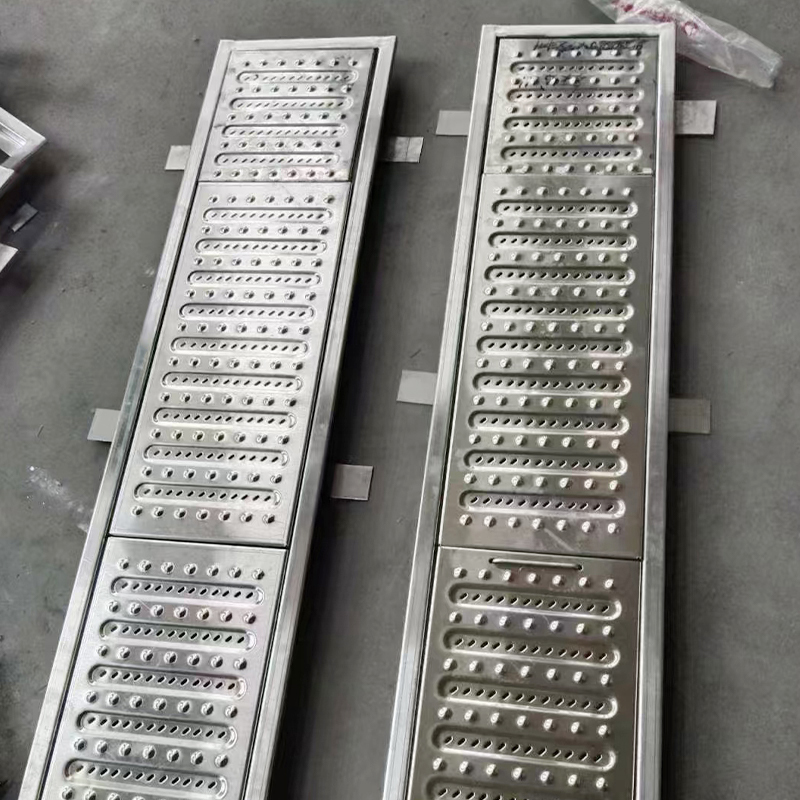
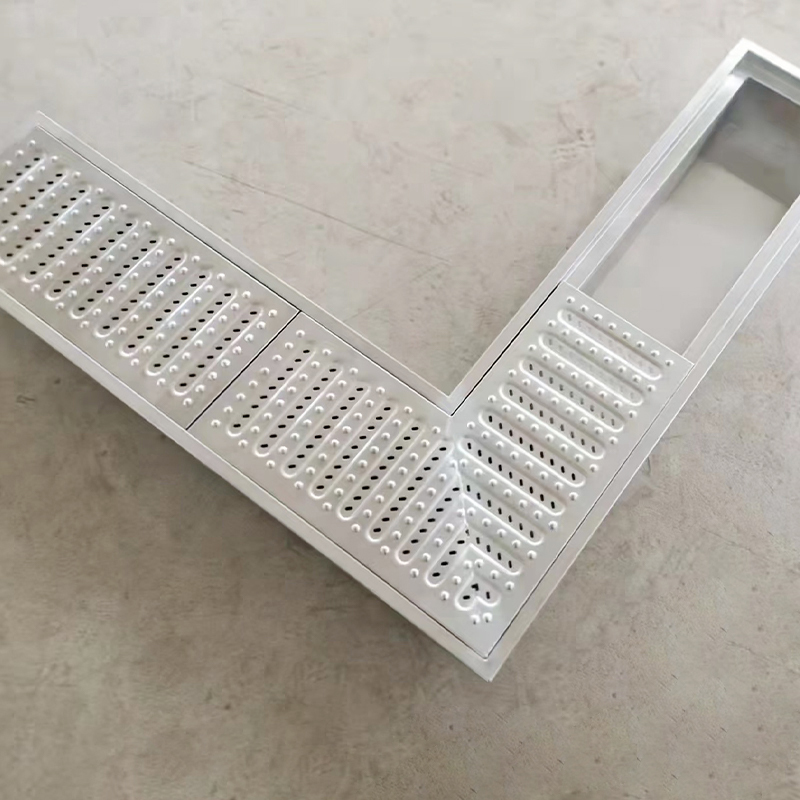
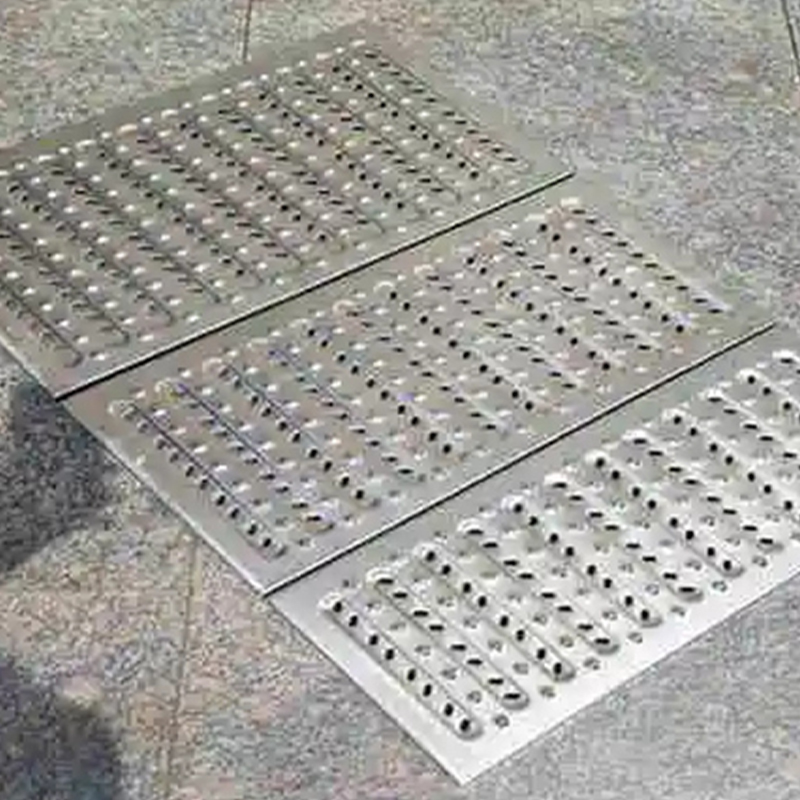
The company’s drainage product range includes linear drainage ditches, finished drainage ditches, polymer-based drainage ditches, slot drainage ditches, U-shaped drainage ditches, ductile iron cover plates, stainless steel stamped cover plates, steel gratings, resin concrete cover plates, resin composite manhole covers, stainless steel manhole covers, ductile iron manhole covers, drainage pipes, PE pipes, and related products. This background matters because drainage and road facility products are exposed to water, load, abrasion, temperature variation, and outdoor environments. Experience in these categories reinforces the company’s understanding of durability and long-term service conditions.
For the GRC series, the company provides complete support from detailed design, drawings, mold making, production, on-site construction, to after-sales service. This is especially valuable for customized architectural frames because many problems in facade construction arise from poor coordination between design, manufacturing, and installation. When one supplier can support multiple stages, technical communication becomes more efficient and project execution becomes more reliable.
The company is committed to product research and development, serving domestic and international markets. Its goal of becoming a pioneer in drainage channel products reflects an industrial mindset focused on durable, functional, and practical construction solutions. The same values apply to GRC door and window frames, where long-term performance, customization accuracy, and customer service are essential.
One of the major advantages of GRC is design flexibility. Door and window frames can be designed as simple modern surrounds, deep shadow-line frames, classical moldings, arched profiles, decorative trims, or project-specific facade elements. The material can be shaped through molds with high repeatability, making it suitable for both standardized mass production and custom architectural expression.
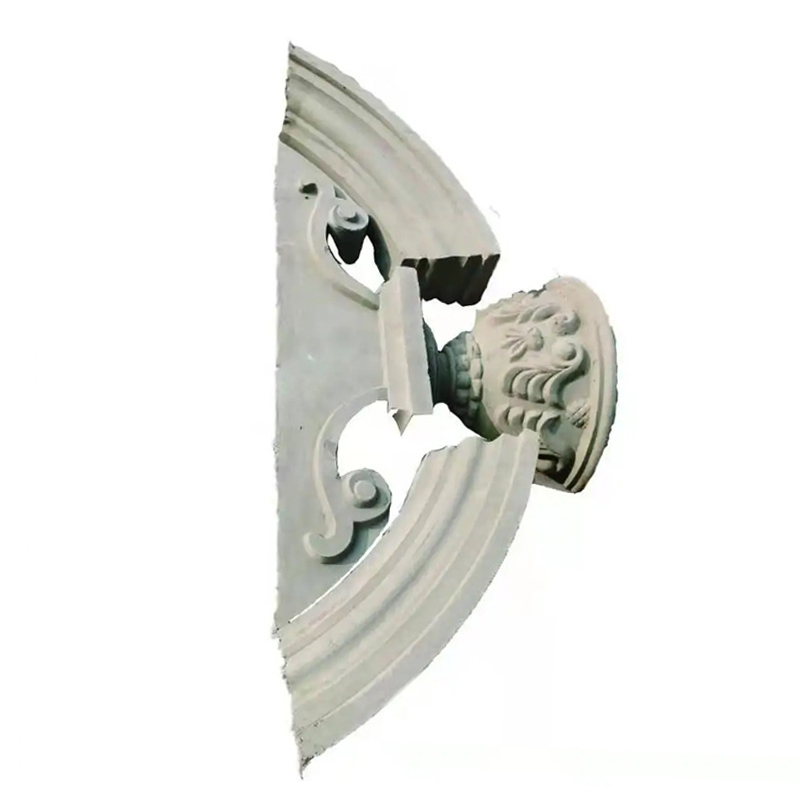
For modern buildings, GRC frames can create clean lines, recessed effects, and strong geometric edges. They can visually emphasize openings without excessive weight. For classical or European-style buildings, the material can reproduce layered profiles, cornice-like details, curved sections, and ornamental forms. For public buildings, GRC can help create a dignified facade while remaining practical to install and maintain.
Because the frames are lighter than many solid concrete or stone alternatives, they can reduce load on the facade support system. This may simplify handling and improve installation efficiency. Lower weight is particularly useful in renovation projects where existing structures may have limited load-bearing capacity. It also helps reduce transportation and lifting difficulty on construction sites.
Customization also supports better integration with waterproofing and insulation systems. Door and window openings are sensitive areas in building envelopes. Frames must coordinate with sealants, anchors, thermal insulation, exterior finishes, and drainage paths. A project-specific GRC design can account for these details, improving both appearance and functional performance.
Alkali-Resistant Durable GRC door and window frames are suitable for a wide range of building types. In residential developments, they improve facade identity and provide consistent decorative quality across multiple buildings. In villas and high-end housing, they can provide elegant profiles and refined exterior details. In commercial buildings, they create durable opening surrounds that support a professional appearance. In public projects, they offer a balance of durability, cost efficiency, and architectural expression.
The product is especially suitable for projects requiring long service life. High-standard projects often evaluate materials based on durability, maintenance, safety, aesthetics, and environmental exposure. GRC frames meet these requirements by combining alkali-resistant reinforcement with dense matrix technology. Their ability to resist cracking and peeling under high humidity and ultraviolet exposure makes them useful in challenging climates.
Renovation and facade upgrading projects can also benefit. Older buildings may need refreshed door and window surrounds without adding excessive weight. GRC frames can be manufactured to match existing architectural styles or introduce a new visual language. Their moldability allows replacement of damaged decorative elements while maintaining design consistency.
In large public infrastructure or community projects, procurement teams often seek materials that can be delivered in consistent batches. Mold-based GRC production supports repeatability. Once a profile is approved, multiple components can be produced with stable dimensions and visual consistency. This makes project planning easier and reduces uncertainty during installation.
Even the best material requires proper installation. Door and window frames must be handled carefully, aligned accurately, fixed securely, and sealed properly. Installation methods may vary depending on frame size, wall substrate, facade system, climate conditions, and project specifications. The company’s technical team can support on-site construction needs, helping ensure that the product’s advantages are fully realized.
Key installation considerations include substrate preparation, anchoring method, joint design, waterproof sealing, expansion allowance, and protection during subsequent construction. The substrate should be clean, stable, and capable of supporting the frame. Anchors should be selected according to component weight and site conditions. Joints should be designed to accommodate movement and prevent water penetration. Sealants and coatings should be compatible with the GRC surface and surrounding materials.
Corner protection is also important during installation. Although GRC is durable, decorative edges can be damaged by careless handling, impact from tools, or construction traffic. Proper packaging, lifting, storage, and staged installation can reduce damage. After installation, frames should be protected until surrounding facade work is complete.
Maintenance is relatively simple compared with many alternatives. Periodic inspection, cleaning, and sealant maintenance are typically more important than major repairs. Because the product is engineered for low maintenance frequency, building owners can focus on routine facade care rather than frequent replacement or patching. This supports the product’s life-cycle cost advantage.
GRC door and window frames can contribute to practical sustainability goals by extending service life and reducing repair frequency. A product that lasts longer generally reduces material waste, replacement labor, transportation emissions, and construction disturbance. While sustainability depends on many factors, durability is one of the most direct ways to improve the environmental performance of building components.
The relatively lightweight nature of GRC can also reduce transportation and handling burdens compared with heavy stone or thick concrete components. Lighter components may require less lifting energy and can improve site efficiency. In addition, mold-based production supports accurate material use and repeatable manufacturing, reducing unnecessary waste when production is well managed.
From a practical construction perspective, GRC provides a valuable combination of aesthetics and performance. It helps designers achieve facade depth and ornamentation without relying on heavy masonry or expensive stone carving. It helps contractors install decorative frames more efficiently. It helps owners maintain building appearance with fewer interventions.
The product’s resistance to cracking, peeling, and alkaline degradation supports long-term facade integrity. This is particularly relevant as building owners increasingly seek materials that remain attractive and functional after the warranty period. Durable exterior components protect both the building’s visual value and the owner’s maintenance budget.
In a competitive market, many door and window frame products may look similar when newly installed. The true difference appears after years of weather exposure. Alkali-Resistant Durable GRC door and window frames stand out because their advantages are rooted in material science and manufacturing discipline rather than surface appearance alone.
The first competitive advantage is fiber quality. High-zirconia alkali-resistant fibers are specifically chosen for cement compatibility. This reduces long-term degradation risk and provides more stable reinforcement. The second advantage is dense matrix design through optimized aggregate grading. This improves crack resistance, hardness, and moisture resistance. The third advantage is customization capability through professional design, mold making, and CNC engraving. This allows the product to meet project-specific aesthetic and dimensional requirements.
The fourth advantage is integrated service. Jiangsu Yameng Traffic Road Facilities Co., Ltd. supports the GRC series from drawings to after-sales service. This reduces coordination risk for contractors and project owners. The fifth advantage is the company’s broader experience in drainage and outdoor facility products. This gives it practical knowledge of durability, water exposure, and long-term performance under real environmental conditions.
Competitors that rely on ordinary plaster, low-grade cement composites, or insufficient reinforcement may offer lower initial prices, but they may not provide the same life-cycle value. Competitors using heavy materials may provide strength but create installation difficulty and higher structural load. Competitors lacking mold precision may struggle to deliver consistent architectural details across large projects. This product addresses these weaknesses through a balanced approach: durable material, accurate manufacturing, design flexibility, and service support.
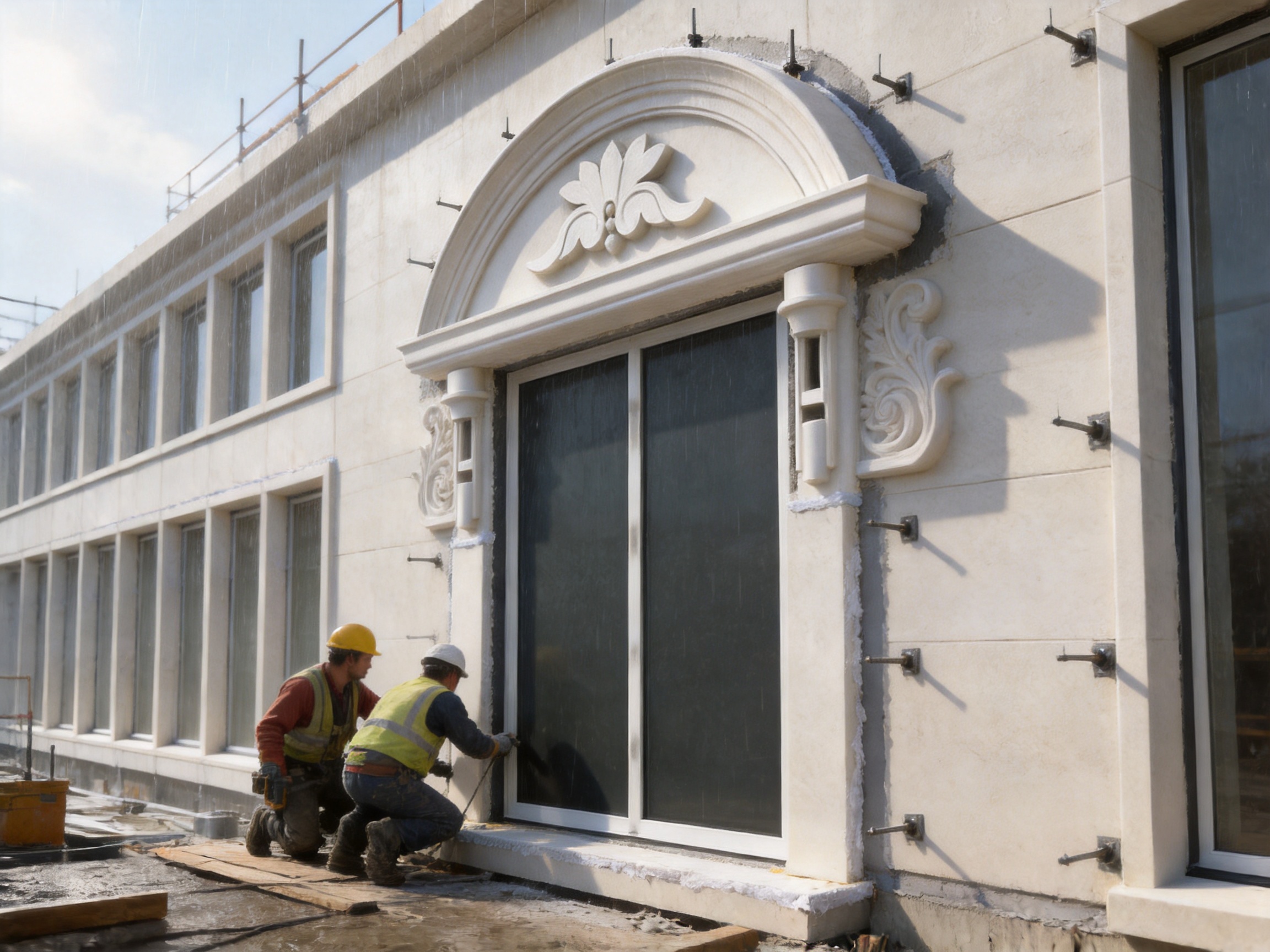
Quality assurance for GRC frames should be visible at every stage. Before production, drawings and samples can be reviewed to confirm dimensions and appearance. During production, raw materials, fiber incorporation, matrix consistency, mold condition, curing, and demolding should be controlled. After production, finished components should be inspected for surface quality, edge integrity, cracks, dimensions, and packaging readiness.
Customer confidence comes from predictable results. A project may require hundreds of frames with the same profile. If dimensions vary or surfaces are inconsistent, installation becomes difficult and facade appearance suffers. Professional mold making and controlled production reduce this risk. The company’s experience with customized GRC and construction support helps align manufacturing output with site requirements.
After-sales support is also part of quality assurance. Exterior projects may encounter site changes, installation questions, or coordination issues. A supplier with technical knowledge can assist with solutions rather than simply delivering products. This service-oriented approach is valuable for contractors, developers, and designers who need reliable cooperation throughout the project cycle.
They are architectural door and window surround components made from glass fiber reinforced cement. They use high-zirconia alkali-resistant glass fibers and a dense cementitious matrix to improve durability, crack resistance, and long-term exterior performance.
Cement-based materials are naturally alkaline. Ordinary glass fibers may weaken over time in this environment. Alkali-resistant fibers are designed to withstand cement alkalinity, helping the GRC composite maintain reinforcement strength and reduce long-term degradation.
Ordinary plaster frames may be cheaper initially, but they are generally more vulnerable to cracking, moisture damage, and surface peeling. Alkali-Resistant Durable GRC frames provide better structural stability, weather resistance, and life-cycle cost efficiency.
Yes. The product is designed to resist cracking and peeling under high humidity and intense ultraviolet exposure. Its dense matrix reduces moisture penetration, while the reinforced structure improves durability under environmental stress.
Yes. The GRC series can be customized according to project drawings and design requirements. Professional designers, mold designers, CNC engraving capability, and production teams support different profiles, sizes, textures, and architectural styles.
GRC frames are generally lighter than solid concrete or natural stone components with similar visual impact. This can improve transportation, handling, and installation efficiency while reducing facade load.
They are suitable for residential communities, villas, commercial buildings, public facilities, hotels, schools, hospitals, renovation projects, and infrastructure-related architectural applications where durability and appearance are important.
Jiangsu Yameng Traffic Road Facilities Co., Ltd. provides services from detailed design and drawings to mold making, production, on-site construction support, and after-sales service. This integrated support helps reduce communication errors and installation risks.
The frames may reduce long-term repair and maintenance frequency because they are engineered for alkali resistance, crack resistance, and weather durability. When scaffolding, labor, repainting, replacement, and disruption are considered, durable GRC can offer strong life-cycle value.
Routine facade inspection and cleaning are recommended, along with normal sealant maintenance around openings. Because the frames are designed for durability, they generally require less frequent repair than ordinary plaster or low-grade exterior trim materials.
Alkali-Resistant Durable GRC door and window frames provide a strong solution for architectural exteriors that require lasting performance, refined appearance, and practical cost control. By incorporating high-zirconia alkali-resistant glass fibers, the product addresses the chemical challenge of cement alkalinity. By using optimized aggregate grading, it achieves a dense anti-cracking structure with improved hardness, moisture resistance, and surface stability. By supporting customization through professional design, mold making, CNC engraving, production, installation assistance, and after-sales service, the manufacturer helps ensure that project requirements are translated into reliable finished components.
The product’s advantages over competitors are clear. Compared with ordinary plaster, it offers better durability and lower maintenance risk. Compared with standard concrete, it provides better design flexibility and reduced weight. Compared with natural stone, it offers easier customization and improved cost control. Compared with low-grade decorative alternatives, it provides stronger long-term resistance to cracking, peeling, and structural aging.
For developers, architects, contractors, and building owners, the frames represent more than decorative facade elements. They are engineered components designed to protect openings, enhance architectural style, and reduce life-cycle maintenance. In large-scale residential communities, public infrastructure, commercial buildings, and customized architectural projects, this combination of performance and service support can create significant value.
Jiangsu Yameng Traffic Road Facilities Co., Ltd. brings together manufacturing experience, outdoor product knowledge, GRC customization capability, and a commitment to integrity and quality. With a product system built around durable material engineering and advanced process control, Alkali-Resistant Durable GRC door and window frames are well suited for projects that demand long-term confidence rather than short-term compromise.
Bentur, A., and Mindess, S. Fibre Reinforced Cementitious Composites. Modern Concrete Technology Series.
PCI Committee on Glass Fiber Reinforced Concrete Panels. Recommended Practice for Glass Fiber Reinforced Concrete Panels.
ACI Committee 544. State-of-the-Art Report on Fiber Reinforced Concrete.
Brandt, A. M. Cement-Based Composites: Materials, Mechanical Properties and Performance.
Neville, A. M. Properties of Concrete.
GRCA Technical Publications. Practical Design and Manufacture Guidance for Glassfibre Reinforced Concrete.
Related Products
Fluid Design Architectural GRC Curtain Wall Panels are modern façade solutions that blend aesthetics...
READ MOREFluid Design Architectural GRC Curtain Wall Panels are modern façade solutions that blend aesthetics...
READ MOREFluid Design Architectural GRC Curtain Wall Panels are modern façade solutions that blend aesthetics...
READ MOREFluid Design Architectural GRC Curtain Wall Panels are modern façade solutions that blend aesthetics...
READ MOREFluid Design Architectural GRC Curtain Wall Panels are modern façade solutions that blend aesthetics...
READ MOREFluid Design Architectural GRC Curtain Wall Panels are modern façade solutions that blend aesthetics...
READ MORE
Contact us
Factory Address
Group 12, Quanxin Village, Donghai Town, Qidong City, Nantong City, Jiangsu Province, China
phone
+86-13914963840
+86-13451754670
products
QR CODE
 Wholesale Drainage Ditch Manufacturers