 English
 Español
 عربى
عربى

Fluid Design Architectural GRC Curtain Wall Panels are modern façade solutions that blend aesthetics...
READ MOREJun 06, 2026
Content
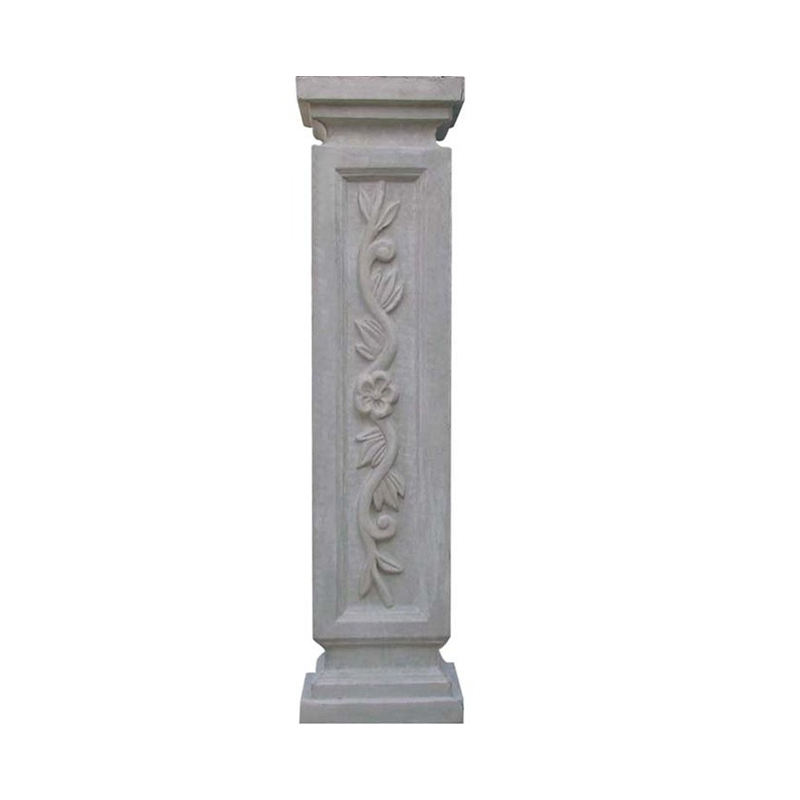
Fiber-reinforced durable GRC Roman columns bring together classical architectural beauty and modern material engineering. Designed for façades, entrances, gardens, commercial buildings, hotels, villas, courtyards, public landscapes, and interior decorative spaces, these columns reproduce the elegance of traditional Roman architecture while overcoming many limitations of heavy stone and conventional concrete products. Made from Glassfiber Reinforced Concrete, commonly known as GRC, the columns offer a strong yet lightweight structure, refined surface detailing, weather resistance, corrosion resistance, and low maintenance performance.
In contemporary construction and decoration, clients often expect products that can deliver visual impact, installation efficiency, dependable strength, and long-term value. Traditional carved stone columns may look impressive, but they are heavy, costly, difficult to install, and less flexible for customized shapes. Ordinary concrete columns can be strong, but they are often bulky and less suitable for delicate decorative profiles. Some lightweight decorative materials may be easy to handle, but they can lack durability, fire resistance, and a premium surface finish. Fiber-reinforced durable GRC Roman columns provide a balanced solution by combining decorative artistry with engineered performance.
Jiangsu Yameng Traffic Road Facilities Co., Ltd. supports this product category with practical manufacturing experience, professional design capability, mold development, CNC engraving, production control, on-site construction support, and after-sales service. The company’s broader expertise in drainage channel products, cover plates, manhole covers, drainage pipes, PE pipes, and GRC customization gives it a strong understanding of concrete-based functional products as well as decorative architectural components. This combination allows the company to approach GRC Roman columns not merely as ornamental pieces, but as engineered building elements that must satisfy appearance, handling, installation, durability, and project coordination requirements.
Fiber-Reinforced Durable GRC Roman Columns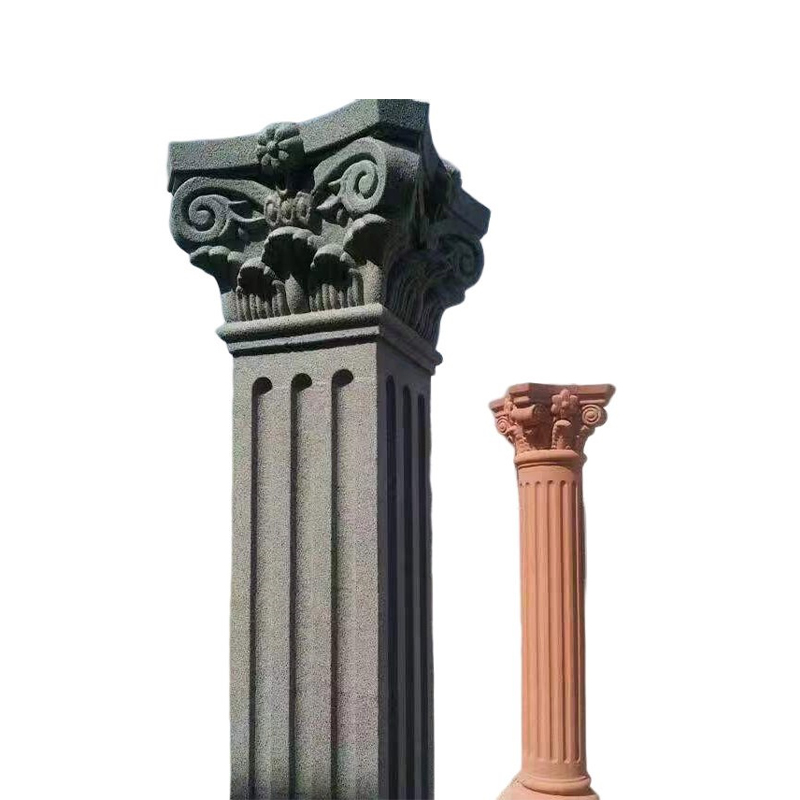
GRC Roman columns are decorative column systems produced using a cement-based matrix reinforced with alkali-resistant glass fibers. This composition gives the product better tensile behavior than plain concrete and allows the manufacturer to create thin-walled, hollow, or semi-hollow components with excellent dimensional control. The result is a column that can look substantial and classical while remaining much lighter than solid stone or traditional precast concrete.
The product presented here focuses on fiber reinforcement, durability, and refined Roman design. The material is high-quality Glassfiber Reinforced Concrete. Its structure is engineered to provide a favorable strength-to-weight ratio, which simplifies transportation, lifting, positioning, and installation. The design style is inspired by classical Roman column aesthetics, including bases, shafts, capitals, grooves, proportions, and decorative profiles that can be adapted to different architectural styles. Its durability comes from resistance to weathering, corrosion, moisture exposure, temperature changes, and general outdoor conditions. Its low maintenance requirement helps owners preserve a graceful appearance with minimal routine care.
These GRC Roman columns can be used as purely decorative cladding around structural supports, as freestanding landscape elements, as entrance features, as balcony or façade ornaments, and as interior design accents. Depending on project requirements, they can be produced in different diameters, heights, surface textures, finishes, and assembly formats. They are suitable for both new construction and renovation projects where existing buildings need a classical upgrade without adding excessive load to the structure.
Roman columns are associated with order, rhythm, symmetry, and permanence. Their visual language is widely used in villas, civic buildings, hotels, cultural venues, commercial entrances, wedding halls, garden corridors, and luxury interiors. A column is not simply a vertical object; it establishes scale, frames space, guides sightlines, and communicates dignity. When properly proportioned, it can transform a plain façade into an impressive architectural statement.
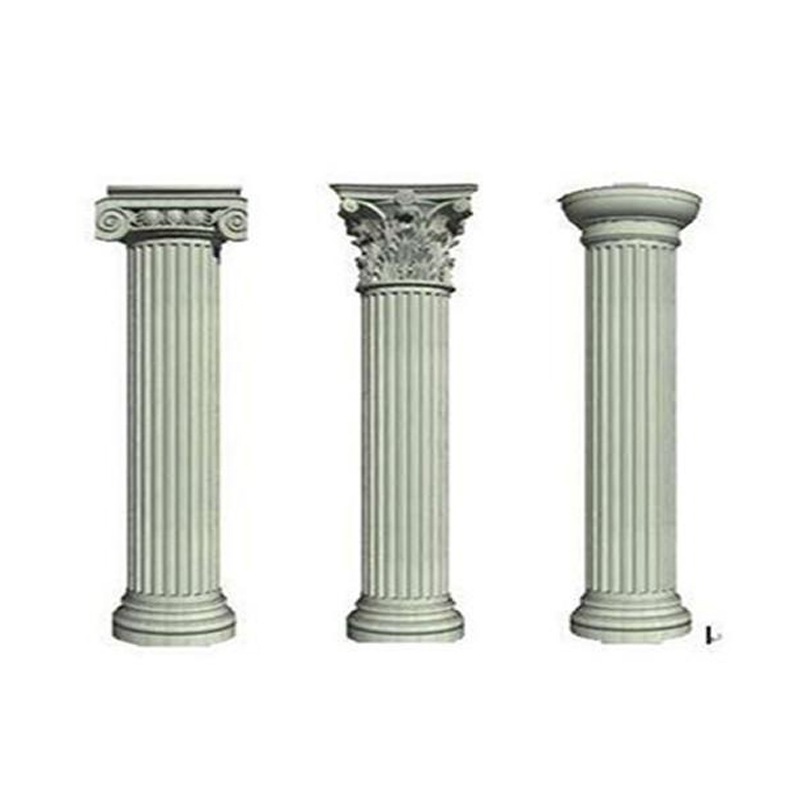
Fiber-reinforced durable GRC Roman columns preserve this historical design vocabulary while allowing modern production flexibility. Manufacturers can reproduce smooth cylindrical shafts, fluted shafts, ornate capitals, clean Tuscan profiles, more decorative Corinthian-inspired details, or simplified contemporary-classical styles. Because GRC can be molded accurately, it is well suited for repeated decorative elements that require consistent shape and surface quality. This is especially important in projects with multiple columns, where mismatched sizes, uneven edges, or inconsistent ornamentation can reduce the overall visual effect.
Compared with hand-carved natural stone, GRC enables more efficient replication of complex patterns. Compared with ordinary concrete, it can support thinner sections and finer details. Compared with foam-based decorative products, it provides a more substantial cementitious character, better impact resistance, and a more durable surface. Therefore, GRC Roman columns occupy a valuable position between luxury craftsmanship and practical construction economics.
GRC is a composite material that combines cement, fine aggregates, water, additives, and alkali-resistant glass fibers. The glass fibers are dispersed within the matrix or applied through specialized spray processes, helping to control cracking and improve flexural performance. Unlike conventional concrete, which relies primarily on compressive strength, GRC is designed to handle bending and tensile stress more effectively within thin sections.
The use of glass fibers is essential. Concrete on its own is strong in compression but relatively weak in tension. When it is exposed to handling loads, vibration, temperature movement, or minor impact, unreinforced thin concrete components may crack easily. Fiber reinforcement helps distribute stress and reduces the tendency for cracks to develop or expand. For decorative columns, this means the product can be made with lighter walls while still maintaining structural integrity for handling and service conditions.
Another important advantage is corrosion resistance. Steel-reinforced precast concrete elements may face corrosion risk if the steel reinforcement is exposed to moisture, salts, or carbonation over time. GRC uses alkali-resistant glass fibers instead of heavy steel cages for many decorative applications, reducing the risk of rust-related expansion and surface staining. This is particularly valuable for exterior columns installed in humid climates, coastal areas, gardens, courtyards, and urban environments.
GRC also provides design freedom. The material can be cast into molds with complex geometries, making it suitable for detailed capitals, curved bases, fluted shafts, relief patterns, and custom profiles. Because the product can be produced in sections, transportation and assembly are easier than moving a single large stone column. This flexibility supports both standardized production and customized architectural work.
The first benefit is lightweight strength. GRC Roman columns can deliver a solid architectural appearance without the burden of massive weight. This reduces pressure on building structures, simplifies lifting equipment requirements, and helps contractors install decorative components more efficiently. In renovation projects, weight reduction can be especially important because existing structures may not be designed to support heavy stone cladding.
The second benefit is refined appearance. The columns are crafted to express classic Roman beauty, and the mold-based production process supports repeatable accuracy. Smooth surfaces, crisp lines, proportional bases, and elegant capitals can be achieved with good production control. Surface treatments can be adjusted according to project style, from clean white finishes to stone-like textures or other decorative effects.
The third benefit is durability. The cementitious matrix and fiber reinforcement help the column withstand normal outdoor exposure. Weather resistance, corrosion resistance, and dimensional stability make the product suitable for long-term architectural use. When installed correctly and maintained with basic cleaning, GRC columns can retain their elegant appearance over time.
The fourth benefit is low maintenance. Natural stone may require specialized sealing, repair, or careful cleaning. Metal decorative columns may suffer from corrosion or coating deterioration. Some synthetic lightweight products may fade, deform, or become brittle. GRC Roman columns generally need only periodic cleaning and inspection, making them practical for property owners who want beauty without complicated maintenance routines.
The fifth benefit is customization. Project designers often need columns that match specific façade proportions, entrance widths, ceiling heights, or landscape compositions. GRC can be manufactured according to drawings, molds, and project specifications. Jiangsu Yameng Traffic Road Facilities Co., Ltd. has a GRC series supported by professional designers, mold designers, CNC engravers, and a production and construction technical team, enabling full-process service from detailed design to mold making, production, installation coordination, and after-sales support.
When choosing decorative columns, designers and buyers often compare GRC with natural stone, traditional precast concrete, FRP, metal, and foam-based cement-coated products. Each material has its own use case, but fiber-reinforced durable GRC Roman columns offer a strong balance of performance, cost control, appearance, and installation convenience.
| Material Option | Main Strengths | Common Limitations | GRC Roman Column Advantage |
|---|---|---|---|
| Natural stone | Premium appearance, high compressive strength, historical value | Very heavy, expensive, difficult to carve and install, limited flexibility | Similar classical visual effect with lower weight, easier installation, and better customization efficiency |
| Traditional precast concrete | Strong, familiar to contractors, suitable for structural components | Heavy, less suitable for thin decorative details, may require steel reinforcement | Thinner, lighter, more detailed decorative profiles with fiber reinforcement |
| FRP decorative columns | Lightweight, corrosion resistant, easy to transport | May lack cementitious texture, can feel less substantial, performance depends on resin quality | More stone-like surface character, fire-resistant cement matrix, stronger architectural presence |
| Metal columns | Good structural possibilities, modern appearance | Corrosion risk, coating maintenance, less classical texture unless heavily processed | Classical Roman styling with better compatibility for stone-like façades and gardens |
| Foam core cement-coated products | Very light, economical for temporary or low-impact decoration | Lower impact resistance, weaker premium feel, possible surface damage | More durable, more robust, and better suited for long-term exterior architectural decoration |
The table shows that GRC is not simply a substitute for other materials. It is a balanced engineered solution. It provides the classical beauty expected from traditional architecture while meeting modern demands for speed, safety, reduced weight, and lower maintenance. For contractors, this can reduce project complexity. For owners, it can improve lifecycle value. For architects, it expands the range of decorative possibilities without forcing the project to accept the weight and cost of stone.
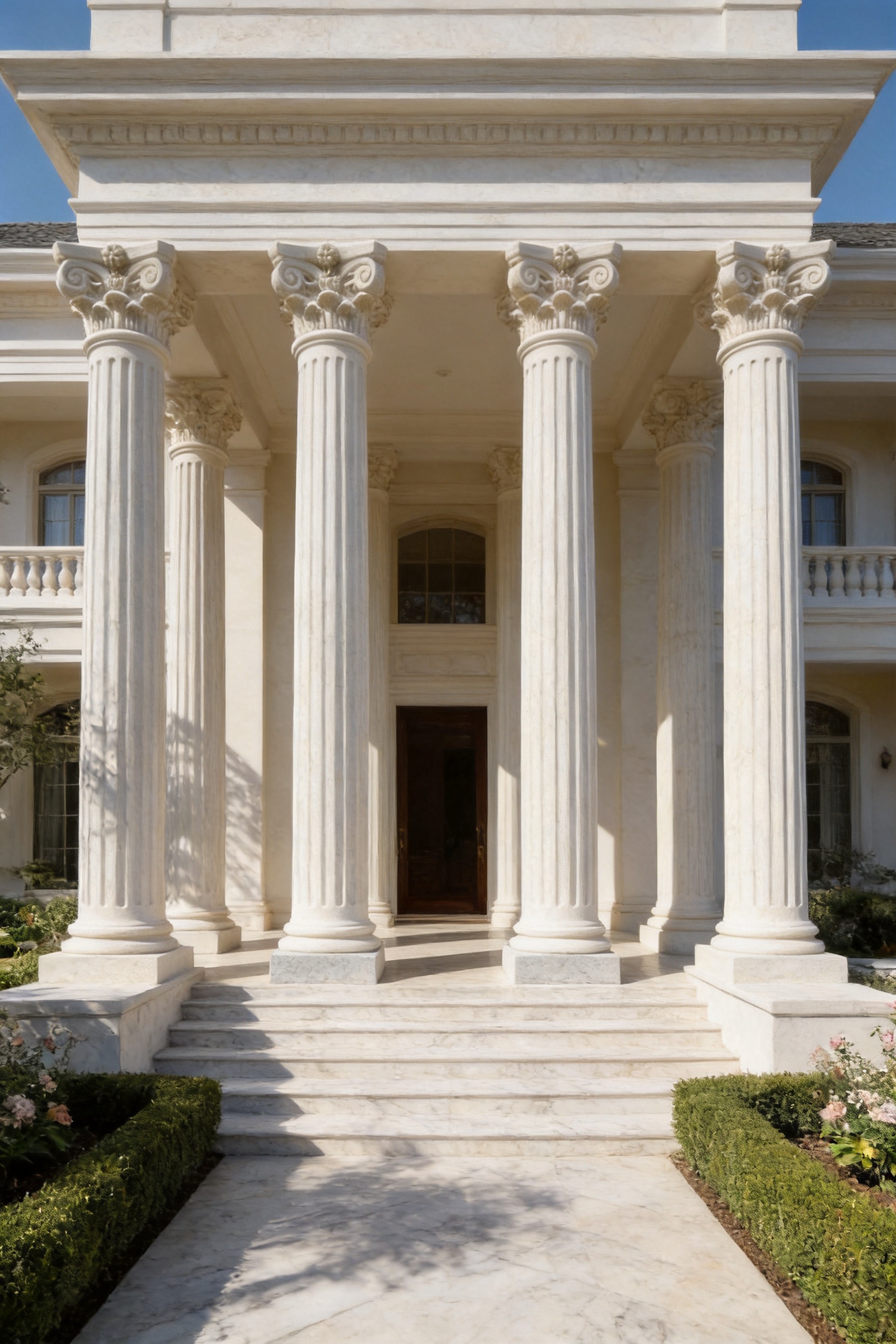
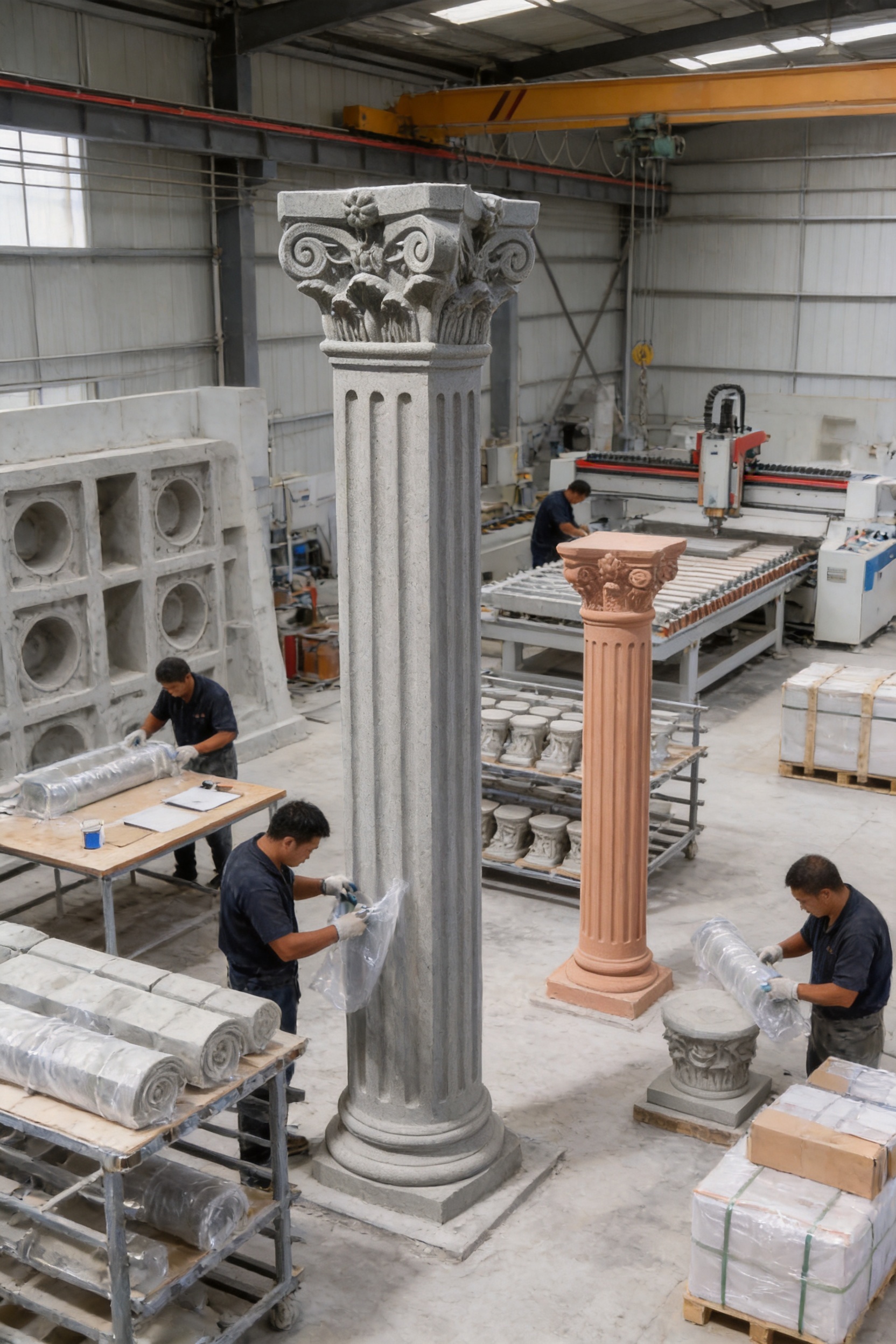
The performance of a GRC Roman column depends not only on the material formula, but also on the manufacturing process. High-quality production requires accurate design interpretation, mold precision, controlled material batching, fiber distribution, curing management, surface finishing, inspection, packaging, and installation guidance. Jiangsu Yameng Traffic Road Facilities Co., Ltd. emphasizes a complete service chain, which is essential for customized GRC products.
The manufacturing process begins with design communication. Project requirements may include column height, diameter, style, installation location, façade compatibility, load considerations, surface finish, connection method, and construction schedule. Professional designers convert these requirements into detailed drawings. These drawings define proportions, section thickness, joint positions, decorative profiles, and assembly logic.
Good design development prevents common project problems. If a decorative column is beautiful but difficult to install, the contractor may face delays. If joints are placed poorly, the finished appearance may be interrupted. If section thickness is not properly controlled, the product may become too heavy or too fragile. Careful drawing development ensures that aesthetics and construction practicality are aligned from the beginning.
Molds are central to GRC production. A Roman column may include repeated elements such as shafts, capitals, bases, rings, grooves, and decorative patterns. The mold must reproduce these shapes accurately while allowing demolding without damage. Mold designers consider geometry, shrinkage, surface texture, segmentation, release angles, and reinforcement placement.
CNC engraving improves precision, especially for decorative details. It can create consistent patterns and clean contours that would be difficult to reproduce manually at scale. A high-quality mold contributes directly to surface consistency, edge definition, and dimensional accuracy. For projects involving multiple columns, this consistency is a major competitive advantage because it helps create a unified architectural rhythm.
GRC production requires controlled batching of cementitious materials, fine aggregates, additives, water, and alkali-resistant glass fibers. The mix must achieve workability, strength, surface quality, and durability. Too much water can weaken the matrix and cause surface defects. Poor fiber distribution can reduce performance. Improper batching can lead to color variation, cracking, or dimensional inconsistency.
Fiber reinforcement is a defining feature of the product. The fibers help the column resist cracking during handling, transportation, installation, and service. Depending on production method and product design, fibers can be mixed into the matrix or applied through specialized processes. The goal is to create a stable composite material that supports thin decorative sections while maintaining practical strength.
After the material is prepared, it is placed into molds. The forming process must ensure that the material reaches all decorative corners, grooves, and relief areas. Proper compaction helps reduce voids and improves surface density. Surface control is especially important for Roman columns because visible defects can reduce the elegance of the final installation.
Manufacturing teams monitor wall thickness, edges, mold filling, and reinforcement positioning. If the product is made in multiple sections, each part must match the others accurately. Good surface control reduces the need for excessive repair and ensures that finishing work enhances rather than hides the product quality.
Curing is vital for cement-based products. Proper curing allows the matrix to develop strength and dimensional stability. If the product dries too quickly, surface cracking or strength loss may occur. If it is demolded too early, edges and decorative details may be damaged. A controlled curing process supports long-term durability and consistent performance.
For exterior architectural products, curing quality has a direct effect on weather resistance. Dense, well-cured GRC better resists moisture penetration, freeze-thaw stress, and surface degradation. This is why advanced manufacturing is not only about making the column look good at delivery; it is about ensuring that it continues to perform after years of exposure.
After curing, the columns undergo finishing and inspection. Finishing may include surface smoothing, texture treatment, color adjustment, protective coating, or preparation for painting, depending on the project specification. Inspection checks dimensions, surface quality, cracks, edge condition, joint accuracy, and overall appearance. Defective products must be corrected before shipment.
Packaging is also important because GRC decorative elements can include edges and detailed profiles that require protection during transportation. Proper packaging reduces breakage risk and helps the project site receive products ready for installation. This attention to the full delivery process is one of the practical strengths of an experienced manufacturer.
Jiangsu Yameng Traffic Road Facilities Co., Ltd. is located in Nantong, Jiangsu Province, China, with convenient transportation and waterway access. This location supports efficient material supply, logistics, and product distribution. The company mainly engages in drainage ditch projects and GRC customization, and it emphasizes integrity, quality, responsibility, focus, and innovation.
The company’s product range includes linear drainage ditches, finished drainage ditches, polymer-based drainage ditches, slot drainage ditches, U-shaped drainage ditches, ductile iron cover plates, stainless steel stamped cover plates, steel gratings, resin concrete cover plates, resin composite manhole covers, stainless steel manhole covers, ductile iron manhole covers, drainage pipes, PE pipes, and related products. This broad involvement in traffic road facilities and drainage-related systems indicates practical experience with products that must meet durability, dimensional accuracy, load compatibility, water exposure, corrosion resistance, and installation requirements.
This background is valuable for GRC Roman columns because decorative products still require engineering discipline. A column installed outdoors must withstand rain, wind, sun exposure, temperature changes, and contact with building materials. It must be produced accurately, transported safely, installed correctly, and supported if after-sales adjustments are needed. The company’s experience in drainage and infrastructure products helps reinforce a quality-focused manufacturing mindset.
For the GRC series, the company is supported by professional designers, mold designers, CNC engravers, and an experienced production and construction technical team. This allows complete services from detailed design, drawings, mold making, production, on-site construction, to after-sales support. Such integration is a significant advantage over suppliers that only provide standard decorative pieces without project adaptation. In customized architectural work, the ability to coordinate design, manufacturing, and installation support can determine whether the final project appears seamless or compromised.
Many suppliers can provide decorative columns, but project success depends on more than catalog appearance. The real test occurs during drawing confirmation, production scheduling, shipping, site handling, installation, joint treatment, and long-term use. Fiber-reinforced durable GRC Roman columns produced through an integrated manufacturing process offer several competitive advantages.
Compared with traditional stone or solid concrete columns, GRC columns are significantly easier to handle. Reduced weight can lower transportation costs, simplify lifting, and reduce risks during installation. This does not mean the product is weak; rather, its fiber-reinforced structure allows efficient use of material. The column can provide visual solidity without unnecessary mass.
Through professional mold design and CNC engraving, detailed Roman elements can be reproduced consistently. Competitors relying on low-precision molds may produce columns with uneven profiles, blurred ornamentation, inconsistent dimensions, or difficult joint alignment. Precision manufacturing improves both the close-up surface quality and the overall visual impression from a distance.
Projects rarely fit one-size-fits-all components perfectly. Heights, diameters, base dimensions, capital styles, façade alignments, and installation structures can vary widely. A manufacturer with design and mold development capability can adjust the product to the project rather than forcing the project to adapt to fixed inventory. This is especially valuable for hotels, villas, cultural projects, commercial entrances, and renovation works.
Exterior columns must survive sun, rain, humidity, seasonal temperature changes, and environmental pollution. Fiber-reinforced GRC resists common deterioration problems better than many lightweight decorative substitutes. Its cementitious nature gives it a stable, stone-like character, while glass fiber reinforcement improves crack resistance in thin sections.
Owners and property managers prefer products that retain their appearance without frequent repair. GRC Roman columns need only reasonable cleaning and inspection in normal use. Because they are resistant to corrosion and weathering, they reduce the maintenance concerns often associated with metal, low-grade resin, or fragile decorative materials.
A supplier’s service ability matters. Jiangsu Yameng Traffic Road Facilities Co., Ltd. provides support from design and drawing to mold making, production, construction assistance, and after-sales service. This helps reduce communication gaps and improves project coordination. For buyers, this integrated support can be as important as the product itself.
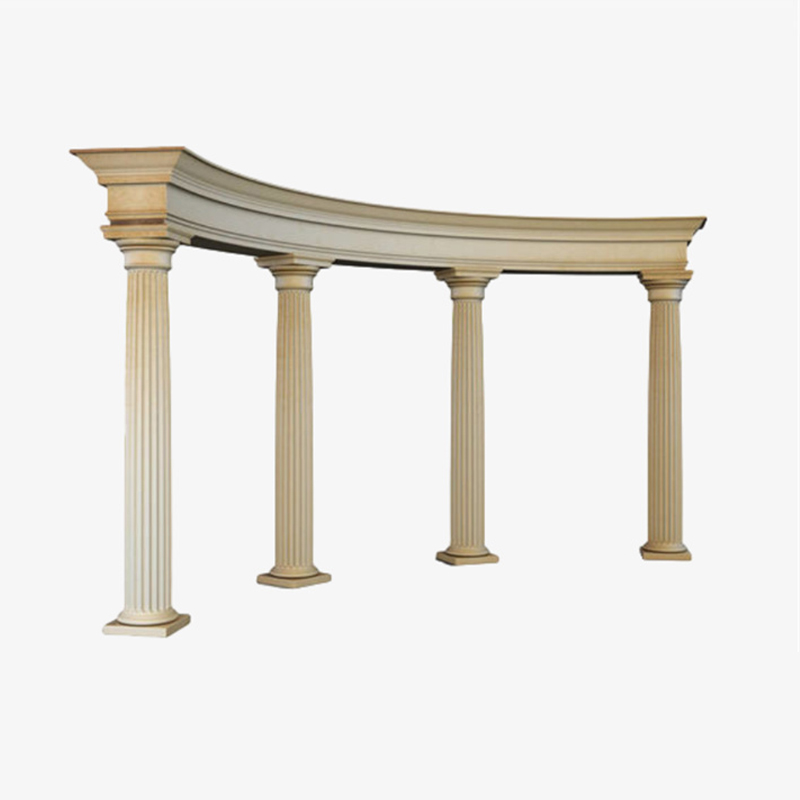
GRC Roman columns are well suited for exterior façades. They can frame entrance doors, support decorative porticos, form colonnades, enhance balconies, or create grand hotel and villa appearances. Because they are lighter than stone, they can often be installed in places where heavy materials would be impractical. They are especially useful when the column is decorative rather than the primary load-bearing structure.
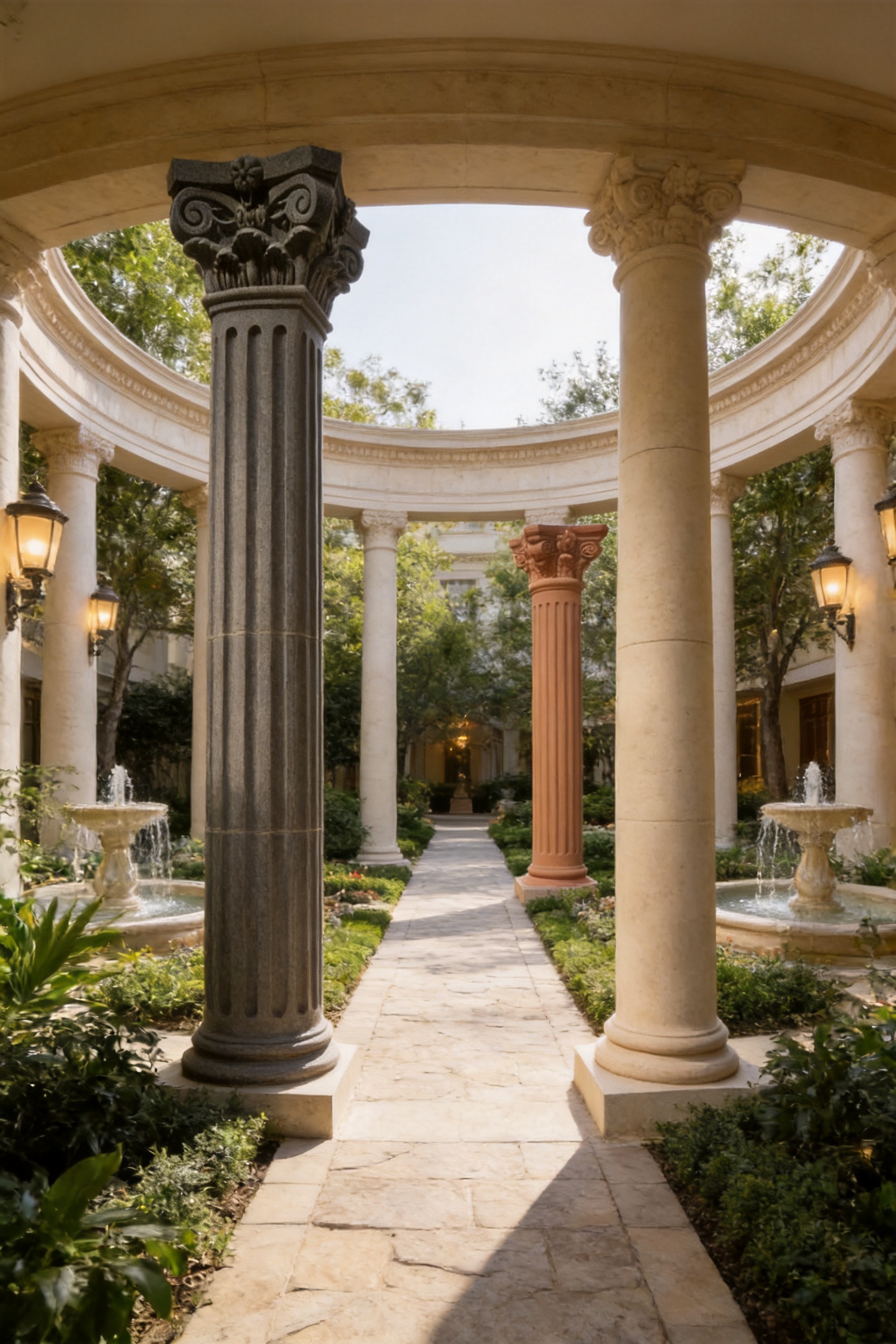
In garden and landscape projects, Roman columns can create classical pavilions, pergola-like structures, gateway features, water feature surroundings, and scenic photo areas. The material’s weather resistance supports outdoor performance, while the refined style adds cultural and artistic atmosphere. Landscape designers can use columns to create rhythm along pathways or to define a focal point in courtyards and parks.
Commercial buildings can use GRC Roman columns to increase visual recognition. A storefront, wedding venue, clubhouse, or exhibition hall with classical columns may appear more formal and memorable. When combined with cornices, decorative lines, wall panels, and other GRC façade components, the columns contribute to a complete architectural identity.
Although Roman columns are often associated with outdoor architecture, they can also be effective indoors. Interior columns may be used in hotel lobbies, restaurants, banquet halls, villas, retail spaces, cultural halls, and high-end residential interiors. They can divide spaces without closing them, frame staircases, highlight reception areas, or create a ceremonial atmosphere.
GRC is advantageous indoors because it can be formed into elegant shapes while remaining manageable during installation. Compared with solid stone, it reduces structural load and installation difficulty. Compared with purely synthetic decorative products, it provides a more premium mineral-based surface character. Designers can finish the columns in white, beige, stone-like, painted, or textured styles to coordinate with floors, walls, ceilings, and lighting.
Interior installation also benefits from customization. Columns can be split into sections to wrap existing structural supports, allowing old square columns or plain concrete supports to be transformed into classical decorative elements. This is particularly useful in renovation projects where demolition is limited but visual improvement is required.
Correct installation is essential for long-term performance. Even a high-quality product can underperform if installed poorly. Before installation, the project team should confirm dimensions, site conditions, structural support, connection methods, alignment, joint positions, and surface finishing requirements. The substrate or supporting structure should be stable, clean, and suitable for anchoring or bonding as specified.
Because GRC Roman columns may be supplied in sections, careful alignment is important. The base, shaft, and capital should be positioned according to drawings. Joints should be treated neatly to preserve the continuous column appearance. If the column wraps around an existing structural member, installers must ensure proper fit and secure connection. Any gaps should be handled with compatible materials.
Outdoor installation should consider drainage and moisture management. Water should not be allowed to accumulate inside or around the column base. Sealants, coatings, or finishes should be applied according to the project environment. In areas with freeze-thaw cycles, preventing trapped water is particularly important. For large or exposed columns, wind load and fixing details should be reviewed by qualified professionals.
Jiangsu Yameng Traffic Road Facilities Co., Ltd.’s technical team can support on-site construction coordination, helping projects reduce errors and achieve better final results. This installation-related support is a meaningful differentiator because decorative architectural products often require cooperation between designers, manufacturers, contractors, and owners.
One of the strongest practical advantages of fiber-reinforced durable GRC Roman columns is low maintenance. Routine maintenance typically involves periodic cleaning to remove dust, dirt, bird droppings, plant residue, or environmental deposits. Mild cleaning methods are generally preferred. Harsh chemicals or aggressive mechanical abrasion should be avoided unless recommended for the specific finish.
Owners should inspect columns occasionally for impact damage, joint movement, coating wear, or water accumulation. Minor surface issues can often be repaired more easily than damage to natural stone. If the finish is painted or coated, periodic recoating may be planned depending on exposure conditions and aesthetic expectations. In many cases, maintaining surrounding drainage and preventing continuous moisture contact will help extend service life.
Lifecycle value is not only about purchase price. It includes design adaptability, transportation cost, installation labor, structural load, maintenance effort, repairability, and long-term appearance. GRC Roman columns perform well across these categories. They provide an elegant architectural effect without the high cost and heavy handling burden of natural stone. They provide better durability and substance than many lightweight decorative alternatives. This makes them a smart choice for projects seeking both beauty and practical value.
GRC Roman columns can be customized in many ways. The column shaft may be smooth, fluted, tapered, or segmented. The capital may be simple and restrained or more ornate and classical. The base may be designed to match steps, plinths, façades, or landscape platforms. The overall height and diameter can be adapted to project scale.
Surface finish is another area of flexibility. Some projects require a clean white finish to create a bright classical appearance. Others prefer stone-like textures, warm beige tones, gray cement colors, or painted finishes. For renovation projects, the finish may need to match existing walls, cornices, balustrades, or decorative lines. Mold-based production makes it possible to repeat a selected design across multiple columns while maintaining visual consistency.
Customization also includes assembly format. Large columns may be manufactured in separate sections to facilitate transportation and installation. Split columns can wrap around steel or concrete structural supports. Decorative half-columns or pilasters can be attached to walls to create classical façade rhythm without requiring full round columns. These options help architects and contractors solve different spatial and structural challenges.
Quality control for GRC Roman columns must cover appearance and performance. Appearance includes surface smoothness, edge clarity, color consistency, profile accuracy, and absence of visible defects. Performance includes adequate strength, crack resistance, proper curing, dimensional stability, and reliable connection details. Both are necessary because a Roman column must look elegant and remain dependable.
Dimensional inspection ensures that sections fit together correctly. If bases, shafts, and capitals are mismatched, installation becomes difficult and the final appearance suffers. Mold maintenance is also important because worn or damaged molds can produce repeated defects. Material quality checks help ensure consistent batches and reduce the risk of weak or uneven products.
For customized orders, communication is a part of quality control. Drawings, samples, finish expectations, installation details, and delivery schedules should be confirmed clearly before mass production. A manufacturer with full-process capability can manage these steps more effectively, reducing misunderstandings and rework.
Modern architecture often values efficiency, sustainability, adaptable design, and long-term performance. At the same time, many clients still appreciate classical beauty and cultural symbolism. GRC Roman columns satisfy both sides of this demand. They allow buildings to express tradition and elegance while using a modern engineered material that supports efficient construction.
Lightweight decorative systems are increasingly important because construction schedules are tight and labor costs continue to rise. Products that are easier to lift, install, and coordinate can reduce project pressure. GRC columns also support renovation and façade upgrading, allowing older buildings to gain a new identity without major structural changes.
The product also aligns with the trend toward prefabrication and controlled manufacturing. Instead of relying entirely on labor-intensive on-site shaping, the decorative components can be produced in a factory environment with controlled molds, materials, curing, and inspection. This improves repeatability and reduces uncertainty at the jobsite.
Although drainage channels and Roman columns appear to belong to different product categories, they share important manufacturing principles. Both require durable cementitious or composite materials, dimensional accuracy, resistance to environmental exposure, and installation compatibility. Drainage products must withstand water, loads, corrosion, and long-term use. GRC architectural products must withstand weather, handling stress, surface exposure, and aesthetic scrutiny.
Jiangsu Yameng Traffic Road Facilities Co., Ltd.’s experience with drainage ditch systems, cover plates, steel gratings, manhole covers, and pipes contributes to a practical understanding of infrastructure-grade durability. This experience can strengthen the company’s approach to GRC customization. Instead of treating Roman columns as fragile decorative items, the company can apply manufacturing discipline associated with road and drainage facilities.
This matters for customers because decorative components are often installed in real environments, not showroom conditions. Outdoor façades may face rainwater runoff, ground moisture, dust, and thermal changes. Garden columns may be near irrigation systems, soil, and plants. Entrance columns may experience accidental contact from people or equipment. A durability-oriented supplier is better positioned to address these realities.
Before ordering fiber-reinforced durable GRC Roman columns, buyers should define project requirements clearly. Important information includes installation location, indoor or outdoor use, total height, diameter, preferred style, quantity, surface finish, color, joint arrangement, structural support conditions, and delivery schedule. If the columns are intended to wrap existing structures, accurate measurements are essential.
Buyers should also consider whether they need matching architectural elements such as cornices, decorative lines, wall panels, balustrades, window surrounds, or garden ornaments. A coordinated GRC package can create a more complete design language. Since Jiangsu Yameng Traffic Road Facilities Co., Ltd. provides GRC customization services, the company can support integrated decorative solutions rather than isolated components.
For outdoor projects, environmental exposure should be discussed. Coastal humidity, heavy rain, freeze-thaw conditions, high UV exposure, or urban pollution may affect finish selection and installation details. For public or commercial spaces, durability and maintenance planning should be considered early. Clear communication helps the manufacturer recommend suitable product structures and finishes.
They are made of Glassfiber Reinforced Concrete, a cement-based composite reinforced with alkali-resistant glass fibers. This structure improves crack resistance, strength-to-weight performance, and durability compared with ordinary thin concrete decorative products.
Yes. They are designed with weather resistance and corrosion resistance, making them suitable for façades, entrances, gardens, courtyards, and other outdoor architectural applications. Correct installation and moisture management will further improve long-term performance.
GRC columns are much lighter and easier to install than natural stone columns. They can reproduce classical aesthetics with more efficient customization and lower handling difficulty. Natural stone remains a premium material, but GRC provides a practical balance of appearance, durability, and project cost control.
Yes. The height, diameter, shaft style, capital design, base profile, surface texture, finish, and assembly method can be customized according to project requirements. Professional design, mold making, and CNC engraving support accurate customization.
No. They are low-maintenance products. Normal care usually includes periodic cleaning and inspection. If a decorative coating is applied, future recoating may depend on exposure conditions and aesthetic requirements.
Yes. Split column sections or cladding-style designs can be produced to cover existing concrete, steel, or masonry supports. This is useful for renovation projects and interior upgrades.
Fiber reinforcement helps distribute stress, reduce cracking, and improve flexural performance in thin sections. This allows the column to remain lighter while maintaining dependable strength for handling, installation, and service conditions.
The company offers professional design, mold design, CNC engraving, production capability, construction technical support, and after-sales service. Its experience in drainage facilities and GRC customization supports a strong quality-focused manufacturing approach.
Fiber-reinforced durable GRC Roman columns offer a compelling combination of classical beauty and modern engineering. They bring the elegance of Roman architectural tradition into contemporary construction while solving many practical problems associated with natural stone, heavy concrete, and less durable lightweight alternatives. Their high strength-to-weight ratio, weather resistance, corrosion resistance, detailed molding capability, low maintenance needs, and customization flexibility make them suitable for façades, gardens, entrances, hotels, villas, public landscapes, and interior decoration.
The product’s value is strengthened by advanced manufacturing processes, including professional design development, precise mold design, CNC engraving, controlled batching, fiber reinforcement, careful forming, proper curing, surface finishing, inspection, packaging, and installation support. These processes ensure that the column is not only visually attractive but also practical to transport, install, and maintain.
Jiangsu Yameng Traffic Road Facilities Co., Ltd. provides a strong manufacturing and service foundation for GRC Roman columns. With experience in drainage ditch projects, cover plates, manhole covers, pipes, and GRC customization, the company combines infrastructure-grade durability awareness with decorative architectural craftsmanship. Its integrated service system from drawings to mold making, production, construction, and after-sales support gives buyers confidence in customized project execution.
For architects, contractors, developers, and property owners seeking timeless elegance with practical construction advantages, fiber-reinforced durable GRC Roman columns represent a refined and reliable choice. They deliver the charm of classical design, the efficiency of modern prefabrication, and the durability expected from quality building materials.
1. PCI Architectural Precast Concrete Manual, Precast/Prestressed Concrete Institute.
2. GRCA Practical Design Guide for Glassfibre Reinforced Concrete, Glassfibre Reinforced Concrete Association.
3. ACI 549.2R, Report on Thin Reinforced Cementitious Products, American Concrete Institute.
4. Neville, A. M. Properties of Concrete, Pearson Education.
5. Allen, Edward, and Joseph Iano. Fundamentals of Building Construction: Materials and Methods, Wiley.
6. Ching, Francis D. K. Architecture: Form, Space, and Order, Wiley.
Related Products
Fluid Design Architectural GRC Curtain Wall Panels are modern façade solutions that blend aesthetics...
READ MOREFluid Design Architectural GRC Curtain Wall Panels are modern façade solutions that blend aesthetics...
READ MOREFluid Design Architectural GRC Curtain Wall Panels are modern façade solutions that blend aesthetics...
READ MOREFluid Design Architectural GRC Curtain Wall Panels are modern façade solutions that blend aesthetics...
READ MOREFluid Design Architectural GRC Curtain Wall Panels are modern façade solutions that blend aesthetics...
READ MOREFluid Design Architectural GRC Curtain Wall Panels are modern façade solutions that blend aesthetics...
READ MORE
Contact us
Factory Address
Group 12, Quanxin Village, Donghai Town, Qidong City, Nantong City, Jiangsu Province, China
phone
+86-13914963840
+86-13451754670
products
QR CODE
 Wholesale Drainage Ditch Manufacturers