 English
 Español
 عربى
عربى

Our Modular GRC System merges installation speed with long-term durability, providing a high-perform...
READ MOREMay 31, 2026
Content
Modern road drainage is no longer judged only by how much water it can remove. Municipal planners, road contractors, landscape architects, commercial developers, and infrastructure owners increasingly require drainage systems that are efficient, durable, safe, visually clean, and easy to maintain. The Slotted Edge Linear Curb Drainage Ditch is designed for precisely this requirement. It combines the structural role of a curb stone with the hydraulic role of a continuous linear drainage channel, creating a curb drainage ditch that collects runoff through a narrow slot positioned along the curb edge.
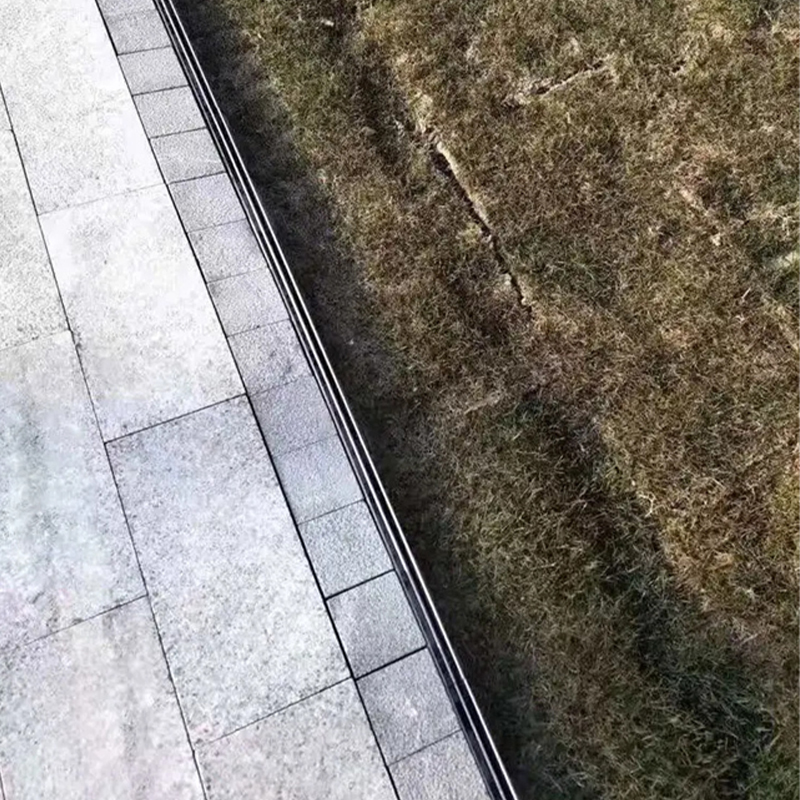
Unlike traditional point-type gullies, exposed trench grates, or bulky drainage openings that interrupt the streetscape, this product is intended to become part of the curb line itself. The inlet remains subtle, while the drainage function remains powerful. Surface water can be intercepted continuously along the roadway edge, parking area, sidewalk boundary, public square, residential access road, industrial park lane, or commercial frontage. The result is an infrastructure component that improves stormwater performance without compromising visual order.
Jiangsu Yameng Traffic Road Facilities Co., Ltd. manufactures drainage ditch and GRC series products for urban roads, municipal projects, commercial construction, and customized architectural applications. With experience in linear drainage ditches, finished drainage ditches, polymer-based drainage ditches, slot drainage ditches, U-shaped drainage ditches, cover plates, manhole covers, PE pipes, drainage pipes, and related products, the company has developed a practical understanding of how drainage components must perform in real construction environments. The Slotted Edge Linear Curb Drainage Ditch reflects this experience by bringing together structural strength, drainage efficiency, modular construction, and refined appearance.
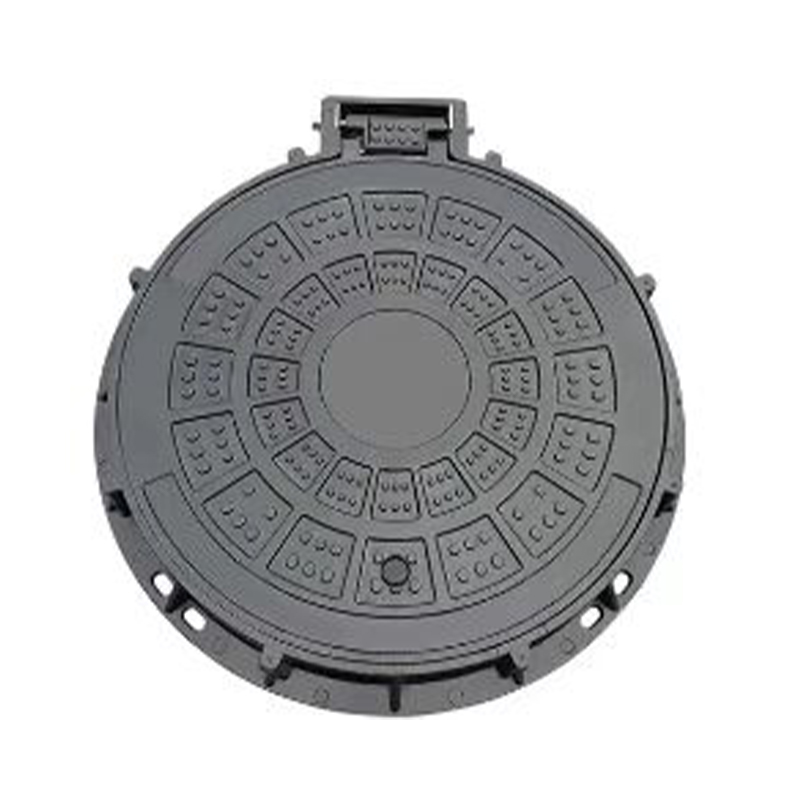
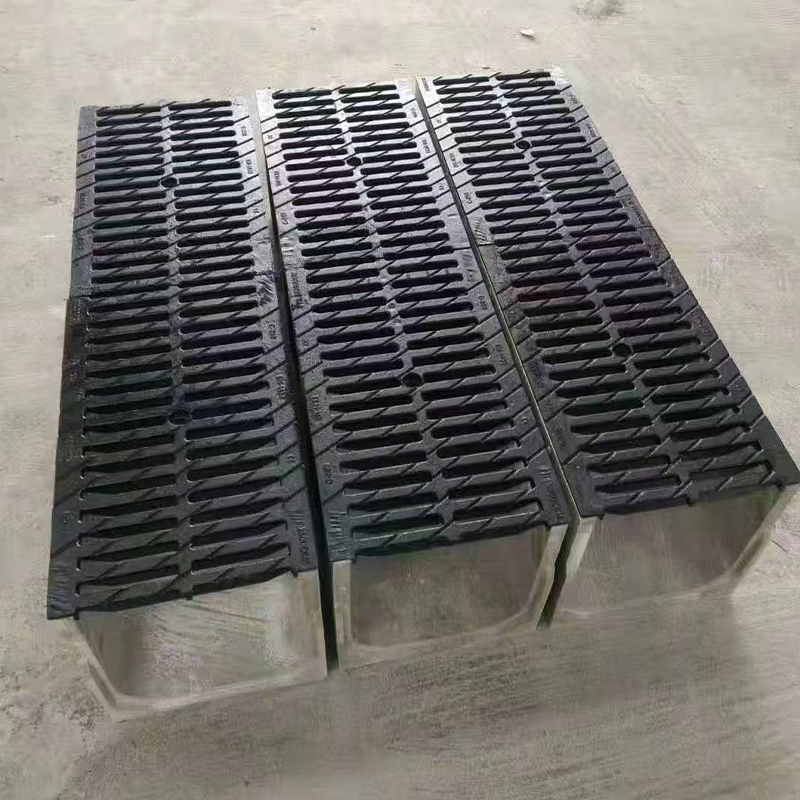
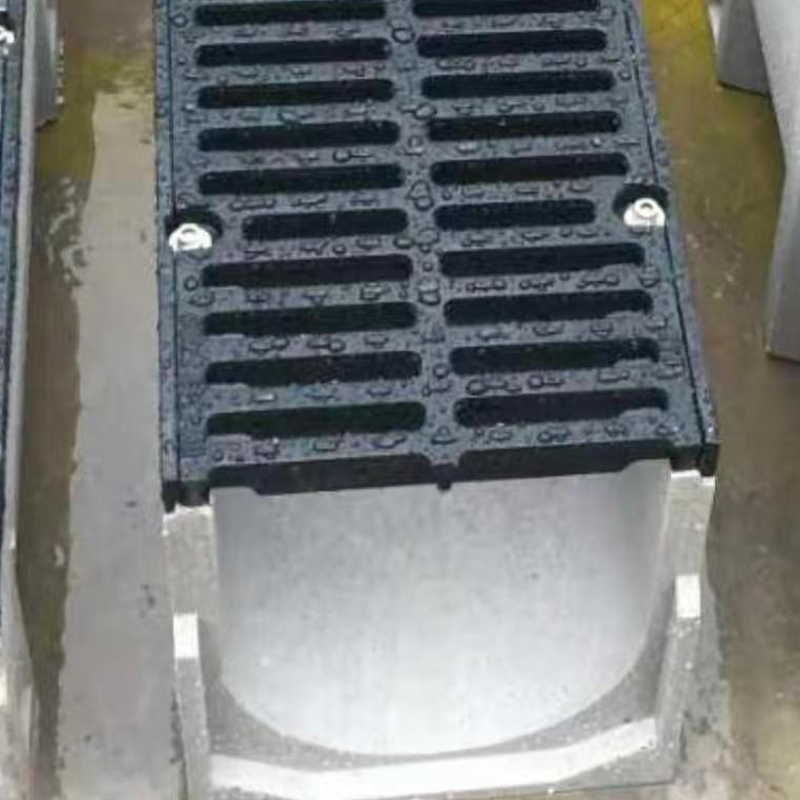
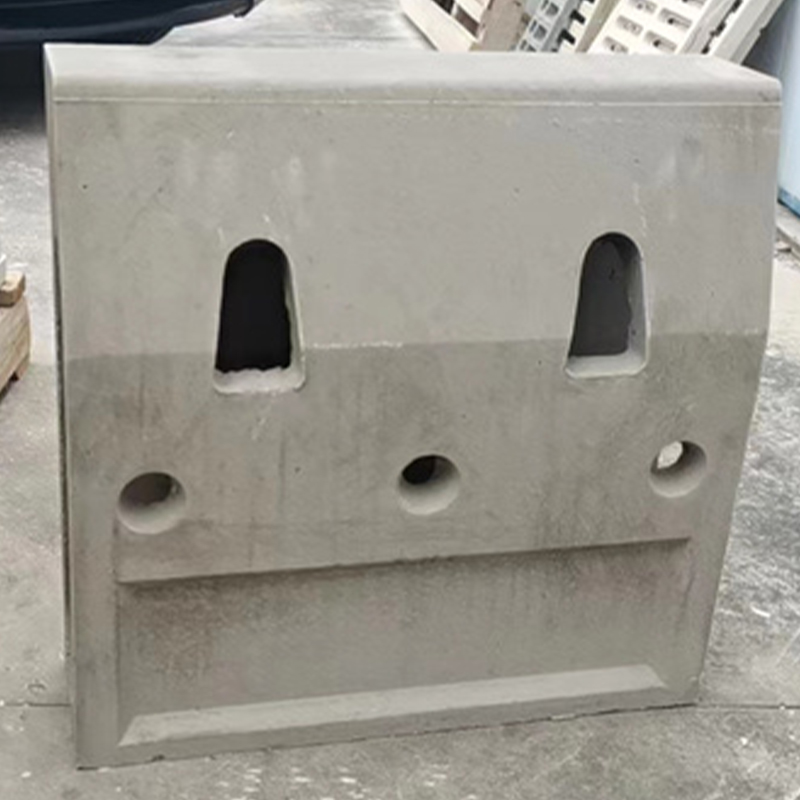
Curb stone drainage ditch inspection well, Slotted Edge Linear Curb Drainage Ditch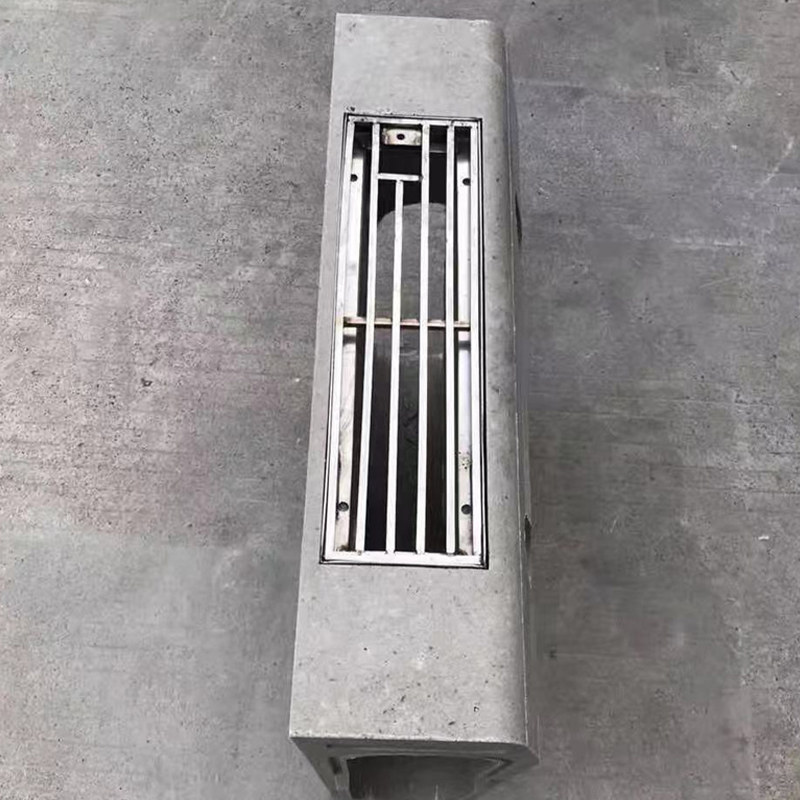
The core concept behind the Slotted Edge Linear Curb Drainage Ditch is the integration of two functions that are often treated separately. A curb traditionally defines the boundary between roadway and pedestrian or landscape areas, protects pavement edges, guides vehicle movement, and contributes to the visual rhythm of a street. A drainage ditch traditionally collects runoff and conveys it to an inspection well, storm sewer, storage facility, or discharge point. When these functions are separated, designers often need additional gratings, catch basins, side inlets, or surface channels that can disrupt the curb line and increase installation complexity.
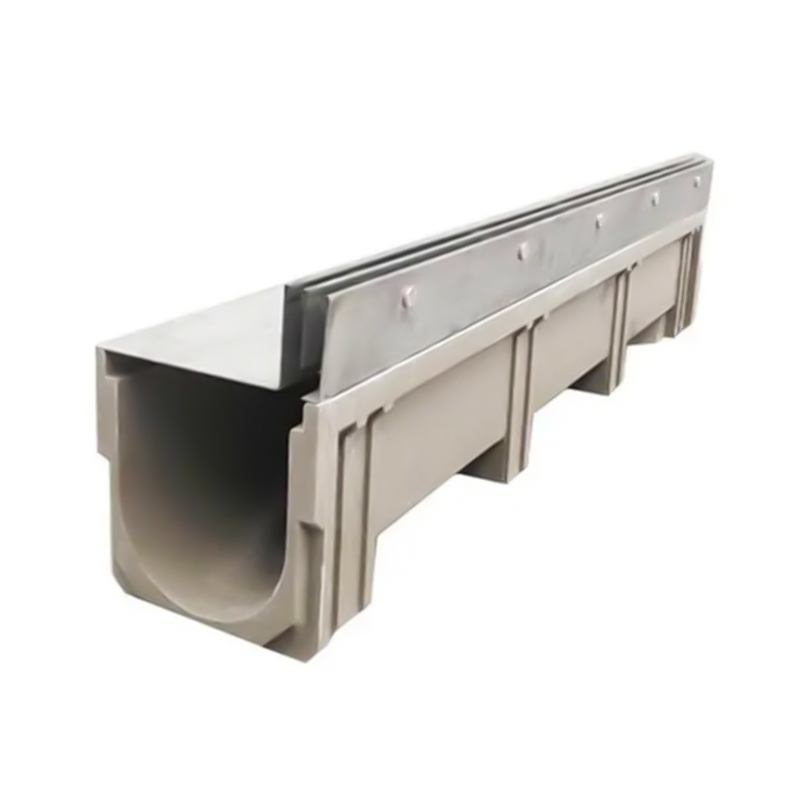
This curb drainage ditch changes the arrangement. The curb body incorporates a slot-style inlet, allowing stormwater to enter the drainage cavity while the visible surface remains clean and continuous. Instead of a large grate placed across a pavement area, the inlet follows the edge line. This makes the system suitable for projects where appearance is important but drainage capacity cannot be sacrificed. It is especially valuable in streetscape upgrades, urban renewal projects, commercial plazas, high-end residential roads, parking lots, bus stops, slow-traffic zones, and areas where pedestrian comfort and vehicle safety must be considered together.
The product title includes both “curb stone drainage ditch inspection well” and “slotted edge linear curb drainage ditch,” which reflects its practical system role. A complete installation may include curb drainage ditch units, transition sections, inspection well components, outlet connections, access covers, and related drainage accessories. The inspection well allows periodic observation, cleaning, and connection to underground drainage networks. This modular approach helps contractors assemble a drainage line that is both functional and maintainable.
Traditional point drainage systems rely on individual catch basins or gullies positioned at selected low points. While these systems are widely used, they have limitations. Water must travel across the pavement until it reaches a point inlet. During heavy rainfall, water may pond between inlets, especially if pavement gradients are insufficient, debris blocks a grate, or traffic compacts sediment around the opening. Ponding reduces driving safety, accelerates pavement damage, increases splash, and can create discomfort for pedestrians.
A linear curb drainage ditch intercepts water along a continuous line. Instead of waiting for runoff to reach a single point, the slotted edge captures flow as it reaches the curb. This can shorten overland flow distance, reduce water film thickness on the pavement, and improve runoff capture during intense rain. In practical terms, it helps reduce standing water near curbs, intersections, parking bays, and pedestrian crossings.
Compared with conventional open trench channels, the slotted edge format also provides aesthetic and safety benefits. Wide grates may create noise under vehicle loading, become loose over time, collect litter, or appear visually heavy in refined urban designs. A narrow curb slot is less visually intrusive and helps preserve a cleaner streetscape. It also reduces the chance of small wheels, heels, or pedestrian equipment interacting with a grate opening, provided the slot geometry is designed according to project requirements.
One of the strongest advantages of this product is its ability to disappear visually into the curb line. Urban designers often seek continuity in curb stones, paving modules, planting edges, and traffic boundaries. A drainage product that interrupts this order can weaken the design. The slotted edge approach avoids a visually dominant drainage structure. The inlet is narrow, linear, and integrated, allowing the curb to remain the primary visual element.
This feature is especially important in commercial districts, government plazas, cultural streets, scenic roadways, transport hubs, and landscaped residential developments. Drainage performance is necessary, but it should not make the project look industrial unless that is the design intention. By combining drainage with curb geometry, the product supports high-value urban environments where technical infrastructure must be present but discreet.
The continuous linear inlet provides rapid runoff capture along the edge of the paved surface. During rainfall, water moving toward the curb can enter the system at multiple points along the slot rather than concentrating at one gully. This improves hydraulic responsiveness and can reduce surface water accumulation.
In areas with vehicle traffic, rapid capture can improve safety by reducing hydroplaning risk, splash, and spray. In pedestrian areas, it helps limit puddles near crossings, entrances, and waiting zones. In parking facilities, it can reduce water concentration around tire paths and pedestrian walkways. The product therefore supports both traffic safety and user comfort.
Curb drainage units must resist more than vertical load. They may experience lateral pressure from vehicles, occasional wheel impact, maintenance equipment contact, freeze-thaw action in certain climates, settlement stress, and repeated wet-dry cycles. The Slotted Edge Linear Curb Drainage Ditch is built from high-strength precast materials designed to provide robust structural stability.
Compared with lightweight or poorly supported drainage products, a precast curb drainage ditch offers reliable geometry, predictable quality, and better resistance to deformation. The curb body helps distribute force, while the integrated channel reduces the number of separate components that could shift independently. This is important for roads, parking areas, loading zones, and municipal streets where drainage products must keep functioning after years of use.
Maintenance is a major cost factor in drainage infrastructure. Systems that trap sediment, leaves, and litter can require frequent cleaning. If cleaning is difficult, the system may be neglected until flooding occurs. The internal flow design of this slotted curb drainage ditch is intended to reduce silt accumulation by encouraging water movement through the channel. A smoother internal passage and proper hydraulic gradient can help transport fine particles toward inspection wells or discharge points.
Inspection wells and modular access points make maintenance more practical. Instead of removing long stretches of exposed grating, maintenance teams can inspect selected sections, flush the channel, and remove accumulated debris at planned locations. This helps reduce long-term upkeep costs and supports predictable operation.
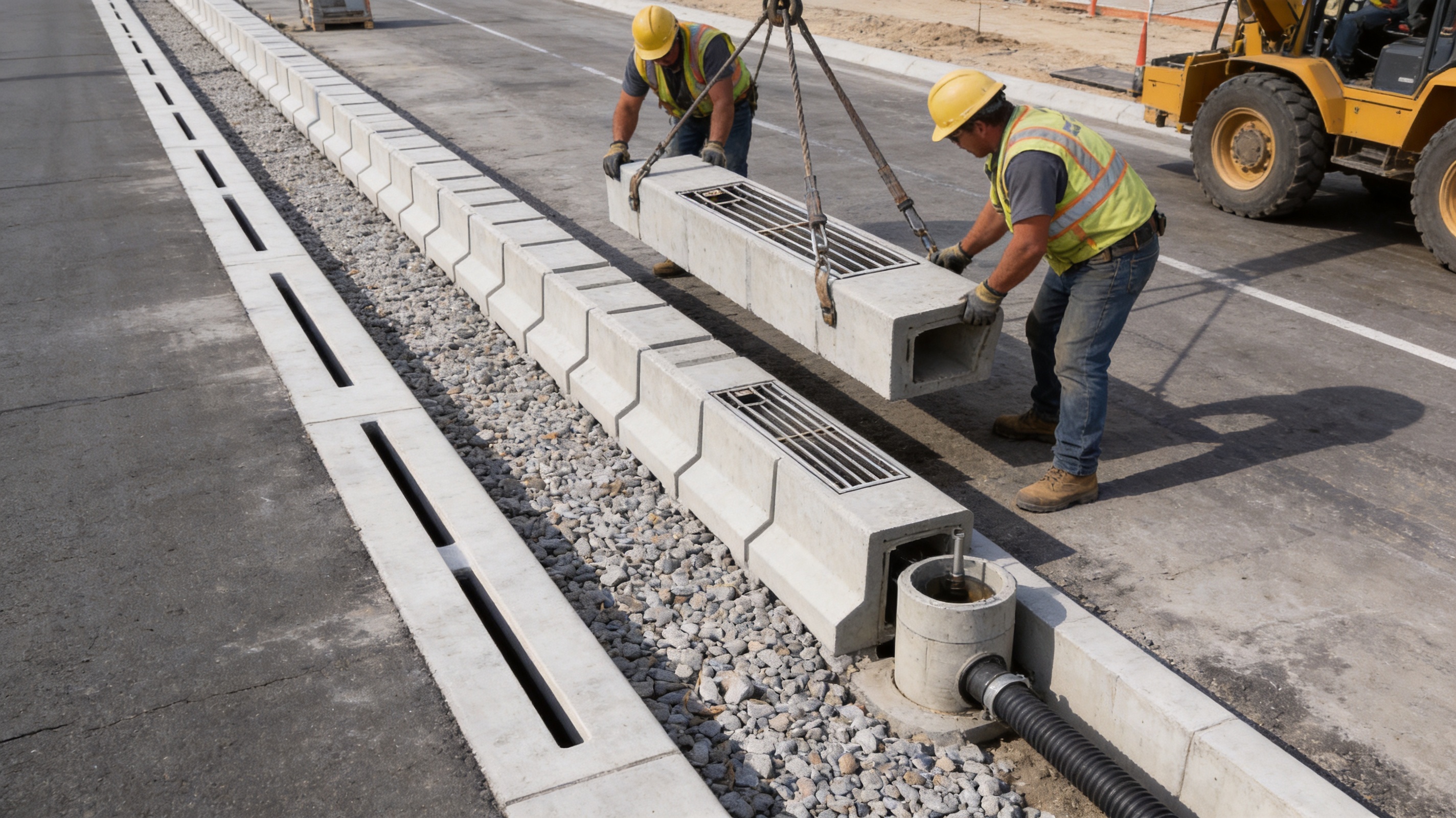
The product is designed for modular installation. Factory-made units arrive with controlled dimensions, allowing contractors to align curb drainage sections more efficiently than constructing complex drainage channels fully on site. Modular assembly can reduce formwork, on-site casting time, curing uncertainty, and labor variability.
For municipal projects where road closures are costly, shorter installation time is a major advantage. For commercial projects, faster installation can help keep construction schedules on track. For phased developments, modular units allow drainage lines to be installed in manageable sections while maintaining consistent appearance and performance.
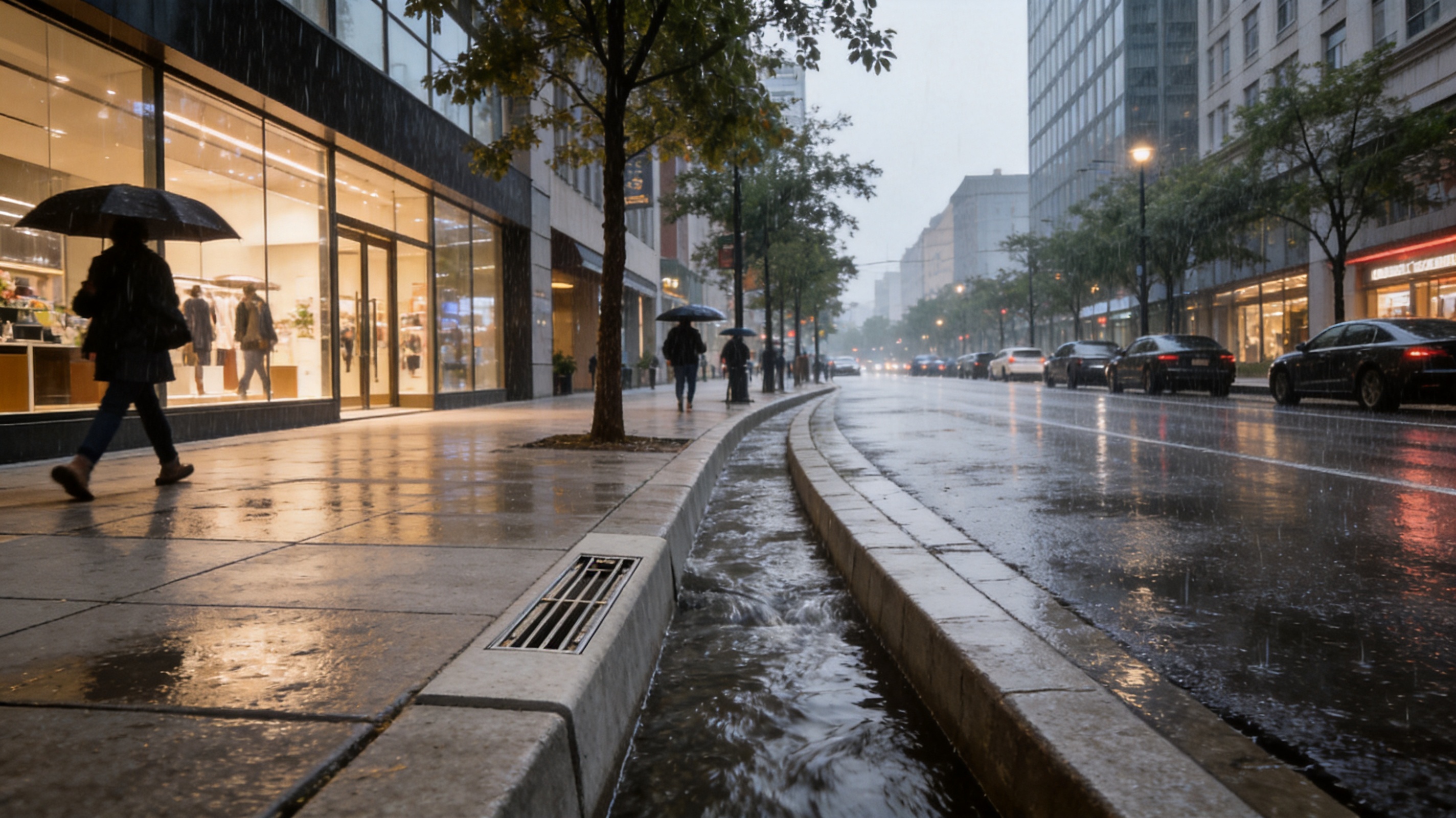
The following table summarizes how the Slotted Edge Linear Curb Drainage Ditch compares with several common drainage approaches. Actual project selection should consider hydraulic calculation, traffic load, local standards, site grading, underground utilities, and maintenance strategy, but the comparison illustrates the product’s practical advantages.
| Drainage Option | Visual Appearance | Runoff Capture Method | Maintenance Characteristics | Structural Suitability | Typical Limitation |
|---|---|---|---|---|---|
| Slotted Edge Linear Curb Drainage Ditch | Integrated with curb line and visually discreet | Continuous edge interception through a linear slot | Inspection wells and internal flow help simplify cleaning | High-strength precast structure supports road-edge applications | Requires accurate alignment and proper hydraulic design |
| Traditional Point Gully | Visible inlet or grate at selected locations | Water must travel to individual low points | Can clog at inlet and may need frequent localized cleaning | Suitable when correctly designed and installed | May allow ponding between inlets during heavy rain |
| Open Trench with Grate | Highly visible surface grate | Linear capture across exposed channel opening | Grates may collect debris and require lifting for cleaning | Depends on grate class and channel support | Can create noise, visual interruption, and grate-related wear |
| Conventional Side Inlet | Visible opening in curb face | Localized side capture | May collect sediment near inlet mouth | Useful in many road drainage systems | Less continuous than a full linear slot system |
| On-Site Cast Drainage Channel | Variable depending on workmanship | Designed according to site conditions | Depends on finish quality and access design | Can be strong but quality varies on site | Longer construction time and less dimensional consistency |
Municipal roads need reliable drainage to protect pavement and reduce hazards during rainfall. The slotted curb drainage ditch can be used along road edges where water naturally flows toward the curb. Because the inlet is integrated into the curb, it supports clean roadway appearance while improving runoff capture. It is also suitable for urban renewal projects where old drainage systems are being replaced with more efficient and visually coordinated solutions.
Parking lots and commercial streets often experience concentrated runoff from wide paved areas. Traditional catch basins may leave water ponding if grading is imperfect or if debris blocks the inlet. A linear curb drainage ditch along traffic lanes, parking bay edges, or building frontage can collect water more evenly. The discreet slot also helps maintain a professional appearance near shopping centers, office parks, hotels, exhibition centers, and industrial parks.
Pedestrian comfort depends on dry walking surfaces, clear boundaries, and safe transitions between pavement types. The slotted edge system can be installed along the boundary between pedestrian pavement and roadways or landscape areas. Because it avoids large open grates in pedestrian paths, it can support more comfortable movement for people using strollers, luggage, wheelchairs, or bicycles, subject to project-specific slot design and accessibility requirements.
Residential developments increasingly demand drainage products that are durable but not visually intrusive. A curb drainage ditch with a slotted edge can help manage runoff along internal roads, villa streets, garden paths, and entrance areas. Its curb-like appearance blends with landscape design, while the linear inlet improves water management during storms.
Industrial parks, logistics facilities, and service roads require drainage systems that withstand frequent vehicle movement. Heavy-duty precast construction gives the product an advantage over fragile or poorly supported alternatives. When combined with suitable foundation preparation and correct installation, the system can serve areas where vehicles repeatedly approach or run near the curb.
A drainage product’s performance depends not only on its concept but also on its manufacturing process. The Slotted Edge Linear Curb Drainage Ditch requires accurate slot geometry, consistent curb dimensions, reliable material strength, and clean internal channel formation. Manufacturing precision is essential because even small variations can affect alignment, appearance, water capture, and installation efficiency.
Jiangsu Yameng Traffic Road Facilities Co., Ltd. is located in Nantong, Jiangsu Province, China, an area with convenient transportation and waterway access. This location supports the movement of raw materials, molds, finished drainage units, cover plates, manhole covers, and customized GRC products. The company’s product range gives it broad familiarity with drainage engineering and municipal supply needs. Its experience in both drainage ditch series and GRC series products is particularly valuable because it combines engineering performance with customized shaping capability.
The company’s service process begins with detailed design and drawing preparation. For curb drainage ditch projects, design must address hydraulic capacity, curb height, slot location, channel cross-section, inspection well spacing, outlet connection, road gradient, foundation requirements, load conditions, and installation sequence. Professional designers can help translate project requirements into manufacturable components.
Detailed drawings reduce ambiguity between the owner, designer, contractor, and manufacturer. They help define dimensions, module lengths, joint locations, special sections, corners, transitions, and inspection well positions. This is especially important for customized projects where road geometry or landscape design requires non-standard components.
High-quality precast drainage products depend heavily on mold quality. A mold determines the surface finish, dimensional accuracy, slot consistency, edge definition, and repeatability of the finished product. The company is supported by mold designers and CNC engraving capability, allowing it to develop accurate molds for standard and customized products.
CNC engraving is particularly useful for complex shapes, refined curb profiles, GRC decorative elements, and components requiring precise surface features. In the context of a slotted curb drainage ditch, accurate mold processing helps ensure that the slot remains uniform along the length of the product. A uniform slot improves appearance and helps maintain predictable inlet behavior.
Precast manufacturing offers major advantages over purely on-site construction. Factory conditions allow better control over material proportioning, mold preparation, reinforcement placement where applicable, curing environment, dimensional inspection, and finishing. This leads to more consistent products and less dependence on variable site workmanship.
For drainage ditch products, consistency is crucial. If channel bottoms are uneven, sediment can accumulate. If joints are poorly formed, leakage or misalignment can occur. If curb profiles vary, installation becomes slower and the final streetscape looks irregular. Factory precast production helps solve these problems by standardizing the geometry before products reach the construction site.
The Slotted Edge Linear Curb Drainage Ditch uses high-strength precast materials to provide structural reliability. Material selection and production control must consider compressive strength, impact resistance, water absorption, abrasion resistance, freeze-thaw durability where relevant, and long-term dimensional stability. In drainage environments, products are exposed to water, sediment, road debris, temperature changes, and sometimes deicing agents or industrial runoff. A robust material system is therefore essential.
Compared with thin, lightweight, or low-grade drainage components, high-strength precast products offer better resistance to cracking, deformation, and displacement. Their mass and stiffness help them remain stable when installed on a properly prepared foundation. This is important at curb edges where vehicles may occasionally mount the curb or apply side pressure.
The company’s experienced production and construction technical team supports the full service chain from manufacturing to on-site construction guidance and after-sales support. This is a meaningful advantage because drainage systems are not isolated products; they are installed infrastructure. A well-made unit can underperform if installed without correct bedding, alignment, slope, joint sealing, outlet connection, or backfilling. Technical support helps ensure that the design intent is realized on site.
For contractors, this support can reduce installation uncertainty. For project owners, it can reduce lifecycle risk. For designers, it offers practical feedback on manufacturability and construction details. The combination of product supply and technical understanding makes the manufacturer more than a component vendor; it becomes a drainage solution partner.
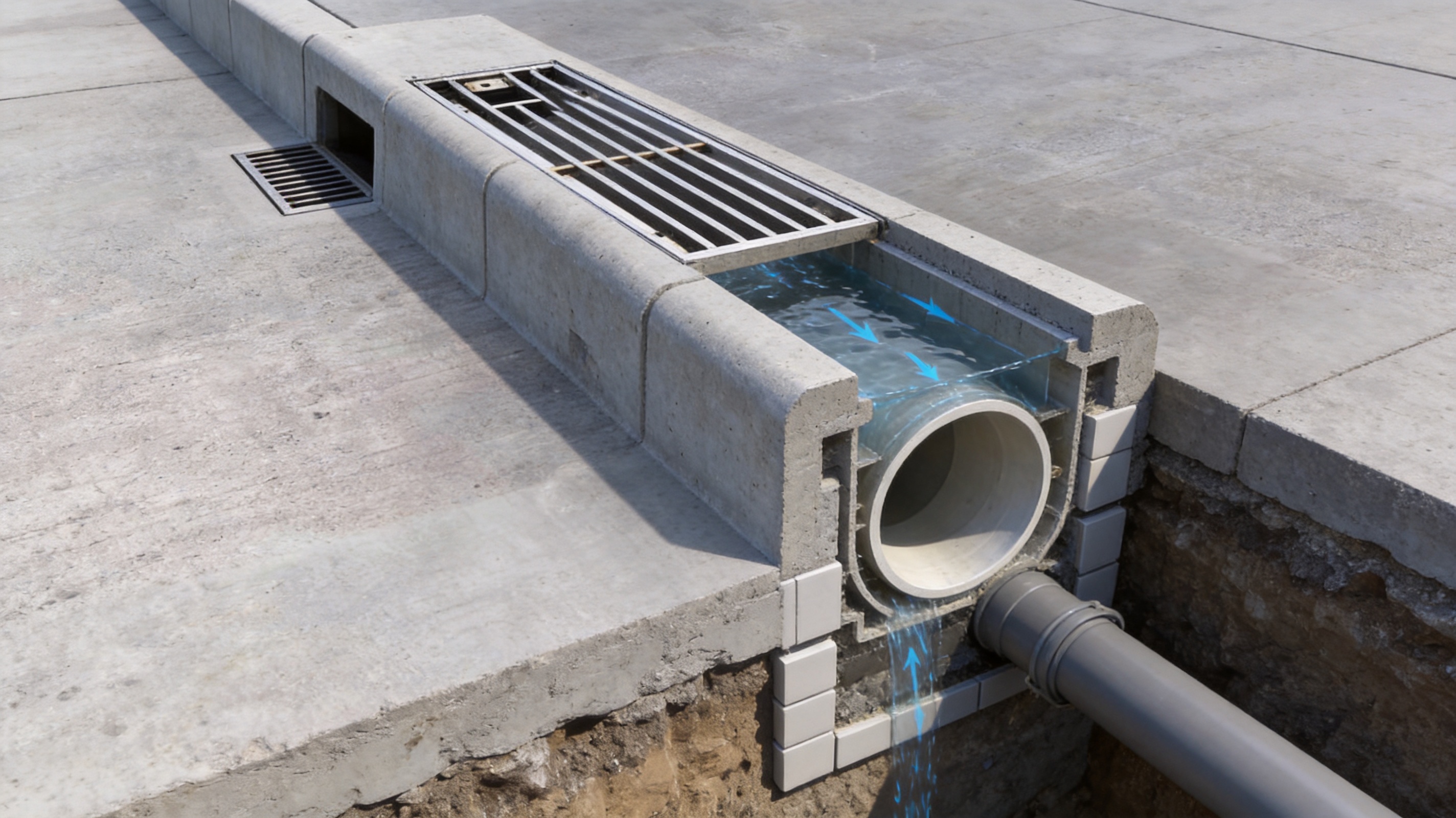
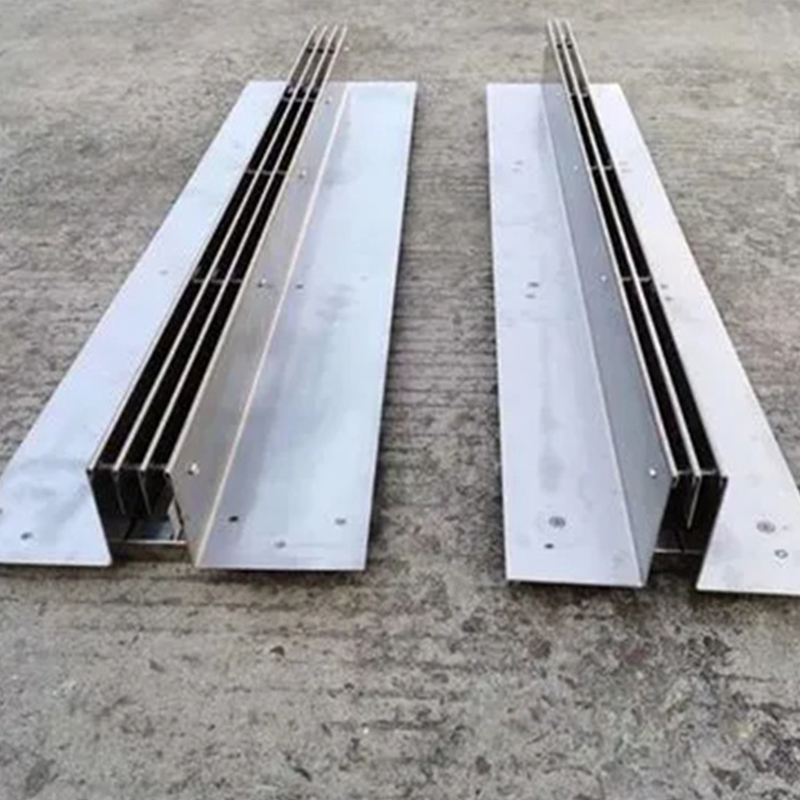
The main body serves as both curb and drainage channel. It must maintain sufficient height and visible curb shape while containing an internal water passage. The slot along the edge allows runoff to enter without exposing a large channel opening. The body must be dimensionally stable so that adjacent modules align cleanly.
The slot-style inlet is the defining feature of the product. Its geometry must balance visual subtlety and hydraulic performance. A slot that is too small may restrict inflow; a slot that is too large may weaken the curb appearance or create safety concerns. Proper design considers rainfall intensity, catchment area, pavement slope, debris load, and maintenance access.
The inspection well provides access for observation and cleaning. It also helps connect the linear curb drainage ditch to downstream drainage pipes or municipal systems. Inspection wells may be placed at intervals, at changes in direction, at changes in slope, or near outlet locations. Their presence supports long-term maintainability.
Collected water must be discharged safely. Outlet connections link the curb drainage channel to stormwater pipes, PE pipes, manholes, storage facilities, or other drainage infrastructure. Correct outlet sizing prevents backup during heavy rainfall. Proper sealing and alignment reduce leakage, erosion, and settlement risk.
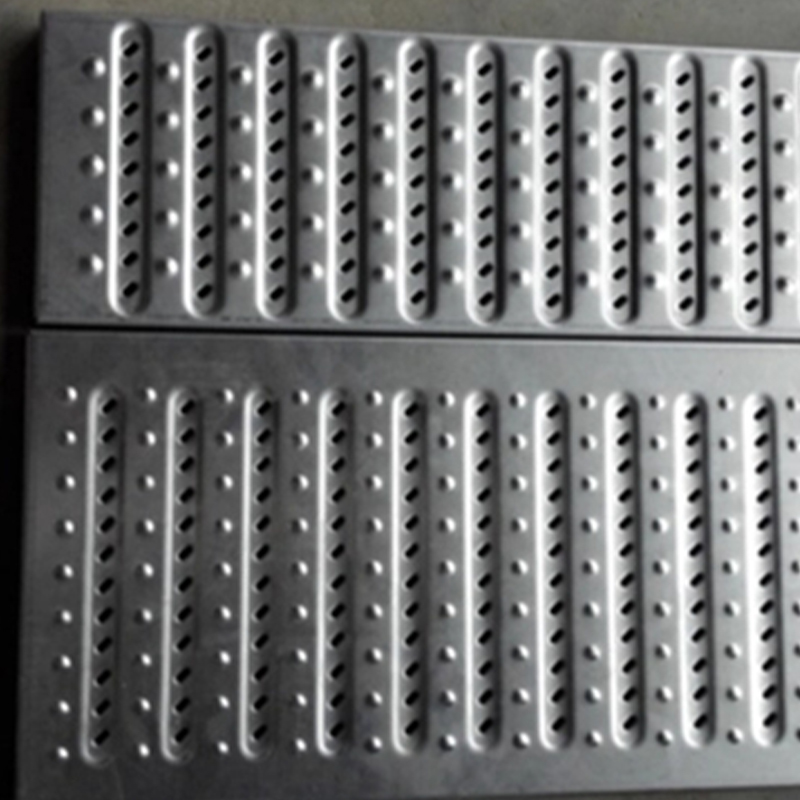
Related drainage systems may include ductile iron cover plates, stainless steel stamped cover plates, steel gratings, resin concrete cover plates, resin composite manhole covers, stainless steel manhole covers, and ductile iron manhole covers. The choice depends on load class, appearance, corrosion resistance, cost, and maintenance requirements. Jiangsu Yameng’s broad cover plate and manhole cover product range allows integrated supply for different project conditions.
Successful installation begins with accurate surveying. The drainage line must match the designed road gradient and flow direction. The foundation should be prepared to provide uniform support, because uneven bedding can cause settlement, cracking, or misalignment. If the curb drainage ditch is installed along a roadway edge, coordination with pavement layers, subbase materials, and curb backfill is essential.
Modules should be placed according to the approved layout, with attention to joint alignment and slot continuity. A clean, continuous slot improves both appearance and water capture. Joints should be treated according to project requirements to reduce leakage and prevent soil migration. Inspection wells should be positioned for practical access, not hidden where future maintenance crews cannot reach them.
Backfilling and pavement restoration must protect the channel body. Excessive impact during construction should be avoided. If heavy vehicles must pass near newly installed units before final pavement support is completed, temporary protection may be necessary. After installation, the system should be checked by flushing water through the line to confirm proper flow and outlet connection.
Drainage efficiency depends on inlet capacity, channel capacity, longitudinal slope, outlet capacity, and maintenance condition. The slotted edge linear curb drainage ditch improves inlet distribution by providing a long continuous capture line. This can be highly beneficial in areas where sheet flow approaches the curb over a broad surface.
In stormwater management, reducing surface ponding is only one goal. Good drainage also helps protect pavement structure. When water remains on pavement or infiltrates through cracks, it can weaken base layers, accelerate freeze-thaw damage, and increase maintenance costs. By collecting runoff efficiently at the edge, the curb drainage ditch supports longer pavement service life.
The system can also be integrated into broader sustainable drainage strategies. For example, collected water may be routed to sedimentation facilities, underground storage, rain gardens, or controlled discharge systems depending on project design. While the product itself is a conveyance and collection component, its linear capture capability can support more organized stormwater planning.
Road safety is affected by water depth, splash, tire grip, and driver visibility. Continuous drainage at the curb edge can reduce water film accumulation, especially near low points and road boundaries. This helps reduce the risk of vehicles encountering sudden puddles. In urban streets, it can also reduce splash onto sidewalks, storefronts, and waiting passengers.
For pedestrians, a discreet slot at the curb line can be preferable to wide exposed grates placed in walking paths. The absence of large grate panels may reduce trip concerns, rattling noise, and visual clutter. However, every project should evaluate slot width, location, and accessibility requirements to ensure safe use for all pedestrians, including people with mobility aids.
The company’s GRC series capability adds another layer of value. GRC, or glass fiber reinforced cement, is widely used for architectural and decorative components because it can be formed into complex shapes with good surface detail. A manufacturer with GRC design, mold, CNC engraving, production, and construction experience can better respond to customized municipal and landscape requirements.
Although the Slotted Edge Linear Curb Drainage Ditch is primarily an engineering drainage product, many projects require matching curb profiles, special colors, decorative surfaces, transitions to landscape elements, or integration with architectural surroundings. The ability to customize molds and produce refined components helps the product adapt to high-end streetscape designs. This is a competitive advantage over suppliers that only offer standard industrial drainage units with limited aesthetic options.
Quality control should begin before production and continue through delivery. At the design stage, drawings and technical requirements must be reviewed. At the mold stage, mold dimensions and surface quality must be checked. During production, raw material quality, batching consistency, forming accuracy, curing conditions, and demolding procedures influence final performance. After production, finished units should be inspected for dimensional accuracy, visible defects, slot consistency, edge quality, and overall appearance.
Packaging and transportation are also part of quality control. Precast curb drainage units should be handled to prevent edge damage, slot damage, and cracking. Proper stacking and loading protect the product before it reaches the job site. Once delivered, site storage should keep units stable and accessible for installation.
After-sales support completes the lifecycle. If contractors have questions during installation or if project owners require maintenance guidance, responsive technical service can prevent small issues from becoming costly problems. This full-cycle approach is one of the strengths of a manufacturer experienced in both product production and construction support.
When comparing drainage systems, purchase price is only one part of the cost. A low-cost component may become expensive if it requires frequent maintenance, causes construction delays, looks inconsistent, fails under load, or must be replaced early. The Slotted Edge Linear Curb Drainage Ditch is designed to create value through durability, faster installation, reduced maintenance, and better streetscape integration.
Modular precast units can reduce labor time compared with complex on-site forming. Continuous runoff capture can reduce the risk of water-related pavement damage. Inspection access can reduce cleaning difficulty. Heavy-duty stability can reduce replacement risk. Aesthetic integration can improve project quality without adding separate decorative screening. These benefits contribute to lower total lifecycle cost and higher project value.
The drainage ditch market includes many products: conventional concrete channels, polymer concrete channels, stainless steel slot drains, plastic modular drains, ductile iron gratings, trench drains, and roadside gullies. Each has its place. The Slotted Edge Linear Curb Drainage Ditch stands out because it solves several problems at once. It collects water continuously, acts as a curb, preserves visual continuity, supports heavy-duty use, and simplifies maintenance through inspection access.
Many competing systems force designers to choose between appearance and performance. A wide grate may drain well but look intrusive. A hidden point inlet may look cleaner but capture water less efficiently. A cast-in-place channel may be customizable but slow to build and inconsistent in quality. This product offers a balanced alternative: factory-made precision, linear hydraulic capture, curb integration, and urban design compatibility.
For contractors, the product reduces complexity. For designers, it provides a clean drainage detail. For owners, it offers durable infrastructure with lower maintenance concerns. For users, it helps create safer and drier streets. These combined advantages make it a strong option for modern drainage projects.
It is a curb drainage ditch that integrates a narrow slot-style inlet into the curb edge. The system functions as both a curb and a linear drainage channel, capturing runoff continuously along the road or pavement edge.
A point gully collects water only at selected inlet locations, so runoff must travel across the surface before entering the drainage system. The slotted edge linear system captures water along a continuous line, which can reduce ponding and improve runoff interception during heavy rainfall.
The drainage inlet is integrated into the curb line as a narrow slot. This avoids large exposed grates or visually heavy drainage openings, helping the streetscape remain clean, continuous, and orderly.
Yes, it is designed with high-strength precast materials and heavy-duty stability for road-edge conditions. Proper foundation preparation, installation, and project-specific load evaluation are still necessary to ensure long-term performance.
The internal flow design helps minimize silt accumulation, while inspection wells and modular access points make cleaning and flushing more practical. This can reduce maintenance difficulty compared with systems that require frequent grate removal.
Yes. With professional designers, mold designers, CNC engraving capability, and GRC series production experience, customized dimensions, shapes, transitions, and project-specific details can be developed according to engineering and aesthetic requirements.
It can be used in municipal roads, commercial streets, parking areas, public squares, residential communities, industrial parks, transport facilities, and landscape roads where curb integration and efficient runoff capture are required.
A complete system may include curb drainage ditch units, inspection wells, outlet connections, drainage pipes, cover plates, manhole covers, transition sections, and related accessories depending on project design.
Factory precast production improves dimensional consistency, surface quality, slot accuracy, and structural reliability. It also reduces on-site construction variability and can shorten installation time.
Project teams should consider rainfall intensity, drainage area, pavement slope, traffic load, foundation conditions, outlet capacity, maintenance access, local standards, and aesthetic requirements. A suitable design ensures the system performs as intended.
The Slotted Edge Linear Curb Drainage Ditch represents a practical evolution in road and urban drainage design. It is not merely a drainage channel placed beside a curb; it is a combined curb-and-drainage system that supports hydraulic efficiency, visual continuity, structural stability, and maintenance convenience. By capturing runoff through a continuous slot along the curb edge, it addresses many limitations of traditional point drainage while avoiding the visual and operational drawbacks of exposed trench grates.
Its advantages are especially clear in modern urban projects where infrastructure must be efficient but visually restrained. The product helps reduce pooling, improve driving and pedestrian conditions, preserve streetscape aesthetics, and simplify long-term maintenance. High-strength precast construction provides the durability required for real road environments, while modular installation supports faster and more consistent construction.
Jiangsu Yameng Traffic Road Facilities Co., Ltd. strengthens the value of the product through its comprehensive manufacturing capabilities. From detailed design and drawing preparation to mold design, CNC engraving, production, construction support, and after-sales service, the company provides more than a single component. It provides a coordinated drainage solution supported by experience in drainage ditch products, cover plates, manhole covers, pipes, and GRC customization.
For project owners seeking durable infrastructure, designers seeking clean urban details, and contractors seeking reliable installation, the Slotted Edge Linear Curb Drainage Ditch offers a balanced and forward-looking solution. It combines the curb’s boundary function with the drainage channel’s hydraulic function, making it a competitive choice for roads, plazas, parking areas, commercial spaces, residential developments, and municipal upgrades that demand both performance and appearance.
1. Butler, D., and Davies, J. W. Urban Drainage. CRC Press.
2. CIRIA. The SuDS Manual: Sustainable Drainage Systems Guidance.
3. AASHTO. Highway Drainage Guidelines.
4. FHWA. Urban Drainage Design Manual, Hydraulic Engineering Circular No. 22.
5. ASTM International. Standard Practices and Test Methods for Concrete and Precast Drainage Products.
6. EN 1433. Drainage Channels for Vehicular and Pedestrian Areas: Classification, Design and Testing Principles.
7. Mays, L. W. Stormwater Collection Systems Design Handbook.
8. Concrete Pipe Association Publications. Guidance on Precast Concrete Drainage Structures and Installation Practices.
Related Products
Our Modular GRC System merges installation speed with long-term durability, providing a high-perform...
READ MOREOur Modular GRC System merges installation speed with long-term durability, providing a high-perform...
READ MOREOur Modular GRC System merges installation speed with long-term durability, providing a high-perform...
READ MOREOur Modular GRC System merges installation speed with long-term durability, providing a high-perform...
READ MOREOur Modular GRC System merges installation speed with long-term durability, providing a high-perform...
READ MOREOur Modular GRC System merges installation speed with long-term durability, providing a high-perform...
READ MORE
Contact us
Factory Address
Group 12, Quanxin Village, Donghai Town, Qidong City, Nantong City, Jiangsu Province, China
phone
+86-13914963840
+86-13451754670
products
QR CODE
 Wholesale Drainage Ditch Manufacturers