 English
 Español
 عربى
عربى

The Artistic Facade Decorative GRC Curtain Wall Panels are designed for modern architecture seeking ...
READ MOREJul 04, 2026
Content
Modern urban construction, commercial development, and industrial facility planning require drainage systems that do more than simply move water away from the surface. A high-quality drainage channel must support heavy flow, resist abrasion, reduce slip risk, withstand traffic loads, remain stable under changing weather conditions, and simplify maintenance over years of service. The Anti-Slip and Wear-Resistant Linear Drainage Channel is designed for exactly these demanding environments. It combines efficient linear water collection with a durable grating structure, strong channel body, modular installation, and practical maintenance access, making it suitable for sidewalks, pedestrian streets, parking lots, driveways, commercial complexes, industrial zones, municipal roads, and other high-use areas.
This product belongs to the linear drainage channel category and is especially valuable where water accumulation can create hazards for pedestrians, cyclists, vehicles, forklifts, or service equipment. Unlike traditional point drainage systems that rely on scattered inlets and may leave surface water traveling across large areas, a linear drainage channel captures runoff along an extended line. This improves drainage speed, reduces puddling, and supports cleaner, safer traffic surfaces. The anti-slip and wear-resistant design further improves performance in wet conditions, giving project owners a system that balances safety, structural reliability, and long-term cost control.
Anti-slip and wear-resistant linear drainage channel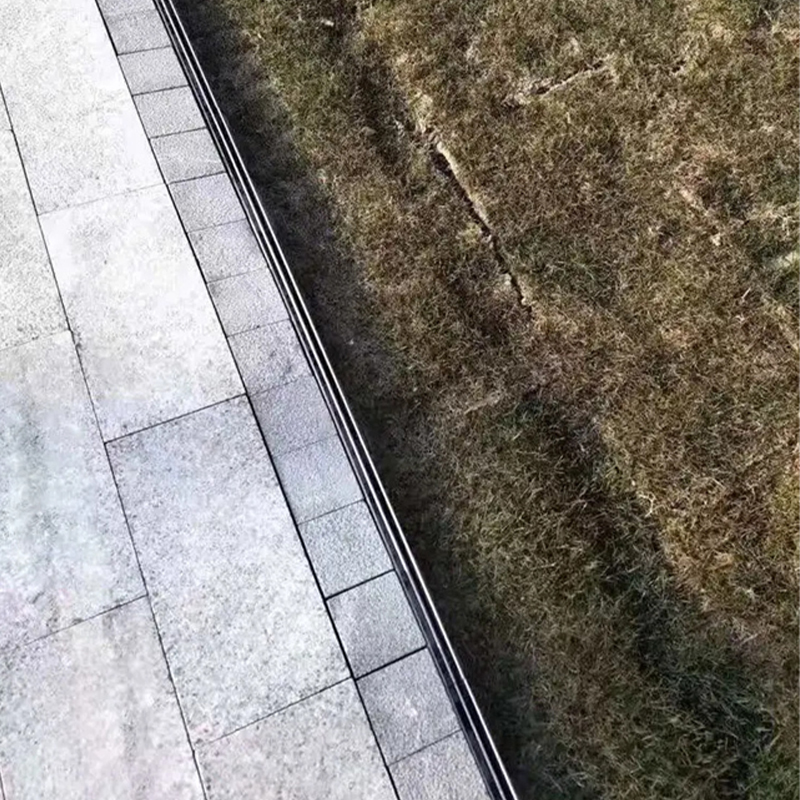
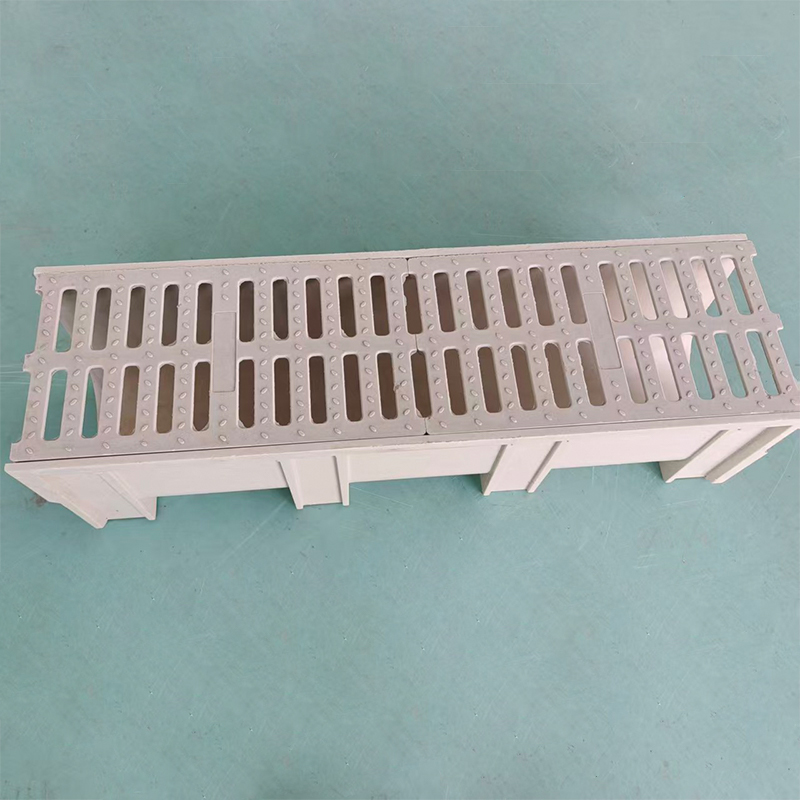
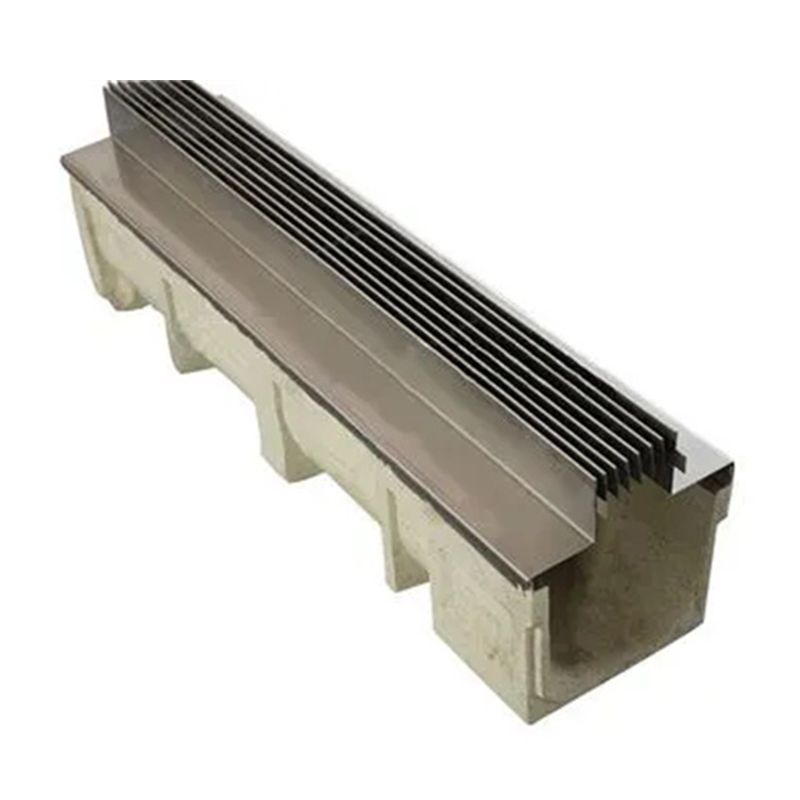
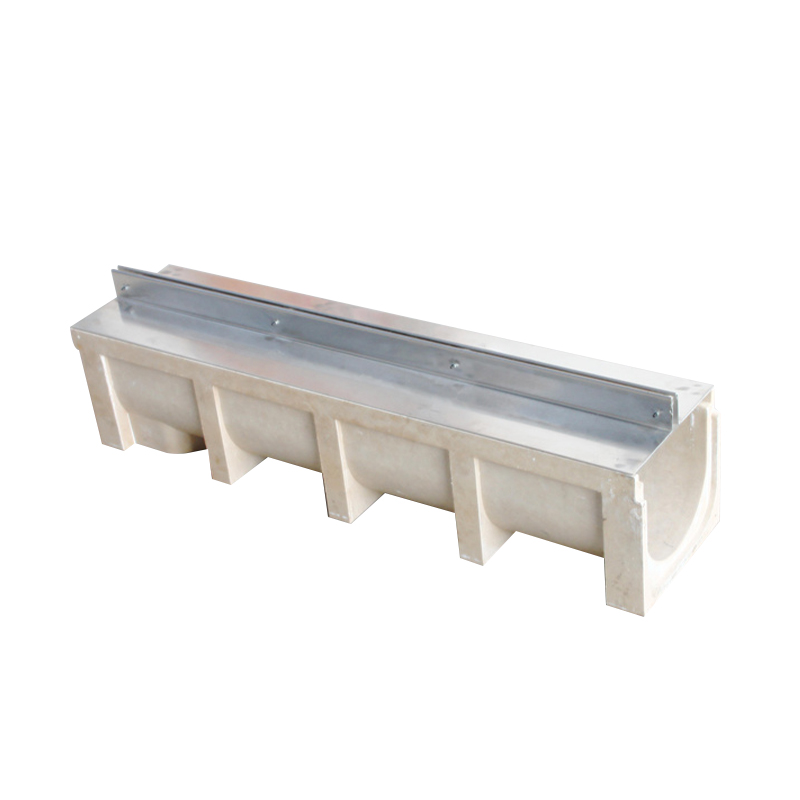
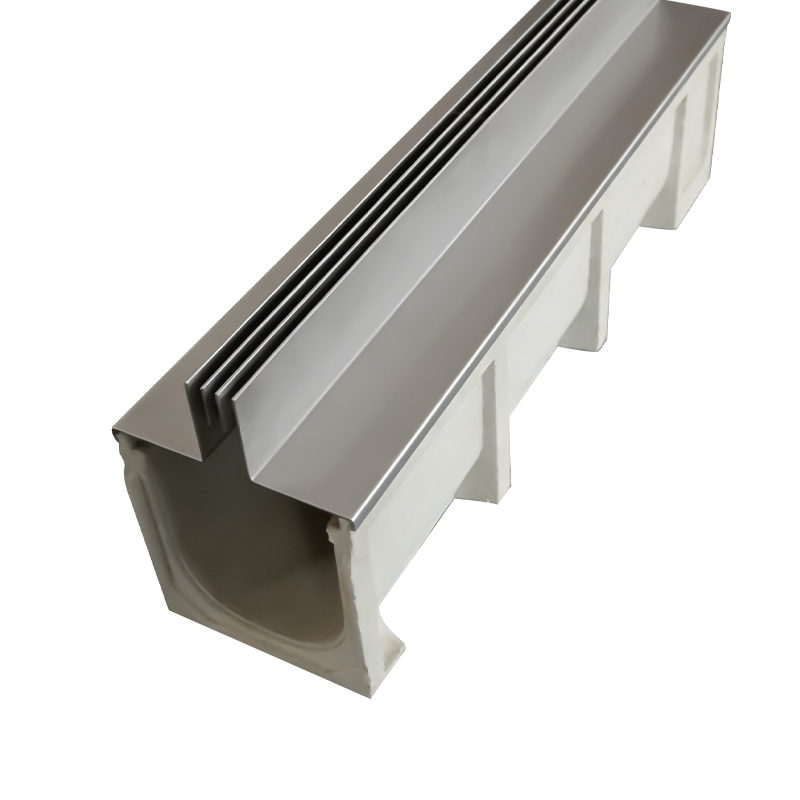
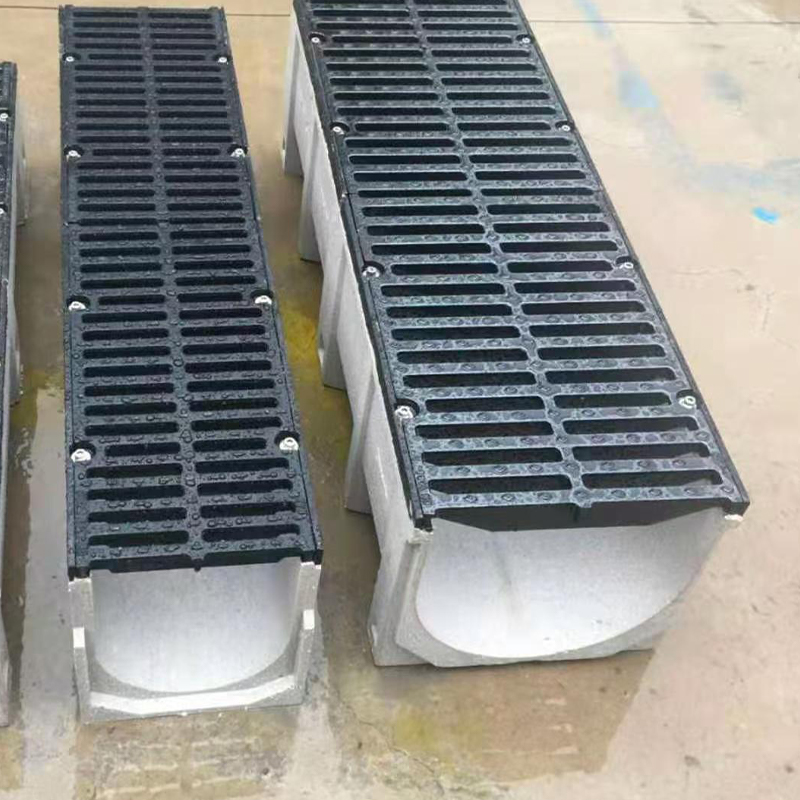
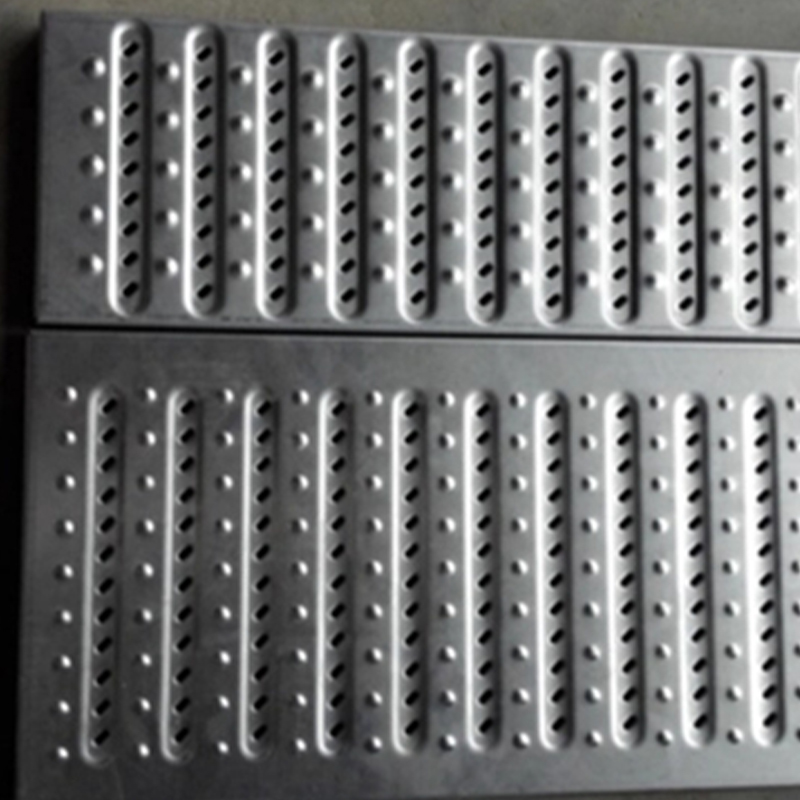
The Anti-Slip and Wear-Resistant Linear Drainage Channel is a complete drainage solution consisting of a channel body and a removable cover or grating. The channel body guides water quickly toward the designed outlet, while the surface grate allows runoff to enter the system and provides safe load-bearing access across the trench. The grating can be engineered with textured, slotted, stamped, or ribbed surfaces to help increase friction under wet conditions. This reduces slipping risk and improves user confidence in locations with frequent foot traffic or mixed pedestrian and vehicle access.
The product is manufactured with durable materials such as reinforced polymer concrete, stainless steel, ductile iron, resin concrete, or other project-appropriate structural materials. These materials are selected for their ability to resist abrasion, impact, water erosion, chemical exposure, freeze-thaw conditions, and repeated loading. In demanding applications, the surface may face not only rainwater but also sand, dust, vehicle tires, cleaning chemicals, oils, mild industrial fluids, and outdoor temperature changes. A drainage channel that lacks wear resistance can deform, crack, corrode, or become difficult to maintain. This product is developed to reduce those risks.
Its linear form is another major advantage. Long channel runs can be installed along road edges, building entrances, garage ramps, loading docks, public squares, and pedestrian corridors. Modular sections allow the system to be extended or customized according to layout requirements. When paired with proper gradients and outlet planning, the system helps move water away from the surface quickly, reducing standing water and improving the overall quality of the built environment.
Surface drainage is closely connected to public safety. When rainwater gathers on roads, parking lots, walkways, or commercial entrances, the risk of slips, falls, tire skidding, and surface damage increases. Poor drainage can also damage pavement, create stains, accelerate freeze-thaw deterioration, and cause customer complaints in commercial settings. A drainage channel with an anti-slip grating helps address this issue at the surface level, where user contact occurs.
The anti-slip function is especially important in wet environments. Pedestrians may walk with different types of footwear, including smooth-soled shoes. Vehicles may turn, brake, or accelerate over drainage covers. Industrial workers may push carts, operate forklifts, or move equipment across wet surfaces. A smooth or poorly designed cover can become a hazard. By using an anti-slip grating design, the channel provides improved traction and better operational safety.
In many competing drainage products, safety is treated as an accessory rather than a core design requirement. Some products focus only on drainage capacity but overlook the interaction between the cover and daily traffic. Others use low-grade covers that wear smooth over time. The Anti-Slip and Wear-Resistant Linear Drainage Channel is designed to maintain practical friction and structural performance under repeated use, making it more suitable for projects that need long-term reliability.
Wear resistance is one of the most important indicators of drainage channel quality. In real-world environments, drainage systems are exposed to constant mechanical contact. Vehicle tires, pedestrian footsteps, carts, cleaning tools, sediment, and debris can all create abrasion. Over time, inferior materials may lose surface texture, develop cracks, corrode, or suffer loose grating connections. Once deterioration begins, maintenance costs increase and user safety may decline.
The Anti-Slip and Wear-Resistant Linear Drainage Channel is designed with strong materials and practical structural engineering. Reinforced polymer concrete provides high compressive strength, low water absorption, and excellent resistance to many environmental conditions. Stainless steel offers corrosion resistance and a clean appearance for commercial or architectural environments. Ductile iron covers can provide heavy-duty load capacity for vehicle traffic. Resin concrete and composite materials can offer a balance between strength, durability, and installation efficiency.
Compared with conventional cast-in-place concrete trenches, this prefabricated linear drainage solution provides more consistent quality. Traditional site-built drainage ditches depend heavily on field workmanship, curing conditions, slope accuracy, and formwork control. If the channel floor is uneven or the edge is weak, water flow may slow and the cover may become unstable. Prefabricated drainage channels are produced under controlled manufacturing conditions, helping ensure accurate dimensions, smoother inner surfaces, reliable modular connections, and better repeatability across batches.
A linear drainage channel collects water along its entire length rather than depending on a single inlet point. This is a key performance advantage in areas with broad runoff surfaces. On a parking lot, for example, rainwater may flow toward a long channel line and enter through continuous slots or grating openings. This reduces the distance water must travel across the pavement and lowers the chance of puddle formation. In pedestrian areas, linear drainage can be integrated along edges, paving transitions, or entrance zones to preserve both function and appearance.
The internal geometry of the channel is designed to support rapid water flow. Smooth channel surfaces, correct slopes, and compatible outlet structures help prevent sediment accumulation and improve hydraulic efficiency. When a drainage system moves water quickly, it reduces exposure time between surface materials and standing water. This supports pavement longevity, improves walking safety, and reduces cleaning needs.
In competitor products with poorly designed internal profiles, water may stagnate, debris may settle, and cleaning may become difficult. Some low-cost drainage channels use rough interior surfaces or inconsistent section alignment, which can slow flow and encourage blockage. A well-manufactured linear drainage system reduces these issues through accurate molding, smooth surfaces, and modular connection design.
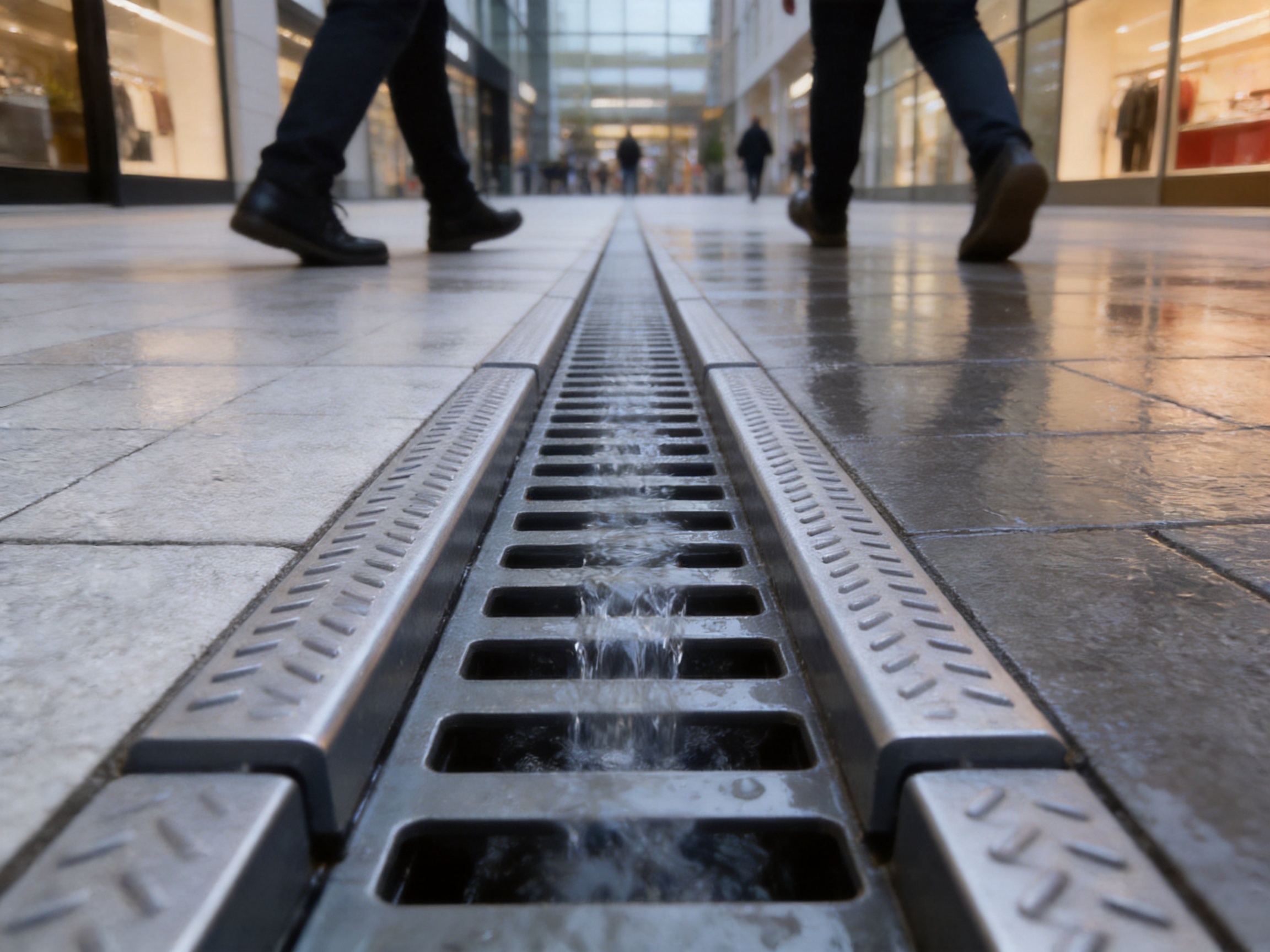
The Anti-Slip and Wear-Resistant Linear Drainage Channel offers multiple advantages for engineering projects, contractors, property owners, and municipal planners. Its value comes not from a single feature but from a combination of safety, durability, hydraulic performance, installation convenience, and maintainability.
The surface cover or grating is designed to provide reliable traction in wet conditions. Depending on project requirements, the grating may include raised patterns, narrow slots, stamped textures, ribbed surfaces, or other anti-slip features. This design helps reduce slipping risk for pedestrians and supports safer vehicle movement over the channel. It is especially useful for sidewalks, commercial entrances, pedestrian zones, garage ramps, loading areas, and public facilities.
The channel and cover materials are selected for resistance to abrasion and long-term mechanical wear. Reinforced polymer concrete, stainless steel, ductile iron, resin concrete, and resin composite options can be applied based on the use environment. These materials help preserve structural integrity even after prolonged exposure to traffic, weather, and maintenance operations.
Drainage channels in public and industrial spaces must often support different load levels. A sidewalk installation may prioritize pedestrian safety, while a parking lot or industrial area may need to withstand cars, trucks, forklifts, or maintenance vehicles. The modular drainage system can be matched with suitable cover plates or gratings to meet project load requirements.
Continuous collection openings and engineered channel gradients allow water to be captured and transported quickly. This reduces ponding, supports surface safety, and lowers the risk of flooding in low areas. Efficient drainage also helps protect pavement, landscaping, foundations, and underground infrastructure.
Modular sections make installation more predictable and adaptable. Contractors can assemble channel runs according to site length, angle, outlet position, and maintenance access requirements. Compared with fully cast-in-place drainage trenches, modular channels help reduce on-site labor complexity and improve construction efficiency.
Removable gratings allow maintenance teams to inspect and clean the channel. Sediment, leaves, packaging waste, and other debris can be removed without demolishing the structure. Easy maintenance is important because even a high-capacity drainage system can fail if it becomes blocked. The product’s maintainable design helps preserve performance over time.
Many drainage solutions are available in the market, including traditional concrete ditches, low-cost plastic channels, basic metal grates, point drains, and cast-in-place trenches. Each has its place, but high-traffic environments require a more balanced system. The Anti-Slip and Wear-Resistant Linear Drainage Channel has several advantages when compared with common alternatives.
| Comparison Item | Anti-Slip and Wear-Resistant Linear Drainage Channel | Common Low-Cost or Traditional Alternatives |
|---|---|---|
| Surface Safety | Designed with anti-slip grating options to improve traction in wet conditions. | May use smooth covers or simple openings that become slippery after wear. |
| Wear Resistance | Uses reinforced materials such as polymer concrete, stainless steel, ductile iron, resin concrete, or composite materials. | May rely on ordinary concrete, thin plastic, or low-grade metal with shorter service life. |
| Drainage Efficiency | Linear water collection captures runoff along the channel length for faster surface drainage. | Point drains or uneven trenches may leave water traveling across the surface for longer distances. |
| Installation Consistency | Prefabricated modular sections support accurate dimensions and controlled quality. | Cast-in-place quality depends heavily on site workmanship and curing conditions. |
| Maintenance | Removable grates allow inspection and cleaning. | Fixed covers or rough trenches may be difficult to clean and inspect. |
| Project Adaptability | Suitable for sidewalks, parking lots, commercial zones, industrial sites, and municipal roads. | Often limited by material strength, appearance, or load capacity. |
| Long-Term Value | Higher durability and lower maintenance frequency support life-cycle cost savings. | Lower initial cost may be offset by repairs, replacements, and safety risks. |
This comparison shows why the product is especially suitable for developers and contractors who consider total project value rather than only initial purchase cost. A drainage channel is an infrastructure component that should perform for many years. Replacing failed channels, repairing broken pavement, or responding to safety complaints can cost far more than choosing a durable system from the beginning.
Product performance begins in manufacturing. Jiangsu Yameng Traffic Road Facilities Co., Ltd. is located in Nantong, Jiangsu Province, China, with convenient transportation and access to waterway logistics. The company focuses on drainage ditch projects and GRC customization, combining product research, production experience, detailed design, mold development, and construction support. This integrated capability helps the company provide drainage solutions that are not only manufactured but also adapted to real project conditions.
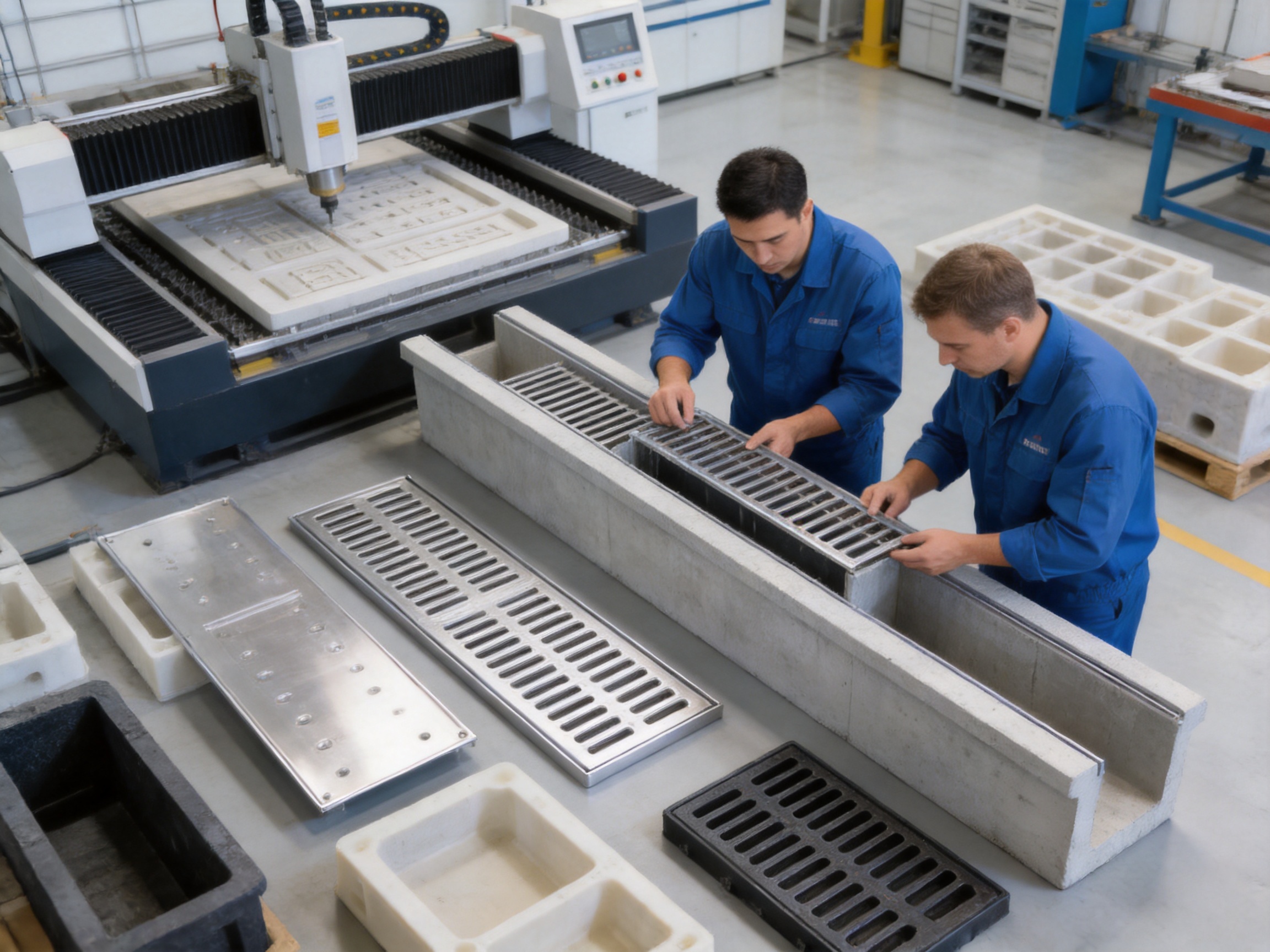
The company’s production strengths include professional design support, mold design capability, CNC engraving resources, and an experienced production and construction technical team. These strengths matter because drainage channel quality depends on accuracy. Channel dimensions, wall thickness, grating fit, joint alignment, surface finish, and outlet compatibility must all be controlled. When a manufacturer has strong mold-making and design resources, it can better ensure that each section fits correctly and performs as intended.
Advanced manufacturing also supports customization. Different projects may require different channel widths, depths, grating styles, load classes, slot patterns, outlet positions, or surface finishes. A supplier with design and mold capabilities can respond to these needs more efficiently than a distributor offering only standard items. This is especially useful for municipal projects, commercial developments, landscape designs, industrial facilities, and GRC-related architectural applications where product dimensions and appearance may need to match specific drawings.
Material selection is one of the most important stages in drainage channel manufacturing. A channel used in a pedestrian plaza may prioritize appearance, slip resistance, and corrosion resistance. A channel used in a loading yard may require higher load capacity and impact resistance. A channel used near chemical exposure may need materials with strong chemical resistance. By selecting appropriate materials and matching them with the correct grating design, the drainage system can achieve a better balance between safety, cost, and durability.
Reinforced polymer concrete is widely valued for drainage channels because it provides high strength, dimensional stability, and resistance to water penetration. Compared with ordinary cement concrete, polymer concrete can offer a smoother inner surface and lower porosity. This supports improved hydraulic flow and reduces deterioration caused by moisture absorption. Stainless steel is suitable where corrosion resistance, hygiene, or modern appearance is important. Ductile iron offers excellent mechanical strength for vehicle-bearing applications. Resin composite materials can provide corrosion resistance and lighter handling advantages in certain installations.
The company’s broad product range includes linear drainage ditches, finished drainage ditches, polymer-based drainage ditches, slot drainage ditches, U-shaped drainage ditches, ductile iron cover plates, stainless steel stamped cover plates, steel gratings, resin concrete cover plates, resin composite manhole covers, stainless steel manhole covers, ductile iron manhole covers, drainage pipes, PE pipes, and related products. This range indicates practical experience across many water management and road facility components. It also allows customers to source compatible products for integrated drainage systems.
Precision mold design is critical for prefabricated drainage channels. A well-designed mold ensures that each channel section has accurate shape, consistent wall thickness, and stable connection geometry. If a mold is poorly made, channels may vary in size, covers may not sit evenly, and installation may require extra adjustment. Over long channel runs, small dimensional errors can accumulate and create alignment problems. This is why professional mold design and CNC engraving are important manufacturing advantages.
CNC engraving supports accurate mold details, surface patterns, connection profiles, decorative elements, and customized GRC components. For drainage channels, precision contributes to both function and appearance. The grating must fit securely without excessive movement. The top edge must align with pavement or concrete surfaces. The inner bottom must guide water effectively. Side walls must resist loading and installation pressure. Accurate manufacturing reduces installation difficulty and helps create a cleaner finished project.
In customized projects, mold capability becomes even more valuable. Architects and engineers may specify special drainage channel dimensions, slot patterns, edge profiles, or GRC decorative elements. A manufacturer that can move from detailed design to drawings, mold making, production, on-site construction, and after-sales support provides a more complete service chain. This reduces communication errors and improves project delivery confidence.
The modular nature of the Anti-Slip and Wear-Resistant Linear Drainage Channel allows it to be installed in many different environments. Each section can be placed along a prepared trench, aligned to the required slope, connected to adjacent sections, and integrated with outlets or inspection points. The removable grating can be installed after the channel body is fixed and surrounding pavement or concrete work is completed.
For sidewalks and pedestrian areas, the channel can be installed flush with the surrounding surface to reduce trip hazards. The anti-slip cover improves safety while allowing rainwater to enter the channel. For parking lots and driveways, channel placement can be designed to intercept runoff before it reaches building entrances or low points. For industrial sites, the system can be placed near equipment zones, loading areas, warehouse entrances, or washdown areas to manage water and reduce operational disruption.
Installation flexibility also supports phased construction. Because the channel is modular, contractors can plan sections according to project stages. Maintenance access points can be arranged where cleaning is most convenient. Outlet connections can be adapted to stormwater pipes, collection pits, sediment baskets, or other drainage infrastructure. This makes the product practical for both new construction and renovation projects.
Urban roads face heavy use, environmental exposure, and strict safety expectations. Rainwater must be removed quickly to reduce splash, hydroplaning, pavement damage, and pedestrian inconvenience. Linear drainage channels can be installed along curbs, bus stops, crosswalks, bicycle paths, public squares, and road-edge transitions. The anti-slip and wear-resistant design is particularly helpful where pedestrians step across the drainage line or where vehicles pass over the cover.
Municipal projects also require products that are easy to maintain. Public drainage systems often collect leaves, sand, and urban debris. Removable gratings allow maintenance workers to access the channel and restore flow. The wear-resistant construction helps the system remain serviceable even after years of cleaning cycles and traffic exposure. In busy city environments, reducing maintenance disruption is a major advantage.
Parking lots and driveways often experience concentrated runoff because large paved areas prevent water from soaking into the ground. Without effective drainage, puddles can form near parking spaces, entrances, ramps, and pedestrian walkways. These puddles create inconvenience and may increase slip risk, especially during heavy rain or cold weather. A linear drainage channel can intercept water across the width of a driveway or along the low edge of a parking area.
The product’s anti-slip grating is useful because people frequently walk across drainage channels in parking areas. Vehicle tires also pass over the cover repeatedly. Wear-resistant materials help prevent deformation, rusting, cracking, or surface smoothing caused by frequent traffic. For commercial parking lots, a durable drainage system supports better customer experience and reduces liability concerns.
Commercial complexes, shopping streets, office parks, hotels, and entertainment venues need drainage systems that combine function with appearance. Standing water near entrances can create a negative impression and may affect customer safety. At the same time, drainage components must integrate with paving, landscape design, and architectural finishes. Linear drainage channels provide a clean and organized method for water collection.
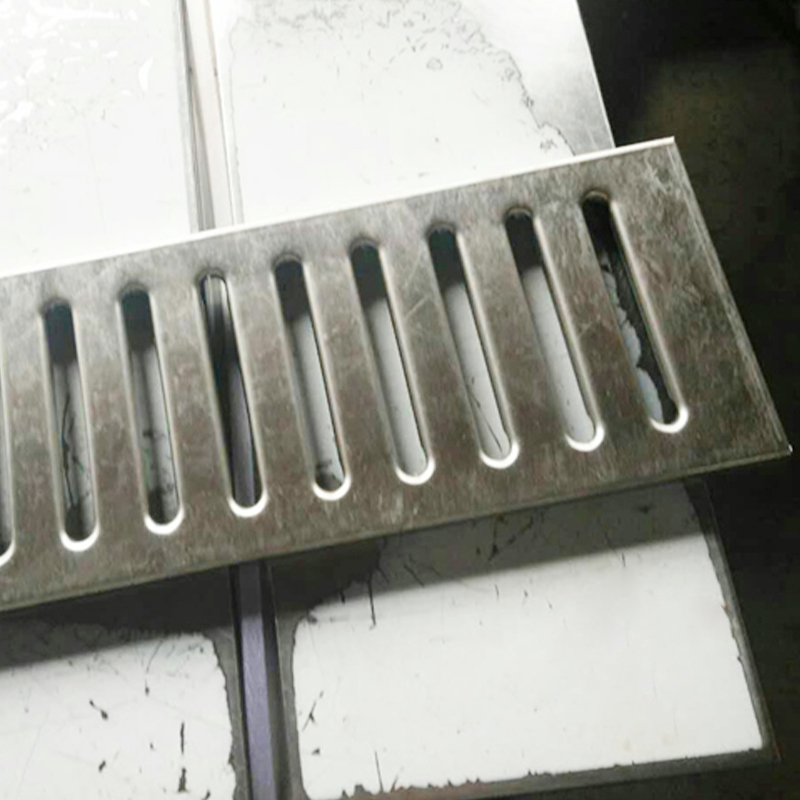
Stainless steel stamped covers, slot-style covers, or visually refined grating designs can be used for commercial environments where appearance matters. The anti-slip feature remains important because these areas usually experience high pedestrian volume. A drainage system that looks good but becomes slippery in wet weather is not acceptable for responsible project planning. The Anti-Slip and Wear-Resistant Linear Drainage Channel helps combine aesthetics, safety, and drainage efficiency.
Industrial sites place strong demands on drainage systems. Water may come from rain, washdown operations, process areas, loading docks, or vehicle movement. Surfaces may be exposed to oil, dust, metal particles, packaging debris, chemicals, or heavy equipment. A drainage channel used in these environments must be strong, easy to clean, and resistant to wear.
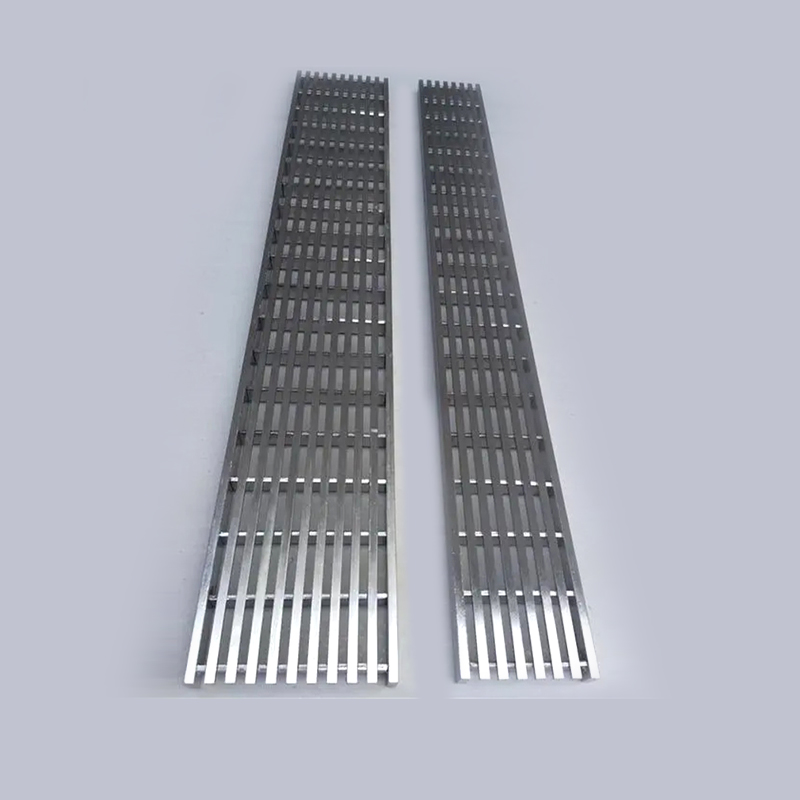
The product can be configured with robust covers and strong channel bodies for industrial use. Ductile iron gratings or heavy-duty steel gratings may be selected for higher load requirements. The removable cover design supports cleaning and inspection, which is essential for operational safety. Efficient drainage helps reduce slippery work surfaces, protects inventory areas, and supports cleaner site management.
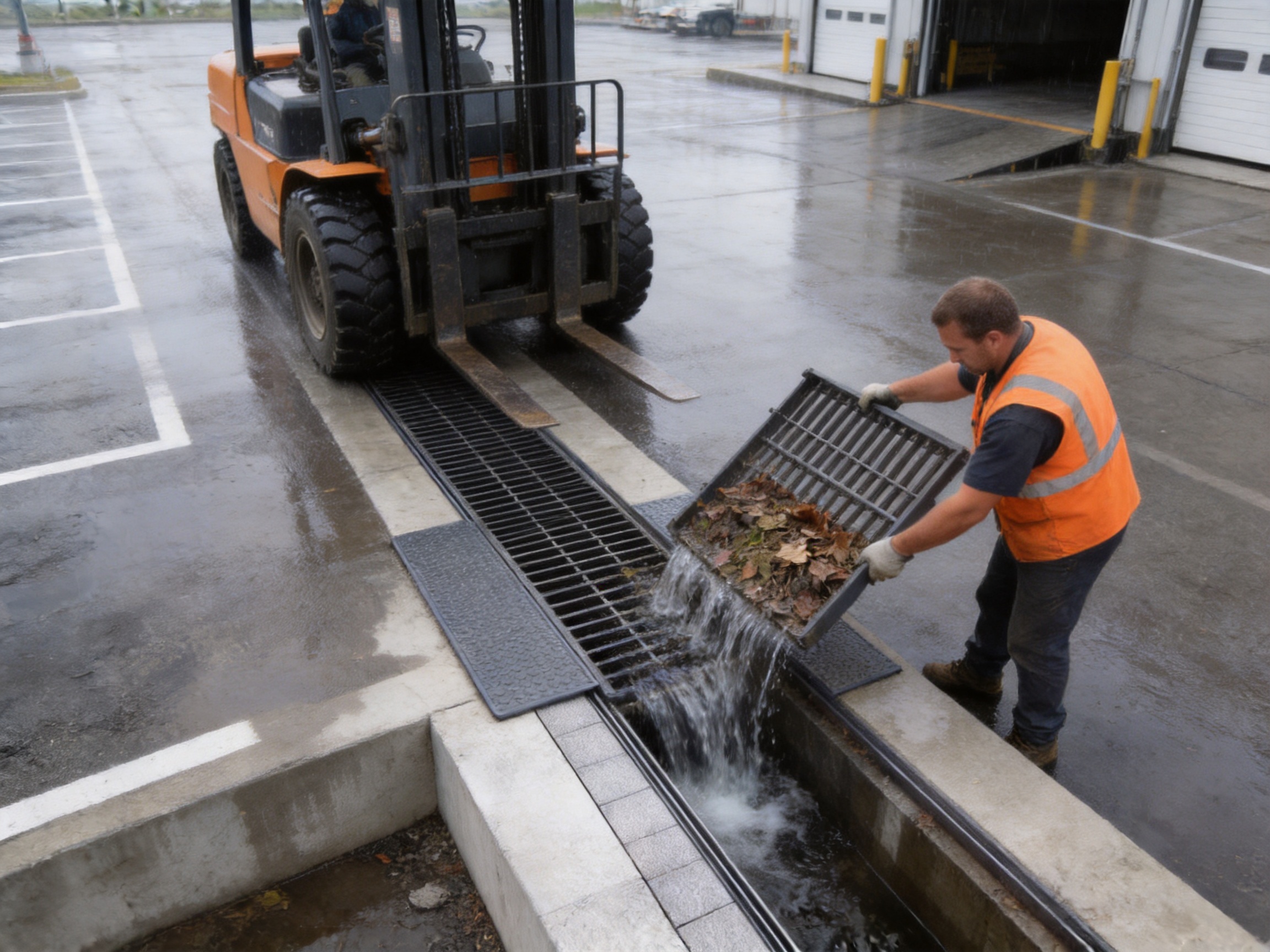
Maintenance is often overlooked during product selection, but it becomes one of the most important factors after installation. A drainage channel that is difficult to clean may eventually lose capacity, overflow, or emit unpleasant odors. A cover that is difficult to remove may delay maintenance and increase labor costs. The Anti-Slip and Wear-Resistant Linear Drainage Channel is designed with removable grates to simplify inspection and cleaning.
Maintenance teams can lift the cover, remove accumulated debris, flush the channel, and inspect outlet conditions. This practical serviceability is valuable for property managers, municipal departments, factories, and commercial owners. It also helps extend product life because problems can be identified early. For example, if sediment begins to accumulate near an outlet, it can be removed before it causes overflow. If a cover is damaged by abnormal impact, it can be replaced without reconstructing the entire channel.
When comparing drainage products, it is tempting to focus only on purchase cost. However, drainage channels are long-term infrastructure components. The true cost includes installation labor, maintenance frequency, repair needs, downtime, replacement risk, safety performance, and the impact of drainage failure on surrounding surfaces. A low-cost channel may appear economical at first but can become expensive if it cracks, blocks, corrodes, or creates safety hazards.
The Anti-Slip and Wear-Resistant Linear Drainage Channel is designed to provide strong life-cycle value. Its durable materials reduce replacement frequency. Its anti-slip cover supports safety. Its modular structure helps installation efficiency. Its removable grates reduce maintenance difficulty. Its efficient hydraulic design helps protect surrounding pavement and structures. These combined benefits make it a strong choice for projects where reliability matters.
Jiangsu Yameng Traffic Road Facilities Co., Ltd. emphasizes integrity and quality as the foundation of its work, serving customers with care throughout the project process. This philosophy is important in infrastructure supply because drainage projects often require coordination between designers, contractors, manufacturers, and site managers. A reliable supplier must understand drawings, provide appropriate product recommendations, support customization when needed, and respond to after-sales requirements.
The company’s GRC series is supported by professional designers, mold designers, CNC engravers, and an experienced production and construction technical team. This allows the company to provide complete services from detailed design and drawings to mold making, production, on-site construction, and after-sales support. For customers, this integrated capability reduces project uncertainty. Instead of working with separate parties for design interpretation, mold production, product manufacturing, and technical guidance, customers can benefit from a more coordinated service process.
No two drainage projects are exactly the same. A municipal road may require high load capacity and easy cleaning. A commercial plaza may require narrow slot drainage with a clean appearance. A factory may need chemical resistance and heavy-duty grating. A residential driveway may need compact dimensions and reliable surface safety. Customization helps ensure that the drainage channel is properly matched to the site.
Possible customization areas include channel width, channel depth, length of modular sections, grating material, grating pattern, anti-slip texture, outlet design, edge reinforcement, load-bearing requirements, surface finish, and installation accessories. With design, mold, and production capabilities, the manufacturer can better respond to these requirements. This is a major advantage over competitors that offer only limited standard sizes or cannot support special drawings.
A drainage channel rarely works alone. It may connect with drainage pipes, PE pipes, catch basins, manhole covers, inspection wells, outlet structures, and surface paving systems. Because the company supplies a wide range of drainage-related and road facility products, customers can source compatible components more efficiently. This helps reduce mismatch risk and simplifies procurement.
For example, a project may require linear drainage channels along a parking area, ductile iron cover plates for heavier traffic zones, stainless steel stamped covers near a building entrance, resin composite manhole covers for inspection points, and PE pipes for water conveyance. Coordinated product selection improves system performance and can make installation smoother. A supplier with broad product knowledge can help match components based on load, corrosion environment, appearance, and maintenance needs.
To achieve the best results, a linear drainage system should be planned carefully. Engineers and contractors should consider rainfall intensity, catchment area, surface slope, expected traffic load, outlet capacity, sediment conditions, and maintenance access. The channel size must be sufficient for expected flow, and the outlet must be able to discharge water without causing backflow. Grating selection should match both load requirements and user safety needs.
Surface levels are also important. The channel should be installed flush with or slightly below the surrounding pavement to allow water entry while avoiding trip hazards. The surrounding concrete or paving should provide stable support to the channel edges. If the channel is installed in vehicle areas, proper bedding and lateral support are essential to prevent movement under repeated loads. Maintenance planning should include access points and cleaning schedules.
A manufacturer with project experience can help customers evaluate these factors and choose appropriate product configurations. This technical support is another competitive advantage, especially for projects where drainage failure would cause operational problems or safety concerns.
Efficient drainage supports environmental and operational goals. By rapidly collecting and directing runoff, the system can reduce uncontrolled water spread and erosion. When connected to sediment management structures, it can help capture debris before water enters downstream drainage networks. Durable materials also reduce waste associated with frequent replacement. A long-lasting drainage channel contributes to more sustainable infrastructure by extending service life and reducing repair cycles.
Operationally, dry and stable surfaces support safer movement, cleaner facilities, and better user experience. In commercial environments, good drainage helps protect entrances, landscaped areas, and paving finishes. In industrial sites, it supports safer work conditions and reduces downtime caused by wet or flooded areas. In municipal applications, it helps maintain public accessibility during and after rainfall.
The anti-slip performance comes from the grating or cover design. Textured surfaces, raised patterns, slots, ribs, or stamped structures can increase friction under wet conditions. This helps pedestrians and vehicles pass over the drainage channel more safely, especially in rainy or high-traffic areas.
Drainage channels are exposed to repeated contact from pedestrians, vehicle tires, carts, cleaning tools, sand, and debris. Wear-resistant materials help the channel and cover maintain strength, surface texture, and reliable performance over time. This reduces repair frequency and supports long-term safety.
It is suitable for sidewalks, pedestrian zones, parking lots, driveways, commercial complexes, industrial sites, municipal roads, public squares, garage ramps, loading docks, and other areas requiring efficient drainage and safe surface access.
A point drain collects water at a single inlet, so runoff must travel across the surface before entering the drain. A linear drainage channel collects water along a continuous line, reducing flow distance and improving surface water removal. This is especially useful for large paved areas or locations where puddles must be minimized.
Yes, the product is designed with removable grates or covers. This allows maintenance teams to inspect the channel, remove debris, flush sediment, and check outlet conditions without damaging the surrounding surface.
The channel can be configured with suitable materials and cover plates for different load requirements. For vehicle areas, ductile iron, steel grating, reinforced polymer concrete, or other heavy-duty configurations may be selected according to the project’s traffic conditions.
Compared with traditional cast-in-place concrete ditches, this prefabricated modular channel offers more consistent dimensions, smoother internal surfaces, easier installation, better cover compatibility, improved maintenance access, and specialized anti-slip and wear-resistant options.
Yes. Customization may include size, depth, width, grating type, slot pattern, load capacity, outlet position, material selection, and surface finish. The manufacturer’s design, mold development, and CNC engraving capabilities support project-specific requirements.
Regular maintenance usually includes lifting the grating, removing leaves, sediment, and debris, flushing the channel if necessary, and inspecting outlets. Maintenance frequency depends on site conditions, such as tree cover, dust, traffic, and rainfall intensity.
Drainage systems must fit accurately and perform reliably. A manufacturer with design and mold capabilities can better control dimensions, support customization, improve product consistency, and provide technical guidance from drawings to production and installation.
The Anti-Slip and Wear-Resistant Linear Drainage Channel is designed for projects that require dependable water management, surface safety, structural strength, and long-term value. Its anti-slip grating improves safety in wet conditions, while its wear-resistant materials help withstand frequent traffic and harsh environmental exposure. The linear drainage design captures water efficiently across extended surfaces, reducing puddles and supporting cleaner, safer spaces.
Compared with many traditional or low-cost alternatives, this product offers stronger life-cycle performance. It is easier to install than many cast-in-place systems, more maintainable than fixed-cover drains, safer than smooth-surface covers, and more durable than weak plastic or low-grade metal options. Its modular format makes it suitable for a wide range of applications, from sidewalks and commercial entrances to industrial yards and municipal roads.
Behind the product is a manufacturer with broad drainage product experience, professional design resources, mold development capability, CNC engraving support, and an experienced production and construction technical team. These strengths allow the product to meet practical engineering needs while supporting customization and reliable project delivery. For contractors, property owners, municipal planners, and industrial facility managers, the Anti-Slip and Wear-Resistant Linear Drainage Channel offers a balanced solution that combines safety, durability, efficiency, and maintainability.
1. Butler, D., and Davies, J. W. Urban Drainage. CRC Press.
2. Mays, L. W. Stormwater Collection Systems Design Handbook. McGraw-Hill.
3. American Concrete Institute. Guide for the Design and Construction of Concrete Site Paving for Industrial and Trucking Facilities.
4. European Committee for Standardization. EN 1433: Drainage Channels for Vehicular and Pedestrian Areas.
5. Federal Highway Administration. Urban Drainage Design Manual.
6. Construction Industry Research and Information Association. Sustainable Drainage Systems: Hydraulic, Structural and Water Quality Advice.
Related Products
The Artistic Facade Decorative GRC Curtain Wall Panels are designed for modern architecture seeking ...
READ MOREThe Artistic Facade Decorative GRC Curtain Wall Panels are designed for modern architecture seeking ...
READ MOREThe Artistic Facade Decorative GRC Curtain Wall Panels are designed for modern architecture seeking ...
READ MOREThe Artistic Facade Decorative GRC Curtain Wall Panels are designed for modern architecture seeking ...
READ MOREThe Artistic Facade Decorative GRC Curtain Wall Panels are designed for modern architecture seeking ...
READ MOREThe Artistic Facade Decorative GRC Curtain Wall Panels are designed for modern architecture seeking ...
READ MORE
Contact us
Factory Address
Group 12, Quanxin Village, Donghai Town, Qidong City, Nantong City, Jiangsu Province, China
phone
+86-13914963840
+86-13451754670
products
QR CODE
 Wholesale Drainage Ditch Manufacturers