 English
 Español
 عربى
عربى

Engineered to address the long-term challenges of chemical erosion and structural aging in architect...
READ MOREJun 24, 2026
Content
In modern drainage infrastructure, the cover plate is more than a visible surface component. It is a safety barrier, a load-bearing element, a hydraulic interface, a hygiene-supporting surface, and a long-term protection layer for the drainage channel below. For projects exposed to corrosive liquids, high humidity, sea air, chemical washing, food processing residues, heavy foot traffic, vehicle loads, or extreme weather, ordinary cover plates can quickly become weak points. A corrosion-resistant stainless steel cover plate is designed to solve this problem by combining premium stainless steel materials, precision manufacturing, structural reinforcement, passivated surfaces, and practical installation compatibility.
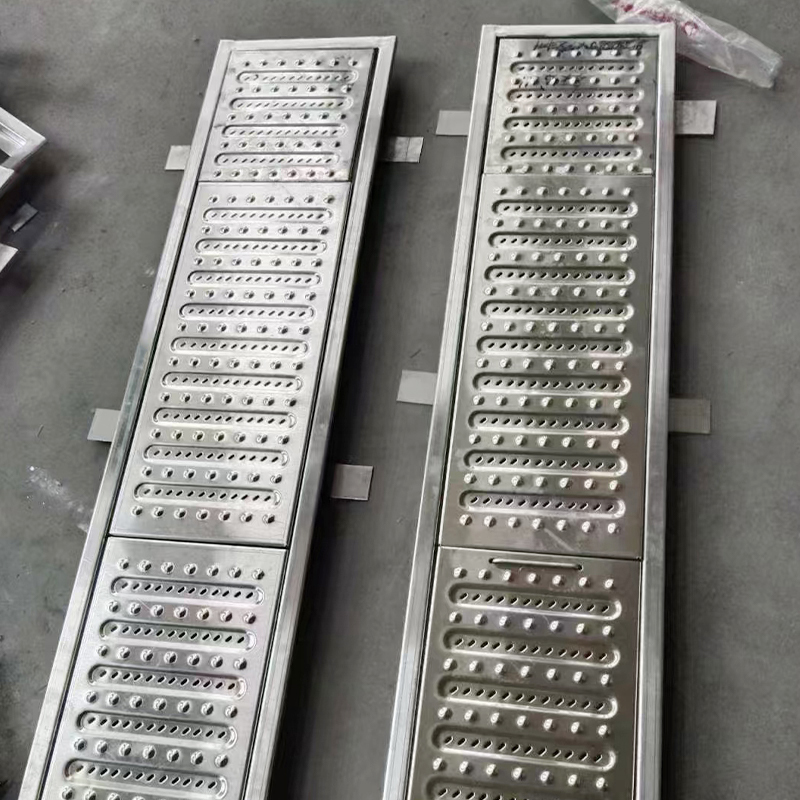
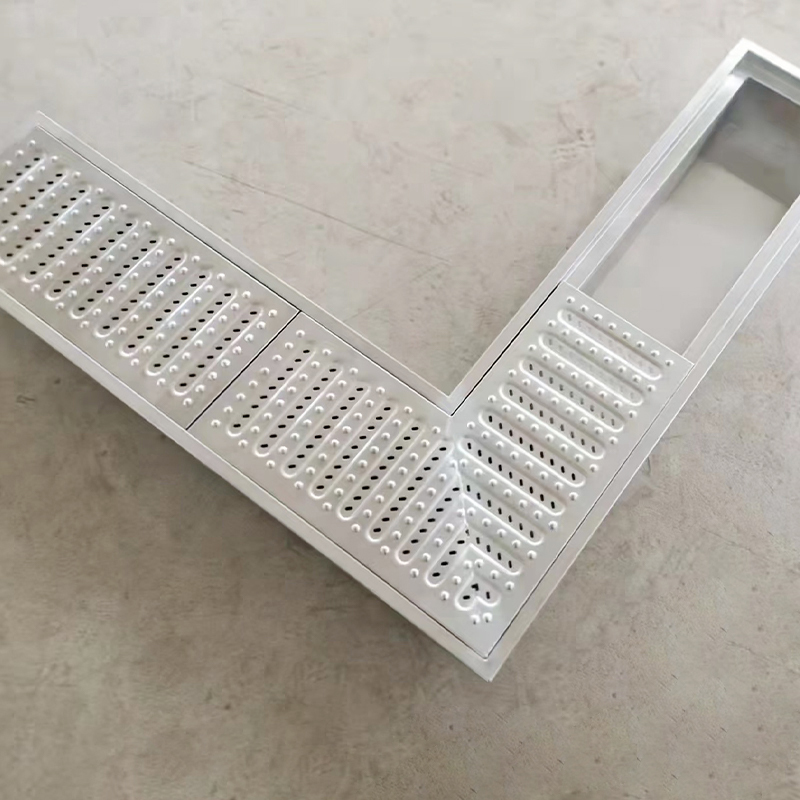
The corrosion-resistant stainless steel cover plate discussed in this article is specifically developed for drainage channel systems used in demanding environments. It is manufactured from high-quality AISI 316L or AISI 304 stainless steel and enhanced through advanced surface treatment processes. Its purpose is to provide long service life, strong corrosion resistance, reliable load performance, hygienic cleaning convenience, and stable appearance even in aggressive surroundings. It is especially suitable for coastal zones, industrial plants, food processing facilities, commercial kitchens, public plazas, transportation facilities, chemical workshops, logistics areas, laboratories, pharmaceutical plants, and urban drainage projects requiring durable and clean drainage protection.
Jiangsu Yameng Traffic Road Facilities Co., Ltd. focuses on drainage ditch projects and GRC customization, supplying drainage channels, cover plates, manhole covers, drainage pipes, stainless steel components, ductile iron products, resin concrete solutions, and related infrastructure products. With production experience, technical design capability, mold development capacity, CNC engraving resources, and a dedicated construction support team, the company provides a complete service chain from design and drawing confirmation to mold making, production, installation guidance, and after-sales support. This integrated capability is particularly important for stainless steel drainage cover plates because corrosion resistance, dimensional accuracy, structural strength, and compatibility with drainage channels all depend on disciplined manufacturing control.
Corrosion-Resistant Stainless steel cover plate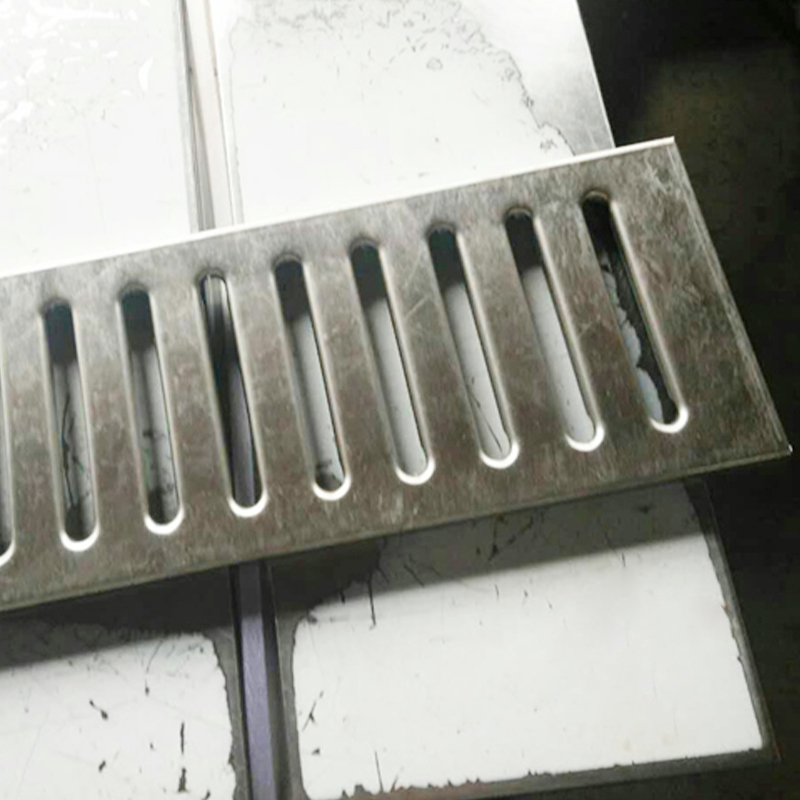
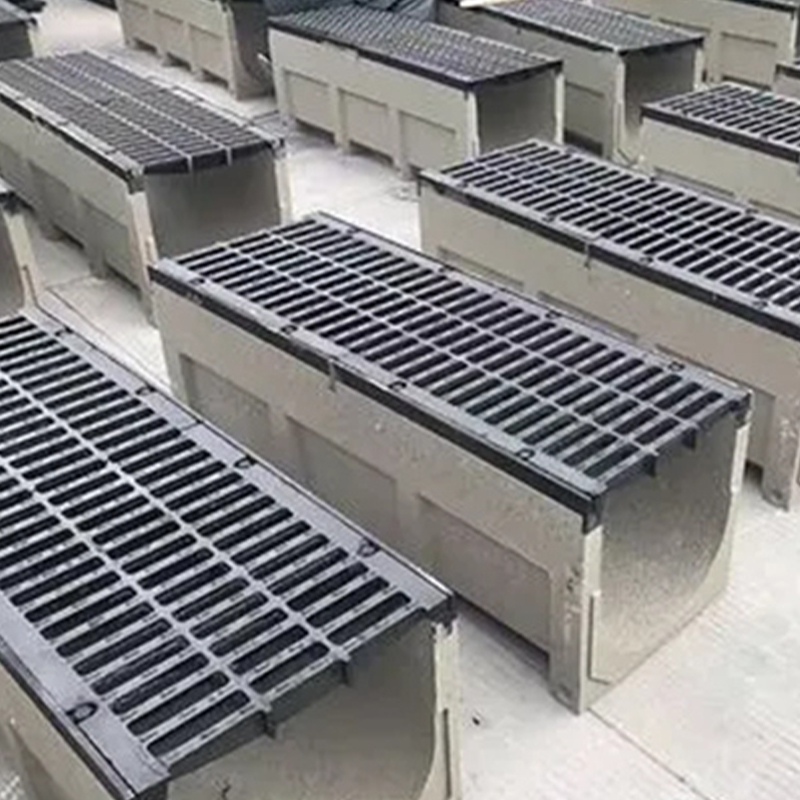
Drainage channels are often installed in locations where water, debris, and chemical substances accumulate. The cover plate protects the channel opening while allowing water to enter efficiently. If the cover plate fails, the entire drainage system becomes less safe and less reliable. Common failures include rusting, deformation, clogging, surface contamination, sharp edge exposure, odor accumulation, excessive noise, and reduced hydraulic performance. In public or industrial areas, these problems can lead to safety hazards, sanitation issues, maintenance costs, and operational downtime.
A stainless steel cover plate is a practical answer to these risks. Stainless steel offers superior corrosion resistance compared with ordinary carbon steel, especially when used with appropriate alloy composition and surface treatment. In humid or wash-down environments, stainless steel maintains structural integrity and surface cleanliness for a longer period. When correctly designed with rib reinforcement, accurate slots or perforations, and smooth edges, it also provides stable load bearing and safe pedestrian or vehicle passage.
The corrosion-resistant stainless steel cover plate is particularly valuable where drainage is not only a civil engineering requirement but also a hygiene, durability, and compliance requirement. In food factories, surfaces must be easy to wash and resistant to bacterial growth. In coastal areas, chloride ions from sea air attack common metals aggressively. In chemical workshops, acids and alkalis can shorten the life of conventional covers. In public infrastructure, the product must maintain both appearance and performance under heavy use. A premium stainless steel cover plate provides a balanced solution across all these scenarios.
This product is a stainless steel cover plate designed for highly corrosive and high-humidity environments. It uses high-nickel AISI 316L or AISI 304 stainless steel, depending on project conditions and performance requirements. AISI 316L is preferred in environments with stronger chloride exposure, chemical corrosion, marine air, or frequent cleaning agents. AISI 304 is suitable for many standard indoor, commercial, and general industrial drainage applications where corrosion exposure is moderate. Both materials offer excellent durability when manufactured and treated properly.
The product incorporates full passivation technology, which helps create a dense protective oxide layer on the stainless steel surface. This layer improves resistance against oxidation and staining, especially in salt-spray-heavy regions and high-humidity environments. It is not merely a visual finishing step; it is a functional corrosion-control process that supports long-term product performance.
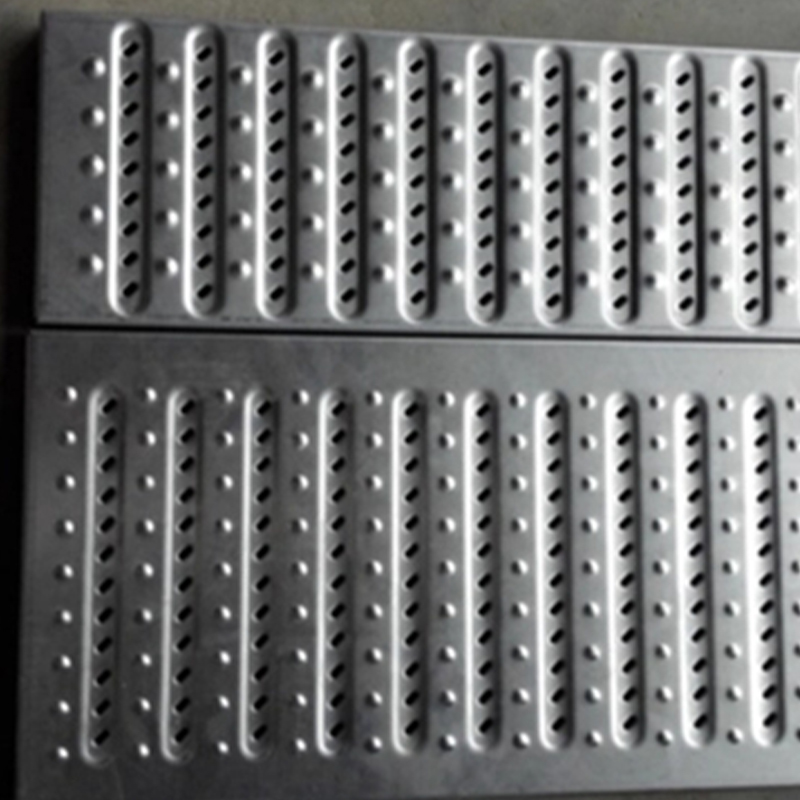
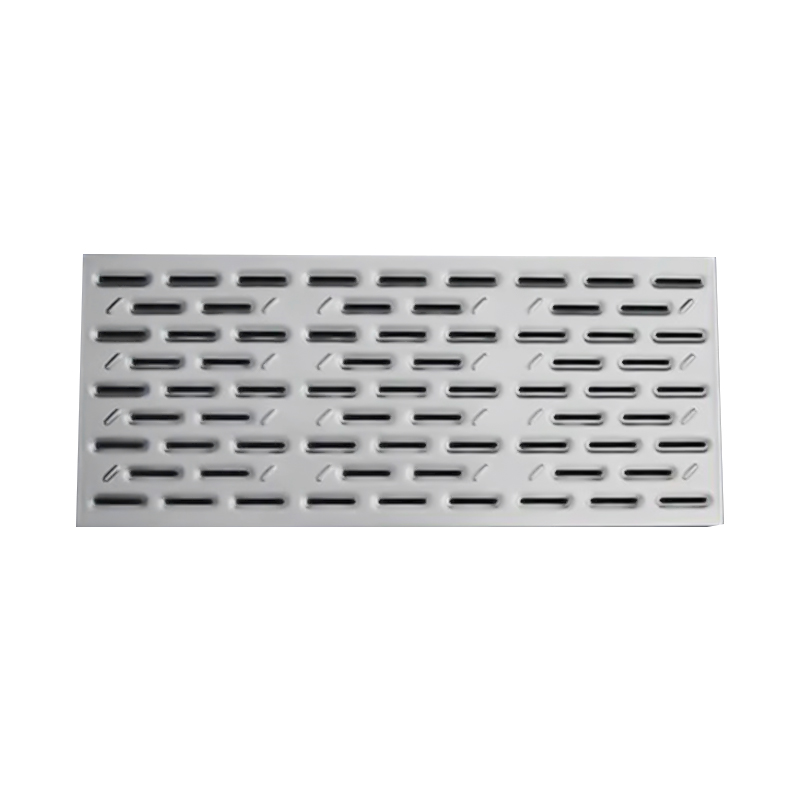
In addition, the cover plate adopts a reinforced structural design. Precision laser cutting ensures accurate dimensions, clean openings, controlled drainage gaps, and smooth component geometry. Integrated ribbing increases rigidity, improves resistance to creep and fatigue, and helps maintain load-bearing performance under repeated stress. The combination of accurate cutting and reinforcement makes the cover plate suitable for demanding applications where both hydraulic efficiency and mechanical strength are required.
The surface also supports hygienic cleaning. A hydrophobic finish reduces dirt adhesion and helps limit bacterial accumulation. This is particularly beneficial in environments that require frequent wash-downs, such as kitchens, food processing workshops, beverage production areas, pharmaceutical clean zones, laboratories, and medical support facilities. The result is a cover plate that is easier to keep clean, safer to use, and more efficient to maintain.
The most important advantage of this stainless steel cover plate is its resistance to corrosive environments. Ordinary steel covers require coatings, galvanizing, painting, or periodic maintenance to resist rust. Once the coating is scratched or worn, corrosion can spread quickly. In contrast, stainless steel resists corrosion through its alloy composition. Chromium forms a protective oxide layer, while nickel improves stability and corrosion resistance. In AISI 316L, molybdenum further improves resistance to chloride-induced pitting and crevice corrosion.
This makes the product a strong competitor against galvanized steel covers, painted steel gratings, and low-grade stainless alternatives. In coastal projects, underground garages, municipal drainage areas, chemical plants, and wet industrial facilities, the longer service life can reduce replacement frequency and maintenance labor. Although stainless steel may have a higher initial cost than ordinary steel, its life-cycle value is often better when maintenance, downtime, safety, and appearance are considered.
A cover plate must resist not only static weight but also repeated loading. In real use, pedestrian traffic, carts, forklifts, vehicles, cleaning machines, and thermal expansion all create stress cycles. A weak cover may bend, loosen, vibrate, or crack at welded or cut sections. The reinforced structural design of this product helps address these risks. Integrated ribbing increases stiffness without unnecessary material waste, while precision manufacturing ensures stable fit and alignment.
Compared with simple flat plates or low-cost stamped covers, the reinforced plate offers better resistance to deformation. This is important in drainage channels because deformation can reduce water flow, create trip hazards, produce noise, and accelerate wear at the supporting edges. A stable plate also protects the drainage channel body below, reducing the risk of edge damage or uneven stress transfer.
Drainage cover plates must allow water to enter efficiently while preventing large debris or unsafe openings. Precision slotting and cutting help optimize the balance between open area, strength, and safety. Laser-cut openings can be formed with consistent dimensions, improving water intake performance and reducing irregular flow resistance. When used with compatible drainage channels, the plate supports rapid water discharge and helps avoid surface water accumulation.
In areas such as plazas, parking zones, industrial floors, kitchens, and transport stations, hydraulic efficiency directly affects safety and cleanliness. Standing water can cause slipping, odor, bacterial growth, and equipment damage. A carefully designed stainless steel cover plate helps maintain smooth drainage even during heavy wash-downs or sudden rainfall events.
Some drainage environments require high sanitary standards. In food processing and catering facilities, drainage covers are exposed to oils, proteins, starches, detergents, disinfectants, and warm water. Rough or corroded surfaces can trap contaminants and become difficult to clean. Stainless steel provides a smooth, non-porous, and washable surface, while hydrophobic finishing reduces adhesion of dirt and biological residues.
Compared with ductile iron or untreated steel covers, stainless steel is easier to visually inspect and sanitize. It can support compliance with internal hygiene systems and cleaning procedures. The absence of rust also helps prevent contamination risks and improves the overall appearance of the facility.
Drainage covers are often installed in visible areas such as commercial buildings, hotels, residential communities, transport hubs, public squares, and landscape projects. Rusted or discolored covers reduce the perceived quality of the entire project. Stainless steel maintains a clean metallic appearance for a long time, especially after passivation and proper finishing. It matches modern architecture and supports high-end project presentation.
For developers, contractors, and facility managers, appearance is not merely decorative. It indicates quality, reduces complaint risks, and reflects responsible infrastructure planning. A corrosion-resistant stainless steel cover plate offers both technical performance and architectural compatibility.
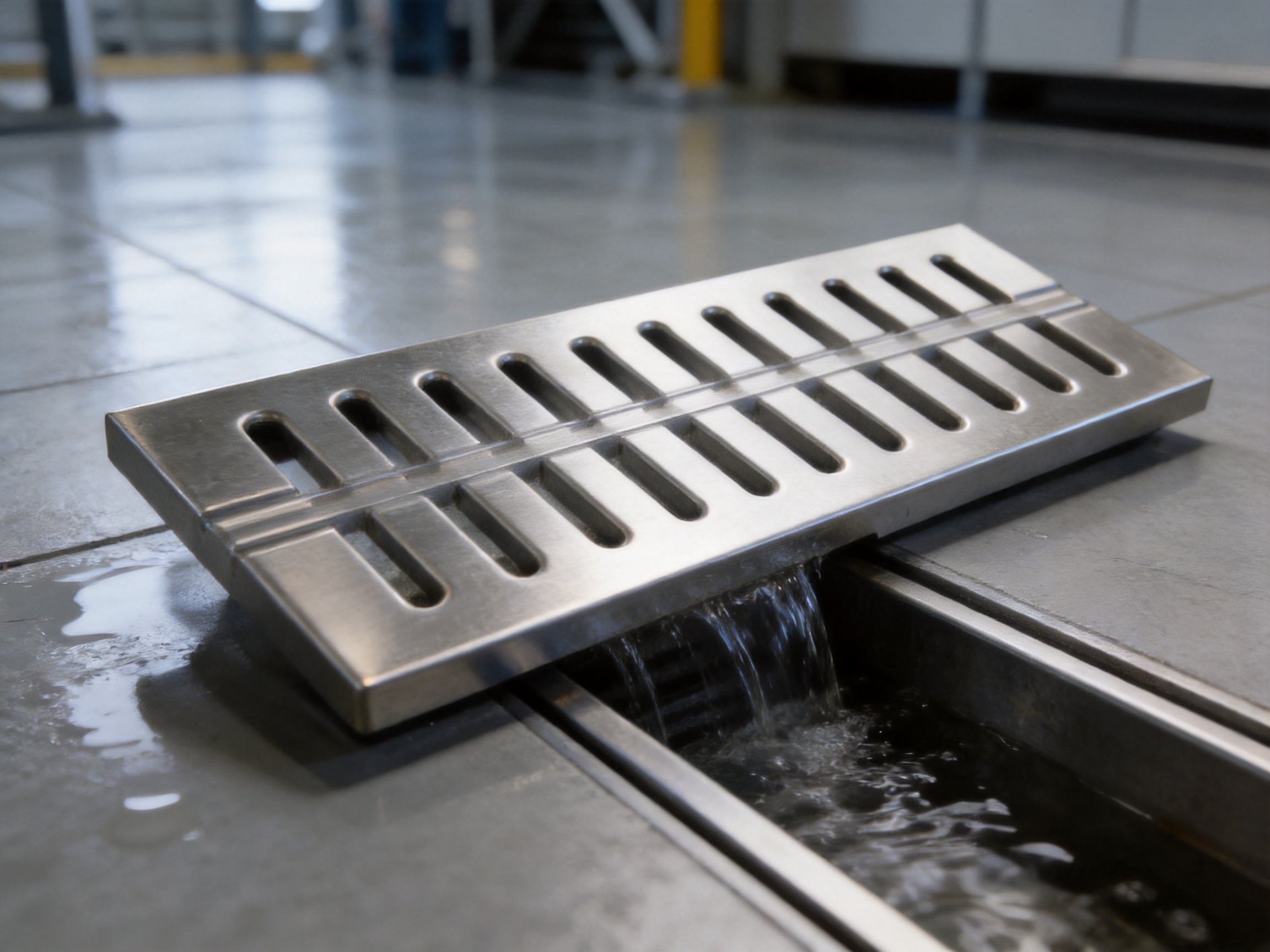
Material selection is one of the most important decisions in drainage cover design. The choice between AISI 316L and AISI 304 should be based on environmental exposure, cleaning chemicals, expected service life, budget, and safety requirements.
AISI 304 stainless steel is widely used because it provides good corrosion resistance, strength, formability, and cost efficiency. It is suitable for indoor drainage, general commercial projects, residential buildings, light industrial workshops, and many urban drainage systems. When the environment is not highly saline or chemically aggressive, AISI 304 can deliver reliable performance.
AISI 316L stainless steel contains molybdenum and has low carbon content. The molybdenum improves resistance to chloride corrosion, while low carbon reduces the risk of sensitization during welding. This makes AISI 316L more suitable for coastal regions, marine air exposure, chemical plants, high-humidity industrial areas, pharmaceutical facilities, and applications where cleaning agents contain chlorides or aggressive compounds. For premium drainage projects, AISI 316L is often the preferred choice when long-term corrosion protection is a priority.
| Feature | AISI 304 Stainless Steel | AISI 316L Stainless Steel | Project Recommendation |
|---|---|---|---|
| General corrosion resistance | High | Very high | Both are suitable for many drainage applications |
| Chloride resistance | Moderate to good | Excellent | Choose 316L for coastal or chloride-rich environments |
| Chemical resistance | Good in moderate exposure | Stronger against many aggressive media | Choose based on chemical type and concentration |
| Hygienic applications | Suitable | Highly suitable | Both can support sanitary drainage design |
| Cost efficiency | More economical | Higher initial cost | 304 is suitable for standard projects; 316L for demanding projects |
| Long-term marine performance | Limited in severe exposure | Preferred | 316L is recommended for salt-spray-heavy areas |
High-quality stainless steel cover plates begin with stable material sourcing and careful preparation. Sheets or plates must meet specified thickness, alloy grade, surface condition, and mechanical requirements. Material inspection helps confirm that the stainless steel composition is appropriate for the application. Surface defects, uneven thickness, or low-grade substitutes can compromise performance, especially in corrosive environments.
Jiangsu Yameng Traffic Road Facilities Co., Ltd. emphasizes product research, quality-oriented production, and project-based customization. The company’s drainage product experience supports accurate material selection according to working conditions. For example, a municipal sidewalk drainage project may require a different thickness and opening pattern than a chemical workshop drainage trench. A coastal hotel project may require AISI 316L and enhanced finishing, while a general commercial kitchen may focus on cleaning efficiency and anti-slip design.
Precision laser cutting is one of the key manufacturing advantages of this product. Laser cutting creates accurate slots, holes, edges, and geometric profiles with minimal deformation. This helps the cover plate fit drainage channels correctly and ensures consistent opening dimensions. Consistency is essential for both hydraulic performance and safety because irregular openings may reduce drainage capacity or create uncomfortable walking surfaces.
Compared with older cutting methods, laser cutting improves edge quality and reduces secondary correction work. It also allows more flexible customization for project-specific dimensions. Whether the project requires narrow linear slots, decorative patterns, reinforced sections, or special shapes, laser processing can support clean and repeatable production.
Reinforcement is crucial when the cover plate must handle heavy loads or repeated traffic. Integrated ribbing improves load distribution and reduces bending. The design must be balanced: too little reinforcement leads to deformation, while excessive reinforcement increases weight and cost. A well-engineered rib structure delivers strength where it is needed while maintaining efficient water intake.
Rib design also affects installation stability. A rigid cover plate sits more securely on the drainage channel support surface, reducing vibration, rattling, and uneven wear. In commercial or public spaces, this improves user comfort and reduces maintenance calls. In industrial spaces, it protects equipment and improves operational reliability.
Depending on the cover plate design, manufacturing may involve bending, forming, welding, polishing, and deburring. Each step must be controlled to preserve stainless steel performance. Poor welding can create heat-affected zones that are more vulnerable to corrosion. Sharp burrs can injure installers and users. Uneven forming can cause poor fit. Therefore, experienced production control is necessary.
Edge finishing improves both safety and corrosion resistance. Smooth edges reduce the risk of cuts during handling and prevent stress concentration. For drainage applications, where covers are removed for cleaning and inspection, safe handling is important. Good finishing also improves the visual quality of the final product.
Passivation is a chemical surface treatment that enhances the natural protective film of stainless steel. During manufacturing, cutting and forming can leave iron contamination or surface residues. If not removed, these contaminants can cause rust spots even on stainless steel. Full passivation removes free iron and promotes formation of a dense chromium-rich oxide layer.
This process is especially valuable in coastal, wet, and chemically aggressive environments. It helps keep the cover plate cleaner, more corrosion resistant, and more stable over time. Passivation is one of the reasons this product offers advantages over low-cost stainless steel covers that may look similar when new but lack long-term surface protection.
The hydrophobic finish reduces water and dirt adhesion. In practical terms, this means the plate is easier to wash down, dries faster, and is less likely to accumulate stubborn residues. For facilities that clean drainage areas daily, easier cleaning can reduce labor time and improve sanitation consistency.
A hygienic finish also supports anti-bacterial goals. While stainless steel itself is not a substitute for cleaning procedures, a smooth and corrosion-free surface makes cleaning more effective. This is particularly important in food, pharmaceutical, and medical support environments where drainage components are part of the hygiene control system.
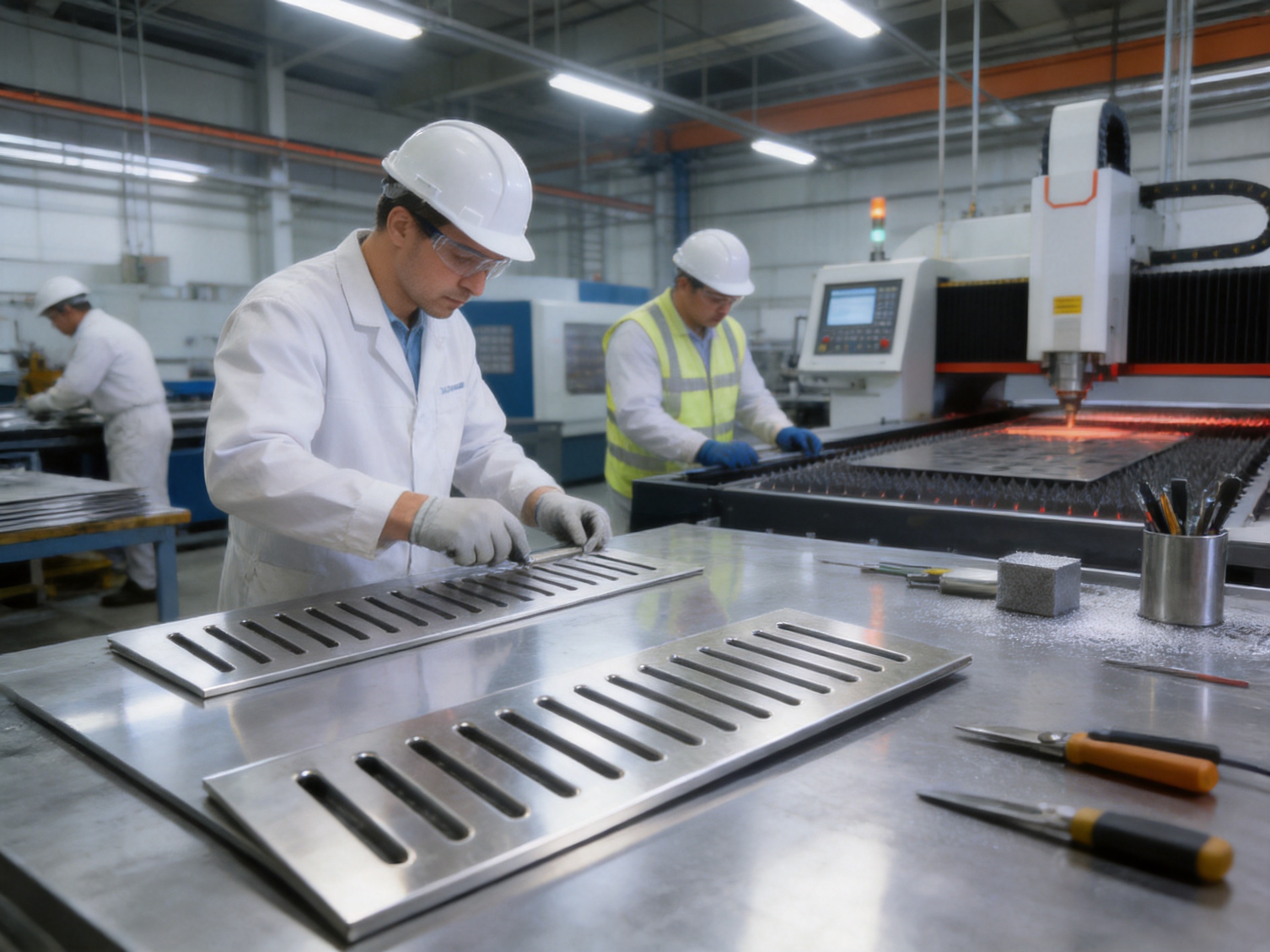
Product performance does not depend on material alone. It depends on the manufacturer’s ability to design, process, inspect, customize, and support the product. Jiangsu Yameng Traffic Road Facilities Co., Ltd. is located in Nantong, Jiangsu Province, China, with convenient transportation and waterway access. This location supports efficient logistics for domestic and international projects.
The company focuses on drainage ditch projects and GRC customization. Its product range includes linear drainage ditches, finished drainage ditches, polymer-based drainage ditches, slot drainage ditches, U-shaped drainage ditches, ductile iron cover plates, stainless steel stamped cover plates, steel gratings, resin concrete cover plates, resin composite manhole covers, stainless steel manhole covers, ductile iron manhole covers, drainage pipes, PE pipes, and related products. This broad product portfolio allows the company to understand how cover plates interact with complete drainage systems rather than treating them as isolated metal parts.
For GRC series projects, the company is supported by professional designers, mold designers, CNC engravers, and an experienced production and construction technical team. This capability is valuable because many drainage and architectural projects require customized dimensions, special finishes, coordinated installation details, and project-specific technical communication. The company can provide services from detailed design and drawings to mold making, production, on-site construction support, and after-sales service.
The company’s values of integrity, responsibility, focus, and innovation are reflected in its approach to infrastructure products. For stainless steel cover plates, this means attention to material grade, surface treatment, load performance, fit accuracy, and customer requirements. The ability to combine product research and development with practical manufacturing experience helps the company supply cover plate solutions suitable for both standard and demanding environments.
Coastal regions are among the most challenging environments for metal drainage components. Salt spray and chloride ions accelerate corrosion, especially in crevices and under deposits. Ordinary steel covers can rust quickly, and even lower-grade stainless steel may show pitting if not properly selected or treated. AISI 316L stainless steel with full passivation is a strong solution for coastal drainage channels, seaside commercial buildings, ports, resorts, waterfront parks, and marine service facilities.
In these applications, long-term appearance is also important. Rust stains can spread onto pavement, stone, concrete, or tile surfaces, creating costly cleaning problems. A corrosion-resistant stainless steel cover plate helps prevent such staining and supports a clean public environment.
Food production and catering areas require drainage systems that are easy to clean and resistant to oils, organic waste, hot water, detergents, and disinfectants. Stainless steel is widely accepted in these settings because it is hygienic, durable, and visually inspectable. The hydrophobic surface and smooth finish of the cover plate reduce residue buildup and simplify daily cleaning.
In commercial kitchens, drainage covers are often walked on by staff and crossed by carts. They must provide strength, safety, and stable seating. A reinforced stainless steel plate reduces deformation and noise, while precision openings support fast water removal during wash-down operations.
Industrial drainage systems may be exposed to acids, alkalis, solvents, process liquids, cleaning agents, and abrasive debris. Material selection must be based on the specific chemical environment. In many cases, AISI 316L stainless steel offers stronger resistance than ordinary steel and many coated materials. The passivated surface further supports durability.
For chemical workshops, maintenance access is also important. Cover plates must be removable, safe to handle, and resistant to repeated cleaning. Smooth edges, accurate dimensions, and reinforced construction improve long-term usability.
Urban drainage covers must handle weather changes, pedestrian use, occasional vehicle loads, debris, and public visibility. They must also remain safe and attractive. Stainless steel cover plates are suitable for public plazas, pedestrian streets, shopping areas, transport stations, building entrances, landscape drainage lines, and municipal facilities.
The clean appearance of stainless steel complements modern architecture. Its resistance to rust reduces public maintenance needs and helps the project maintain its intended design quality over time.
Pharmaceutical and laboratory areas require controlled surfaces that can be cleaned reliably. Corrosion, flaking coatings, and porous surfaces are undesirable. Stainless steel cover plates provide a smooth and stable surface suitable for controlled cleaning procedures. The product’s hydrophobic finish and passivation support the strict cleanliness expectations of these environments.
In such facilities, drainage system design should also consider slope, removable access, sealing details, and compatibility with cleaning chemicals. The manufacturer’s ability to customize dimensions and coordinate with channel systems is beneficial for achieving a complete solution.
Choosing the right cover plate involves several factors. First, the environment must be evaluated. Is it coastal, indoor, chemical, sanitary, or public? Second, the expected load must be defined. Will the cover support pedestrians, trolleys, forklifts, cars, or heavy vehicles? Third, the drainage requirement must be considered. How much water must enter the channel, and what debris must be blocked? Fourth, cleaning requirements must be reviewed. Will the cover be removed frequently? Will it be exposed to hot water or disinfectants? Finally, the visual requirement and budget should be balanced against life-cycle performance.
For high-corrosion environments, AISI 316L is recommended. For general drainage with moderate exposure, AISI 304 may provide excellent value. For heavy load conditions, reinforced ribbing and appropriate thickness are necessary. For sanitary areas, smooth finishing, easy removal, and hydrophobic surfaces are important. For public areas, anti-slip surface design and consistent appearance should be considered.
Drainage channel compatibility is another key point. A high-quality cover plate should match the width, support edge, depth, and load class of the channel. Poor compatibility can cause instability, noise, or premature wear. Because Jiangsu Yameng Traffic Road Facilities Co., Ltd. supplies a wide range of drainage channel products, it can help coordinate cover plate selection with the overall drainage system.
A corrosion-resistant stainless steel cover plate is designed for long-term service, but correct installation helps maximize performance. The supporting channel edge should be level, clean, and structurally sound. The cover plate should sit evenly without rocking. If fixing devices are used, they should be made from compatible corrosion-resistant materials. During installation, contact with carbon steel particles should be avoided because free iron contamination can create surface rust spots.
Maintenance is straightforward. Regular cleaning with water and suitable neutral cleaning agents is usually sufficient. In food or chemical environments, cleaning procedures should match the site’s hygiene and safety requirements. Harsh cleaners should be evaluated for compatibility with the selected stainless steel grade. After exposure to chloride-containing chemicals, rinsing with clean water can help preserve the surface. Periodic inspection should check for debris blockage, mechanical damage, loose seating, or chemical deposits.
Compared with painted or galvanized covers, stainless steel reduces the need for repainting, coating repair, and rust removal. The initial investment is offset by lower maintenance frequency, longer replacement intervals, and improved operational reliability.
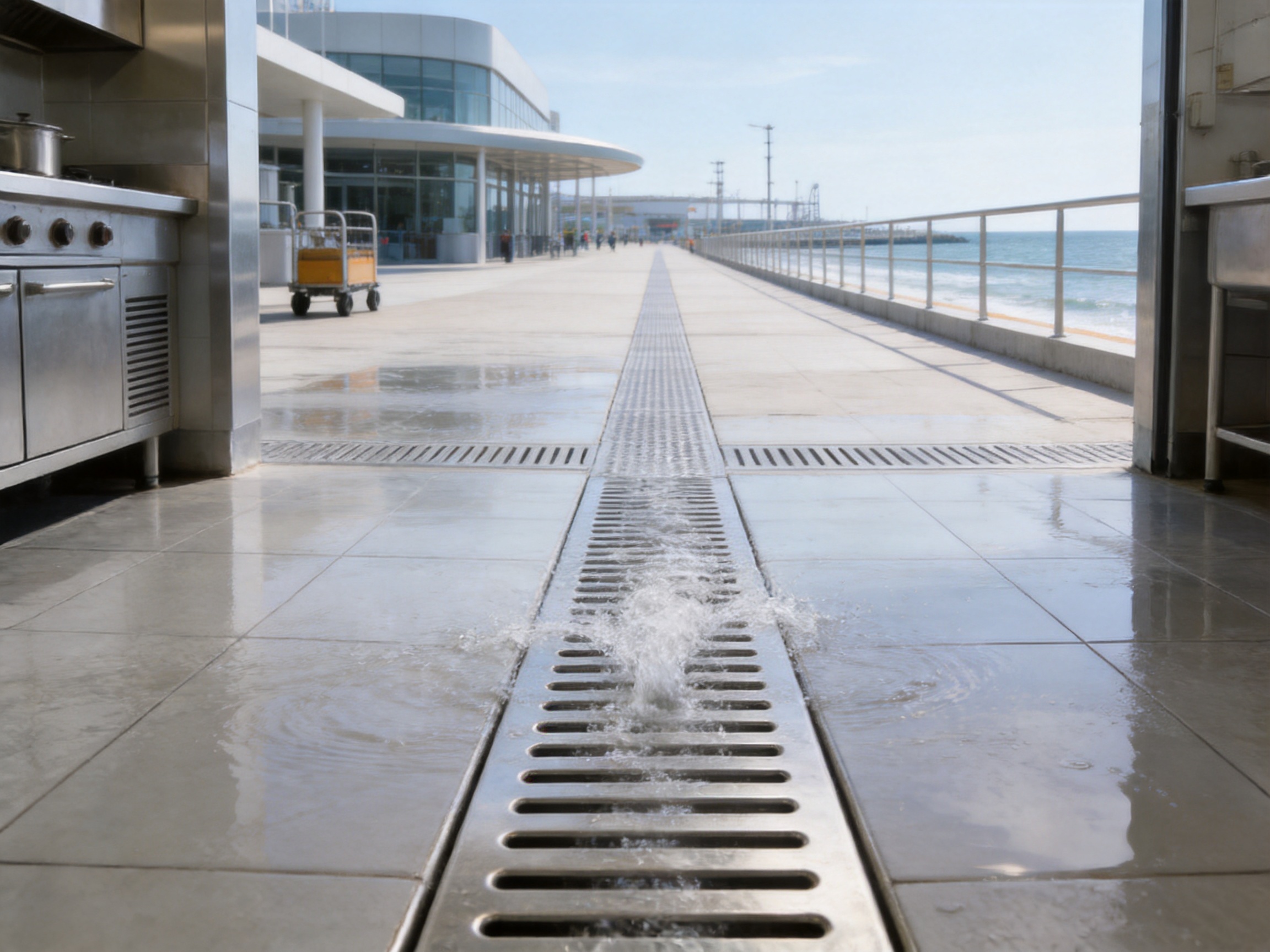
Many cover plates may appear similar at first glance, but their actual performance can differ significantly. Low-cost products may use thinner materials, lower-grade stainless steel, insufficient reinforcement, rough cutting, poor edge finishing, or no passivation. These shortcuts may reduce purchase cost but often lead to higher long-term expenses. Rust stains, deformation, difficult cleaning, noise, safety complaints, and replacement needs can quickly outweigh the initial savings.
This corrosion-resistant stainless steel cover plate offers competitive advantages through material authenticity, advanced manufacturing, structural engineering, surface protection, and customization support. The use of AISI 316L or AISI 304 stainless steel gives the product a reliable material foundation. Full passivation improves long-term corrosion resistance. Laser cutting supports accurate dimensions and clean drainage openings. Integrated ribbing improves load performance. Hydrophobic finishing supports hygiene and easy cleaning. The company’s broad drainage product experience helps ensure compatibility with complete drainage systems.
Another important advantage is the manufacturer’s ability to serve different project types. Some suppliers only provide standard covers. However, drainage projects often require customized sizes, different slot patterns, special load requirements, and coordination with channels or site drawings. With professional designers, mold designers, CNC engravers, and technical construction support, the company can respond to project-specific needs more effectively.
The company’s commitment to integrity and quality also supports long-term cooperation. Infrastructure products are not disposable items; they affect safety and maintenance for many years. A reliable supplier must provide consistent materials, stable production quality, clear communication, and responsible service. These strengths help customers reduce procurement risk and improve project outcomes.
The stainless steel cover plate is part of a wider drainage and construction product ecosystem. It can be used with linear drainage channels, finished drainage ditches, polymer-based drainage ditches, slot drainage ditches, U-shaped drainage ditches, and related drainage products. Proper integration ensures that water enters the channel efficiently, the cover remains stable, and the entire system meets load and maintenance requirements.
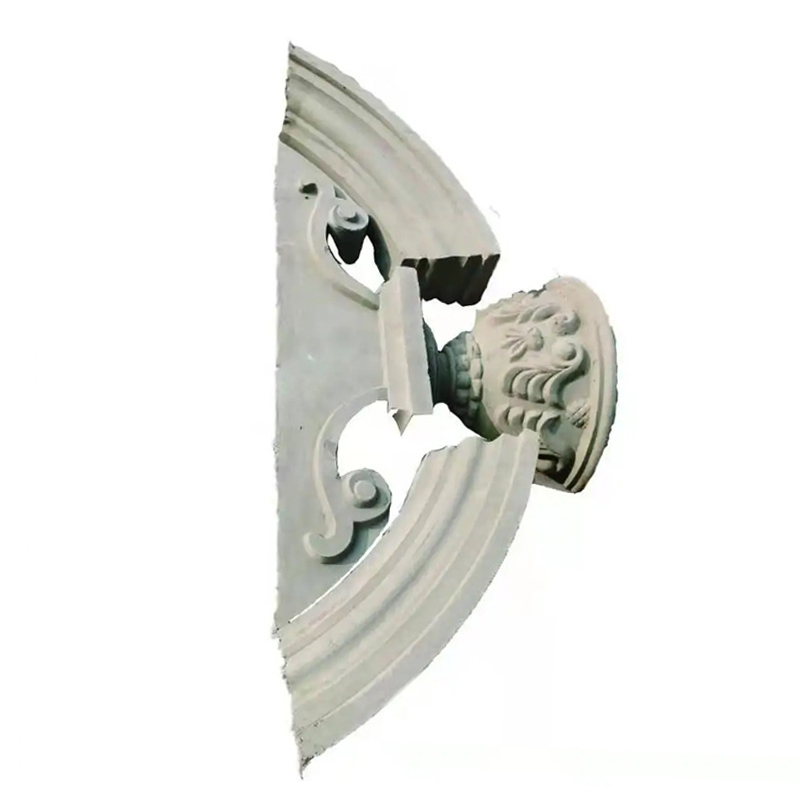
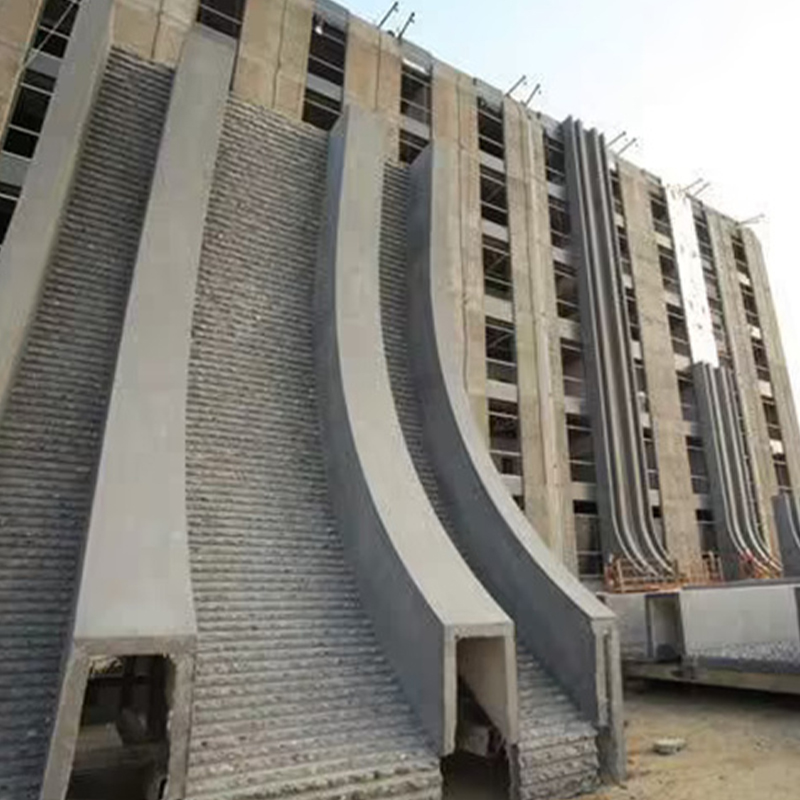
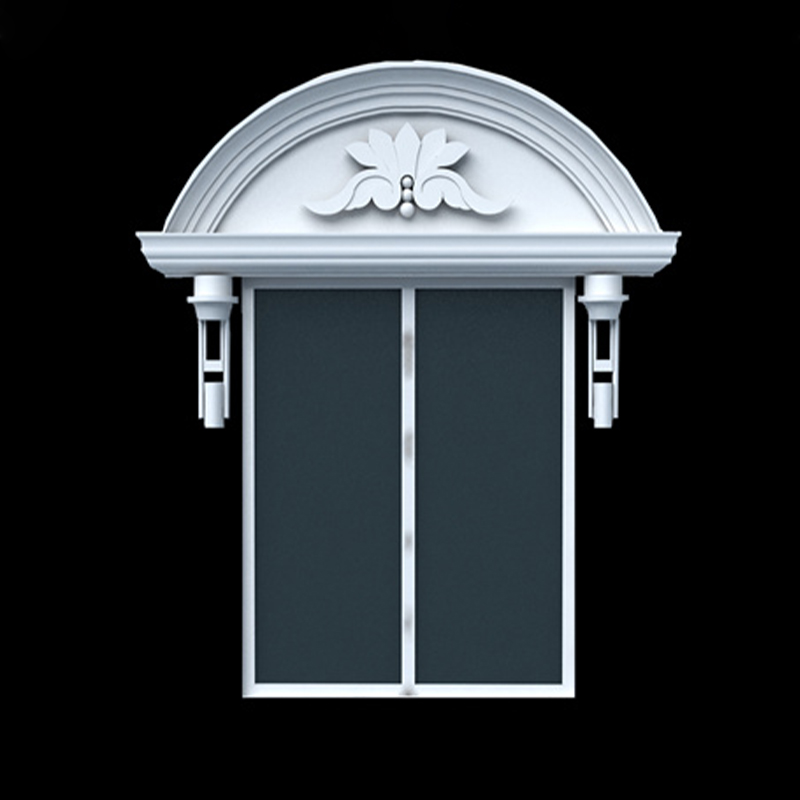
For architectural or landscape projects, GRC customization may also be relevant. GRC components can support decorative, structural, or facade-related design goals. The company’s GRC design and mold-making capability demonstrates broader project coordination strength. When drainage products must be integrated into complex architectural environments, this experience can help align function with appearance.
In many projects, drainage performance is not only about one component. It requires coordinated channel slope, cover opening design, outlet placement, pipe connection, load class selection, installation accuracy, and maintenance access. A manufacturer with broad drainage product knowledge can provide more practical recommendations than a supplier of isolated metal covers.
Durability is an important part of sustainable construction. Products that last longer reduce replacement frequency, material waste, transportation impact, and maintenance resources. Stainless steel is also recyclable, making it suitable for projects that consider environmental responsibility and life-cycle planning.
A corrosion-resistant stainless steel cover plate contributes to sustainability by offering long service life in harsh conditions. Its resistance to rust reduces the need for chemical rust removers, repainting materials, and frequent replacement. Its cleanability can reduce labor and water use when properly maintained. Its structural stability reduces the risk of premature failure and associated repair work.
From a financial perspective, life-cycle value is often more important than purchase price alone. A cheaper cover that needs replacement after a short period may cost more than a premium stainless steel cover over the same service life. When safety, downtime, hygiene, appearance, and maintenance are included, the value of a high-quality stainless steel solution becomes clear.
Quality control should cover the entire manufacturing process. Material verification confirms stainless steel grade and thickness. Dimensional inspection ensures compatibility with drainage channels. Surface inspection checks for scratches, contamination, burrs, and finishing consistency. Structural inspection confirms reinforcement accuracy and welding quality if welding is involved. Passivation control ensures the surface has been properly treated. Packaging inspection protects the finished plate during transport.
For international projects, documentation may also be required, such as material certificates, inspection records, drawings, and packaging details. Strong quality management helps prevent site problems and supports smoother installation. Since drainage components are often installed at late construction stages, delays or mismatched parts can affect project schedules. Accurate production and inspection reduce these risks.
It is made from high-quality AISI 316L or AISI 304 stainless steel and treated with full passivation technology. AISI 316L provides excellent resistance to chloride ions and many aggressive environments, while passivation strengthens the protective surface film and reduces the risk of rust staining.
AISI 316L is recommended for coastal regions, marine air exposure, chemical workshops, high-humidity industrial environments, and applications involving chloride-containing cleaners or aggressive media. AISI 304 is suitable for many general indoor, commercial, and moderate-exposure drainage applications.
Integrated ribbing increases stiffness and distributes loads more effectively. This reduces bending, vibration, fatigue, and deformation under repeated pedestrian, cart, or vehicle traffic. It also helps the cover plate remain stable on the drainage channel.
Yes. The stainless steel surface is smooth, washable, corrosion resistant, and hygienic. The hydrophobic finish reduces dirt adhesion and makes wash-down cleaning easier, which is valuable for food processing plants, commercial kitchens, beverage facilities, and sanitary production areas.
Laser cutting delivers accurate openings, clean edges, consistent dimensions, and flexible customization. It improves hydraulic performance, installation fit, and overall product appearance compared with rough or inconsistent cutting methods.
Yes, but maintenance is simpler than for painted or galvanized steel. Regular cleaning, removal of debris, rinsing after chloride exposure, and periodic inspection help maintain the surface and extend service life. Stainless steel does not normally require repainting or coating repair.
Yes. The product can be adapted according to channel width, load requirements, slot pattern, thickness, surface finish, and project drawings. The manufacturer’s drainage system experience supports compatibility with various channel types.
The main advantages include superior corrosion resistance, longer service life, cleaner appearance, easier maintenance, improved hygiene, better resistance to chemical and humidity exposure, and reduced need for repainting or rust repair.
The corrosion-resistant stainless steel cover plate is a high-performance solution for drainage systems operating in harsh, humid, sanitary, or chemically challenging environments. By using AISI 316L or AISI 304 stainless steel, full passivation technology, precision laser cutting, integrated structural reinforcement, and hydrophobic hygienic finishing, the product delivers a strong combination of corrosion resistance, load stability, hydraulic efficiency, cleanability, and long-term appearance.
Compared with ordinary steel, low-grade stainless steel, or poorly treated cover plates, this product offers clear life-cycle advantages. It reduces rust risk, lowers maintenance needs, supports sanitary cleaning, resists deformation, and improves the reliability of the drainage system. Its value is especially clear in coastal areas, food processing facilities, commercial kitchens, industrial plants, public infrastructure, laboratories, pharmaceutical environments, and modern architectural drainage projects.
Jiangsu Yameng Traffic Road Facilities Co., Ltd. strengthens the product’s reliability through its broad drainage product portfolio, design capability, mold-making resources, CNC processing support, experienced technical team, and commitment to quality-focused manufacturing. By integrating material science, advanced processing, practical engineering design, and responsive project service, the company provides stainless steel cover plate solutions that meet the real demands of modern drainage infrastructure.
ASTM International. Standard Specification for Chromium and Chromium-Nickel Stainless Steel Plate, Sheet, and Strip for Pressure Vessels and for General Applications.
ASM International. Stainless Steels: Properties, Processing, and Applications.
British Stainless Steel Association. Stainless Steel in Construction and Infrastructure Applications.
Nickel Institute. Stainless Steel Selection for Corrosion Resistance in Chloride Environments.
International Organization for Standardization. Drainage and Surface Water Management Design Guidelines.
European Hygienic Engineering and Design Group. Hygienic Design Principles for Food Processing Equipment and Facilities.
Related Products
Engineered to address the long-term challenges of chemical erosion and structural aging in architect...
READ MOREEngineered to address the long-term challenges of chemical erosion and structural aging in architect...
READ MOREEngineered to address the long-term challenges of chemical erosion and structural aging in architect...
READ MOREEngineered to address the long-term challenges of chemical erosion and structural aging in architect...
READ MOREEngineered to address the long-term challenges of chemical erosion and structural aging in architect...
READ MOREEngineered to address the long-term challenges of chemical erosion and structural aging in architect...
READ MORE
Contact us
Factory Address
Group 12, Quanxin Village, Donghai Town, Qidong City, Nantong City, Jiangsu Province, China
phone
+86-13914963840
+86-13451754670
products
QR CODE
 Wholesale Drainage Ditch Manufacturers