 English
 Español
 عربى
عربى

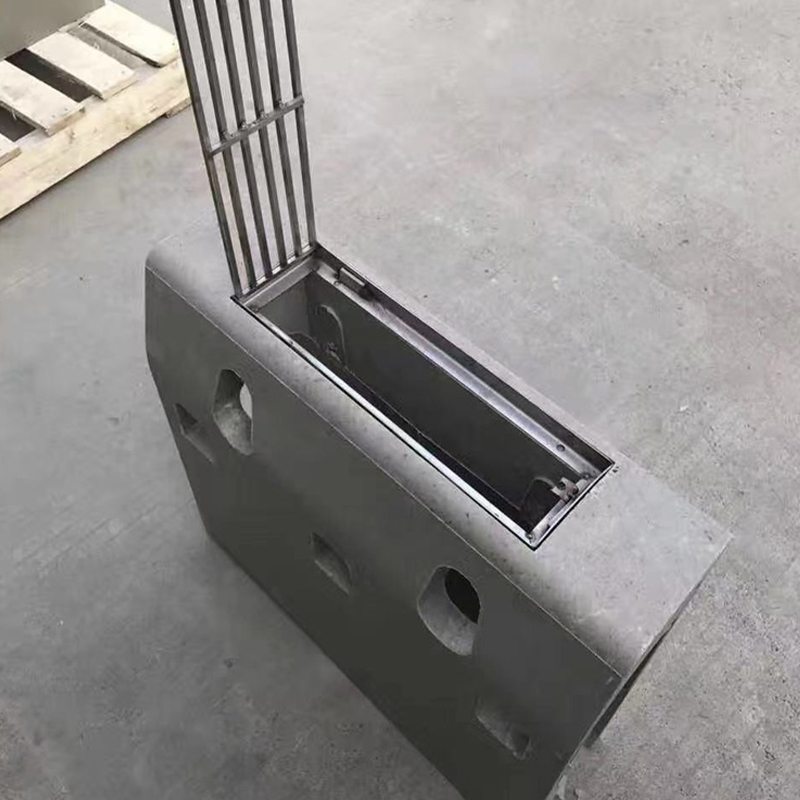
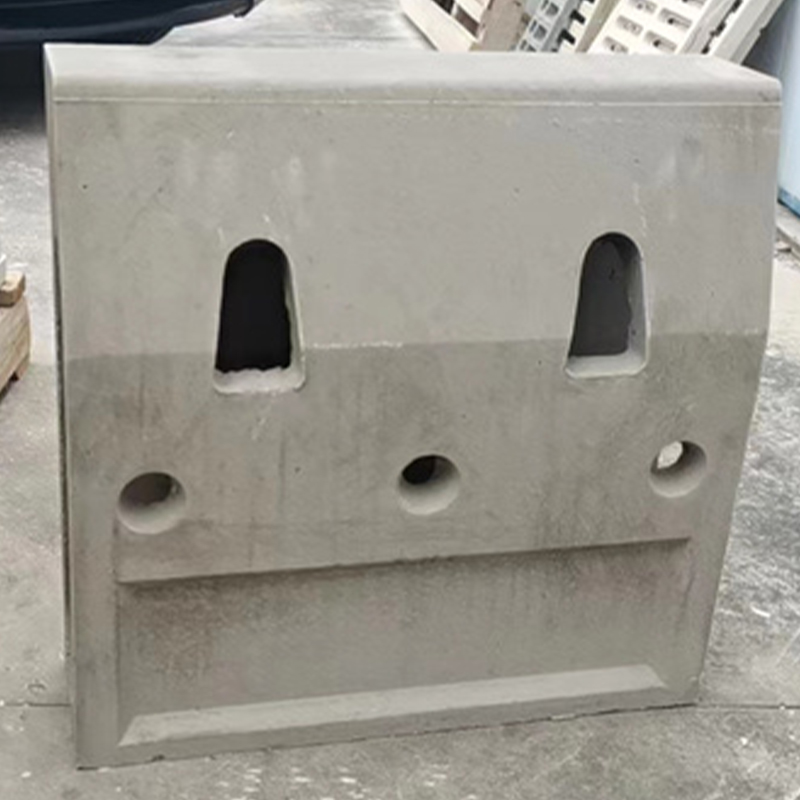
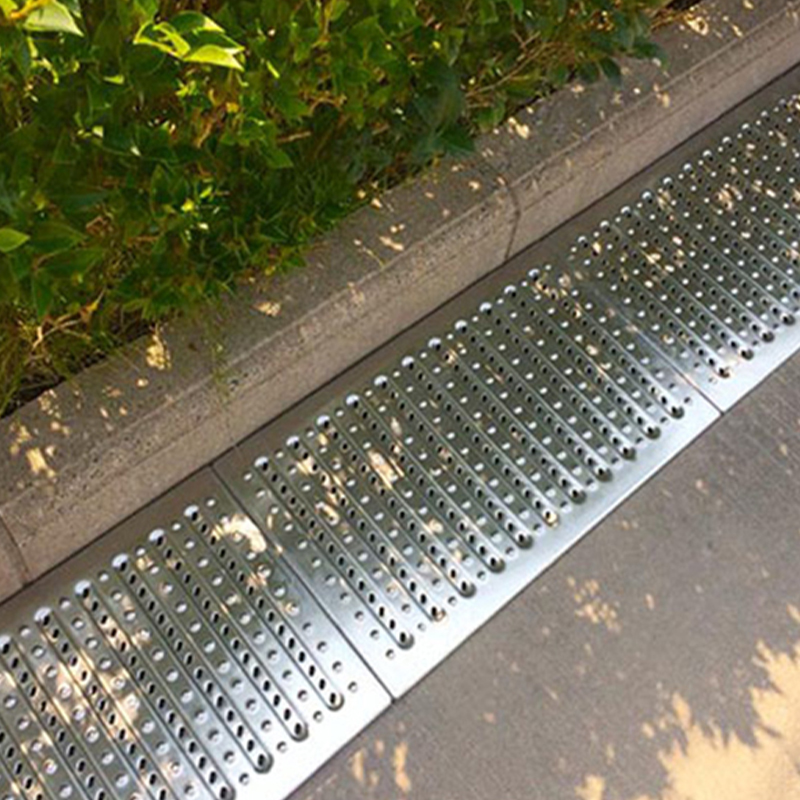
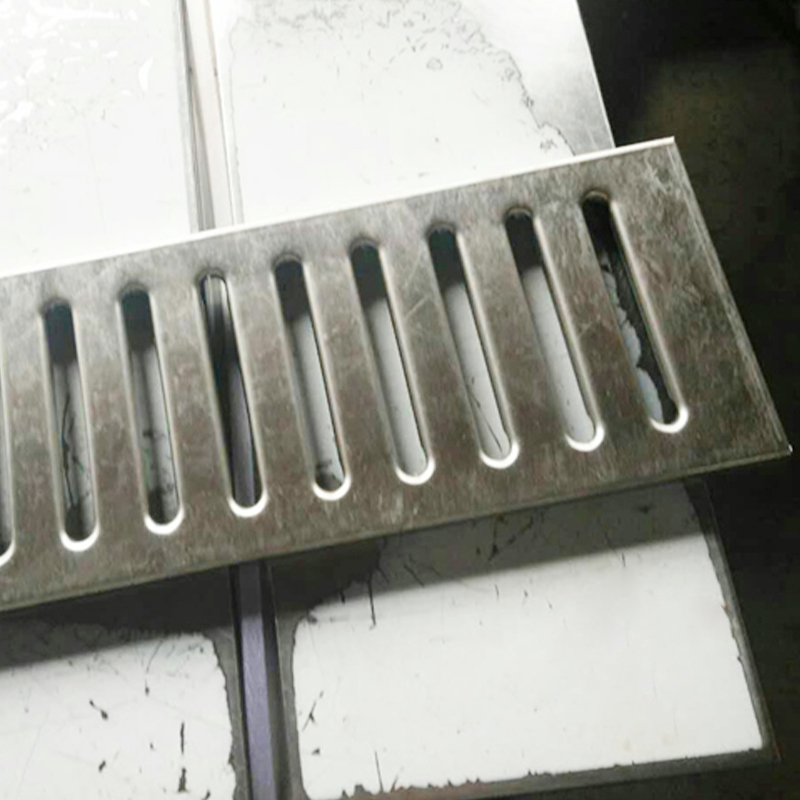
Engineered specifically for harsh environmental conditions, the Weatherproof Outdoor GRC door and wi...
READ MOREJun 16, 2026
Content
Linear ductile iron drainage grates are engineered components designed to protect drainage channels, manage stormwater flow, and withstand demanding traffic conditions. In modern infrastructure, drainage systems are no longer judged only by how quickly they remove surface water. They are also evaluated by safety, load capacity, noise control, corrosion resistance, installation efficiency, maintenance convenience, and long-term lifecycle value. For highways, airports, ports, logistics parks, industrial lanes, gas stations, municipal roads, and bus terminals, the drainage grate is a critical part of the entire system.
A well-designed drainage channel may fail to perform if the cover grate is weak, unstable, noisy, slippery, difficult to maintain, or vulnerable to corrosion. Linear ductile iron drainage grates address these challenges by combining high mechanical strength with practical installation features and optimized hydraulic performance. Compared with conventional grey iron grates or low-grade fabricated covers, ductile iron grates offer a better balance of strength, toughness, safety, and service life.
Jiangsu Yameng Traffic Road Facilities Co., Ltd focuses on drainage ditch projects, cover plates, drainage channel products, and GRC customization. With experience in product research and development, mold design, production, construction support, and after-sales service, the company provides drainage products for both domestic and international markets. Its linear ductile iron drainage grates are designed for applications where stable performance under heavy vehicles and harsh outdoor conditions is essential.
This article explains the structure, advantages, manufacturing concepts, application value, selection considerations, installation practices, and maintenance benefits of linear ductile iron drainage grates. It also highlights how advanced manufacturing capabilities, professional design support, and quality-focused production can improve the reliability of drainage infrastructure.
Linear Ductile Iron Drainage Grates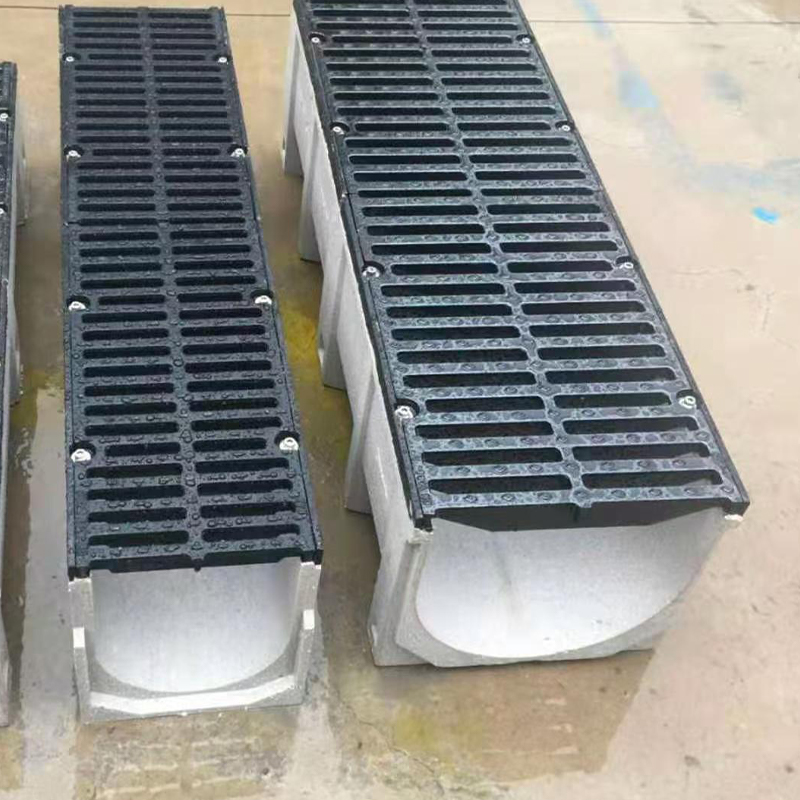
Surface water is one of the most common causes of road safety problems, pavement damage, industrial site hazards, and facility downtime. When rainwater cannot enter the drainage system quickly, it accumulates on the surface and creates hydroplaning risks, pedestrian slipping hazards, freeze-thaw damage, erosion, and structural deterioration. Linear drainage systems are widely used because they collect water continuously along a channel rather than relying only on isolated point inlets.
The grate is the visible and functional interface between traffic and the drainage channel. It must allow water to enter while supporting the loads passing above it. In a heavy-duty environment, the grate may experience repeated truck wheel pressure, braking force, impact, vibration, thermal expansion, chemical exposure, salt spray, and debris accumulation. A simple cover is not enough; the component must be engineered as part of a complete drainage and traffic safety system.
Linear ductile iron drainage grates are particularly suitable for long runs of drainage channels installed across roads, beside curbs, in industrial yards, at airport aprons, around loading docks, or in areas where frequent vehicle movement is expected. Their linear structure helps create a neat, continuous drainage line and supports efficient water interception during storms.
Because infrastructure owners increasingly seek products with lower maintenance demands and longer replacement cycles, the material and design of the grate are important. Ductile iron provides high tensile strength and ductility, allowing the grate to absorb and distribute force more effectively than brittle materials. When combined with anti-slip patterns, precise fitting, anti-vibration details, corrosion-resistant coatings, and rapid-locking mechanisms, the result is a durable drainage cover solution for demanding sites.
Ductile iron is a cast iron material in which graphite appears in spheroidal or nodular form. This microstructure gives the material improved strength, toughness, and impact resistance compared with traditional grey cast iron, where graphite flakes can act as stress concentrators. In practical terms, ductile iron can carry heavy loads while maintaining a safer deformation behavior under extreme pressure.
For drainage grates, this difference is significant. A grey iron grate may crack or break suddenly when overloaded or when exposed to repeated impact. A ductile iron grate is more likely to bend or deform before catastrophic failure, giving the structure a higher safety margin. In roads, airport runways, port yards, and industrial lanes, this behavior can reduce the risk of sudden hazards caused by broken covers.
Ductile iron also enables manufacturers to design thinner or lighter sections without sacrificing performance. This helps reduce the handling burden during installation and maintenance. A lighter grate can be lifted more easily during cleaning, inspection, or channel repair, which improves operational efficiency and reduces labor intensity.
Another advantage is casting flexibility. Ductile iron can be formed into complex shapes, including raised anti-slip textures, reinforced ribs, interlocking edges, drainage slots, positioning features, and locking interfaces. These details are essential for a high-performance linear drainage grate because the component must manage water, resist load, prevent displacement, and remain safe for pedestrians and vehicles.
Heavy-duty drainage grates must be able to meet the load requirements of areas ranging from arterial roads to airport runways. Linear ductile iron drainage grates are engineered for high load classes, including applications that may require D400, E600, or F900 performance levels depending on project specifications. D400 is commonly associated with carriageways and main roads, while F900 is used in extremely heavy-duty environments such as airport pavements and port facilities.
The advantage is not only maximum load capacity but also safety under repeated loading. Vehicles do not apply force as a simple static pressure. They create dynamic impacts, especially when braking, turning, accelerating, or crossing grates at speed. A high tensile and ductile material helps resist these dynamic stresses over a long period.
When competitors use inferior materials or insufficient rib design, the grate may experience fatigue cracks, edge damage, deformation, or looseness. Linear ductile iron grates designed with optimized load distribution reduce these risks. Reinforced structures, carefully calculated thickness, and controlled casting quality all contribute to consistent performance.
Traditional grey iron drainage covers are often heavy because additional material is required to compensate for lower toughness. Heavy covers can be difficult to move during installation or maintenance, increasing labor cost and safety risks. Linear ductile iron drainage grates provide excellent mechanical performance with a more efficient material structure.
Because ductile iron has better strength and ductility, the grate can be designed to reduce unnecessary weight while maintaining load capacity. This provides a meaningful advantage for contractors, municipal maintenance teams, and industrial facility operators. Faster handling reduces installation time, makes channel cleaning easier, and improves long-term maintenance efficiency.
In addition, a lightweight design does not mean a weak design. Proper rib layout, accurate casting, and engineered locking details allow the product to remain stable under traffic. This combination of strength and manageable weight is one of the major advantages of ductile iron drainage grates over many conventional alternatives.
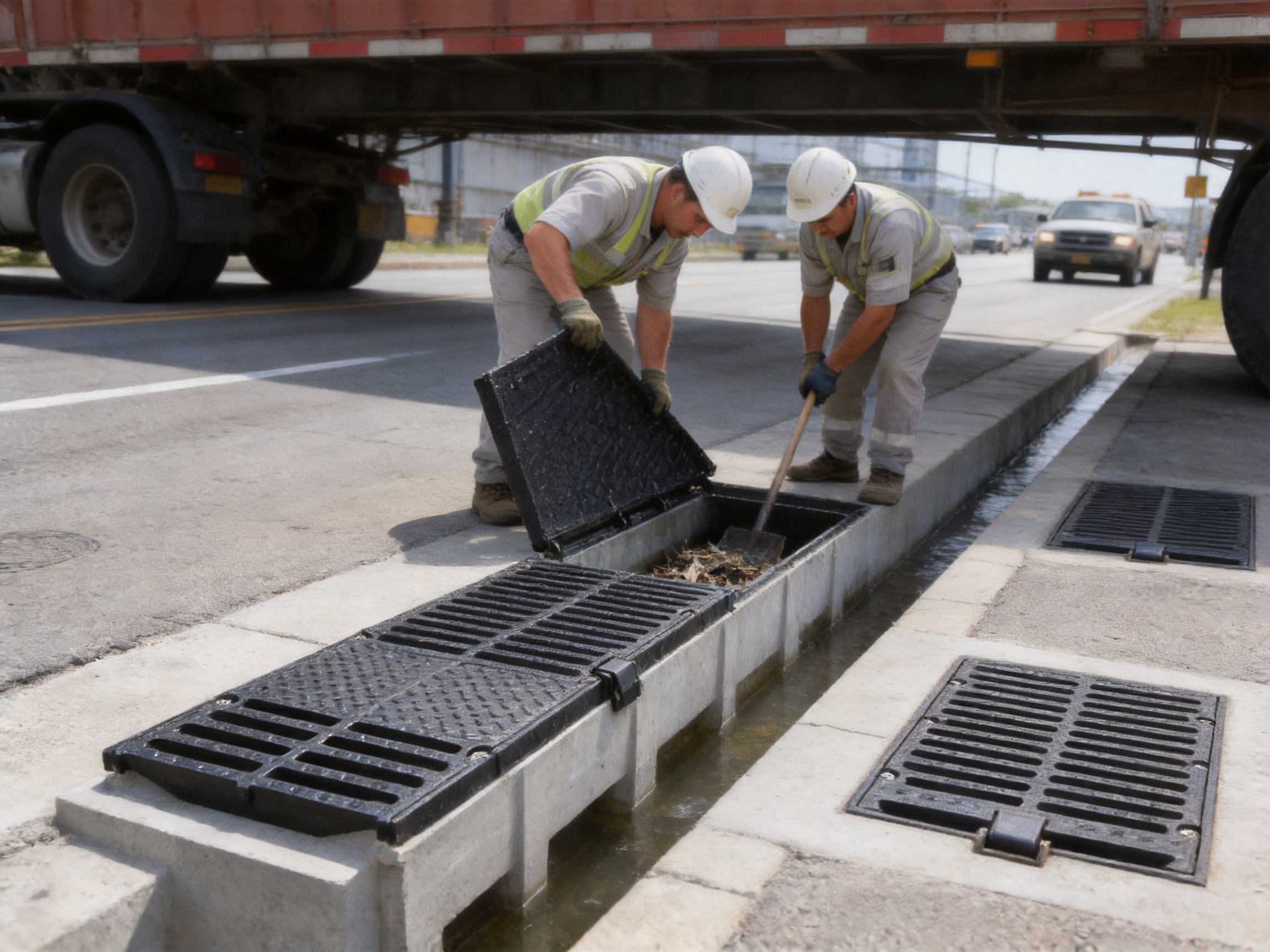
Drainage channels require periodic cleaning because leaves, sediment, sand, packaging waste, gravel, and industrial debris may accumulate inside the channel. If grates are difficult to remove, maintenance is delayed, and drainage capacity declines. Linear ductile iron drainage grates can be paired with a boltless rapid-locking system or other efficient fastening designs to simplify access while keeping the grate secure during operation.
A rapid-locking system offers two key benefits. First, it prevents the grate from bouncing, shifting, or being displaced by vehicle movement. Second, it allows authorized maintenance personnel to open the system quickly when cleaning is required. Compared with conventional bolted covers, which may rust, seize, loosen, or require more time to remove, a rapid-locking solution improves practical usability.
For airports, logistics parks, municipal roads, and industrial plants, maintenance windows are often short. A product that can be opened and reinstalled efficiently helps reduce traffic disruption and service interruption. This is a major competitive advantage in real projects.
One of the most common complaints about drainage grates in traffic areas is noise. If the grate is not accurately fitted to the channel frame, vehicle wheels cause repeated vibration and impact. This produces clattering sounds that are unpleasant in urban areas and can indicate mechanical instability.
Linear ductile iron drainage grates use precision-fit tolerances and anti-vibration design features to reduce movement between the grate and the supporting frame. This helps eliminate or greatly reduce clattering when vehicles pass. The same structural stability also reduces wear between contact surfaces, improving long-term durability.
Anti-displacement performance is especially important in areas where vehicles brake frequently, such as bus terminals, toll stations, logistics entrances, gas stations, loading docks, and intersections. Repeated braking creates longitudinal forces that can push loose grates along the channel. A secure locking mechanism prevents bouncing or shifting, protecting both vehicles and pedestrians.
Drainage grates are constantly exposed to moisture, oxygen, road salt, fuel residues, cleaning chemicals, industrial wastewater, acidic or alkaline substances, and coastal salinity. Without protective treatment, metal components may corrode, lose cross-sectional strength, become difficult to remove, or appear unsightly.
High-performance anti-rust coatings protect linear ductile iron drainage grates from oxidation and environmental attack. Proper surface preparation and coating application are essential to reliable corrosion resistance. In harsh industrial environments or coastal zones, a corrosion-resistant finish helps preserve both appearance and structural integrity.
Compared with untreated or poorly coated competitors, a properly treated ductile iron grate can offer better long-term value. It reduces replacement frequency, lowers maintenance costs, and ensures that the drainage system remains functional during its designed service life.
A drainage grate must balance two design goals: allowing water to enter quickly and providing a safe surface for traffic. If openings are too small, drainage capacity may be insufficient during heavy storms. If openings are too large or poorly shaped, the surface may be unsafe for pedestrians, bicycles, carts, or smaller wheels.
Linear ductile iron drainage grates use scientifically calculated open areas to promote instantaneous water intake. Slot geometry, opening ratio, rib spacing, and flow direction all influence hydraulic performance. In high-rainfall events, an optimized grate helps surface water enter the channel efficiently and reduces ponding.
At the same time, raised cast-in patterns provide skid resistance. Anti-slip textures are important for both vehicles and pedestrians, particularly in rainy, oily, icy, or industrial environments. Because the pattern is cast into the metal rather than merely painted on the surface, it remains functional for a longer period under wear.
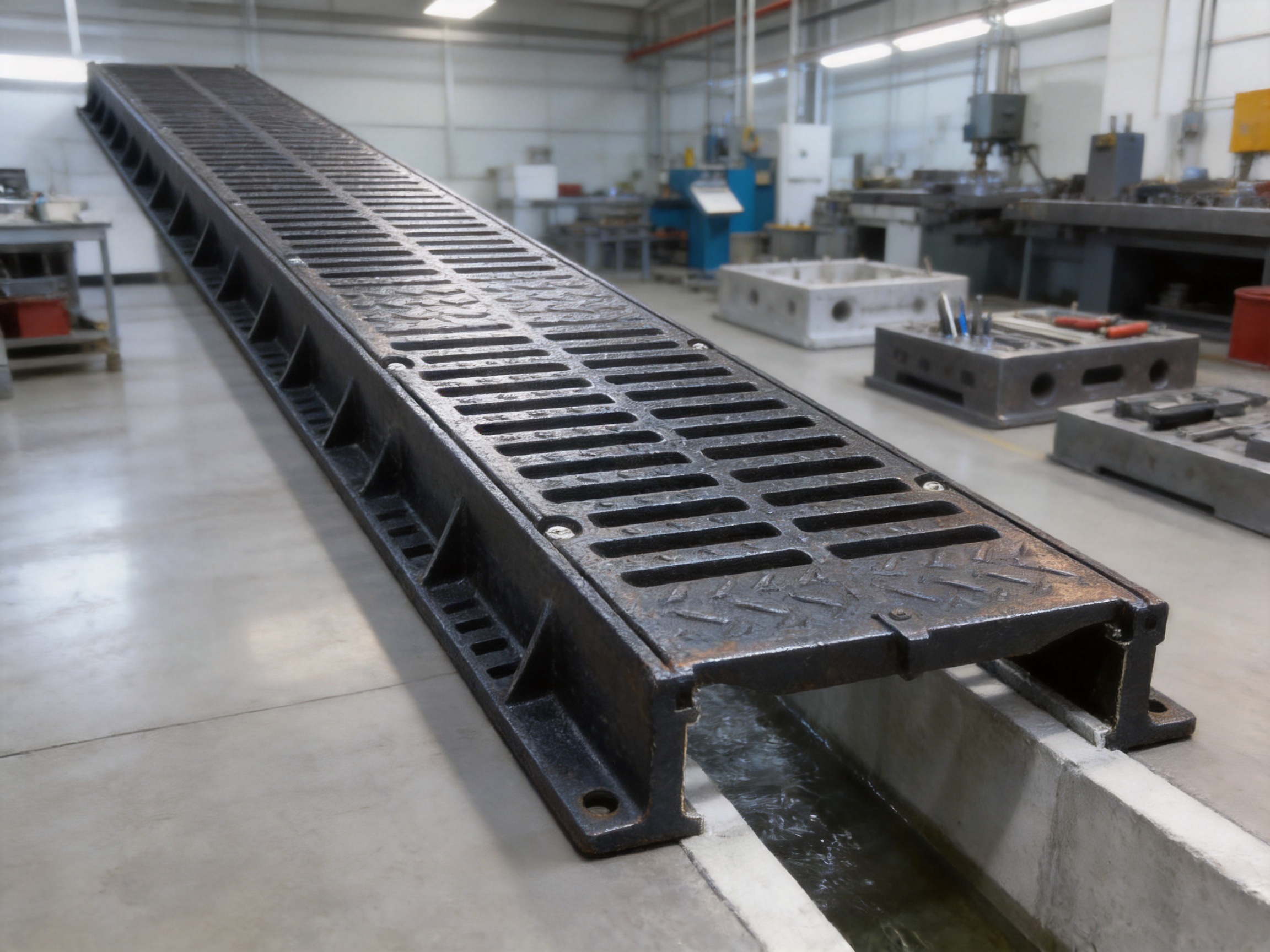
Drainage grate buyers often compare ductile iron grates with grey iron covers, welded steel gratings, stainless steel stamped covers, resin composite covers, and concrete cover plates. Each material has suitable applications, but heavy-duty traffic environments require a careful balance of mechanical strength, toughness, locking stability, corrosion resistance, drainage efficiency, and maintenance convenience.
Grey iron covers may be cost-effective in low-demand environments, but their brittleness can be a weakness under heavy impact. Welded steel gratings may offer open area and light weight, but they may require careful corrosion protection and can deform if not designed for concentrated wheel loads. Stainless steel covers provide excellent corrosion resistance and a clean appearance, but they may not always be economical for large heavy-duty roadway projects. Resin composite products are lightweight and corrosion resistant, but very high load classes require specialized designs and quality control. Concrete covers can be economical but are generally heavier and may be less convenient for maintenance.
Linear ductile iron drainage grates stand out because they provide heavy-duty load performance, impact resistance, anti-slip surface design, cast structural integrity, and efficient maintenance features. For demanding traffic applications, they offer a strong value proposition.
| Evaluation Item | Linear Ductile Iron Drainage Grate | Traditional Grey Iron Cover | Welded Steel Grating | Resin or Concrete Cover |
|---|---|---|---|---|
| Load Capacity | Suitable for high load classes such as D400 to F900 when properly designed | Can be strong but more brittle under impact | Depends heavily on steel section and welding quality | Varies widely by formulation or reinforcement |
| Safety Under Overload | Ductile behavior helps reduce sudden brittle fracture risk | Higher risk of brittle cracking | May deform or suffer weld failure | May crack, chip, or deform depending on material |
| Maintenance Convenience | Can use rapid-locking and lighter optimized design | Often heavy and less convenient | Moderate, depending on fixing method | Concrete may be heavy; resin may be easier to move |
| Noise Control | Precision fit and anti-vibration design reduce clattering | May become noisy if fit is poor | May rattle without secure fixing | Depends on frame and installation quality |
| Anti-Slip Performance | Cast-in raised patterns provide durable traction | Can be textured but may wear or crack | Open grating provides grip but may be uncomfortable for small wheels | Surface finish varies |
| Corrosion Resistance | Protected by anti-rust coating and proper treatment | Requires coating and maintenance | Requires galvanizing or coating unless stainless | Generally resistant, but concrete can degrade in chemical environments |
| Best Use | Heavy-duty roads, airports, ports, industrial sites, municipal works | General low-to-medium duty areas | Industrial platforms and selected drainage areas | Light-to-medium applications depending on design |
The performance of a ductile iron drainage grate is not determined by material choice alone. It depends on engineering design, mold accuracy, casting control, surface treatment, inspection, and compatibility with the drainage channel. Jiangsu Yameng Traffic Road Facilities Co., Ltd emphasizes integrity, quality, product development, and complete project support. The company’s experience in drainage ditch products and GRC customization provides a strong foundation for supplying drainage solutions with practical construction value.
A reliable grate begins with product design. Engineers must consider expected load class, channel width, installation environment, hydraulic demand, vehicle type, wheel contact area, opening ratio, anti-slip performance, locking method, frame compatibility, maintenance frequency, and corrosion conditions. By coordinating these variables, the design can achieve strength without unnecessary weight and drainage efficiency without compromising safety.
Professional design support is especially important for customized projects. Different sites may require unique dimensions, curved layouts, special slot orientations, connection details, or matching with existing drainage channels. The company’s technical team can support detailed design, drawings, mold planning, production, on-site construction coordination, and after-sales service. This complete process helps reduce project risk and improves installation accuracy.
Accurate molds are essential for consistent casting quality. A drainage grate must fit precisely into its frame or channel. If the dimensions are inaccurate, the grate may rock, rattle, jam, or become difficult to remove. Mold design controls the shape of ribs, openings, locking points, edge contact surfaces, anti-slip patterns, and positioning features.
CNC engraving technology supports precise mold production. Compared with manual mold processing, CNC methods provide higher dimensional consistency, repeatability, and surface detail. This is particularly valuable for raised anti-slip patterns and complex locking features. Accurate molds contribute directly to noise reduction, stable fit, and reliable load distribution.
Ductile iron casting requires proper control of raw materials, melting temperature, nodularization treatment, inoculation, pouring, cooling, and post-casting handling. The objective is to achieve the desired graphite nodularity, matrix structure, mechanical strength, and toughness. Poor casting control can result in shrinkage, porosity, inclusions, uneven structure, or weak sections.
A quality-focused manufacturer pays attention to process consistency. Each grate must not only look correct but also perform under load. Controlled casting helps ensure that reinforcing ribs are complete, edges are strong, drainage openings are clean, and contact surfaces are stable. For products used in high-load environments, manufacturing discipline is as important as design.
After casting, drainage grates require cleaning, finishing, and protective treatment. Surface finishing removes burrs, sharp edges, sand residues, and casting imperfections. This improves appearance, handling safety, and fit. The anti-rust coating process then provides protection against moisture, oxygen, chemicals, and salt exposure.
High-performance coatings extend service life, especially in coastal areas, industrial parks, chemical plants, fueling stations, and roads where deicing salts may be used. Coating quality depends on surface preparation, coating material, application thickness, curing, and inspection. A strong coating system helps the grate maintain structural integrity and reduces corrosion-related maintenance.
Because drainage grates must work as part of a system, dimensional inspection and functional fit testing are important. The grate should sit properly in the channel or frame, engage the locking mechanism correctly, and remain stable when subjected to simulated service conditions. Visual inspection alone is not enough for demanding applications.
Inspection may include dimensional checks, surface quality evaluation, locking function verification, coating assessment, and load-related testing according to project requirements. For high-class applications, load performance must match the intended traffic environment. Reliable inspection procedures help ensure that products delivered to the project site meet expected standards.
The company’s product range includes linear drainage ditches, finished drainage ditches, polymer-based drainage ditches, slot drainage ditches, U-shaped drainage ditches, ductile iron cover plates, stainless steel stamped cover plates, steel gratings, resin concrete cover plates, resin composite manhole covers, stainless steel manhole covers, ductile iron manhole covers, drainage pipes, PE pipes, and related products. This broad capability allows project owners to source compatible drainage components from one supplier rather than coordinating multiple unrelated vendors.
Integrated product capability helps improve system compatibility. A grate must match the channel body, frame, bedding, anchoring method, and surrounding pavement. When design and supply are coordinated, the risk of mismatch is lower. This is especially valuable in drainage ditch projects where site conditions, load requirements, and construction sequences must be carefully managed.
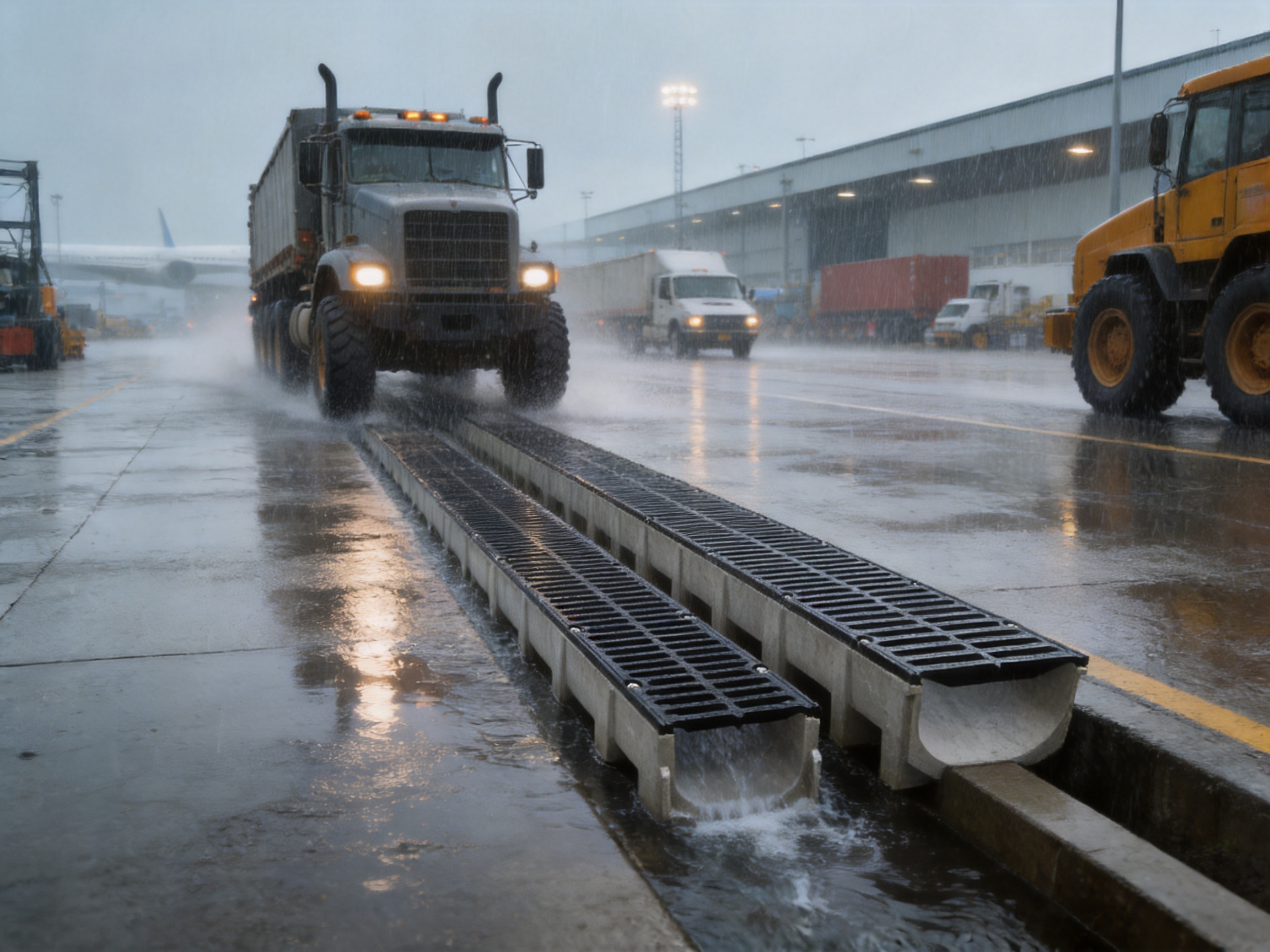
Airports require drainage components with exceptional reliability. Surface water on runways, taxiways, aprons, and service roads can create serious safety concerns. Drainage grates in these environments may be exposed to aircraft service vehicles, fuel trucks, luggage vehicles, emergency equipment, and in some cases very high wheel loads. F900-level performance may be required for the most demanding areas.
Linear ductile iron drainage grates are suitable for airport infrastructure because they combine heavy load capacity with stable locking and anti-displacement features. Noise reduction and secure fit are also valuable because loose components in airport pavement can create operational risks. Corrosion resistance is important due to fuel residues, cleaning agents, and weather exposure.
Ports and logistics hubs experience frequent movement of container trucks, forklifts, trailers, cranes, and heavy transport vehicles. Drainage systems must resist high loads, dynamic braking forces, and abrasive debris. Coastal salinity can accelerate corrosion, making protective coatings essential.
In these environments, the ability of ductile iron grates to resist heavy impact and maintain stability is a strong advantage. The rapid-locking design helps prevent displacement caused by repeated truck movement, while maintenance-friendly access supports cleaning in areas where sediment and debris are common.
Gas stations require drainage products that can handle vehicle traffic, occasional chemical exposure, water runoff, and regular cleaning. A loose or noisy grate can affect user experience and create safety concerns. Anti-slip surfaces are important because oil or water may make the ground slippery.
Linear ductile iron drainage grates provide a robust solution for fuel station entrances, washing areas, parking zones, and service lanes. Corrosion-resistant coatings help protect against moisture and chemical residues, while stable fit reduces noise when vehicles pass over the channel.
Urban roads and highways need drainage systems that can manage large volumes of stormwater quickly. In heavy rain, inadequate drainage can cause ponding, traffic accidents, pavement deterioration, and public complaints. Drainage grates installed on main roads must withstand repeated traffic loads and remain safe for pedestrians, bicycles, buses, and cars.
Ductile iron drainage grates designed for D400 or higher applications are well suited for municipal roadways. Anti-slip patterns improve surface safety, optimized openings improve water intake, and anti-vibration design reduces noise in residential or commercial districts. The ability to open the grate efficiently for cleaning supports municipal maintenance programs.
Bus terminals involve frequent braking, turning, and stopping, which create strong longitudinal and lateral forces on drainage grates. Loose grates may shift, create noise, or become damaged. Public transport areas also have pedestrian traffic, so anti-slip design and safe opening geometry are essential.
The locking mechanism of linear ductile iron drainage grates helps resist displacement caused by bus movement. Precision fit reduces clattering, improving the environment for passengers, drivers, and nearby businesses. Durable raised patterns support traction for both vehicles and pedestrians.
Factories, warehouses, and loading docks often involve forklifts, heavy trucks, pallets, equipment movement, oils, chemicals, and concentrated loads. Drainage systems in these areas must be rugged and easy to maintain. Sediment and debris can quickly block channels if access is inconvenient.
Linear ductile iron drainage grates are appropriate for heavy-vehicle lanes, loading dock entrances, factory yards, and equipment service areas. Their load capacity, impact resistance, corrosion protection, and maintenance convenience help industrial operators reduce downtime and protect site safety.
Drainage performance is not achieved by channel depth alone. The grate must permit water to enter the channel at the rate required by the site. During intense rainfall, water flows across pavement surfaces and must be captured before it accumulates. The open area, slot orientation, rib geometry, and grate position all affect intake efficiency.
Scientifically calculated openings allow water to enter rapidly while maintaining structural strength. Too much open area can weaken the grate or create safety issues; too little open area reduces intake capacity. A well-engineered linear ductile iron grate finds the correct balance for heavy-duty applications.
The continuous nature of a linear drainage system also improves collection efficiency compared with isolated point drains. Instead of relying on water to travel long distances to a single inlet, the channel captures flow along its length. This is especially useful across slopes, entrances, paved yards, and long road edges.
In addition, proper installation is critical. The grate and channel should be installed at the correct elevation, with stable support, appropriate slope, and compatible surrounding pavement. Even the best grate cannot compensate for incorrect site grading or poor channel bedding. Therefore, supplier support in design and construction coordination can improve real-world drainage performance.
Safety is a central design priority for drainage grates. A drainage cover must not create a hazard while performing its water intake function. Vehicle tires require traction, pedestrians require slip resistance, and maintenance teams require safe handling.
The raised anti-slip surface on ductile iron grates helps reduce skidding risk. Cast patterns are durable because they are integral to the grate surface. Unlike coatings or applied strips, the texture does not easily peel away. This provides long-lasting grip even in outdoor environments where water, dust, mud, or oil may be present.
Opening geometry also affects safety. Linear slots and drainage openings should be designed to minimize risk for shoes, canes, bicycle tires, cart wheels, and small service vehicle wheels where applicable. In pedestrian-heavy zones, the grate pattern may need to follow specific safety considerations.
Stable locking and anti-displacement features protect against unexpected movement. A grate that jumps or shifts under traffic can become a serious hazard. By preventing bouncing and longitudinal movement, the locking system helps preserve safe road and site conditions.
Correct installation is essential for long-term performance. The channel base should be properly prepared according to load requirements, soil conditions, drainage design, and pavement structure. Heavy-duty traffic areas require stable bedding and adequate concrete encasement or structural support around the channel.
The grate should be installed flush with the surrounding surface or according to the designed drainage grade. If the grate is too high, it may be struck by tires or snow removal equipment. If it is too low, water may not enter efficiently, and edges may be exposed to impact. Accurate elevation control helps protect both the grate and the pavement.
Frames, channels, and grates must be aligned correctly. A misaligned installation can cause rocking, noise, uneven loading, and premature wear. The locking mechanism should be checked after installation to confirm that the grate is fully seated and secured.
During construction, grates should be protected from concrete slurry, asphalt contamination, welding sparks, or heavy equipment damage before the system is ready for operation. After installation, the channel should be cleaned to remove debris and confirm unobstructed flow.
A drainage grate with high load capacity is valuable, but lifecycle value also depends on maintenance effort and service life. Drainage channels must remain clean to function properly. If grates are difficult to remove, maintenance teams may postpone cleaning, leading to reduced drainage performance and possible flooding.
The lightweight efficiency and rapid-locking features of linear ductile iron drainage grates improve maintenance practicality. Workers can open the system more quickly, remove accumulated debris, inspect the channel, and restore the cover securely. This reduces labor time and supports more regular maintenance schedules.
Corrosion resistance also contributes to lifecycle value. Rust can make covers difficult to open and may reduce structural strength over time. A durable anti-rust coating lowers this risk. In coastal or industrial environments, the benefit is particularly important.
Noise control provides another form of value. A quiet drainage system improves public acceptance in urban areas, residential districts, commercial centers, and transport hubs. Reduced movement also means reduced wear, which can extend the service life of both the grate and the frame.
In the drainage product market, visual similarity can be misleading. Two grates may appear similar from the surface but differ significantly in material quality, casting integrity, dimensional accuracy, coating durability, and locking performance. This is why quality control is a major competitive advantage.
Jiangsu Yameng Traffic Road Facilities Co., Ltd emphasizes quality as a foundation. From design to mold making, production, construction support, and after-sales service, the company’s process-oriented approach helps ensure that products meet practical project needs. The involvement of designers, mold specialists, CNC engraving capability, production technicians, and construction teams supports reliable results.
For customers, this means more than purchasing a single component. It means receiving a drainage solution backed by manufacturing knowledge and project experience. When problems arise on site, technical support can help identify suitable dimensions, installation methods, and maintenance practices. This service capability differentiates a professional supplier from a simple product trader.
Not every drainage project uses standard dimensions. Some sites require special widths, heavy-duty load ratings, curved or angled layouts, unique locking methods, special coatings, or compatibility with existing channels. Customization capability is therefore important for contractors and infrastructure owners.
The company’s experience in GRC customization and drainage ditch projects demonstrates an ability to manage design-to-production workflows. Professional designers can prepare detailed drawings, mold designers can convert concepts into producible forms, CNC engravers can support precise mold processing, and production teams can manufacture components according to specifications. On-site construction support and after-sales service further strengthen the complete solution.
This integrated capability can reduce communication errors and project delays. A supplier familiar with both product manufacturing and field installation can help customers avoid common mistakes, such as choosing the wrong load class, overlooking channel support requirements, or selecting a grate pattern that does not suit the traffic environment.
Selecting the right grate requires a structured evaluation of site conditions. The first factor is load class. Roads, industrial lanes, ports, and airports may require different performance levels. Buyers should consider not only normal vehicles but also occasional extreme loads, emergency vehicles, maintenance equipment, and dynamic braking forces.
The second factor is hydraulic requirement. Rainfall intensity, surface slope, drainage area, channel size, and inlet spacing determine how much water must be captured. The grate opening area should match the drainage design while maintaining safety and strength.
The third factor is environmental exposure. Coastal sites, chemical plants, fuel stations, and winter roadways may require enhanced corrosion protection. Coating selection and maintenance planning should reflect the actual environment.
The fourth factor is safety. Pedestrian areas, bicycle routes, and public transport facilities may require special attention to opening geometry and anti-slip design. A grate suitable for a container yard may not be ideal for a pedestrian plaza.
The fifth factor is maintenance. If debris accumulation is likely, rapid access is important. Boltless locking or efficient fastening systems can reduce maintenance time and improve long-term drainage reliability.
Long-lasting drainage infrastructure supports sustainability by reducing replacement frequency, material waste, and maintenance-related disruption. A durable ductile iron grate may require a higher initial investment than some low-grade alternatives, but its lifecycle cost can be lower when service life, safety, maintenance efficiency, and reduced failure risk are considered.
Efficient stormwater management also protects the surrounding environment. By quickly directing runoff into designed drainage systems, linear drainage grates help reduce surface erosion, uncontrolled water spread, and pavement deterioration. In industrial sites, properly designed drainage can support the collection and treatment of runoff where required.
From an economic perspective, product failure is costly. A broken or displaced grate may damage vehicles, injure pedestrians, interrupt operations, require emergency repairs, or create liability risks. Choosing a high-quality linear ductile iron drainage grate is therefore an investment in operational continuity and public safety.
A linear ductile iron drainage grate is a cast metal cover used on a linear drainage channel. It allows surface water to enter the channel while supporting pedestrian or vehicle loads. Ductile iron provides high strength, toughness, and better safety behavior than traditional brittle grey iron.
It can be used in airports, seaports, logistics parks, gas stations, highways, urban main roads, bus terminals, factory heavy-vehicle lanes, loading docks, and other locations that require strong drainage covers with reliable traffic performance.
Ductile iron contains nodular graphite, which improves toughness and ductility. Grey iron contains flake graphite, which makes it more brittle. For drainage grates, ductile iron is generally safer under impact and repeated loading because it is less likely to suffer sudden brittle fracture.
When properly designed and manufactured, ductile iron drainage grates can meet heavy-duty load classes such as D400, E600, or F900 depending on project requirements. The correct load class should be selected according to the traffic environment and engineering standards.
Noisy grates usually indicate movement between the grate and frame. This can disturb nearby users and may also lead to wear or displacement. Precision fit, anti-vibration design, and secure locking help reduce clattering when vehicles pass.
A rapid-locking system keeps the grate stable during traffic while allowing maintenance personnel to open it efficiently for cleaning. This improves safety, prevents displacement, and reduces maintenance time compared with inconvenient or corroded bolted systems.
The grate is treated with anti-rust coatings that help protect it from moisture, oxidation, salt, acids, alkalis, and industrial exposure. Proper surface preparation and coating application are important for long-term protection.
Yes, the cast-in raised patterns are designed to improve skid resistance for vehicles and pedestrians. The anti-slip texture is part of the casting, making it more durable than a surface-only treatment.
Maintenance frequency depends on the site. Areas with leaves, sediment, industrial debris, or heavy rainfall may require more frequent cleaning. The channel should be inspected regularly to ensure that water can flow freely.
Yes, dimensions, load requirements, grate patterns, locking features, coating needs, and compatibility with drainage channels can be customized according to project conditions. Professional design and mold capabilities support customized solutions.
Linear ductile iron drainage grates provide a high-performance solution for modern stormwater management in demanding traffic and industrial environments. Their advantages include extreme load bearing, ductile safety behavior, lighter handling compared with traditional grey iron, rapid locking, noise reduction, anti-displacement performance, corrosion resistance, optimized drainage openings, and durable anti-slip surfaces.
For airports, seaports, logistics parks, municipal roads, gas stations, industrial sites, bus terminals, and loading docks, these grates help protect infrastructure, improve safety, and reduce maintenance challenges. Their value is especially clear where heavy vehicles, frequent braking, harsh weather, or chemical exposure create demanding service conditions.
The strength of the product is supported by advanced manufacturing practices, including professional design, mold development, CNC engraving, controlled casting, surface finishing, anti-rust treatment, inspection, and complete project support. Jiangsu Yameng Traffic Road Facilities Co., Ltd combines drainage product experience with customization capability and a quality-focused service approach, helping customers obtain reliable drainage solutions for diverse applications.
In infrastructure projects, the drainage grate may appear to be a small component, but its performance affects road safety, maintenance efficiency, stormwater control, and long-term operating cost. Selecting a properly engineered linear ductile iron drainage grate is a practical step toward safer, quieter, stronger, and more durable drainage infrastructure.
European Committee for Standardization. EN 124: Gully Tops and Manhole Tops for Vehicular and Pedestrian Areas.
American Association of State Highway and Transportation Officials. Standard Specifications for Highway Bridges and Related Drainage Structures.
American Society for Testing and Materials. ASTM A536: Standard Specification for Ductile Iron Castings.
Smith, W. F., and Hashemi, J. Foundations of Materials Science and Engineering.
Mays, L. W. Stormwater Collection Systems Design Handbook.
Butler, D., and Davies, J. W. Urban Drainage.
Davis, J. R. Cast Irons. ASM Specialty Handbook.
Related Products
Engineered specifically for harsh environmental conditions, the Weatherproof Outdoor GRC door and wi...
READ MOREEngineered specifically for harsh environmental conditions, the Weatherproof Outdoor GRC door and wi...
READ MOREEngineered specifically for harsh environmental conditions, the Weatherproof Outdoor GRC door and wi...
READ MOREEngineered specifically for harsh environmental conditions, the Weatherproof Outdoor GRC door and wi...
READ MOREEngineered specifically for harsh environmental conditions, the Weatherproof Outdoor GRC door and wi...
READ MOREEngineered specifically for harsh environmental conditions, the Weatherproof Outdoor GRC door and wi...
READ MORE
Contact us
Factory Address
Group 12, Quanxin Village, Donghai Town, Qidong City, Nantong City, Jiangsu Province, China
phone
+86-13914963840
+86-13451754670
products
QR CODE
 Wholesale Drainage Ditch Manufacturers