 English
 Español
 عربى
عربى

Engineered specifically for harsh environmental conditions, the Weatherproof Outdoor GRC door and wi...
READ MOREJun 26, 2026
Content
Modern roads, parking areas, industrial yards, sidewalks, municipal squares, logistics centers, and public facilities all depend on drainage systems that can remove stormwater quickly and consistently. When drainage channels clog, water backs up, surfaces flood, traffic slows, pedestrians face safety risks, and pavement structures suffer long-term damage. The precast drainage channel that is not easily clogged is designed to address these practical problems through a combination of hydraulic efficiency, durable materials, standardized factory production, modular installation, and maintenance-friendly construction.
This product belongs to the drainage channel series and is closely related to customized GRC and cover plate solutions used in modern civil engineering projects. It is a precast drainage channel system intended for high-flow areas where leaves, sand, silt, stones, packaging waste, and other debris may enter the drainage line. Instead of relying only on open channel capacity, the system emphasizes a channel shape and grate arrangement that help water continue moving while reducing the chance of blockage. It offers a practical solution for road drainage, parking lot drainage, sidewalk drainage, industrial site drainage, urban stormwater management, and other projects where performance and reliability matter.
Compared with many conventional drainage ditches, the anti-clog precast channel provides several important advantages. It is produced in controlled factory conditions, so dimensions are more consistent than cast-in-place drainage work. Its modular design supports quick installation and easier alignment. Its reinforced concrete or polymer concrete construction can be selected according to load, chemical exposure, climate, and project requirements. Removable grates simplify inspection and cleaning, while the channel geometry supports smoother flow and reduces sediment accumulation. These advantages make the product especially suitable for contractors, developers, municipal departments, industrial users, and distributors seeking a drainage solution with lower long-term maintenance pressure.
Precast drainage channel that is not easily clogged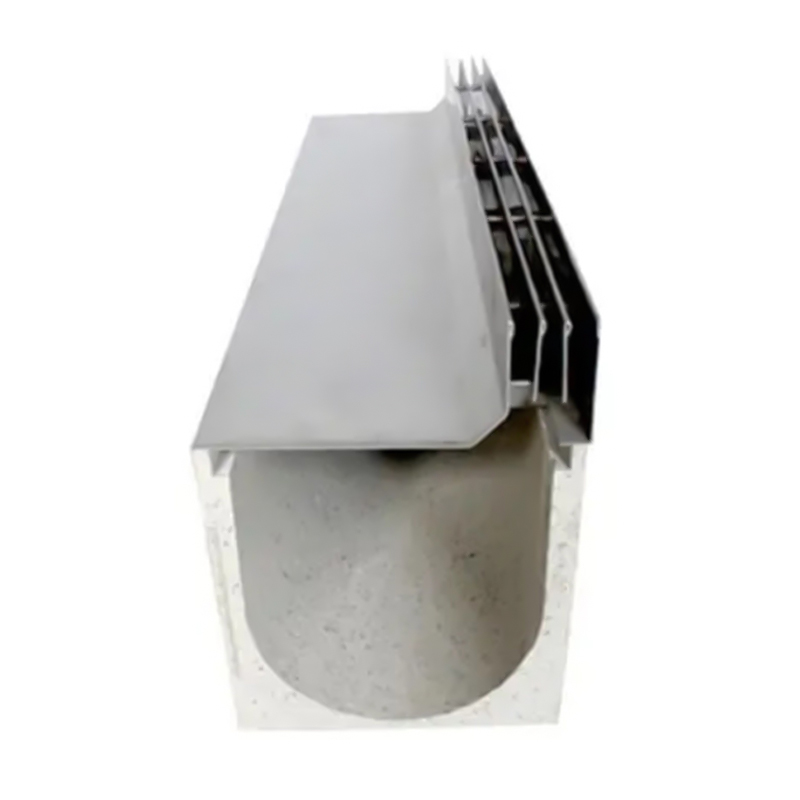
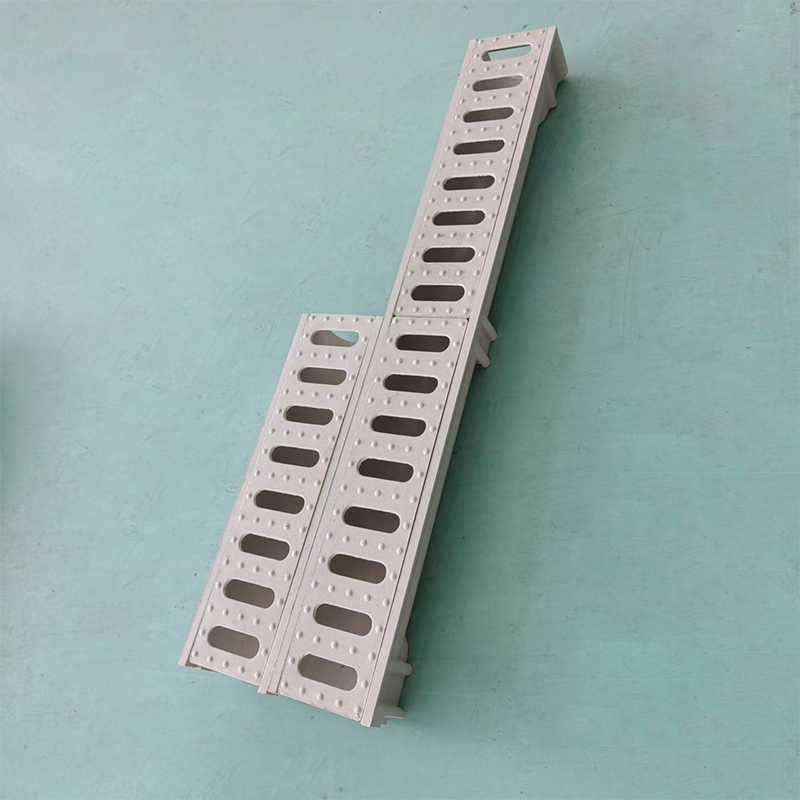
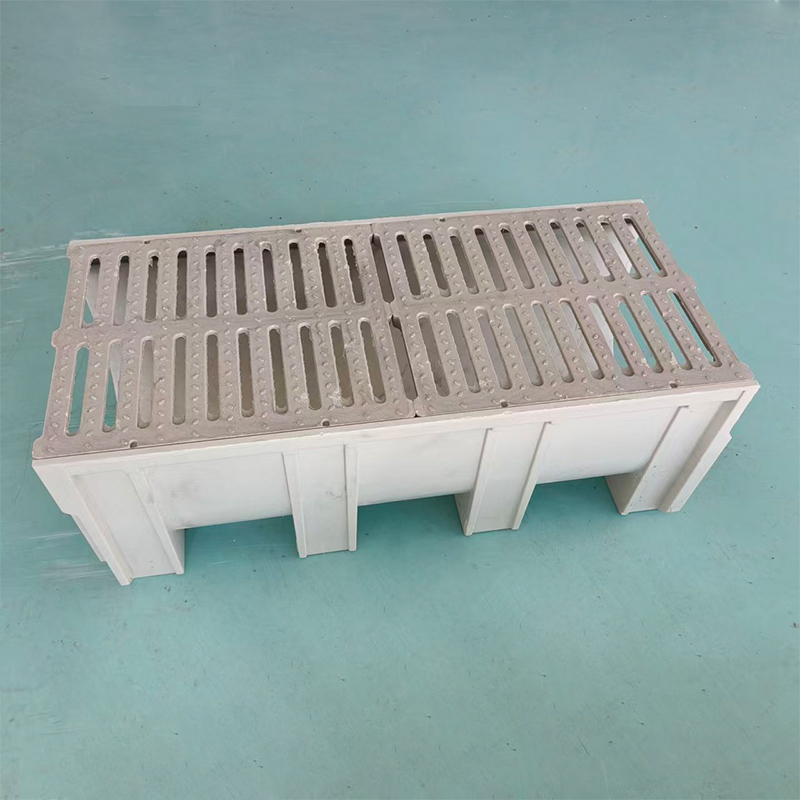
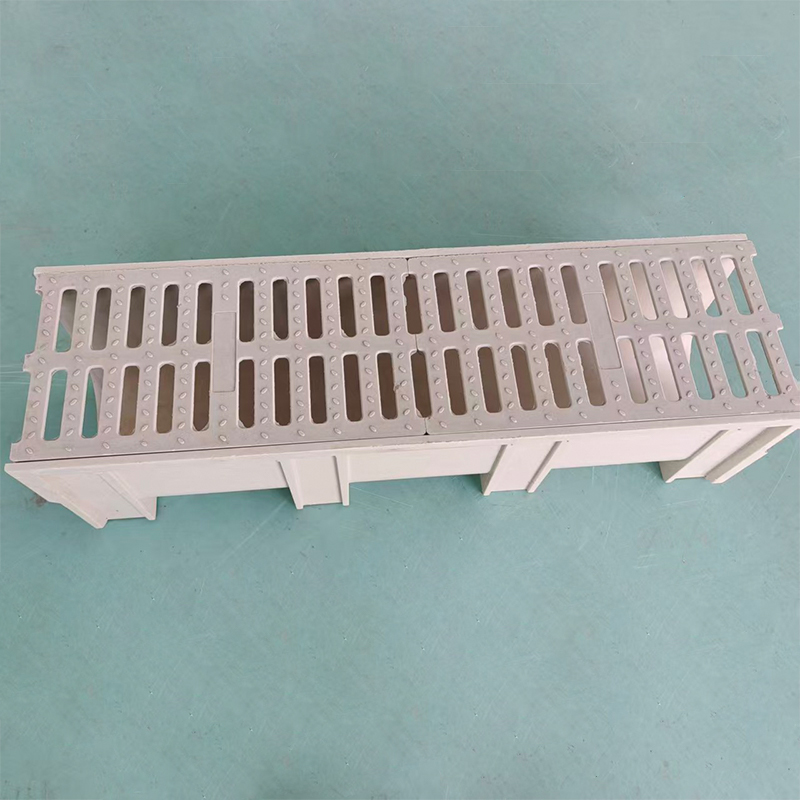
The precast drainage channel that is not easily clogged is a factory-manufactured linear drainage component used to collect, guide, and discharge surface water. It is typically installed at pavement edges, along curbs, beside sidewalks, across entrances, around parking areas, near loading docks, in factory yards, or in any area where surface water must be controlled. The channel is formed as a durable trench section with a designed internal waterway, and it is usually paired with a cover plate or grate that allows water to enter while keeping larger objects out.
The product is engineered for efficient water management in high-flow areas. Its anti-clog concept does not mean that no drainage system will ever require cleaning; rather, it means the channel is designed to reduce the conditions that commonly cause blockage. Smooth internal surfaces, appropriate slopes, stable joint alignment, suitable grate openings, and accessible covers all help water and fine particles pass through the drainage line more effectively. When maintenance is required, the removable grate structure makes cleaning faster and less disruptive.
As a precast system, it provides a high level of quality control. Each section is manufactured using prepared molds, measured raw materials, controlled curing procedures, and inspection standards. This consistency helps ensure that multiple channel sections fit together properly on site. In contrast, traditional cast-in-place drainage ditches may depend heavily on site labor skill, weather conditions, concrete placement quality, formwork accuracy, and curing conditions. Factory production reduces these uncertainties and supports a more predictable project schedule.
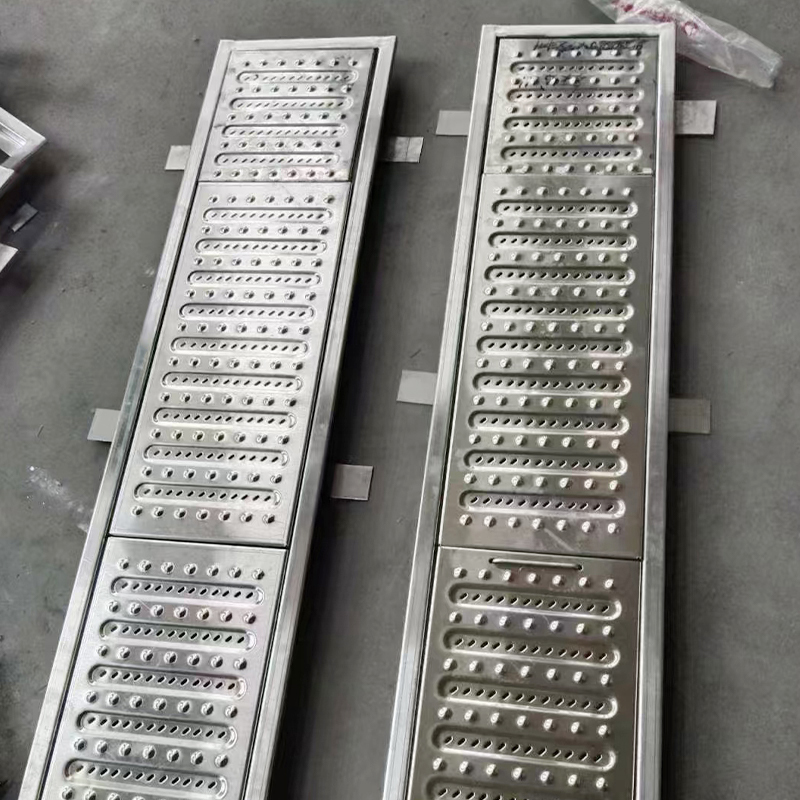
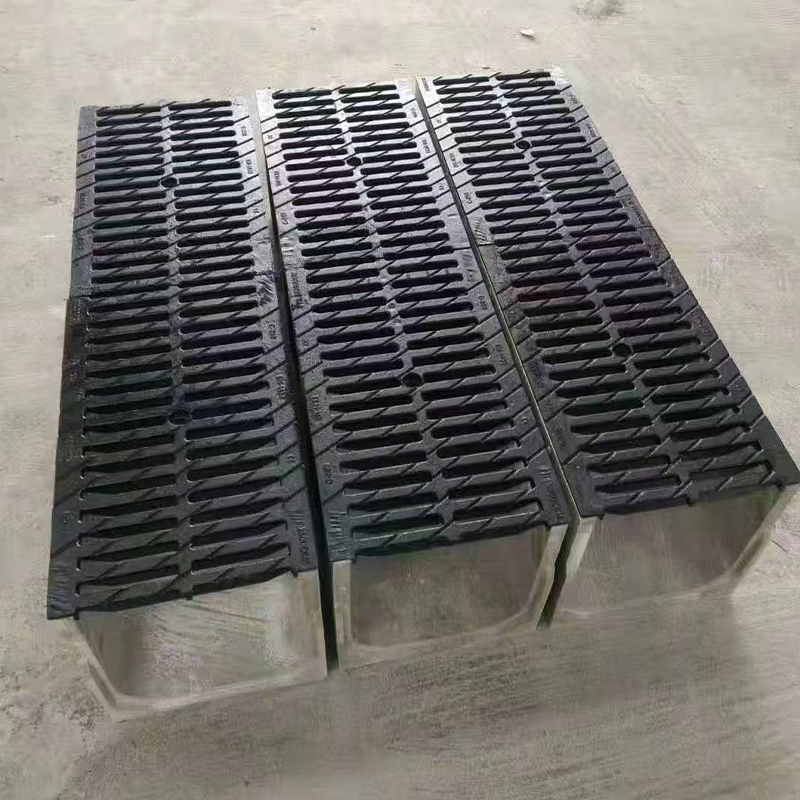
The system may be produced from reinforced concrete or polymer concrete, depending on the engineering requirements. Reinforced concrete provides strength, durability, and proven performance in road and civil infrastructure. Polymer concrete can offer high compressive strength, lower water absorption, improved chemical resistance, and smoother internal surfaces. Cover plates may include ductile iron grates, stainless steel stamped plates, steel gratings, resin concrete cover plates, resin composite covers, or other customized solutions. This material flexibility allows the drainage channel to serve light pedestrian zones, medium-duty parking areas, heavy-duty traffic locations, and industrial environments.
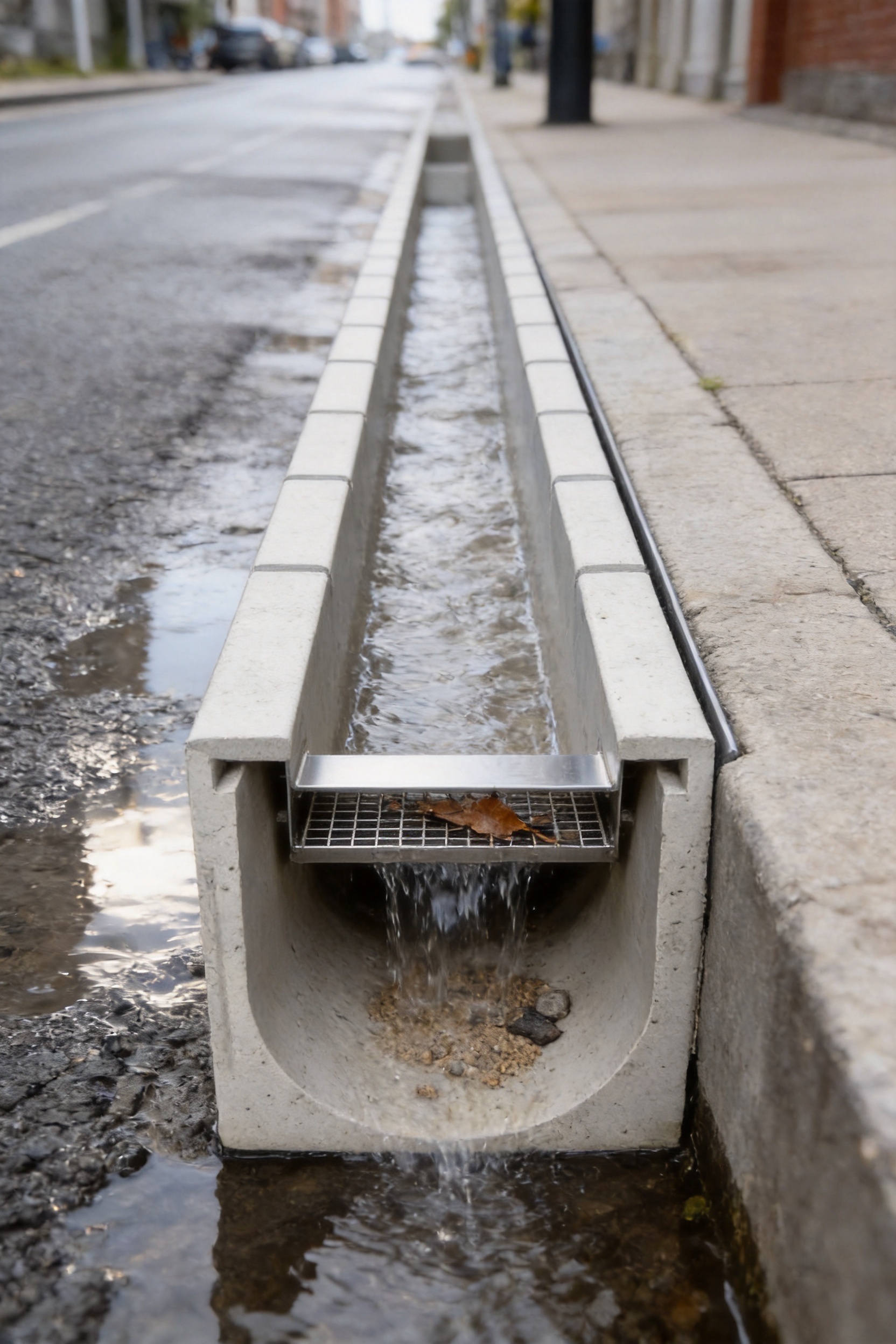
Clogging is one of the most common failures in surface drainage systems. Even when a channel is designed with sufficient flow capacity on paper, debris accumulation can reduce the actual opening area and create a bottleneck. Leaves may gather on top of grates, sand may settle at low points, mud may harden in corners, and small waste materials may obstruct outlets. Once the water path is partially blocked, stormwater begins to pond. Ponding water can damage asphalt, weaken subgrade structures, create hydroplaning risks for vehicles, and accelerate freeze-thaw damage in cold climates.
In urban and industrial areas, the problem becomes more serious because surface runoff often contains mixed debris. Roads carry tire particles, dust, gravel, leaves, and litter. Construction sites may produce sand and cement residue. Logistics parks may have packaging fragments and fine soil. Industrial yards may face oils, chemicals, and heavy vehicle loads. A drainage channel in such an environment must not only collect water; it must remain functional under real operating conditions.
The anti-clog precast drainage channel is developed with this reality in mind. The channel shape is designed to encourage continuous flow rather than stagnant zones. The grate or cover plate can be selected so that it allows rapid water entry while limiting the size of debris that can enter. The precast sections are aligned accurately to reduce joint steps where sediment might collect. The removable cover arrangement allows workers to access the channel quickly for inspection. These features combine to reduce the frequency and difficulty of maintenance.
For project owners, the benefit is not limited to drainage efficiency. A drainage system that resists clogging can reduce emergency response costs after heavy rain, limit complaints from users, protect pavement investment, reduce liability risk, and extend the life of the overall site infrastructure. In many projects, the cost of poor drainage becomes visible only after several rainy seasons. Choosing a high-quality anti-clog channel at the construction stage is therefore a long-term asset protection decision.
The internal shape of the drainage channel is one of the most important factors in resisting clogging. A well-designed channel encourages water velocity, reduces dead corners, and supports the movement of fine sediment toward the outlet or collection point. Traditional rectangular or poorly finished ditches may create areas where sand and debris settle. By contrast, an optimized precast profile can help maintain a cleaner flow path.
The channel is designed with attention to hydraulic continuity. When sections are connected, the joint alignment should remain smooth so that water can pass without turbulence caused by mismatched edges. The bottom profile should allow sediment to be carried away under normal rainfall rather than accumulating in pockets. In applications with higher sediment loads, design coordination can include catch basins or inspection points at suitable intervals.
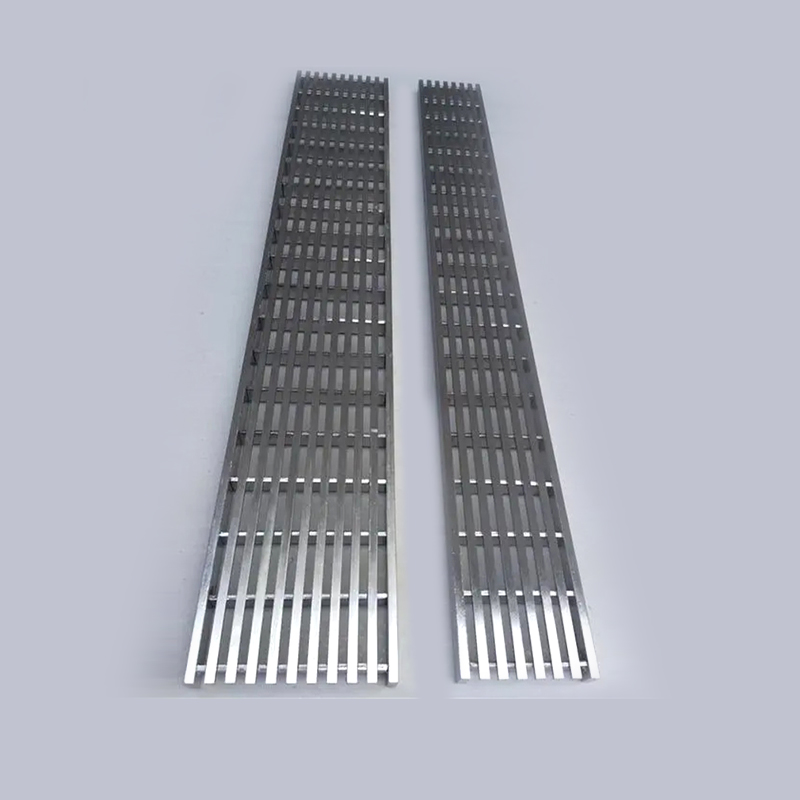
The cover plate or grate plays a central role in performance. It must permit water to enter rapidly while preventing large debris from entering the channel. The anti-clog drainage channel can be paired with cover plates such as ductile iron grates, stainless steel stamped covers, steel gratings, resin concrete covers, resin composite covers, or other selected solutions. Each option has its own advantages.
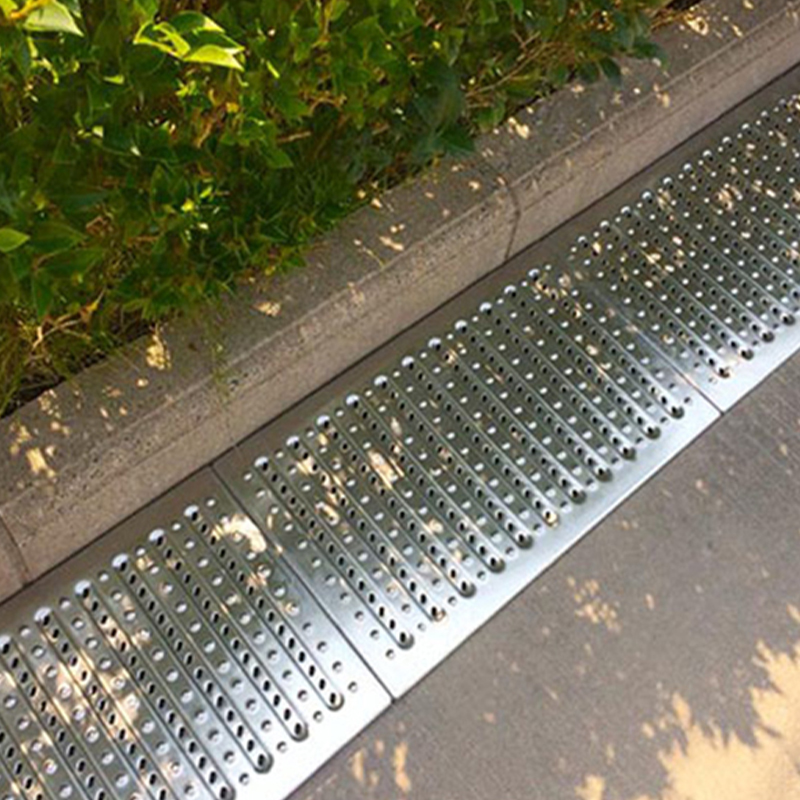
Ductile iron cover plates are suitable for many road and heavy-load applications because of their strength and impact resistance. Stainless steel stamped plates offer a clean appearance and corrosion resistance for commercial streets, pedestrian areas, and architectural projects. Steel gratings can provide high open area for rapid water entry. Resin composite covers can reduce weight and resist corrosion. Resin concrete covers may provide integrated appearance and material compatibility. The ability to match the cover plate to the project environment gives the product an advantage over one-size-fits-all drainage systems.
No drainage channel should be designed as if maintenance will never be required. A practical drainage product must allow cleaning without excessive labor, special demolition, or long service interruption. The removable grate design allows workers to lift the cover, inspect the waterway, remove accumulated debris, and restore operation quickly. This is especially important for parking lots, municipal roads, and industrial areas where downtime can create traffic or operational problems.
Because the channel resists clogging by design, the maintenance frequency can be reduced. When cleaning is needed, the accessible construction lowers the effort required. This combination of reduced maintenance frequency and easier maintenance process is a major life-cycle advantage.
The drainage channel is manufactured as modular precast sections. This modular concept improves installation speed and construction efficiency. Instead of building long cast-in-place ditches with formwork, reinforcement placement, concrete pouring, finishing, curing, and repeated dimensional checks, contractors can position factory-made channel units along the designed route. The modular sections support consistent width, depth, joint geometry, and cover plate seating.
Faster installation is valuable in road works, renovation projects, commercial developments, and industrial upgrades because construction time directly affects traffic, business operations, and labor costs. Modular precast drainage also helps reduce weather-related delays. While site preparation and bedding still require proper workmanship, the main channel body has already been manufactured under controlled conditions.
Reinforced concrete is widely used in infrastructure because it combines compressive strength, durability, and cost effectiveness. For drainage channels exposed to vehicle loads, soil pressure, and environmental stress, reinforced concrete offers proven performance. Steel reinforcement can be arranged according to load requirements, helping the channel resist cracking and deformation. Proper concrete mix design and curing improve long-term durability.
In heavy-use areas such as road edges, truck routes, bus stops, loading docks, and industrial yards, reinforced concrete channels can provide the structural capacity needed for daily service. When paired with suitable cover plates, the system can support demanding load conditions while continuing to remove stormwater efficiently.
Polymer concrete is another effective material option for drainage channels. It generally provides high compressive strength, a smooth internal surface, low water absorption, and resistance to many chemical exposures. The smoother surface can improve hydraulic flow and reduce sediment adhesion, supporting the anti-clog objective. Low water absorption can help reduce freeze-thaw deterioration and chemical penetration in harsh environments.
Polymer concrete may be especially useful in areas where chemical resistance, reduced section weight, or high precision is important. It is commonly considered for commercial plazas, industrial sites, food processing facilities, chemical plants, and high-performance drainage systems. The availability of both reinforced concrete and polymer concrete options allows the drainage channel system to be adapted to a broad range of engineering conditions.
A drainage channel is only as effective as its surface inlet system. Cover plate selection must consider water intake capacity, load class, anti-slip performance, corrosion resistance, appearance, theft resistance, noise control, and maintenance access. The product can be combined with a variety of cover plate solutions, including ductile iron cover plates, stainless steel stamped cover plates, steel gratings, resin composite manhole covers, stainless steel manhole covers, ductile iron manhole covers, and related drainage accessories.
For roads and heavy-duty areas, ductile iron and steel options often provide excellent strength. For commercial pedestrian environments, stainless steel and architectural grates can improve appearance while maintaining performance. For corrosion-prone or weight-sensitive conditions, resin composite materials may be advantageous. This flexibility gives designers and purchasers more control over the final drainage system.
The performance of a precast drainage channel depends heavily on the manufacturing process. Jiangsu Yameng Traffic Road Facilities Co., Ltd. operates with a focus on drainage ditch projects and GRC customization, supported by professional designers, mold designers, CNC engravers, and an experienced production and construction technical team. This combination of design, mold development, precision processing, production experience, and construction support provides a strong foundation for producing reliable drainage products.
The manufacturing process begins with project understanding and design confirmation. Engineers and designers review the intended application, drainage capacity requirements, installation environment, cover plate selection, load conditions, and dimensional needs. For standard projects, existing channel specifications may be selected. For customized projects, detailed drawings and mold designs can be developed. This ability to provide design and customization services is an important competitive strength, especially for projects that require special lengths, special cover styles, unusual site geometry, or integration with architectural GRC components.
Mold accuracy is critical for precast drainage channels. A high-quality mold ensures consistent channel dimensions, stable cover plate seating, clean edges, and accurate joint interfaces. The company’s mold designers and CNC engraving capabilities support precise mold production. CNC processing helps create molds with repeatable accuracy, which directly affects the installation quality of the final channel sections. When channel sections are uniform, contractors can align them more easily, and the final drainage line is more likely to maintain smooth hydraulic performance.
Material preparation is another key stage. Reinforced concrete or polymer concrete must be mixed according to controlled proportions. Aggregates, cementitious materials, polymers, additives, reinforcement, and other components must be selected and measured carefully. Proper mixing affects strength, surface quality, water resistance, and durability. For reinforced concrete products, reinforcement placement must follow the designed arrangement to achieve structural performance. For polymer concrete products, resin content, aggregate grading, and curing control are important factors.
After the material is placed into molds, compaction and finishing procedures help remove voids and improve surface quality. A smooth internal channel surface is particularly valuable for anti-clog performance because rough surfaces can trap sediment and slow water movement. Controlled curing allows the product to develop strength and dimensional stability. Factory curing is generally more predictable than site curing because temperature, timing, handling, and inspection can be managed more effectively.
Quality inspection should include dimensional checks, surface inspection, strength-related assessment, cover plate fit verification, and joint compatibility confirmation. Finished sections should be evaluated before delivery so that problems are addressed in the factory rather than on the construction site. This reduces installation delays and improves project reliability.
The company’s broader product range also strengthens its manufacturing capability. Products such as linear drainage ditches, finished drainage ditches, polymer-based drainage ditches, slot drainage ditches, U-shaped drainage ditches, drainage pipes, PE pipes, and multiple manhole cover solutions indicate experience across different drainage applications. This broad experience helps the technical team understand how channel geometry, cover selection, pipe connection, and site construction work together as a complete water management system.
The anti-clog precast drainage channel offers advantages in design, production, installation, maintenance, and life-cycle value. Many traditional drainage systems focus primarily on channel size, but size alone does not guarantee performance. A large channel can still clog if the grate design is poor, the internal surface is rough, the slope is insufficient, or the system is difficult to clean. The product described here addresses practical performance from multiple angles.
| Comparison Item | Anti-Clog Precast Drainage Channel | Common Cast-in-Place Ditch or Basic Channel | Practical Benefit |
|---|---|---|---|
| Clog Resistance | Optimized channel shape, suitable grate options, smoother flow path, accessible cleaning | May have rough surfaces, poor joint control, or debris-prone corners | Lower blockage risk and more stable drainage during heavy rain |
| Dimensional Accuracy | Factory-produced with controlled molds and repeatable dimensions | Highly dependent on site formwork and labor skill | Easier alignment and more predictable installation quality |
| Installation Speed | Modular sections can be placed quickly after site preparation | Requires formwork, pouring, finishing, and curing on site | Reduced construction time and labor demand |
| Material Options | Reinforced concrete or polymer concrete with multiple cover plate choices | Often limited by local casting method or standard materials | Better adaptation to load, corrosion, appearance, and budget needs |
| Maintenance | Removable grates and cleaner internal profile support easier inspection | Cleaning may be difficult if covers are fixed or access is limited | Reduced maintenance time and lower long-term operating cost |
| Quality Control | Produced under controlled factory conditions with inspection before delivery | Quality varies with weather, curing, and on-site workmanship | More consistent strength, finish, and fit |
One of the strongest advantages is the combination of anti-clog design and precast quality. Some drainage products may be precast but not specifically designed to reduce clogging. Others may claim hydraulic performance but lack consistent manufacturing quality. This product combines both priorities, giving project owners a drainage channel that is not only strong and convenient to install but also easier to keep functioning over time.
Another advantage is customization capability. Many competing products are limited to standard dimensions and standard grates. In real projects, drainage lines must often coordinate with existing pavement levels, road slopes, manhole positions, pipe outlets, landscape design, and architectural requirements. A manufacturer with design, mold, CNC, production, and construction support can respond more effectively to such needs. Customization can improve system fit, reduce field modification, and support better final performance.
The product also offers an advantage in total cost of ownership. A cheaper basic drainage channel may appear attractive during procurement, but if it clogs frequently, requires repeated cleaning, causes flooding, or needs early repair, the total cost becomes higher. A reliable anti-clog precast channel may reduce maintenance interventions, protect pavement, reduce operational disruption, and provide longer service value. For municipal and commercial projects, these long-term savings can be more important than the initial unit price.
Road drainage requires fast removal of stormwater to maintain traffic safety. Standing water can cause hydroplaning, reduce visibility, hide pavement defects, and increase accident risk. Roadside drains are also exposed to sediment, leaves, litter, and vehicle loads. The anti-clog precast drainage channel is suitable for road edges, intersection drainage, bus lanes, tunnel entrances, and other urban street applications. When paired with strong ductile iron or steel cover plates, it can provide both drainage capacity and load resistance.
Parking lots experience concentrated runoff from large paved surfaces. They also collect sand, leaves, oil residue, and small waste materials. If drainage is poor, water can pond around parked vehicles, entrances, pedestrian crossings, and storefronts. The precast drainage channel helps collect runoff along planned drainage lines and move it toward outlets. Its removable cover system makes it easier for property managers to perform periodic cleaning, especially before and after rainy seasons.
In pedestrian areas, drainage systems must combine performance with appearance and safety. Grate openings should be selected to reduce tripping risks and support comfortable walking. Stainless steel stamped cover plates or architectural grates may be suitable where appearance is important. The channel can be integrated into sidewalks, plazas, parks, public buildings, and commercial streets to reduce surface water while maintaining a clean visual effect.
Industrial sites often place heavy demands on drainage systems. Forklifts, trucks, loaders, and other equipment create load stress. Runoff may include sediment, oil, process residue, or chemical exposure. The anti-clog precast drainage channel can be designed with suitable materials and cover plates to address these conditions. Polymer concrete may be selected where chemical resistance and low water absorption are important, while reinforced concrete can serve heavy-duty structural needs.
Municipal stormwater systems require drainage products that can be deployed efficiently across many locations. Precast modular channels support faster installation and consistent results. The anti-clog design helps reduce maintenance burden for city management teams. When coordinated with drainage pipes, manholes, catch basins, and outfalls, the channel becomes part of a comprehensive stormwater control network.
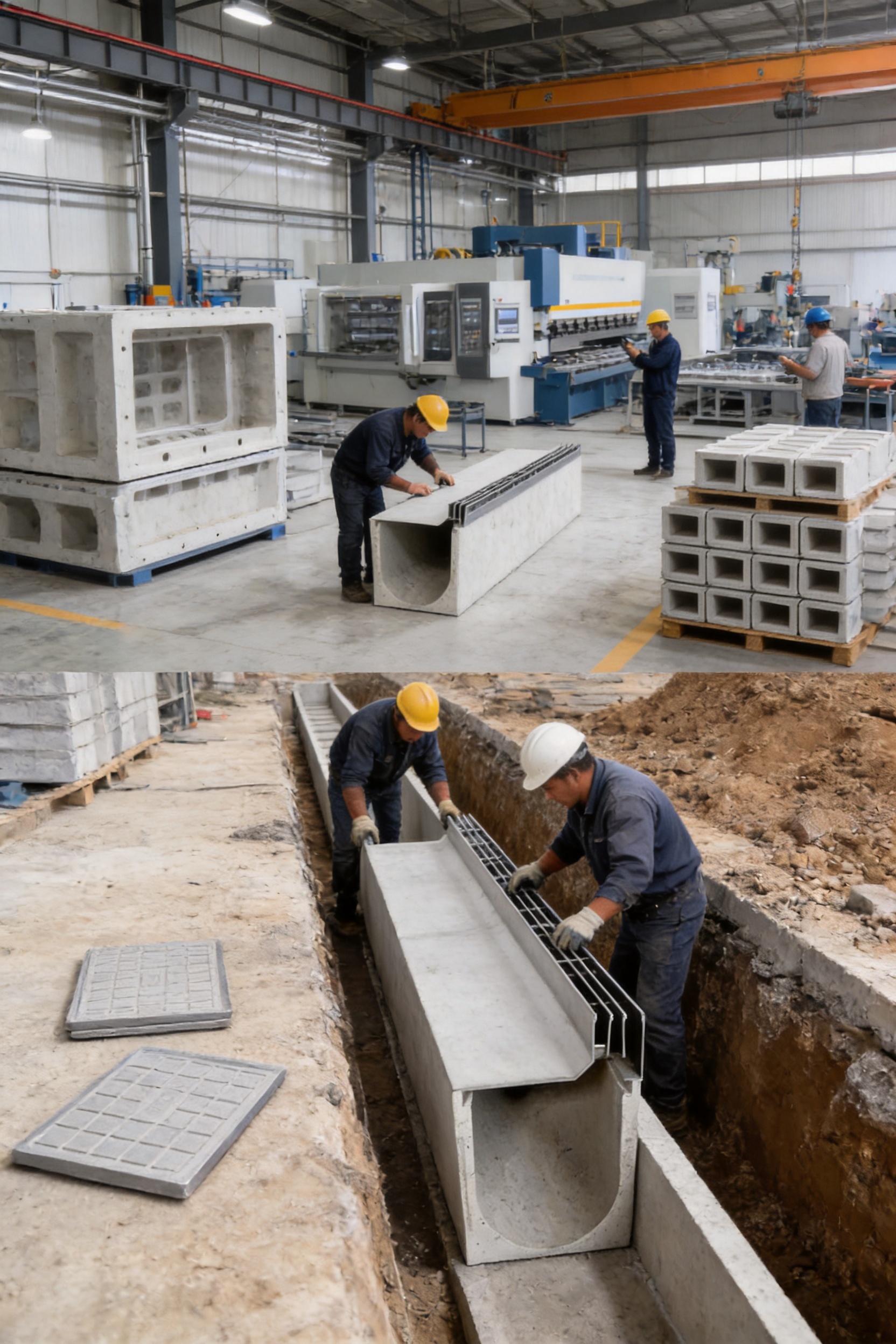
Correct installation is essential for any drainage channel. Even a well-designed product can underperform if installed without proper slope, support, alignment, or outlet connection. Before installation, the project team should confirm the drainage route, elevation, load requirements, soil conditions, bedding method, and connection details. The channel line should be designed to guide water toward a suitable outlet without creating low points where sediment can accumulate.
Site preparation usually includes excavation to the required depth and width, preparation of a stable base, and placement of bedding or concrete support according to engineering requirements. The precast channel sections are then positioned in sequence. Because the units are factory manufactured, they should align accurately when the base is properly prepared. Joints should be checked to ensure a smooth internal transition. Cover plates should seat firmly without rocking or uneven gaps.
For vehicle traffic areas, edge support and surrounding concrete encasement may be necessary to transfer loads properly. The load class of the cover plate and channel body should match the expected service environment. Pedestrian areas, parking lots, light vehicle roads, heavy truck zones, and industrial loading yards may each require different structural designs. Proper selection prevents premature cracking, cover deformation, noise, or displacement.
The outlet connection must be planned carefully. A drainage channel that collects water efficiently still needs a properly sized outlet, pipe, or collection chamber. If the outlet is too small or poorly positioned, water can back up inside the channel. For long drainage runs, inspection points or sediment collection elements may be added to support maintenance. The anti-clog channel reduces blockage risk, but the entire drainage network must be designed as a complete system.
Maintenance requirements vary according to site conditions. A tree-lined street may receive heavy leaf fall, while an industrial yard may collect sand and dust. A parking lot near construction activity may experience more sediment than a finished commercial plaza. The advantage of the anti-clog precast drainage channel is that it reduces the likelihood of rapid blockage and allows easier cleaning when necessary.
Routine maintenance can include visual inspection of cover plates, removal of surface debris, checking water flow after rainfall, and periodic lifting of grates to inspect the internal channel. In areas with seasonal leaf fall or heavy sediment, cleaning before the rainy season is recommended. If the channel is part of a larger stormwater system, outlets, catch basins, and downstream pipes should also be checked.
Because the channel body is durable and factory formed, long-term performance is supported by consistent material quality and stable geometry. Reinforced concrete provides structural durability under many standard civil conditions. Polymer concrete can improve resistance to water absorption and chemical exposure. Cover plates should be inspected for damage, corrosion, looseness, or deformation. Replacing or upgrading cover plates is often easier than reconstructing the entire drainage line, which adds flexibility over the life of the facility.
Life-cycle value is one of the strongest reasons to choose a higher-quality drainage channel. Initial purchase cost is only one part of total cost. Maintenance labor, cleaning frequency, flood damage, pavement repair, traffic disruption, public complaints, and replacement expenses all affect real value. A drainage system that remains functional with less intervention provides long-term economic benefit.
Jiangsu Yameng Traffic Road Facilities Co., Ltd. is located in Nantong, Jiangsu Province, China, with convenient transportation and waterway access. This location supports efficient material supply, production organization, and product delivery. The company focuses on drainage ditch projects and GRC customization, serving customers with a foundation of integrity and quality. Its wide product scope includes linear drainage ditches, finished drainage ditches, polymer-based drainage ditches, slot drainage ditches, U-shaped drainage ditches, ductile iron cover plates, stainless steel stamped cover plates, steel gratings, resin concrete cover plates, resin composite manhole covers, stainless steel manhole covers, ductile iron manhole covers, drainage pipes, PE pipes, and related products.
The company’s strength is not limited to manufacturing individual channel sections. It can provide complete services from detailed design, drawings, mold making, production, on-site construction, and after-sales support. This full-process capability is important for customers who need more than a standard product list. Drainage projects often require coordination between engineering drawings, site dimensions, material choices, cover plate requirements, and installation methods. A supplier with technical service capacity can help reduce mistakes and improve final project quality.
Professional designers help interpret customer requirements and transform them into feasible product and installation solutions. Mold designers ensure that customized components can be produced accurately. CNC engravers support precision mold manufacturing, which improves consistency and appearance. Experienced production teams understand material behavior, curing requirements, demolding, finishing, and quality inspection. Construction technical teams can support installation guidance and practical problem solving at the site level. After-sales support helps customers maintain confidence after delivery.
This manufacturing and service structure creates advantages over suppliers that only sell standard drainage components. For complex municipal works, commercial developments, architectural landscapes, and industrial sites, technical coordination can be the difference between a drainage system that merely fits on paper and one that performs reliably in daily use. The anti-clog precast drainage channel benefits directly from this integrated capability.
Although the featured product is a precast drainage channel, the company’s GRC series capability expands the range of supporting solutions for architectural and infrastructure projects. GRC, or glass fiber reinforced concrete, is valued for its moldability, strength-to-weight characteristics, and ability to create customized forms. In drainage and urban construction, GRC-related expertise is useful because many projects require special profiles, decorative edges, customized covers, landscape integration, and architectural coordination.
The availability of professional designers, mold designers, CNC engravers, and experienced production personnel makes it possible to create components that meet both technical and aesthetic requirements. For example, a public plaza may require drainage channels that align with stone paving patterns. A commercial building entrance may require a slim slot drainage appearance. A municipal street upgrade may require cover plates that combine water intake, anti-slip surface, and visual consistency. GRC and mold customization capability helps support these specialized requirements.
In this sense, the anti-clog precast drainage channel is not an isolated product. It can be part of a broader engineered package that includes cover plates, manhole covers, drainage pipes, PE pipes, and customized construction components. Customers can benefit from coordinated product selection rather than sourcing unrelated parts from multiple suppliers.
Choosing the correct drainage channel requires understanding the site. The first factor is water volume. Designers should estimate runoff based on catchment area, rainfall intensity, surface slope, and drainage layout. The channel size and number of outlets should be selected accordingly. A channel that is too small may overflow during storms, while a properly sized channel with anti-clog features will provide more reliable performance.
The second factor is load condition. Pedestrian sidewalks, passenger car parking lots, city roads, heavy truck yards, and industrial loading zones all impose different structural demands. The channel body, cover plate, bedding, and surrounding concrete support must be selected as a system. Strong cover plates alone are not enough if the channel body or installation support is inadequate.
The third factor is debris type. Areas with leaves require grate designs that reduce surface accumulation and allow easy removal. Areas with sand and silt require channel slopes and inspection access that support sediment management. Industrial areas may require chemical-resistant materials. Public areas may require safer grate openings for pedestrians, bicycles, wheelchairs, and strollers.
The fourth factor is appearance. Drainage is a functional requirement, but in commercial streets, parks, plazas, and building entrances, visual integration matters. Stainless steel covers, slot drainage designs, or customized GRC-related components may improve the final appearance. A well-designed drainage system should manage water without disrupting the architectural character of the space.
The fifth factor is maintenance planning. A drainage channel should be designed with realistic access points. Removable covers, inspection chambers, and accessible outlets make long-term operation easier. Selecting an anti-clog channel reduces maintenance burden, but it should still be installed in a way that allows future cleaning.
Reliable drainage contributes to sustainable infrastructure by protecting pavement, reducing repair frequency, and improving safety. Flooded surfaces can accelerate material deterioration and lead to repeated maintenance work. By moving water away efficiently, the precast drainage channel helps extend the life of roads, parking lots, sidewalks, and industrial pavements.
Precast production can also improve resource efficiency. Factory manufacturing allows better material control, reduced waste, repeatable molds, and organized curing. Modular installation can reduce on-site construction time and disturbance. Durable materials reduce replacement frequency. Maintenance-friendly design reduces repeated emergency cleaning and associated labor and equipment use.
Stormwater management is increasingly important as cities face heavier rainfall events and more paved surfaces. Drainage channels that resist clogging support urban resilience. They help prevent small drainage failures from becoming larger flooding problems. When used as part of a complete stormwater system, they contribute to safer and more dependable public infrastructure.
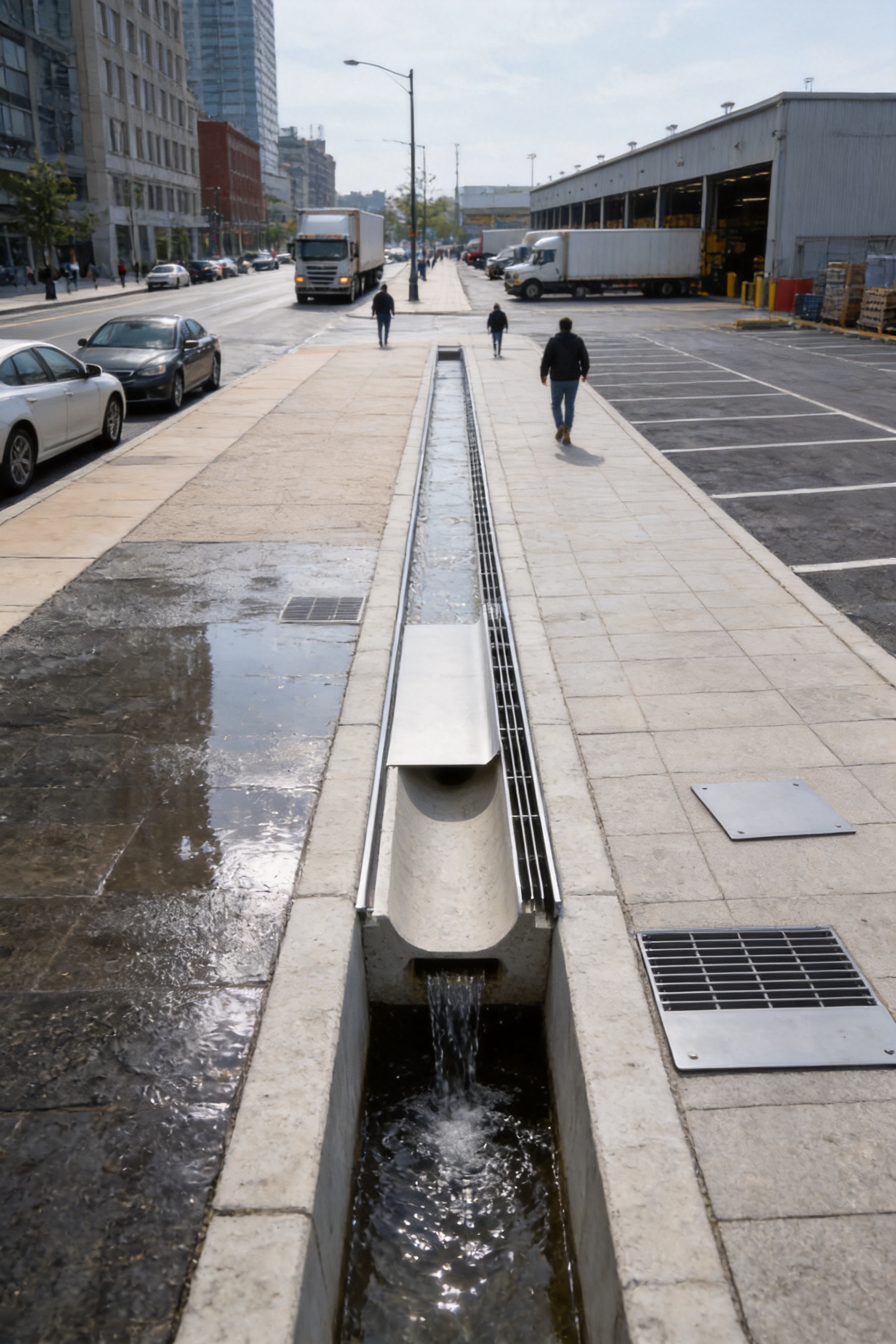
The channel is designed with an optimized internal waterway, suitable grate or cover plate options, smooth factory-formed surfaces, accurate modular joints, and removable covers for easy cleaning. These features reduce debris accumulation and help maintain continuous water flow.
No drainage system is completely maintenance-free. Anti-clog design means the channel reduces blockage risk and makes cleaning easier when maintenance is required. Periodic inspection is still recommended, especially in areas with leaves, sand, or heavy debris.
The channel can be made from reinforced concrete or polymer concrete, depending on the project requirements. Reinforced concrete is strong and widely used in infrastructure, while polymer concrete can offer high strength, smooth surfaces, low water absorption, and improved chemical resistance.
Cover plate options may include ductile iron cover plates, stainless steel stamped cover plates, steel gratings, resin concrete cover plates, resin composite covers, stainless steel manhole covers, ductile iron manhole covers, and customized solutions. The best choice depends on load, appearance, corrosion resistance, and water intake requirements.
It is suitable for roads, parking lots, sidewalks, industrial sites, logistics yards, commercial plazas, municipal stormwater systems, building entrances, and other areas requiring reliable surface water drainage.
Precast sections are manufactured in a factory before delivery to the site. This reduces on-site formwork, pouring, finishing, and curing work. Modular sections can be installed faster, helping save labor and shorten construction schedules.
Factory manufacturing provides better control over dimensions, materials, curing, surface finish, and inspection. Cast-in-place construction can be affected by weather, labor variability, formwork accuracy, and site conditions. Precast production creates more consistent products.
Yes. With design, drawing, mold-making, CNC engraving, production, construction, and after-sales capabilities, customized drainage channel solutions can be developed for special dimensions, cover plate requirements, architectural integration, and project-specific conditions.
Compared with ordinary drainage ditches, the anti-clog precast channel provides better dimensional accuracy, faster installation, smoother water flow, easier maintenance, more material options, and stronger quality control. These advantages can reduce long-term maintenance costs and improve drainage reliability.
Important factors include expected water volume, site slope, load class, debris type, cover plate material, corrosion exposure, appearance requirements, outlet capacity, installation method, and maintenance access. Selecting the right system ensures better long-term performance.
The precast drainage channel that is not easily clogged is a practical, durable, and efficient solution for modern stormwater management. It addresses one of the most common drainage problems by combining anti-clog hydraulic design, reliable grate options, factory-controlled precast quality, durable materials, modular installation, and easy maintenance. For roads, parking lots, sidewalks, industrial sites, and urban stormwater networks, these features help reduce flooding risk, protect pavement, improve safety, and lower long-term operating costs.
Its advantages over many conventional drainage systems are clear. It is easier to install than cast-in-place ditches, more consistent in dimension, more adaptable in material and cover plate selection, and more maintenance-friendly. Its anti-clog performance is supported not by a single feature but by a complete design philosophy that considers water flow, debris control, access, strength, and long-term service.
Behind the product is a manufacturing and service capability that includes drainage project experience, GRC customization, professional design, mold design, CNC processing, production expertise, construction support, and after-sales service. This integrated strength allows the product to meet both standard and customized project needs. For customers seeking a drainage channel that delivers reliable performance in demanding environments, the anti-clog precast drainage channel provides a strong balance of engineering value, installation efficiency, durability, and life-cycle economy.
American Concrete Institute. Guide to Design and Construction of Concrete Drainage Structures.
ASTM International. Standard Specifications and Test Methods for Precast Concrete and Polymer Concrete Drainage Products.
British Standards Institution. Drainage Channels for Vehicular and Pedestrian Areas: Classification, Design, and Testing Principles.
Federal Highway Administration. Urban Drainage Design Manual and Stormwater Management Guidance.
International Association for Hydro-Environment Engineering and Research. Hydraulic Design Principles for Surface Drainage Systems.
Portland Cement Association. Design and Control of Concrete Mixtures.
Water Environment Federation. Stormwater Infrastructure Maintenance and Best Practice Guidelines.
Related Products
Engineered specifically for harsh environmental conditions, the Weatherproof Outdoor GRC door and wi...
READ MOREEngineered specifically for harsh environmental conditions, the Weatherproof Outdoor GRC door and wi...
READ MOREEngineered specifically for harsh environmental conditions, the Weatherproof Outdoor GRC door and wi...
READ MOREEngineered specifically for harsh environmental conditions, the Weatherproof Outdoor GRC door and wi...
READ MOREEngineered specifically for harsh environmental conditions, the Weatherproof Outdoor GRC door and wi...
READ MOREEngineered specifically for harsh environmental conditions, the Weatherproof Outdoor GRC door and wi...
READ MORE
Contact us
Factory Address
Group 12, Quanxin Village, Donghai Town, Qidong City, Nantong City, Jiangsu Province, China
phone
+86-13914963840
+86-13451754670
products
QR CODE
 Wholesale Drainage Ditch Manufacturers