 English
 Español
 عربى
عربى
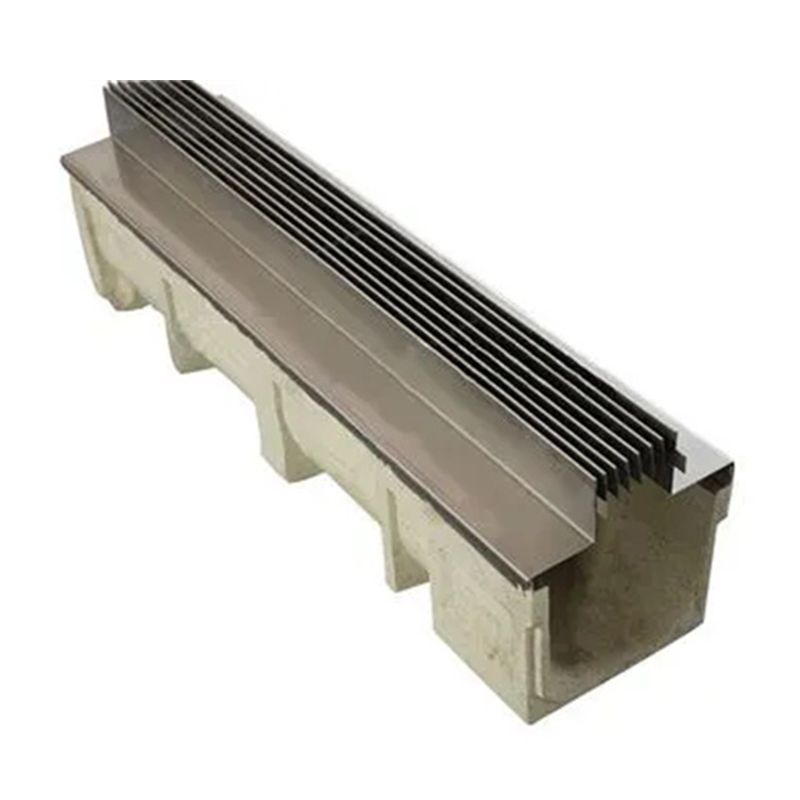
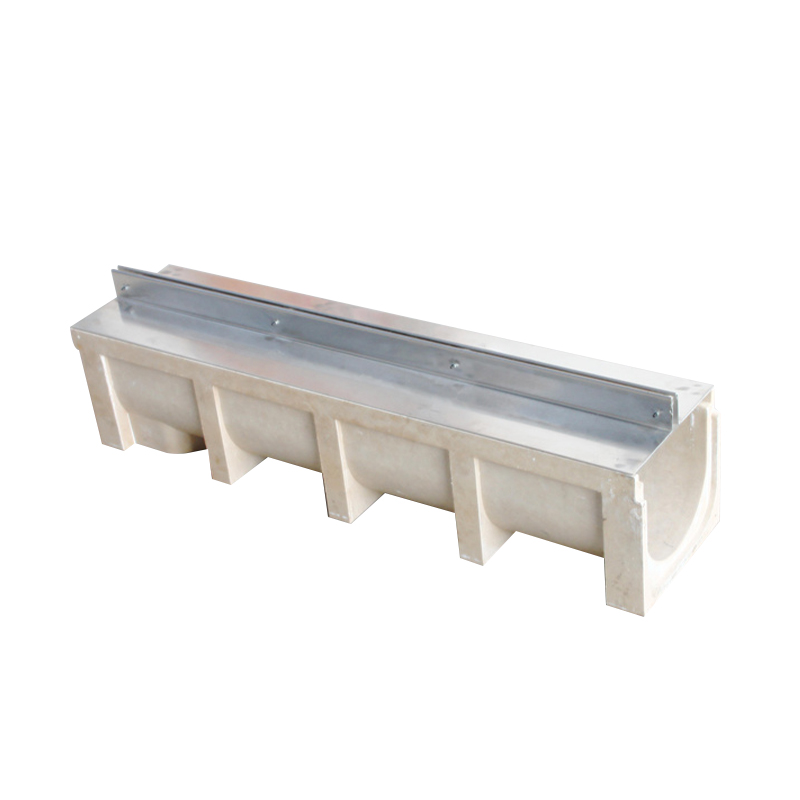
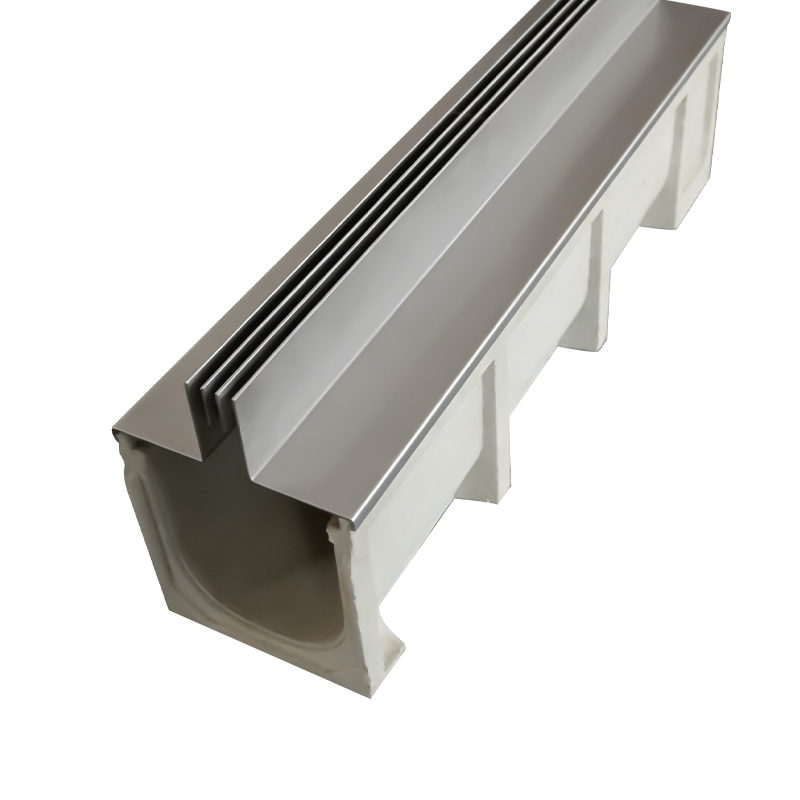
Our Modular GRC System merges installation speed with long-term durability, providing a high-perform...
READ MOREJun 22, 2026
Content
For most pedestrian areas, a narrow-width Linear drainage channel is the better choice because it provides sufficient drainage capacity while improving pedestrian comfort, enhancing visual appeal, and reducing installation costs. However, a wide-width Linear drainage channel becomes the preferred solution when the area experiences heavy rainfall, large volumes of surface runoff, or significant debris accumulation.
In general, pedestrian walkways, plazas, courtyards, public squares, parks, and residential pathways rarely require the maximum water intake capacity offered by wider channels. Therefore, narrow-width systems are often selected because they achieve a balance between effective drainage and user-friendly design. The final decision should always consider rainfall intensity, drainage area size, maintenance requirements, and long-term performance expectations.
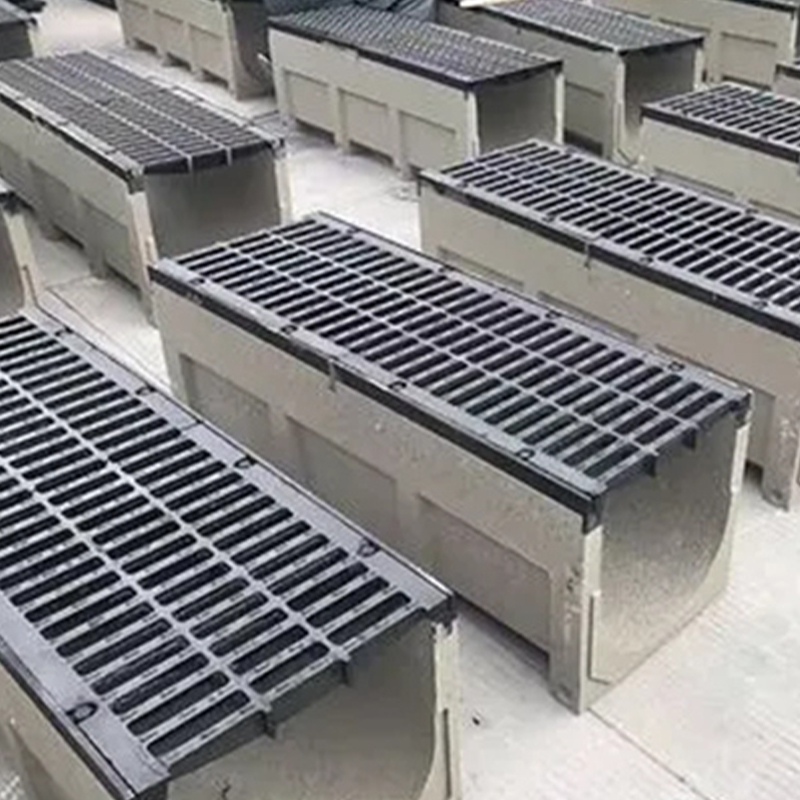
A Linear drainage channel is designed to collect and direct surface water away from paved areas. The primary distinction between narrow-width and wide-width channels lies in the width of the channel opening and internal waterway. While both perform the same basic function, their performance characteristics differ significantly.
Narrow-width channels are commonly used in pedestrian-focused environments where aesthetics and comfort are priorities. Wide-width channels are generally selected for locations that require higher hydraulic performance or experience more demanding drainage conditions.
Drainage capacity is often the first factor considered when selecting a channel width. Wider channels generally collect water more quickly because they provide a larger intake opening and greater internal flow volume.
In areas with intense rainfall, the ability to remove water rapidly helps reduce ponding and improves surface safety. However, many pedestrian areas do not generate runoff volumes that require maximum-capacity drainage infrastructure.
| Factor | Narrow-Width Channel | Wide-Width Channel |
|---|---|---|
| Water Intake Capacity | Moderate | High |
| Heavy Rainfall Performance | Good | Excellent |
| Visual Appearance | Excellent | Good |
| Pedestrian Comfort | Excellent | Good |
| Maintenance Access | Moderate | Excellent |
Wide-width channels may provide 20% to 50% more water intake capacity than narrower alternatives of similar depth and length. Nevertheless, this additional capacity is often unnecessary in standard pedestrian environments.
Safety is a critical factor in public infrastructure design. Pedestrians expect smooth walking surfaces with minimal obstacles. Narrow-width Linear drainage channels often create a more comfortable experience because they occupy less visible surface area and integrate more naturally into paving layouts.
Narrower channel openings can reduce potential issues involving:
In high-footfall pedestrian zones, narrow-width channels are often considered the most user-friendly solution.
Modern urban design increasingly prioritizes clean and unobtrusive infrastructure. Narrow-width channels support this objective by minimizing visual disruption. Their smaller footprint allows them to blend seamlessly with paving stones, decorative concrete, natural stone surfaces, and landscape elements.
Wide-width channels remain visually effective but can appear more industrial. In some projects this is acceptable, particularly where functionality outweighs aesthetics. However, in premium residential developments, hospitality projects, and public plazas, narrow-width designs often complement architectural goals more successfully.
Architects frequently specify narrow-width solutions because they preserve the visual continuity of walking surfaces while still providing reliable drainage performance.
Maintenance is another important consideration. Drainage systems inevitably collect leaves, sediment, litter, and other debris. The ability to manage these materials affects long-term performance.
Wide-width channels offer several maintenance advantages:
Narrow-width channels can perform equally well when maintenance is conducted regularly. In urban environments with established cleaning programs, channel width often has little impact on long-term performance.
Budget considerations influence nearly every construction project. Narrow-width channels typically require less excavation, less bedding material, and smaller quantities of surrounding concrete.
Potential cost advantages include:
Although the exact savings vary by project, narrow-width systems can often reduce total installation costs by a noticeable margin compared with larger alternatives. For extensive pedestrian developments, these savings can become significant.
Climate patterns are becoming increasingly unpredictable in many regions. Storm events that were once considered rare may now occur more frequently. As a result, engineers often evaluate future weather conditions rather than relying solely on historical averages.
Wide-width channels offer an advantage in these circumstances because they provide additional hydraulic capacity. This extra capacity can help accommodate short-duration, high-intensity rainfall events that generate large volumes of runoff in a limited timeframe.
Projects located in flood-prone regions or areas receiving annual rainfall exceeding several hundred millimeters may benefit from the additional resilience offered by wider drainage channels.
Although this comparison focuses on pedestrian environments, channel width selection is also important in other applications. For example, many linear drainage channel systems are installed in transportation facilities, commercial developments, loading zones, and landscaped public spaces.
Similarly, property owners frequently use linear drains for driveways to prevent water accumulation near garages and entrances. In these situations, wider channels may be selected because vehicle surfaces often generate larger runoff volumes than pedestrian walkways.
The intended use of the drainage system should always influence the final width selection.
A narrow-width Linear drainage channel is generally recommended when the project prioritizes aesthetics, pedestrian comfort, and cost efficiency.
For most pedestrian environments, narrow-width channels deliver the best overall balance of performance, appearance, and value.
A wide-width Linear drainage channel should be considered when drainage capacity is the primary concern.
When properly sized and maintained, wide-width channels provide outstanding hydraulic performance and long-term reliability.
The comparison between narrow-width and wide-width Linear drainage channels ultimately depends on project priorities. If the goal is to maximize pedestrian comfort, maintain attractive paving surfaces, and control installation costs, a narrow-width channel is typically the superior option. If the project faces extreme rainfall, large drainage demands, or challenging maintenance conditions, a wide-width channel may provide better long-term performance.
For the majority of pedestrian areas, narrow-width Linear drainage channels offer the most practical combination of safety, appearance, cost-effectiveness, and drainage efficiency.
Related Products
Our Modular GRC System merges installation speed with long-term durability, providing a high-perform...
READ MOREOur Modular GRC System merges installation speed with long-term durability, providing a high-perform...
READ MOREOur Modular GRC System merges installation speed with long-term durability, providing a high-perform...
READ MOREOur Modular GRC System merges installation speed with long-term durability, providing a high-perform...
READ MOREOur Modular GRC System merges installation speed with long-term durability, providing a high-perform...
READ MOREOur Modular GRC System merges installation speed with long-term durability, providing a high-perform...
READ MORE
Contact us
Factory Address
Group 12, Quanxin Village, Donghai Town, Qidong City, Nantong City, Jiangsu Province, China
phone
+86-13914963840
+86-13451754670
products
QR CODE
 Wholesale Drainage Ditch Manufacturers