Why Is Stainless Steel Stamped Cover Plate Widely Used in Modern Engineering Projects?
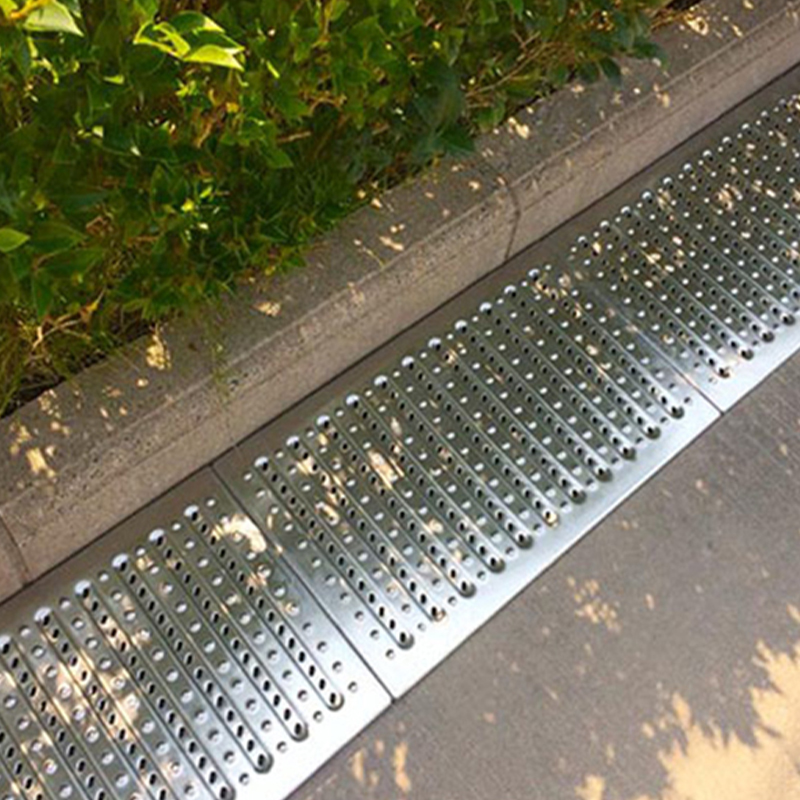
In modern municipal construction, industrial infrastructure, and commercial facility development, the stainless steel stamped cover plate has gradually become a widely adopted solution due to its excellent balance of strength, durability, and aesthetics. Compared with traditional materials such as cast iron, concrete, or galvanized steel, stainless steel stamped cover plates offer significantly improved performance in corrosion resistance, structural stability, and lifecycle cost efficiency. As urban infrastructure standards continue to rise, especially in high-density cities and industrial zones, the demand for safer, longer-lasting, and more visually appealing surface protection systems is increasing rapidly.
One of the primary reasons for its widespread adoption is corrosion resistance. Stainless steel, particularly grades like 304 and 316, performs exceptionally well in humid, coastal, and chemically aggressive environments. This makes it ideal for drainage systems, trench covers, and outdoor installations where exposure to water, salts, and industrial chemicals is unavoidable. Unlike traditional iron-based covers that may rust and weaken over time, stainless steel maintains its structural integrity for decades.
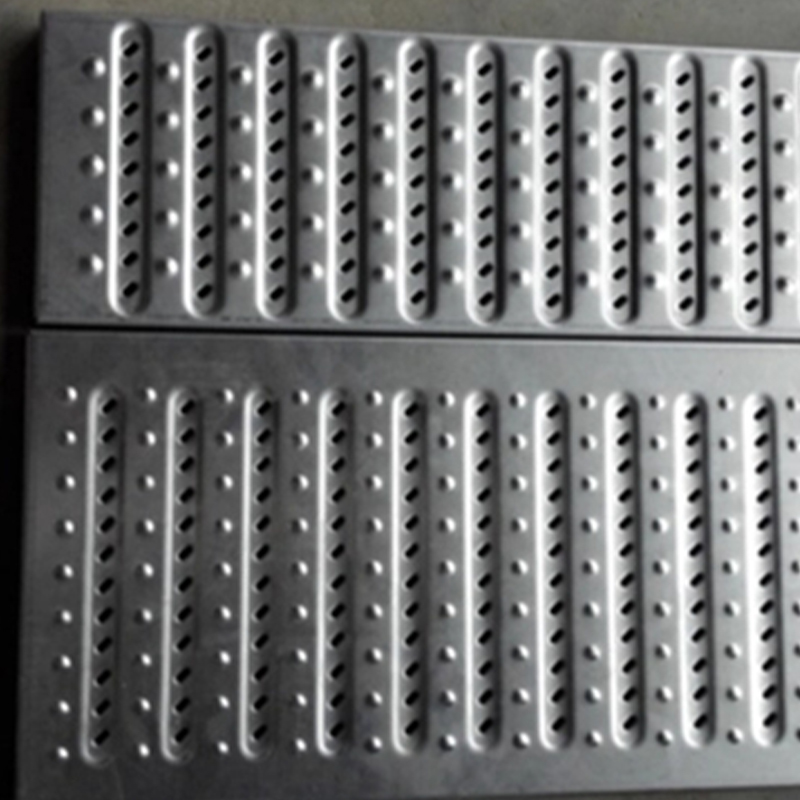
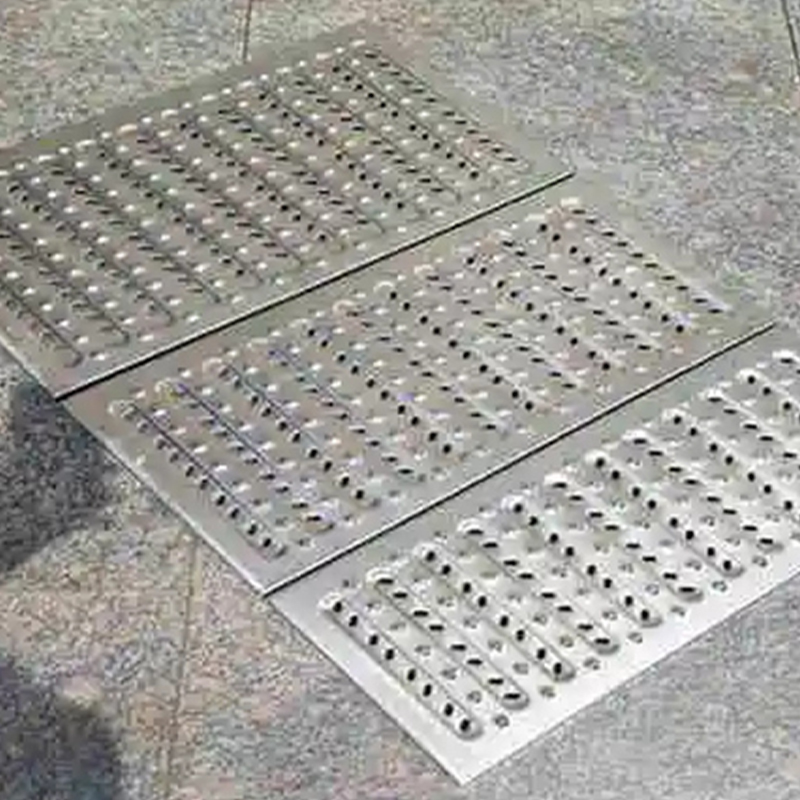
Another important factor is structural safety and load performance. Through precision stamping technology, the cover plate achieves uniform stress distribution and enhanced mechanical strength. This allows it to withstand pedestrian traffic, light vehicles, and even certain industrial loads without deformation. Additionally, the stamped surface improves anti-slip performance, reducing the risk of accidents in wet or oily environments.
From an urban design perspective, stainless steel stamped cover plates also offer aesthetic advantages. Their clean, modern metallic appearance integrates well into contemporary architectural styles, making them suitable for commercial districts, airports, metro stations, and high-end residential developments.
Application overview:
| Application Area |
Functional Requirement |
Benefit of Stainless Steel Stamped Cover Plate |
| Urban drainage systems |
Water resistance & durability |
Long-term anti-corrosion performance |
| Sidewalk infrastructure |
Safety & anti-slip |
Reduced accident risk |
| Industrial facilities |
Chemical resistance |
Stable in harsh environments |
| Commercial buildings |
Aesthetic integration |
Modern visual appearance |
| Transportation hubs |
High load capacity |
Structural reliability |
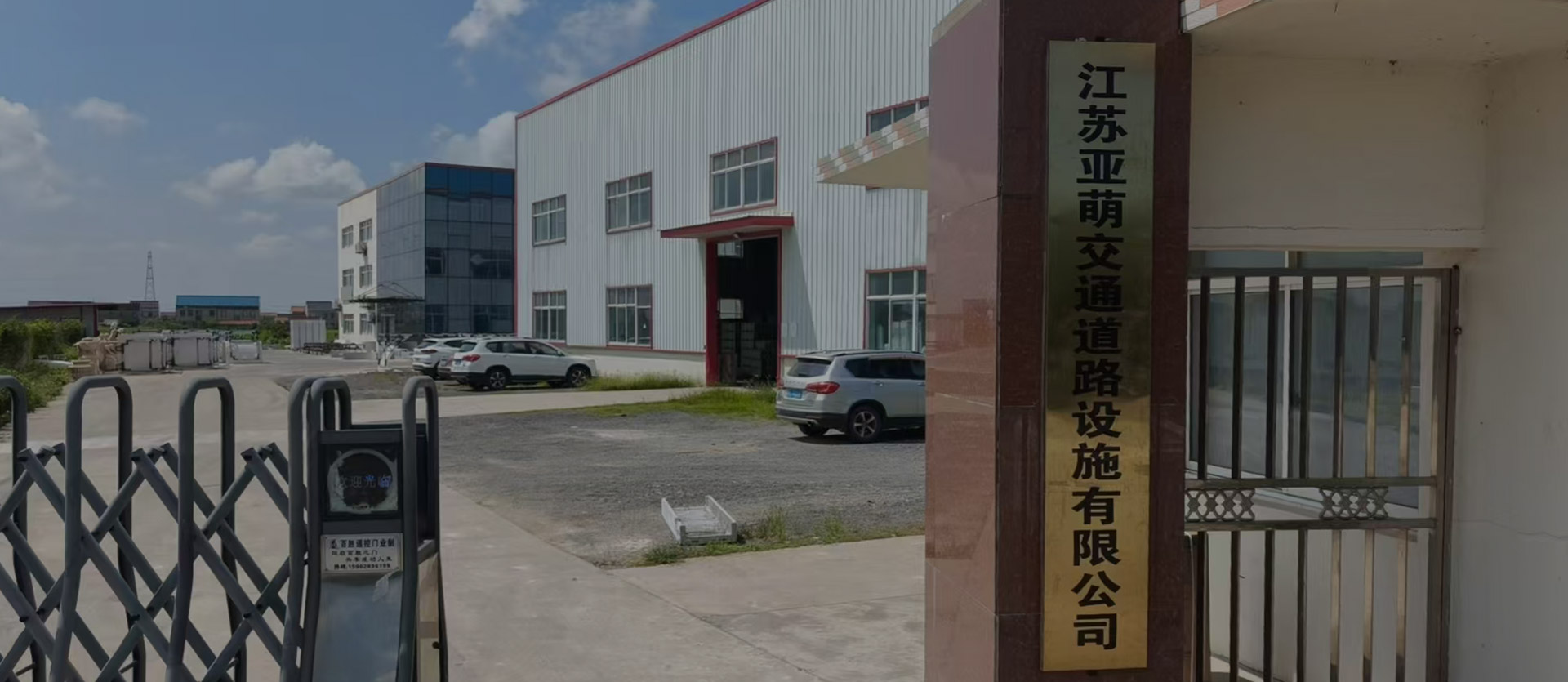
At Jiangsu Yameng Traffic Road Facilities Co., Ltd, we have been focusing on the design and manufacturing of high-performance infrastructure products for municipal and industrial applications. Our stainless steel stamped cover plates are engineered to meet international engineering standards, ensuring long-term reliability in diverse environmental conditions. Through continuous product optimization and strict quality control, we provide solutions that help customers reduce maintenance costs while improving infrastructure safety and performance.
How Does the Manufacturing Process Affect the Quality of Stainless Steel Stamped Cover Plates?
The manufacturing process plays a decisive role in determining the final performance and lifespan of a stainless steel stamped cover plate. Even when using high-grade raw materials, poor processing techniques can significantly reduce durability, load capacity, and corrosion resistance. Therefore, understanding the production chain is essential for evaluating product quality.
The process typically begins with material selection, where high-quality stainless steel such as 304 or 316 is chosen based on application requirements. 304 stainless steel is widely used for general outdoor and municipal applications, while 316 stainless steel offers enhanced resistance to chloride corrosion, making it suitable for coastal or chemical environments.
The next stage is precision stamping forming, where hydraulic or CNC-controlled stamping machines shape the steel sheet under high pressure. This process ensures uniform thickness, consistent structural strength, and accurate dimensional control. Unlike welded or manually fabricated covers, stamped products eliminate weak points caused by joints or uneven stress distribution.
After forming, the product undergoes surface treatment processes, including polishing, deburring, and sometimes anti-slip pattern finishing. These steps not only enhance safety but also improve corrosion resistance by reducing surface imperfections where rust could initiate.
Finally, rigorous quality inspection ensures that each cover plate meets load-bearing, dimensional, and durability standards before delivery.
Manufacturing comparison:
| Production Stage |
High-Quality Standard |
Low-Quality Standard |
| Material grade |
304/316 stainless steel |
Low-grade or mixed steel |
| Forming process |
CNC precision stamping |
Manual or inconsistent forming |
| Surface finish |
Polished + anti-slip |
Rough or untreated surface |
| Structural integrity |
Uniform stress distribution |
Weak points & deformation risk |
| Quality control |
Multi-stage inspection system |
Basic visual check only |
A well-controlled manufacturing process ensures that the product maintains long service life, high load resistance, and stable performance even under extreme conditions. Poor manufacturing, on the other hand, often leads to early corrosion, deformation, and increased maintenance costs.
At Jiangsu Yameng Traffic Road Facilities Co., Ltd, we strictly control every stage of production—from raw material sourcing to final inspection. Our factory is equipped with advanced stamping machinery and testing equipment, ensuring that every stainless steel stamped cover plate meets strict engineering standards. This allows us to provide reliable products for municipal infrastructure, industrial drainage systems, and commercial construction projects worldwide.
What Are the Long-Term Benefits of Choosing Stainless Steel Stamped Cover Plates?
From a long-term infrastructure planning perspective, stainless steel stamped cover plates offer significant advantages in terms of durability, maintenance efficiency, and lifecycle cost optimization. While the initial investment may be higher compared to traditional materials, the overall economic and operational benefits become evident over time.
One of the most important benefits is extended service life. Stainless steel is inherently resistant to rust, oxidation, and chemical corrosion. This ensures that the cover plate remains structurally stable even after years of exposure to rainwater, de-icing salts, and industrial pollutants. In many cases, the service life can reach 15–30 years depending on environmental conditions.
Another key advantage is reduced maintenance requirements. Traditional cast iron covers often require regular painting, anti-rust treatment, or replacement due to corrosion damage. In contrast, stainless steel stamped cover plates require minimal maintenance, significantly reducing long-term operational costs for municipalities and facility managers.
In addition, the lightweight nature of stainless steel improves installation efficiency. Workers can handle and install these cover plates more easily compared to heavy cast iron alternatives, reducing labor time and transportation costs.
Lifecycle comparison:
| Performance Factor |
Stainless Steel Stamped Cover Plate |
Traditional Cast Iron Cover |
| Service life |
15–30 years |
8–15 years |
| Maintenance frequency |
Low |
High |
| Corrosion resistance |
Excellent |
Weak to moderate |
| Installation cost |
Lower |
Higher |
| Aesthetic performance |
Modern & clean |
Basic industrial look |
Beyond functional performance, stainless steel also contributes to modern urban aesthetics. Its clean surface and uniform finish make it suitable for high-end architectural environments, including commercial plazas, transportation hubs, and smart city projects.
As a professional manufacturer, Jiangsu Yameng Traffic Road Facilities Co., Ltd provides customized stainless steel stamped cover plate solutions tailored to different project requirements. Our engineering team works closely with clients to optimize load capacity, dimensions, and surface treatment options, ensuring that each product delivers maximum long-term value. We are committed to supporting sustainable infrastructure development through durable and efficient engineering products.
FAQ (Frequently Asked Questions)
Q1: What materials are commonly used for stainless steel stamped cover plates?
The most commonly used materials are 304 and 316 stainless steel, selected based on environmental conditions and corrosion requirements.
Q2: Where are stainless steel stamped cover plates typically installed?
They are widely used in drainage systems, sidewalks, industrial plants, commercial buildings, and transportation infrastructure.
Q3: How long is the service life of these products?
Under normal conditions, the service life ranges from 15 to 30 years, depending on environment and maintenance.
Q4: Does Jiangsu Yameng Traffic Road Facilities Co., Ltd provide customized solutions?
Yes, we provide fully customized design and manufacturing services based on project drawings and engineering requirements.

 English
 Español
 عربى
عربى