 English
 Español
 عربى
عربى


Our Modular GRC System merges installation speed with long-term durability, providing a high-perform...
READ MOREJun 22, 2026
Content
In modern construction, the smallest visible details often determine whether a finished space feels refined, durable, and professionally engineered. Drainage systems, inspection wells, access openings, service ducts, and floor maintenance points are essential for safety and long-term usability, yet their covers can either enhance or disrupt the design of a building. The ultra-slim seamless stainless steel cover plate is developed to solve this challenge. It provides reliable access protection while maintaining a clean architectural appearance suitable for commercial spaces, pedestrian areas, public facilities, interior floors, walls, and light traffic environments.
This product belongs to the stainless steel cover plate category and is designed for applications where function and aesthetics must work together. It offers a slim profile, seamless visual integration, corrosion resistance, dependable load-bearing performance, and easy maintenance. Compared with many conventional cast iron covers, ordinary steel plates, plastic covers, or bulky access panels, the stainless steel cover plate provides a more refined appearance, longer service life, and better compatibility with modern design requirements.
Behind a successful stainless steel inspection well cover is not only a high-quality material choice, but also a complete manufacturing system. From material selection and stamping or forming to surface finishing, dimensional control, inspection, packaging, and after-sales support, every process affects the final product. A company with mature drainage channel and cover plate production experience can offer stronger consistency, better customization, and more dependable project delivery than suppliers relying only on simple assembly or outsourced processing.
Stainless steel inspection well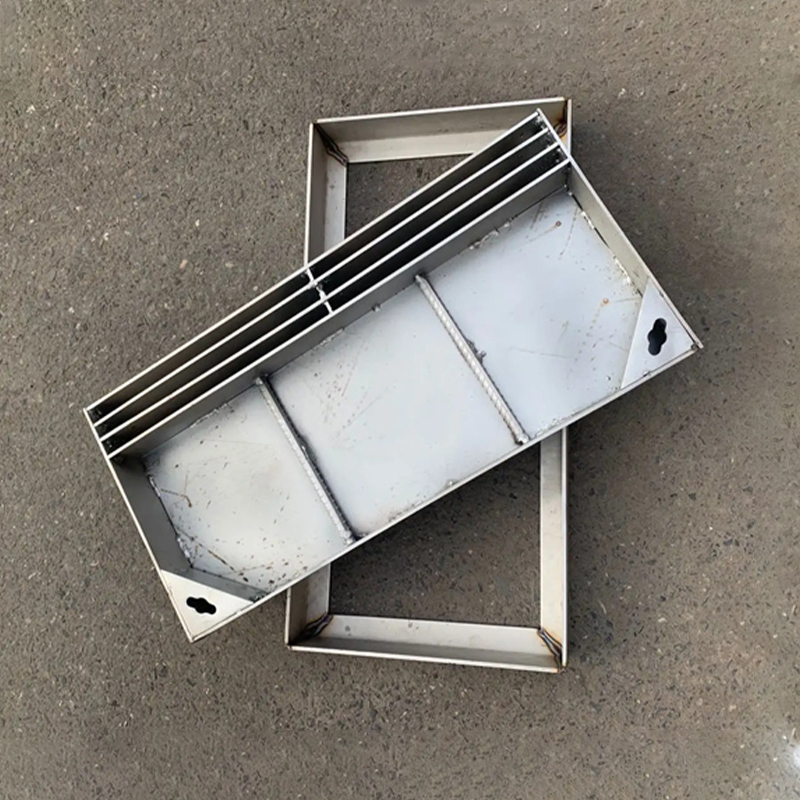
The ultra-slim seamless stainless steel cover plate is a practical access solution for inspection wells, drainage openings, service points, maintenance hatches, and related building systems. Its main function is to protect an opening while allowing convenient inspection or maintenance when necessary. However, unlike traditional covers that are often visually heavy or industrial in appearance, this product is designed to blend into surrounding surfaces with a minimalist look.
The cover plate is made from high-quality stainless steel, a material valued for its resistance to corrosion, wear, moisture, and environmental exposure. Stainless steel is particularly suitable for spaces that require cleanliness, hygiene, and a long-lasting finish. It can be used in indoor and semi-outdoor areas, commercial walkways, pedestrian zones, shopping centers, hotels, office buildings, public buildings, residential developments, and urban supporting facilities.
The “ultra-slim” design refers to the product’s low-profile appearance. Instead of rising noticeably above the floor or wall surface, the cover plate is intended to sit cleanly and discreetly. This helps reduce trip hazards, supports a more continuous floor plane, and improves visual neatness. The “seamless” design emphasizes smooth integration, eliminating unnecessary joints, rough edges, or excessive visible structural elements.
For architects and contractors, the product provides a balanced answer to a common problem: how to maintain access to hidden infrastructure without compromising the appearance of the completed project. For property owners, it reduces maintenance concerns and supports a longer usable life. For facility managers, it makes cleaning easier and helps maintain a neat public image.
One of the strongest advantages of this stainless steel cover plate is its refined appearance. Many traditional inspection well covers are designed primarily for industrial strength, with little attention paid to architectural integration. They may have thick frames, obvious raised patterns, dark coatings, or rough cast surfaces. Such designs can be acceptable in roads or utility zones, but they are often unsuitable for modern commercial interiors and high-end public environments.
The ultra-slim seamless stainless steel cover plate offers a cleaner and more contemporary alternative. Its smooth surface and controlled profile support a minimalist visual language. When installed correctly, it can align with surrounding floor or wall finishes, helping preserve the design intention of the space. This is especially important in locations where users expect both performance and sophistication, such as shopping malls, exhibition halls, corporate entrances, hotels, hospitals, schools, museums, and modern residential communities.
Stainless steel is widely used in construction because it combines mechanical strength with corrosion resistance. Compared with ordinary carbon steel, stainless steel performs better in humid environments and requires less frequent surface protection. Unlike painted steel that may peel, chip, or rust after damage to the coating, stainless steel contains chromium that forms a passive protective layer on the surface. This helps the material resist oxidation and maintain a clean appearance over time.
For inspection well covers and drainage-related access plates, corrosion resistance is not optional. These components may be exposed to water, cleaning chemicals, dust, foot traffic, temperature changes, and occasional impact. A cover plate that rusts prematurely can stain surrounding surfaces, weaken structurally, and create a poor impression. A stainless steel solution reduces these risks and supports long-term reliability.
A cover plate must not only look good; it must also support practical loads. The ultra-slim seamless stainless steel cover plate is designed to provide reliable support in pedestrian and light traffic environments. This makes it suitable for many building and municipal supporting areas where people walk frequently and where small service carts, maintenance equipment, or light-duty traffic may pass.
Compared with fragile plastic covers or thin low-grade metal plates, a properly designed stainless steel cover plate offers stronger structural dependability. Its performance depends on material thickness, reinforcement design, edge support, manufacturing accuracy, and installation quality. With experienced production and engineering control, the cover can achieve a good balance between slim appearance and dependable load performance.
The smooth stainless steel surface is easy to clean. Dirt, dust, and water marks can usually be removed quickly, reducing the labor required for facility maintenance. In public or commercial spaces, cleaning efficiency is a major operational benefit. Surfaces that trap dirt, accumulate moisture, or require special treatment can increase maintenance costs over time.
Traditional textured or rough cast covers may collect dust in grooves and uneven surfaces. Painted surfaces may require repainting after wear. Some materials can discolor, crack, or become brittle. Stainless steel, by contrast, offers a stable surface that is suitable for repeated cleaning. This makes the product especially useful in spaces where hygiene and appearance matter.
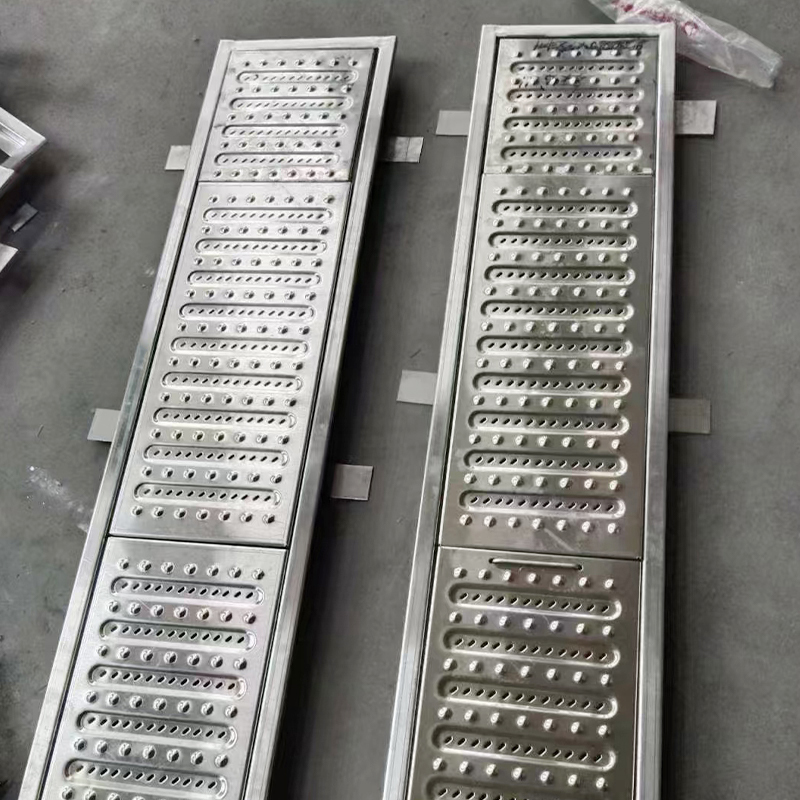
The product can be applied in floors, walls, pedestrian zones, commercial environments, and supporting infrastructure around drainage and inspection systems. Its versatility comes from its combination of strength, corrosion resistance, clean appearance, and customization potential. It can serve as an inspection well cover, access panel, drainage system cover, maintenance hatch, or architectural metal cover plate depending on project requirements.
In indoor environments, it can be installed in lobbies, corridors, mechanical access points, utility rooms, kitchens, sanitary facilities, and commercial service zones. In outdoor or semi-outdoor areas, it may be used in pedestrian walkways, landscaped areas, building entrances, courtyards, terraces, and drainage-related access points where stainless steel performance is appropriate.
Choosing a cover plate is often a long-term decision. The lowest initial price may lead to higher maintenance, replacement, and aesthetic repair costs later. The ultra-slim seamless stainless steel cover plate offers advantages in design quality, corrosion resistance, maintenance convenience, and project adaptability when compared with common alternatives.
| Comparison Item | Ultra-Slim Seamless Stainless Steel Cover Plate | Conventional Cast Iron Cover | Ordinary Painted Steel Plate | Plastic or Composite Light-Duty Cover |
|---|---|---|---|---|
| Appearance | Sleek, modern, low-profile, suitable for refined spaces | Heavy industrial look, often bulky | Simple appearance, coating may wear | Often less premium and may not match architectural interiors |
| Corrosion Resistance | Strong stainless steel corrosion resistance | May rust if coating is damaged | Depends heavily on paint or coating quality | Generally corrosion-free but may age under stress or UV exposure |
| Maintenance | Easy to clean, low upkeep | Grooves and rough surfaces may collect dirt | May need repainting or rust treatment | May deform, fade, or crack depending on quality |
| Design Integration | Excellent for modern floors, walls, and commercial spaces | Limited architectural compatibility | Moderate, but often less refined | Limited in high-end settings |
| Service Life | Long-lasting when properly selected and installed | Strong but prone to corrosion in certain environments | Can be shortened by coating damage | Varies widely by material and load conditions |
| Best Use | Pedestrian and light traffic areas requiring aesthetics and durability | Heavy-duty municipal or industrial areas | Basic utility applications | Temporary or low-load applications |
This comparison shows why stainless steel cover plates are increasingly favored for projects that require both performance and visual quality. They are not merely functional components; they are architectural details that help preserve the integrity of a space.
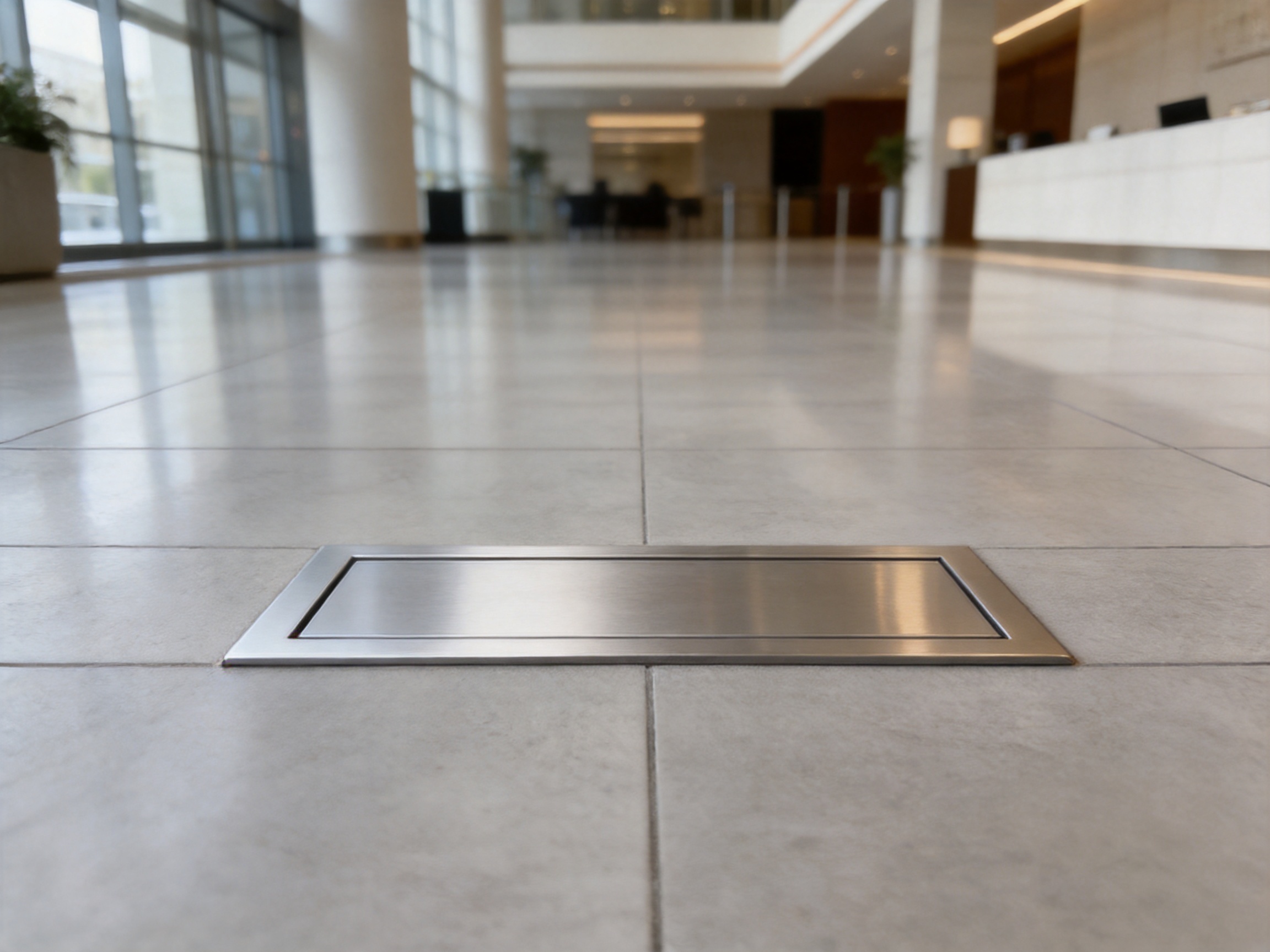
Seamless design is more than a visual preference. In many building environments, joints, gaps, and uneven transitions can create practical problems. They may collect dust, trap water, increase cleaning difficulty, or create discomfort for pedestrians. In commercial spaces, even small irregularities can affect user experience and create a less polished impression.
A seamless stainless steel cover plate reduces visual interruption. It helps the access point appear intentional rather than temporary or improvised. This is important because inspection wells and access openings are often located in visible areas. If the cover is unattractive, the entire floor or wall design may look unfinished.
Seamless design also reflects manufacturing accuracy. A cover plate that fits properly, aligns neatly, and has clean edges requires good dimensional control. This means the manufacturer must understand both material behavior and installation requirements. Poorly made cover plates may warp, rattle, misalign, or leave uneven gaps. By contrast, a well-produced stainless steel cover plate provides a stable, quiet, and refined result.
Stainless steel is a preferred material for many architectural and infrastructure products because it offers a rare combination of strength, hygiene, durability, and appearance. Its corrosion resistance comes from the formation of a chromium-rich passive film on the surface. When properly maintained, this protective layer helps the material resist rust and environmental degradation.
In cover plate applications, stainless steel is beneficial because it can withstand repeated foot traffic, regular cleaning, water contact, and general environmental exposure. It is also dimensionally stable compared with many plastics and composites. It does not easily become brittle under ordinary service conditions, and it retains a professional appearance for a long time.
Surface finish can be selected according to project needs. A smooth or brushed finish may be used to match surrounding architectural metal elements. Surface treatment quality affects both aesthetics and maintenance. A well-finished stainless steel surface minimizes burrs, sharp edges, stains, and processing marks.
Another advantage is recyclability. Stainless steel is widely recyclable, making it suitable for projects that value environmental responsibility and sustainable material selection. Long service life also contributes to sustainability because fewer replacements are needed over the life of the building.
The quality of a stainless steel cover plate depends heavily on manufacturing capability. A company experienced in drainage ditch projects, cover plates, stainless steel products, ductile iron covers, resin concrete components, composite manhole covers, drainage pipes, PE pipes, and GRC customization has a broader understanding of site conditions and application needs. This production background allows the manufacturer to design cover plates not as isolated metal sheets, but as parts of complete drainage and inspection systems.
Advanced manufacturing begins with design review. Before production, the intended use, load requirements, installation environment, dimensions, surface finish, and interface with surrounding structures should be evaluated. This helps avoid common problems such as poor fit, insufficient support, unsuitable material thickness, or inappropriate surface treatment.
Material selection is another critical stage. High-quality stainless steel sheets or plates should be selected according to project performance needs. Material inspection helps ensure consistency before cutting and forming. Inadequate raw material control may cause surface defects, dimensional instability, corrosion problems, or lower strength.
Precision cutting and forming help achieve the ultra-slim seamless effect. Stainless steel must be processed carefully because improper cutting or bending can create deformation, burrs, or stress marks. Experienced operators and accurate equipment help produce clean edges, stable dimensions, and consistent profiles.
Surface finishing is especially important for this product. Since the cover plate may be visible in finished architectural spaces, the surface must meet higher aesthetic standards. Polishing, brushing, deburring, cleaning, and inspection all contribute to the final look. A smooth, refined surface supports easy cleaning and helps the product integrate with surrounding finishes.
Quality control should continue throughout production. Dimensional checks, visual inspection, load-related evaluation, edge treatment review, and packaging inspection all help ensure that the delivered product meets project expectations. A strong manufacturer does not rely on final inspection alone; it controls every step to reduce defects and improve consistency.
Construction projects often have different dimensions, drainage layouts, load requirements, surface finishes, and installation methods. A standard cover plate may not always fit. This is why customization capability is a major advantage. The manufacturer’s broader experience in drainage channel systems and GRC customization supports flexible project solutions from drawings to production and installation support.
Customization may include size adjustment, frame design, thickness selection, surface finish, opening method, anti-slip considerations, edge profile, and compatibility with surrounding floor materials. For example, a commercial lobby may prioritize visual integration and a refined brushed surface. A pedestrian outdoor area may require stronger slip resistance and enhanced drainage compatibility. A service corridor may emphasize quick access and easy cleaning.
Professional design support helps translate project drawings into manufacturable products. Mold designers, CNC engraving capability, production technicians, and construction teams can support complete service from detailed design and drawings to mold making, production, on-site construction, and after-sales assistance. This integrated capability is especially valuable for complex projects where multiple systems must align.
Compared with suppliers that only sell catalog products, a manufacturer with design and customization experience can help reduce project risk. It can identify potential installation issues earlier, recommend practical improvements, and produce products that better match real site conditions.
Drainage and inspection systems are essential to safe and functional buildings. A drainage channel removes surface water, while an inspection well allows access for maintenance, cleaning, and system checking. The cover plate protects these openings and helps ensure safe movement across the area.
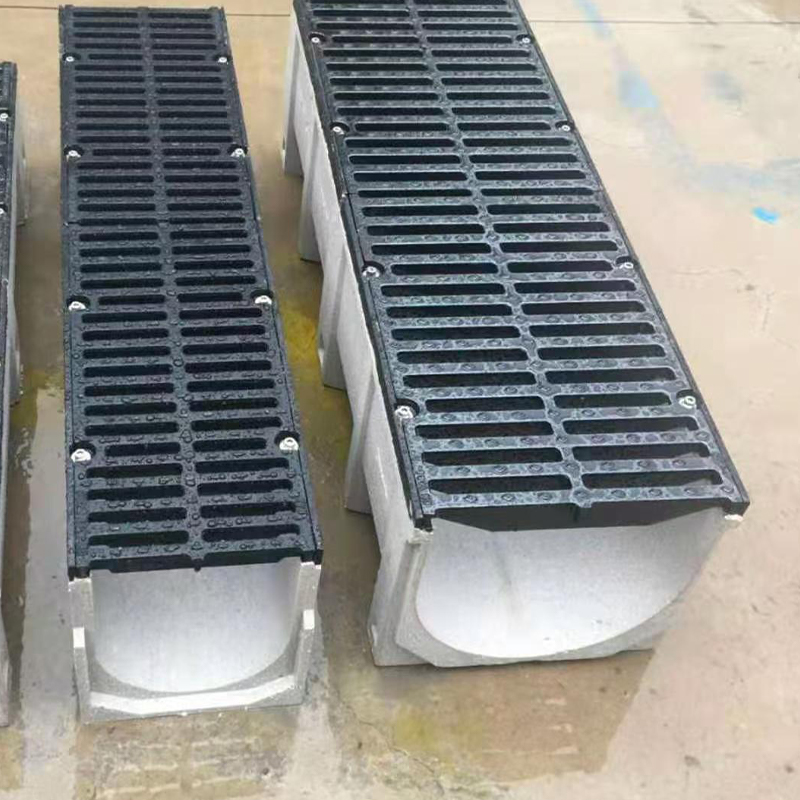
In linear drainage systems, cover plates or gratings may be used to allow water entry while supporting surface loads. In inspection wells, covers must often be removable or accessible. The ultra-slim seamless stainless steel cover plate is especially suitable where the access point must be concealed or visually softened while remaining functional.
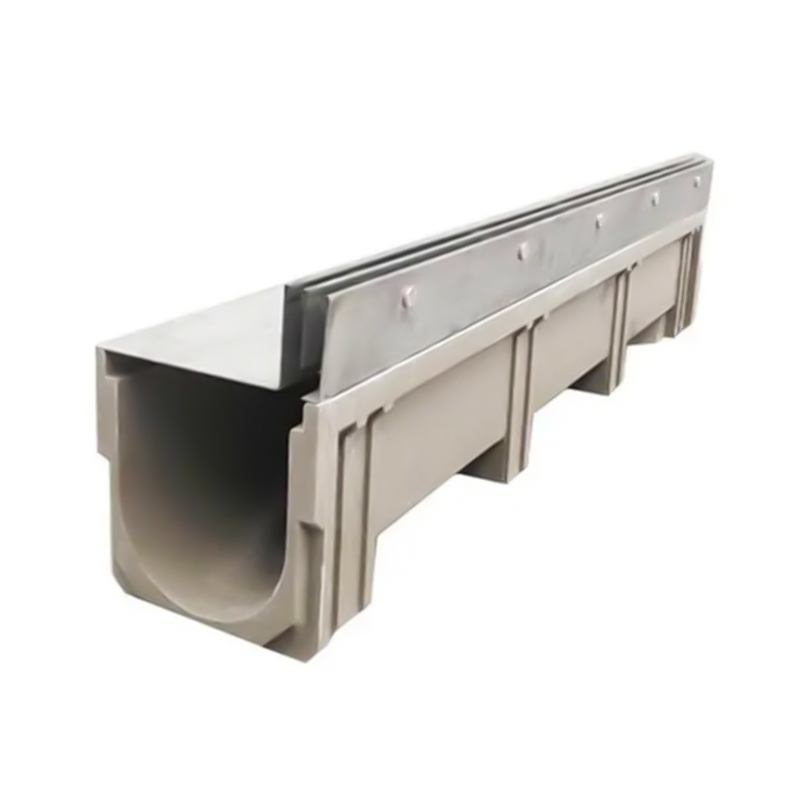
Drainage systems may include finished drainage ditches, polymer-based drainage ditches, slot drainage ditches, U-shaped drainage ditches, steel gratings, ductile iron covers, resin concrete covers, and related pipes. In such a complete product environment, stainless steel cover plates can be selected for areas where corrosion resistance and appearance are especially important.
Because the company has experience across drainage ditch projects and related cover products, it can better understand how a cover plate interacts with the rest of the system. This is a major advantage over suppliers that focus on one component only. A drainage system works as a whole; water flow, access, load bearing, edge support, installation height, and surface finish must all coordinate.
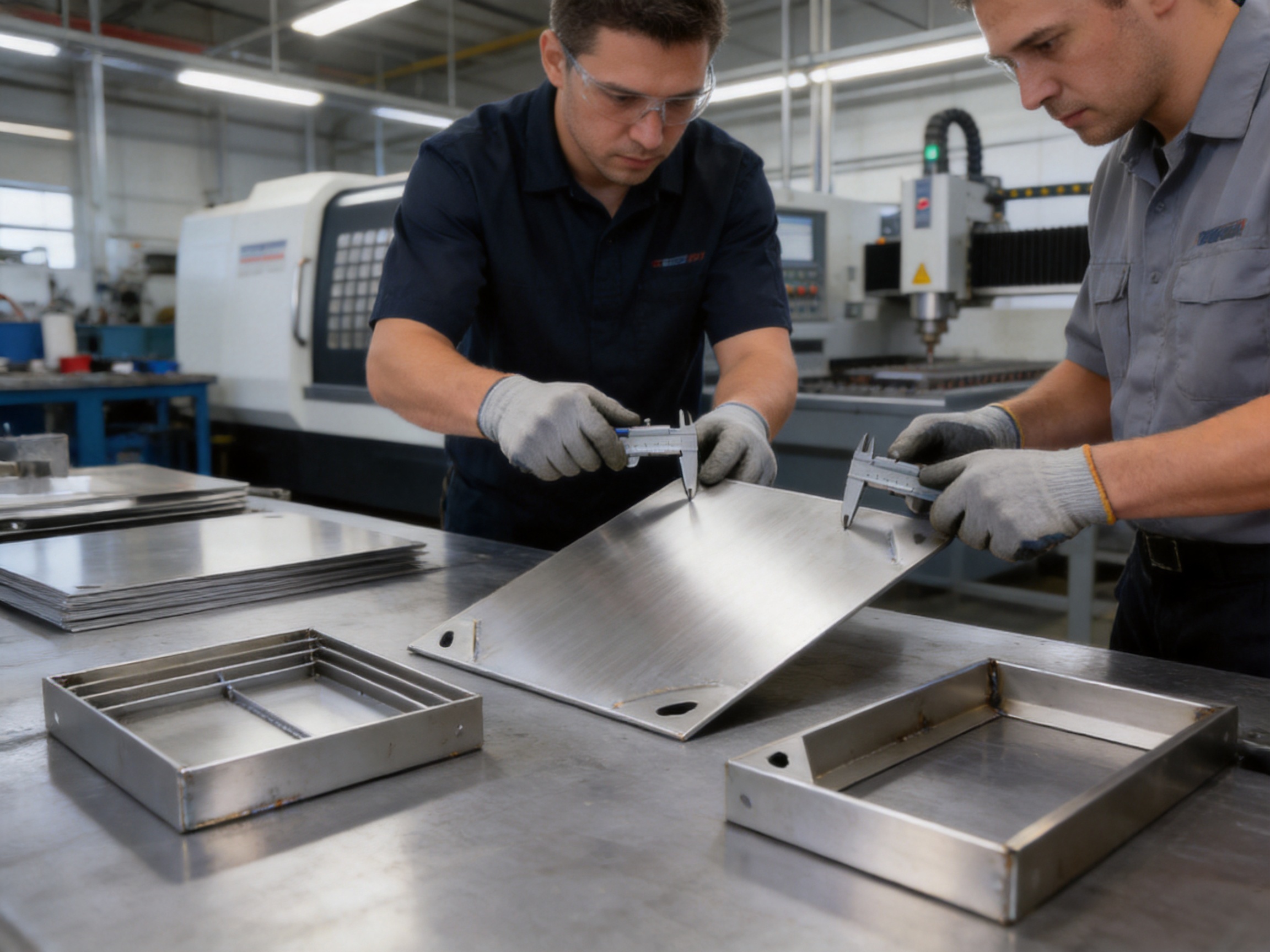
Commercial and public spaces require durable materials because they experience frequent use. At the same time, they require attractive details because visitors notice visible components. The ultra-slim seamless stainless steel cover plate helps meet both requirements. It provides the strength and cleanability needed for public use while supporting a modern architectural style.
In shopping centers, a cover plate should not interrupt the floor pattern or create a rough industrial appearance. In hotels, it should match the quality of the interior finishes. In office buildings, it should support a professional image. In hospitals and schools, it should be easy to clean and safe for pedestrians. In municipal pedestrian areas, it should withstand weather exposure and daily foot traffic.
A visually refined cover plate also supports brand-neutral design. Many property owners and architects prefer infrastructure components that do not draw attention. The best access cover is often one that performs reliably while remaining visually quiet. Stainless steel is especially suitable for this because it looks clean, modern, and professional without excessive ornamentation.
Safety is a key requirement for any cover plate. The product must sit securely, support expected loads, and avoid creating hazards. A low-profile design can reduce the risk of tripping when installed flush or near flush with the surrounding surface. Proper edge treatment helps prevent sharp contact points. A stable frame or support structure helps prevent movement, rocking, or noise.
For pedestrian zones, surface conditions are important. Depending on application requirements, surface finish and anti-slip measures should be selected carefully. Smooth stainless steel is easy to clean, but in wet areas, designers may consider brushed textures, patterned finishes, or other anti-slip solutions. The correct choice depends on the project environment.
Load-bearing performance should also be matched to actual use. A cover plate intended for pedestrian and light traffic areas should not be used in heavy vehicle lanes unless specifically designed and tested for such conditions. Responsible product selection protects both users and the infrastructure beneath the cover.
Even a high-quality cover plate must be installed correctly. Installation affects load transfer, alignment, drainage performance, noise control, and appearance. The supporting frame or surrounding structure must be level, stable, and strong enough for the intended load. If the base is uneven, the cover may rock or sit incorrectly. If the frame is poorly fixed, it may loosen over time.
Dimensional coordination is also important. The opening size, frame size, cover size, and surrounding floor finish must match accurately. A cover that is too loose may move or create noise. A cover that is too tight may be difficult to remove for inspection. Proper tolerances ensure both safety and convenience.
For interior installations, attention should be given to floor height, tile thickness, stone finish, or other surface materials. For exterior installations, water flow, expansion, contraction, and environmental exposure should be considered. The manufacturer’s project experience can help provide guidance during product selection and installation planning.
Stainless steel is low-maintenance, but not maintenance-free. Regular cleaning helps preserve its appearance and performance. For ordinary dust and dirt, wiping with clean water and mild detergent is usually sufficient. Harsh chemicals, strong acids, chloride-heavy cleaners, or abrasive tools should be avoided unless approved for stainless steel use.
In coastal or high-humidity environments, more frequent cleaning may be beneficial because salt deposits can affect stainless steel surfaces over time. If stains appear, they should be removed promptly using appropriate stainless steel cleaning methods. Keeping the surface free from long-term contamination helps maintain the passive protective layer.
Facility managers should also periodically check whether the cover sits properly, whether the frame remains stable, and whether there is any unusual movement or noise. If the cover is removable, inspection procedures should ensure it is replaced correctly after maintenance work.
The ultra-slim seamless stainless steel cover plate offers several competitive advantages. First, it provides a more refined design than many traditional cover products. Competitors using heavy cast structures, rough surfaces, or visible bulky frames may be unable to meet modern architectural expectations. This stainless steel cover plate is better suited for projects where every visible detail matters.
Second, it offers better corrosion resistance than ordinary painted steel. Painted steel may appear acceptable at first, but scratches and coating wear can lead to rust. Stainless steel reduces dependence on external coatings and supports a longer service life in many environments.
Third, it is easier to maintain than textured cast iron or rough-surfaced alternatives. Smooth stainless steel can be cleaned quickly, helping reduce facility management labor. In high-traffic commercial areas, this advantage becomes significant over time.
Fourth, it provides better project adaptability. With manufacturing experience in drainage ditches, cover plates, GRC customization, manhole covers, and drainage-related products, the company can support multiple project needs. This is more valuable than a supplier that offers only single-size stock items.
Fifth, it benefits from integrated production and technical support. Professional designers, mold designers, CNC processing capability, production personnel, construction technical teams, and after-sales service create a more complete supply chain. This helps improve communication, reduce errors, and deliver products that match project requirements.
The process begins with understanding the project. The manufacturer reviews where the cover plate will be installed, what loads it must bear, whether it will be indoors or outdoors, what finish is required, and how it must interface with the surrounding floor, wall, or drainage system. This stage is essential because incorrect assumptions can lead to product failure or installation problems.
After requirements are clarified, technical drawings are prepared or reviewed. Dimensions, tolerances, material thickness, edge details, opening structure, frame design, and surface finish are confirmed. For customized projects, this drawing stage allows both supplier and client to align expectations before production begins.
High-quality stainless steel is selected according to the required performance. Material should be checked for surface quality, thickness consistency, and suitability for processing. Proper storage and handling help prevent scratches, contamination, or deformation before production.
The stainless steel is cut to the required size and formed according to the design. Precision cutting helps maintain clean dimensions. Forming requires control of bending angles and flatness. Edge processing removes burrs and sharp areas, improving safety and appearance.
Surface finishing creates the final appearance. Depending on the design, the cover may receive brushing, polishing, cleaning, or other finishing processes. A good surface treatment improves both aesthetics and maintenance performance. It also reflects the manufacturer’s attention to detail.
Inspection checks dimensions, surface condition, flatness, fit, and general workmanship. For products intended for pedestrian or light traffic areas, structural design and support conditions should be verified according to project requirements. Quality inspection reduces the chance of delivery problems and improves installation efficiency.
Stainless steel surfaces must be protected during transport. Proper packaging helps prevent scratches and deformation. Clear labeling and careful packing are especially important for customized projects where each cover plate may correspond to a specific installation location.
Jiangsu Yameng Traffic Road Facilities Co., Ltd. is located in Nantong, Jiangsu Province, China, an area with convenient transportation and waterway access. This location supports efficient logistics for production materials and finished products. The company is engaged in drainage ditch projects and GRC customization, providing a broad foundation for related cover plate and inspection well solutions.
The company’s product range includes linear drainage ditches, finished drainage ditches, polymer-based drainage ditches, slot drainage ditches, U-shaped drainage ditches, ductile iron cover plates, stainless steel stamped cover plates, steel gratings, resin concrete cover plates, resin composite manhole covers, stainless steel manhole covers, ductile iron manhole covers, drainage pipes, PE pipes, and related products. This wide product structure allows the company to understand different materials, loads, installation environments, and user requirements.
For the GRC series, the company is supported by professional designers, mold designers, CNC engravers, and an experienced production and construction technical team. This technical background strengthens its ability to provide complete services from detailed design, drawing preparation, mold making, production, on-site construction, and after-sales support. Such comprehensive capability is also valuable for stainless steel cover plate projects because it reflects a systematic approach to manufacturing and project service.
The company emphasizes integrity and quality as its foundation. In infrastructure and construction products, this philosophy is important because product failure can affect safety, maintenance costs, and project reputation. A focus on quality helps ensure that each cover plate is produced with attention to material, workmanship, and service requirements.
Quality control is not limited to checking the finished product. It should begin with raw materials and continue through every manufacturing stage. For stainless steel cover plates, important quality factors include material grade, thickness, surface condition, dimensional accuracy, flatness, welding or forming quality if applicable, edge smoothness, finish consistency, and packaging protection.
Competitors that lack systematic quality control may deliver products with inconsistent sizes, uneven surfaces, sharp edges, or poor installation fit. These problems can cause delays on site and increase labor costs. A manufacturer with disciplined inspection procedures helps contractors install products more efficiently and reduces the risk of rework.
Quality also affects long-term user satisfaction. A cover plate that looks good at delivery but scratches easily, rusts prematurely, or becomes loose after installation will not meet project expectations. By focusing on material and process control, the manufacturer can provide products that retain performance and appearance over time.
Sustainability is increasingly important in construction. A durable stainless steel cover plate contributes to sustainability by reducing replacement frequency. Long service life means fewer materials consumed over time and less waste generated from failed components. Stainless steel’s recyclability further improves its environmental profile.
Low maintenance also supports sustainability. Products that require frequent repainting, chemical treatment, or replacement consume additional resources. A stainless steel cover plate that can be cleaned with simple methods reduces maintenance impact and supports efficient building operation.
In addition, refined design can extend the useful life of interior and public spaces. When infrastructure components remain visually acceptable, owners are less likely to replace them for aesthetic reasons. Durable design is therefore both an engineering and environmental benefit.
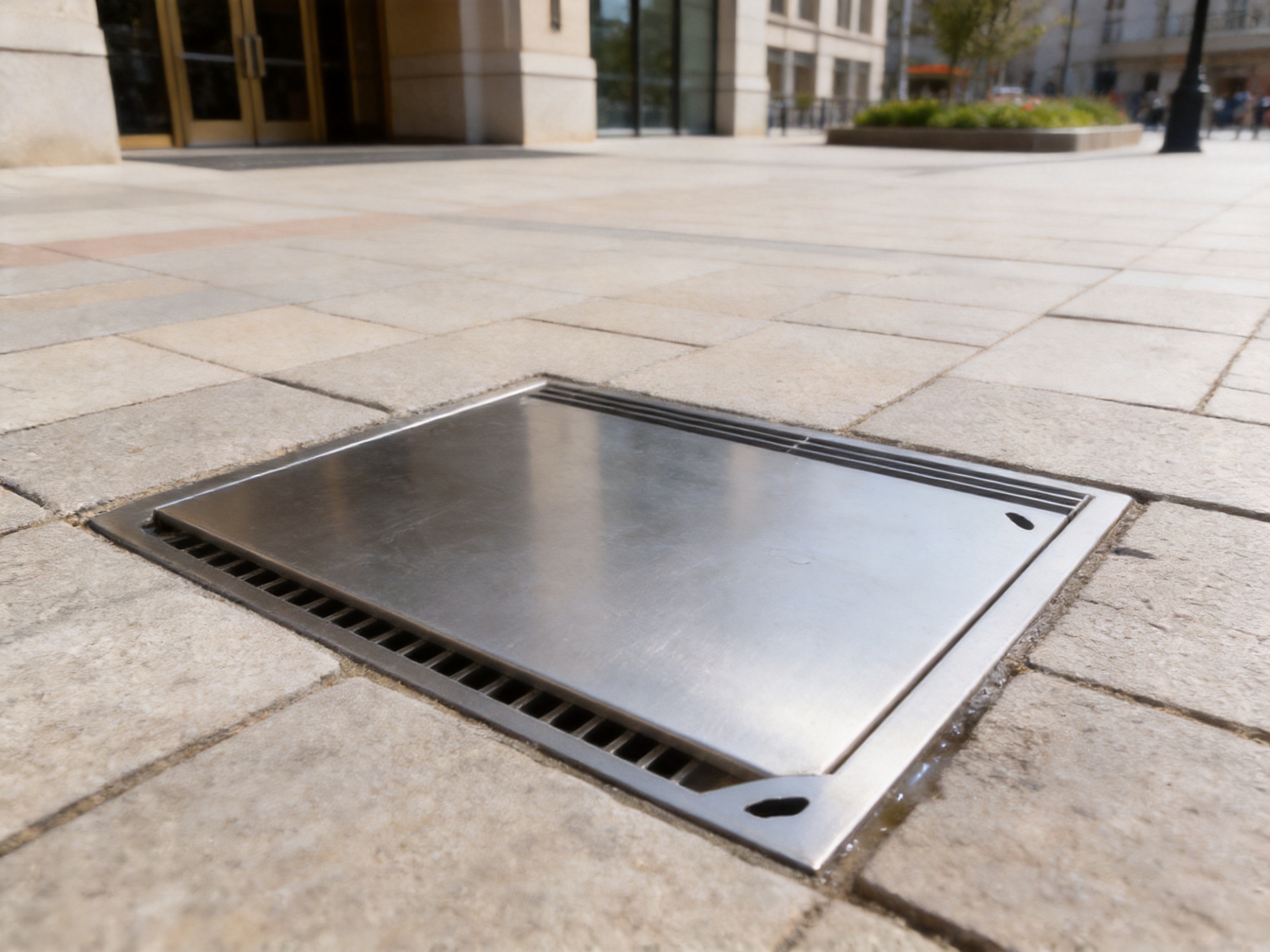
When selecting an ultra-slim seamless stainless steel cover plate, buyers should consider the installation environment first. Indoor, outdoor, wet, dry, pedestrian, and light traffic areas all have different requirements. The selected cover should match actual conditions rather than only approximate dimensions.
Load requirement is the second major factor. Pedestrian zones and light traffic areas require dependable support, but heavy vehicle applications may require different product designs. Clear communication about expected loads helps the manufacturer recommend the correct structure.
Dimensions and tolerances must be confirmed carefully. Buyers should provide accurate opening sizes, frame requirements, floor heights, and installation drawings if available. Customized products should be checked against site measurements before production.
Surface finish should be selected according to appearance and safety needs. Smooth finishes are elegant and easy to clean, while brushed or textured finishes may be preferred where slip resistance or scratch concealment is important. For visible architectural areas, sample confirmation may be useful.
Maintenance expectations should also be discussed. If the cover plate will be frequently opened, the design should allow convenient lifting or removal. If it will be in a public area, anti-noise and anti-movement features may be considered. If it will be exposed to cleaning chemicals, material and finish compatibility should be reviewed.
In commercial buildings, inspection access points may be located in corridors, entrances, service zones, or mechanical areas. The stainless steel cover plate provides a clean look while allowing maintenance access. Its ultra-slim design helps preserve the floor’s visual continuity.
Pedestrian zones require safe and durable surface components. A stainless steel cover plate can support frequent foot traffic while resisting corrosion from rain, cleaning, and environmental exposure. Its refined appearance makes it suitable for public plazas, sidewalks, and building entrances where design quality matters.
Hotels, restaurants, and premium interiors require access covers that do not reduce the perceived quality of the space. The seamless stainless steel style matches modern interior design and helps keep maintenance points discreet.
These environments require easy cleaning and reliable safety. Stainless steel’s smooth surface and long service life make it suitable for areas where hygiene, durability, and maintenance efficiency are important.
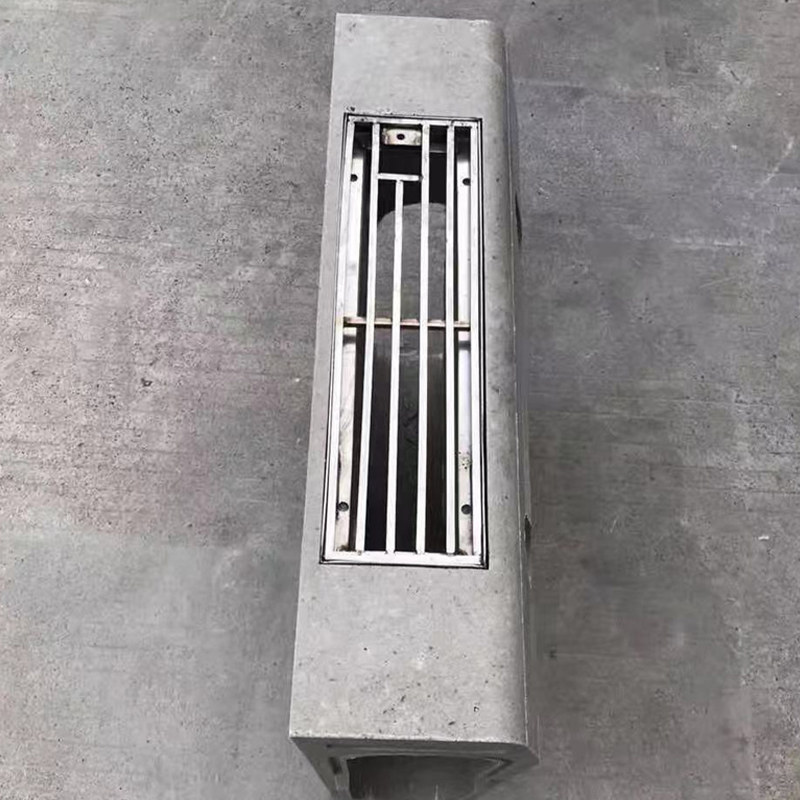
Drainage channels, inspection wells, and utility access points require covers that protect openings while allowing maintenance. The stainless steel cover plate is particularly useful where the cover is visible and must match an architectural environment.
It is designed to cover inspection wells, drainage access points, service openings, or maintenance hatches while maintaining a clean and modern appearance. It protects the opening, supports pedestrian or light traffic use, and allows access when maintenance is required.
Stainless steel offers better corrosion resistance and a more stable surface appearance than ordinary painted steel. Ordinary steel depends heavily on coating protection, and once the coating is damaged, rust can develop. Stainless steel is more suitable for long-term use in environments exposed to moisture, cleaning, and frequent traffic.
The described product is mainly suitable for pedestrian and light traffic areas. Heavy vehicle applications require specific structural design, material thickness, reinforcement, and load verification. Buyers should communicate load conditions clearly before selection.
Yes. Customization may include size, thickness, frame structure, surface finish, edge profile, opening method, and installation details. Custom production is especially useful for projects with unique drainage layouts or architectural requirements.
Seamless design improves visual integration, reduces unnecessary gaps, supports easier cleaning, and creates a more professional installation. It also reflects precise manufacturing and helps the cover plate match modern architectural spaces.
Regular cleaning with water and mild detergent is usually sufficient. Abrasive tools, harsh acids, and chloride-heavy cleaners should be avoided unless specifically approved for stainless steel. Periodic checks should confirm that the cover remains stable and properly seated.
It can be used in floors, walls, pedestrian areas, commercial spaces, inspection wells, drainage systems, hotels, office buildings, public facilities, residential developments, and other areas where a durable and refined cover plate is required.
Its combination of ultra-slim appearance, stainless steel durability, corrosion resistance, easy maintenance, reliable load-bearing for suitable areas, and customization support makes it more competitive than many bulky, rust-prone, or visually outdated alternatives.
The ultra-slim seamless stainless steel cover plate represents the evolution of inspection access and drainage-related cover solutions. It is not merely a metal plate used to close an opening; it is a carefully designed architectural and functional component. Its stainless steel construction provides corrosion resistance and durability, while its ultra-slim seamless appearance supports modern design standards. It is easy to clean, suitable for pedestrian and light traffic environments, and adaptable to a wide range of commercial, public, residential, and utility applications.
Compared with conventional cast iron covers, ordinary painted steel plates, and lower-grade plastic or composite alternatives, this product offers stronger visual integration, lower maintenance requirements, and better long-term appearance. Its value becomes especially clear in projects where the finished environment must remain clean, safe, refined, and durable.
The company’s broader manufacturing strength in drainage ditches, cover plates, manhole covers, pipes, GRC customization, design support, mold making, CNC processing, production, construction service, and after-sales support provides a strong foundation for product reliability. With an emphasis on integrity, quality, responsibility, focus, and innovation, the manufacturing approach supports both standard and customized project needs.
For architects, contractors, facility managers, and project owners seeking a durable yet elegant inspection access solution, the ultra-slim seamless stainless steel cover plate offers a practical and future-oriented choice. It protects essential infrastructure while preserving the quality of the visible environment, proving that even technical components can contribute meaningfully to modern construction excellence.
1. Sedriks, A. John. Corrosion of Stainless Steels. Wiley-Interscience.
2. Davis, Joseph R. Stainless Steels. ASM International.
3. The Steel Construction Institute. Design Manual for Structural Stainless Steel.
4. International Organization for Standardization. ISO Standards for Stainless Steel Materials and Surface Quality.
5. American Society for Testing and Materials. ASTM Specifications for Stainless Steel Plate, Sheet, and Strip.
6. Construction Industry Research and Information Association. Guidance on Drainage Channel Design and Surface Water Management.
Related Products
Our Modular GRC System merges installation speed with long-term durability, providing a high-perform...
READ MOREOur Modular GRC System merges installation speed with long-term durability, providing a high-perform...
READ MOREOur Modular GRC System merges installation speed with long-term durability, providing a high-perform...
READ MOREOur Modular GRC System merges installation speed with long-term durability, providing a high-perform...
READ MOREOur Modular GRC System merges installation speed with long-term durability, providing a high-perform...
READ MOREOur Modular GRC System merges installation speed with long-term durability, providing a high-perform...
READ MORE
Contact us
Factory Address
Group 12, Quanxin Village, Donghai Town, Qidong City, Nantong City, Jiangsu Province, China
phone
+86-13914963840
+86-13451754670
products
QR CODE
 Wholesale Drainage Ditch Manufacturers